
Oxidizing Agents In Veterinary Medicine: 5 Essential Uses
Comprehensive guide to oxidizing disinfectants and antiseptics for animal healthcare settings
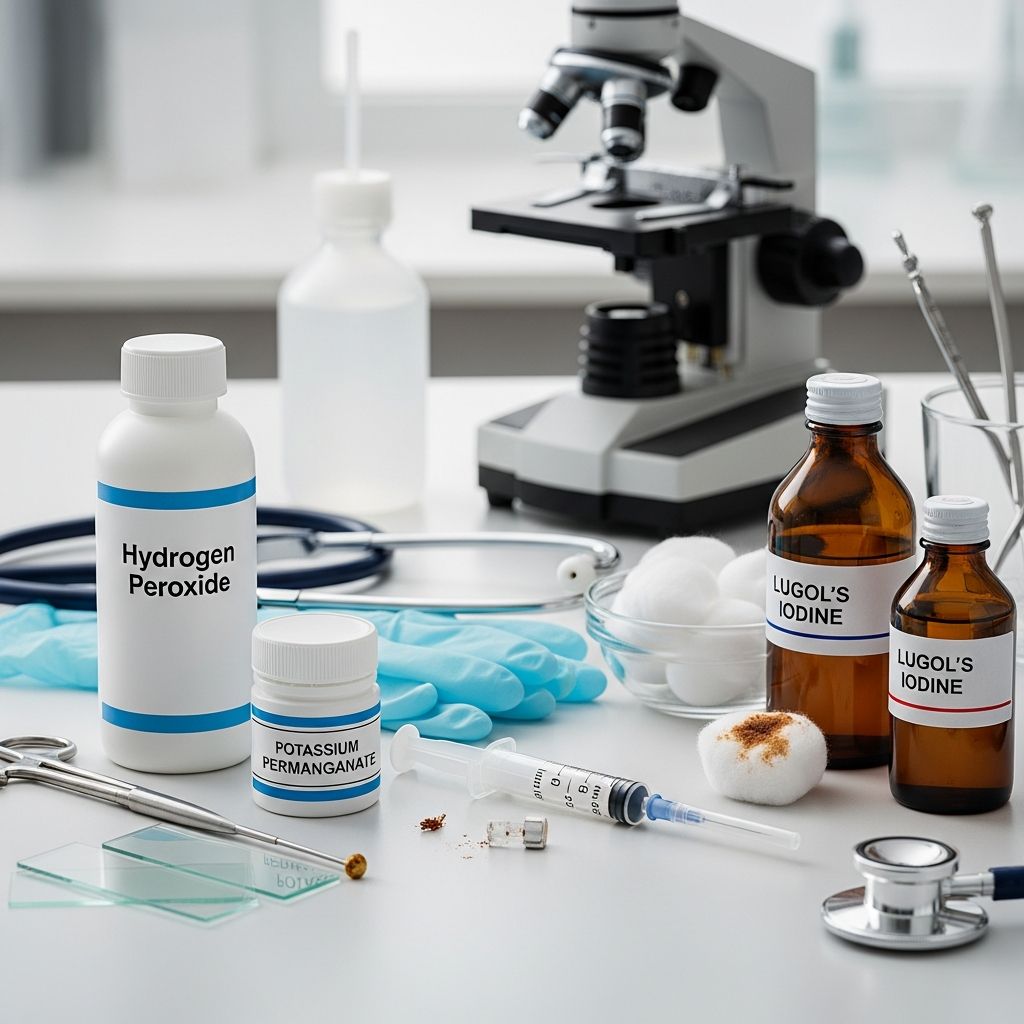
The management of infectious disease in veterinary medicine relies heavily on the strategic use of antimicrobial agents. Among the most important classes of these compounds are oxidizing agents, which serve dual roles as both antiseptics for direct application to living tissues and disinfectants for environmental surfaces and medical equipment. These substances have been fundamental to veterinary practice for decades, offering cost-effective and broadly applicable antimicrobial protection across diverse settings including surgical facilities, farm operations, rescue shelters, and household environments.
Understanding Oxidizing Agents and Their Antimicrobial Mechanisms
Oxidizing agents function through a fundamentally different mechanism compared to many other antimicrobial compounds. Rather than targeting specific cellular structures or metabolic pathways, these substances work by generating reactive oxygen species that damage multiple components of microbial cells simultaneously. This broad-spectrum approach makes them particularly valuable in situations where the specific pathogen involved may be unknown or when polymicrobial infections are suspected.
The effectiveness of oxidizing agents stems from their ability to penetrate and disrupt essential cellular processes in bacteria, viruses, fungi, and other microorganisms. When these compounds encounter microbial cells, they induce oxidative stress that affects protein structures, lipid membranes, and nucleic acids—essentially overwhelming the organism’s defensive mechanisms before resistance can develop. This multi-target approach explains why oxidizing agents remain relevant even as antimicrobial resistance becomes increasingly problematic in clinical settings.
Hydrogen Peroxide: Versatility and Limitations in Veterinary Practice
Hydrogen peroxide solutions, particularly the 3% formulation, represent one of the most accessible and widely recognized oxidizing agents in veterinary medicine. The mechanism of action is elegantly simple: when applied to wound surfaces or tissue, hydrogen peroxide encounters catalase enzymes naturally present in animal tissues, triggering a chemical reaction that releases molecular oxygen. This oxygen liberation creates the characteristic effervescent action that makes hydrogen peroxide such a recognizable and appealing option for wound management.
The mechanical action of oxygen evolution serves an important practical function in wound care. The bubbling action helps dislodge and remove particulate matter, pus, and cellular debris from contaminated areas, effectively cleansing wounds while simultaneously deodorizing infected tissue. This physical cleaning action makes hydrogen peroxide particularly useful in initial wound management, especially when tissues are freshly contaminated and the infection is not yet established.
However, veterinary practitioners must recognize significant limitations associated with hydrogen peroxide use. The antimicrobial action is inherently brief because the hydrogen peroxide is rapidly decomposed by tissue catalase, and it cannot penetrate deeply into tissue layers. Additionally, research has demonstrated that 3% hydrogen peroxide can damage healthy tissue cells, including fibroblasts—the cells responsible for wound healing and collagen synthesis. For these reasons, hydrogen peroxide is most appropriate for initial wound irrigation rather than prolonged wound care regimens.
Beyond wound management, hydrogen peroxide has found important applications in equipment sterilization. It is increasingly employed in disinfecting dental and surgical instruments, anesthetic equipment, nebulizers, and soft contact lenses. The compound’s rapid decomposition into water and oxygen—with no toxic residues—makes it environmentally attractive for these applications.
Advanced Hydrogen Peroxide Formulations
Recognizing the limitations of standard hydrogen peroxide, manufacturers have developed accelerated hydrogen peroxide (AHP) formulations that incorporate surfactants and stabilizing agents. These enhanced products significantly improve antimicrobial efficacy while maintaining the safety profile of the parent compound. The stabilizers prevent premature decomposition, allowing the hydrogen peroxide to maintain activity longer than standard formulations, while surfactants reduce surface tension, enabling better penetration and contact with microorganisms.
Accelerated hydrogen peroxide formulations offer several advantages that have made them increasingly popular in veterinary clinic settings:
- Non-irritating to eyes and skin at use concentrations
- Completely biodegradable with no harmful chemical residues
- Broad-spectrum antimicrobial activity
- Reduced toxicity compared to standard formulations
- Improved stability for longer shelf-life
The primary disadvantage of accelerated hydrogen peroxide formulations relates to material compatibility. These products can corrode soft metals such as brass, copper, and aluminum, and may damage carbon-tipped surgical instruments. Veterinary facilities must therefore carefully consider equipment composition before implementing these formulations as routine disinfectants.
Chlorine-Based Disinfectants: Historical Importance and Modern Applications
Chlorine and chlorine-releasing compounds represent among the oldest antimicrobial agents available to veterinary medicine. Their longevity in clinical use attests to their fundamental effectiveness, though understanding their mechanisms and limitations is essential for proper application.
Mechanisms of Chlorine Antimicrobial Activity
Chlorine-based agents exert antimicrobial effects through high affinity for microbial protoplasm, where they oxidize essential proteins and interfere with vital metabolic reactions. This mechanism creates the rapid and broad-spectrum activity that makes chlorine compounds so useful. The antimicrobial action is relatively quick, and chlorine compounds remain effective against a wide spectrum of bacteria, viruses, and fungi.
Importantly, chlorine’s activity is heavily influenced by pH. Alkaline conditions ionize chlorine and decrease its penetrability, substantially reducing its effectiveness as a disinfectant. Veterinary practitioners must therefore consider pH when preparing chlorine solutions and when using them in environments where alkaline compounds might be present.
Sodium Hypochlorite: The Most Practical Chlorine Option
Among chlorine-containing compounds, sodium hypochlorite (bleach) remains the most commonly used formulation in veterinary settings. A 2–5% sodium hypochlorite solution provides effective disinfection across diverse applications. The compound has served as a disinfectant for more than a century, with its continued popularity reflecting genuine utility rather than historical momentum.
Sodium hypochlorite’s widespread adoption stems from multiple practical advantages:
- Rapid bactericidal action against diverse microorganisms
- Prolonged activity in treated drinking water
- Simple application and excellent water solubility
- Relative stability at use concentrations
- Non-toxic at recommended use levels
- No hazardous residues or undesirable coloration
- Exceptional cost-effectiveness and easy availability
These characteristics explain why sodium hypochlorite–based disinfectants remain ubiquitous in veterinary surgery facilities, rescue shelters, farms, and household environments. Despite these advantages, veterinary professionals must remember that sodium hypochlorite is rapidly inactivated when it contacts organic matter—blood, tissue, feces, and other biological materials substantially reduce its effectiveness. Therefore, proper cleaning of surfaces before disinfection is essential for successful use.
The concentration of available chlorine and the pH of the solution are the two primary factors determining sodium hypochlorite’s effectiveness. The weak acid hypochlorous acid (HOCl) exists in equilibrium with the hypochlorite ion (ClO⁻), with the balance between these forms depending heavily on pH. This biochemical reality requires that practitioners either verify product specifications or adjust pH appropriately for optimal antimicrobial activity.
Chlorine Dioxide and Advanced Chlorine Formulations
In response to concerns about chlorine’s potential to generate problematic by-products during water treatment, chlorine dioxide has emerged as a superior alternative in some jurisdictions. While maintaining the antimicrobial advantages of chlorine, chlorine dioxide produces fewer undesirable chemical by-products, making it particularly suitable for disinfecting drinking water supplies.
Electrochemically Activated Solutions
Recent innovations have produced electrochemically activated solution (ECAS), a metastable formulation generated from dilute salt solutions (approximately 0.5% NaCl). ECAS contains free available chlorine species including hypochlorous acid and hypochlorite ions, providing broad-spectrum bactericidal activity equivalent to 80% ethanol—superior to both chlorhexidine at 0.1% and povidone-iodine at 0.02%. ECAS has been proposed as a replacement for formaldehyde fogging in factory farm disinfection protocols. However, practical adoption remains limited due to corrosion of processing equipment, similar to challenges encountered with other advanced oxidizing agents.
Potassium Peroxymonosulfate: The Specialized Oxidizer
Potassium peroxymonosulfate (PPMS), commonly known as Oxone, represents a newer generation of oxidizing agents that combines broad-spectrum antimicrobial activity with prolonged disinfectant action. This compound functions as both a chlorine-releasing agent and an oxidizing disinfectant, making it effective against an exceptionally wide spectrum of pathogens.
The antimicrobial spectrum of potassium peroxymonosulfate is notably comprehensive. Commercial formulations incorporating PPMS with potassium chloride and organic acids demonstrate effectiveness against over 580 infectious agents, including viruses, gram-positive and gram-negative bacteria, fungi (both molds and yeasts), and mycoplasma species. This extraordinary breadth of activity makes it particularly valuable in situations where comprehensive disinfection against unknown pathogens is required.
Potassium peroxymonosulfate has proven superior to quaternary ammonium compounds (QACs) for disinfecting certain materials critical to biosecurity. It is particularly effective on steel and rubber surfaces, making it the preferred choice for foot baths and vehicle wheel dips used in disease control protocols. This superiority over QACs stems from its oxidizing mechanism, which is not substantially compromised by the organic matter often present on boots and tires.
However, potassium peroxymonosulfate has not achieved widespread adoption despite its advantages. The primary limiting factor is cost—PPMS formulations are significantly more expensive than sodium hypochlorite or other conventional disinfectants. Additionally, corrosion of certain surfaces remains a concern, similar to other advanced oxidizing agents. Nonetheless, in specialized settings including barns, farms, pigeon lofts, veterinary premises, rescue shelters, and kennels, the investment in PPMS may be justified by superior effectiveness on equipment, particularly ophthalmology instruments, and for cold fogging applications.
Iodine-Based Compounds: Halogen Antiseptics and Disinfectants
While technically classified as halogens rather than purely oxidizing agents, iodine compounds deserve consideration within comprehensive discussions of oxidizing antimicrobial agents. Iodine and iodine-containing compounds rank among the oldest topical antimicrobial agents available to veterinary practitioners. Like chlorine, iodine exerts antimicrobial activity through high affinity for microbial protoplasm, where it oxidizes proteins and disrupts vital metabolic processes.
Iodophors—iodine complexed with carrier molecules—are particularly valuable formulations that offer distinct advantages over elemental iodine. These compounds demonstrate effectiveness against bacteria, viruses, and fungi, with somewhat reduced efficacy against bacterial spores. A unique advantage of iodophors is their ability to maintain antimicrobial activity even in the presence of organic matter—blood, tissue, and other biological materials that inactivate chlorine compounds have minimal effect on iodophor function.
Iodophors maintain good antimicrobial activity even at acidic pH values below 4, and phosphoric acid is frequently incorporated into commercial iodophor formulations to maintain this favorable acidic environment. These compounds have established track records in dairy and cattle operations, where they are used in teat dips for mastitis control and as general sanitizers. Beyond farm settings, iodophors serve as effective general antiseptics and disinfectants for managing dermal and mucosal infections across multiple animal species.
Newer Oxidizing Agent Combinations
Contemporary formulations often combine oxidizing agents with surfactants and other chemical components to enhance effectiveness. For example, Virkon S represents a combination of peroxygen molecules, organic acids, and surfactants designed to provide enhanced antimicrobial activity while improving penetration and contact with microorganisms. These sophisticated formulations typically demonstrate broad-spectrum activity against diverse pathogens while maintaining improved stability and reduced material compatibility issues.
Comparative Effectiveness and Selection Considerations
| Agent | Spectrum | Speed | Duration | Key Advantages | Limitations |
|---|---|---|---|---|---|
| Hydrogen Peroxide (3%) | Broad | Rapid | Brief | Safe, non-toxic, equipment compatible | Tissue damaging, limited penetration |
| Accelerated H₂O₂ | Broad | Rapid | Extended | Non-irritating, biodegradable, improved stability | Metal corrosion potential |
| Sodium Hypochlorite | Broad | Rapid | Moderate | Inexpensive, highly effective, readily available | Organic matter inactivation, irritating, pH dependent |
| Potassium Peroxymonosulfate | Exceptional | Rapid | Prolonged | Ultra-broad spectrum, organic matter resistant | High cost, potential surface corrosion |
| Iodophors | Broad | Moderate | Extended | Organic matter resistant, activity at low pH | Iodine sensitivity reactions possible |
Practical Applications in Veterinary Settings
The selection of appropriate oxidizing agents depends on multiple contextual factors. In surgical facilities, accelerated hydrogen peroxide products have become increasingly popular for equipment disinfection due to their non-irritating properties and lack of toxic residues. For general farm disinfection and biosecurity protocols, sodium hypochlorite remains the default choice due to cost and availability, supplemented with potassium peroxymonosulfate where superior effectiveness against material-associated pathogens is required.
Rescue shelters and kennels face unique challenges due to high pathogen loads and limited resources. Many of these facilities rely on sodium hypochlorite for routine disinfection but may employ accelerated hydrogen peroxide or potassium peroxymonosulfate for outbreak management. Household use typically defaults to sodium hypochlorite products due to cost and ready availability, though some practitioners now recommend accelerated hydrogen peroxide formulations for families with multiple animals or known infectious disease challenges.
Safety Considerations and Proper Use
While oxidizing agents are generally considered safe at proper use concentrations, practitioners must remain vigilant regarding potential hazards. Chlorine compounds can cause respiratory irritation, including potential bronchospasms and acute lung injury with excessive exposure. Hydrogen peroxide, though low in toxicity, can damage healthy tissue cells and therefore should not be used for prolonged wound care or on closed wounds where gas embolism risk exists.
Proper surface preparation is essential for all oxidizing agents. Organic matter—blood, feces, tissue, and other biological materials—substantially reduces the effectiveness of chlorine-based agents and should be mechanically removed before disinfection. Iodophors and potassium peroxymonosulfate are more resistant to organic matter but still perform optimally on pre-cleaned surfaces.
Future Directions in Oxidizing Agent Development
As antimicrobial resistance becomes increasingly problematic globally, oxidizing agents are gaining renewed attention. Their multi-target mechanisms make resistance development substantially more difficult compared to compounds targeting single cellular structures. Research continues into advanced formulations that combine oxidizing agents with complementary antimicrobial compounds while minimizing material compatibility issues and costs.
Vapor-phase hydrogen peroxide systems and other advanced delivery mechanisms are under investigation for improved efficacy in challenging disinfection scenarios, particularly in enclosed spaces requiring rapid disinfection with minimal residual contamination.
References
- Oxidizing Agents as Antiseptics and Disinfectants for Use With Animals — Merck Veterinary Manual. 2024. https://www.merckvetmanual.com/pharmacology/antiseptics-and-disinfectants/oxidizing-agents-as-antiseptics-and-disinfectants-for-use-with-animals
- Antiseptics and Disinfectants — Veterian Key. 2024. https://veteriankey.com/antiseptics-and-disinfectants/
- Disinfectant choices in veterinary practices, shelters and households — SAGE Journals. 2015. https://journals.sagepub.com/doi/10.1177/1098612X15588450
- Guideline for Disinfectant choice in feline veterinary hospitals, shelters and cat households — ABCD Cats Vets. 2024. https://www.abcdcatsvets.org/guideline-for-disinfectant-choice-in-feline-veterinary-hospitals-shelters-and-cat-households/
- Disinfection in On-Farm Biosecurity Procedures — Ohio State University Extension. 2024. https://ohioline.osu.edu/factsheet/vme-8
- Small animal patient preoperative preparation: a review of common antiseptics and disinfectants — Frontiers in Veterinary Science. 2024. https://www.frontiersin.org/journals/veterinary-science/articles/10.3389/fvets.2024.1374826/full
- Antiseptics and Disinfectants: Activity, Action, and Resistance — PubMed Central. 2000. https://pmc.ncbi.nlm.nih.gov/articles/PMC88911/
Similar Articles








Read full bio of medha deb


