Owning Guinea Pigs: Complete Guide to Care
Learn everything about guinea pig ownership, from housing and diet to veterinary care and health.
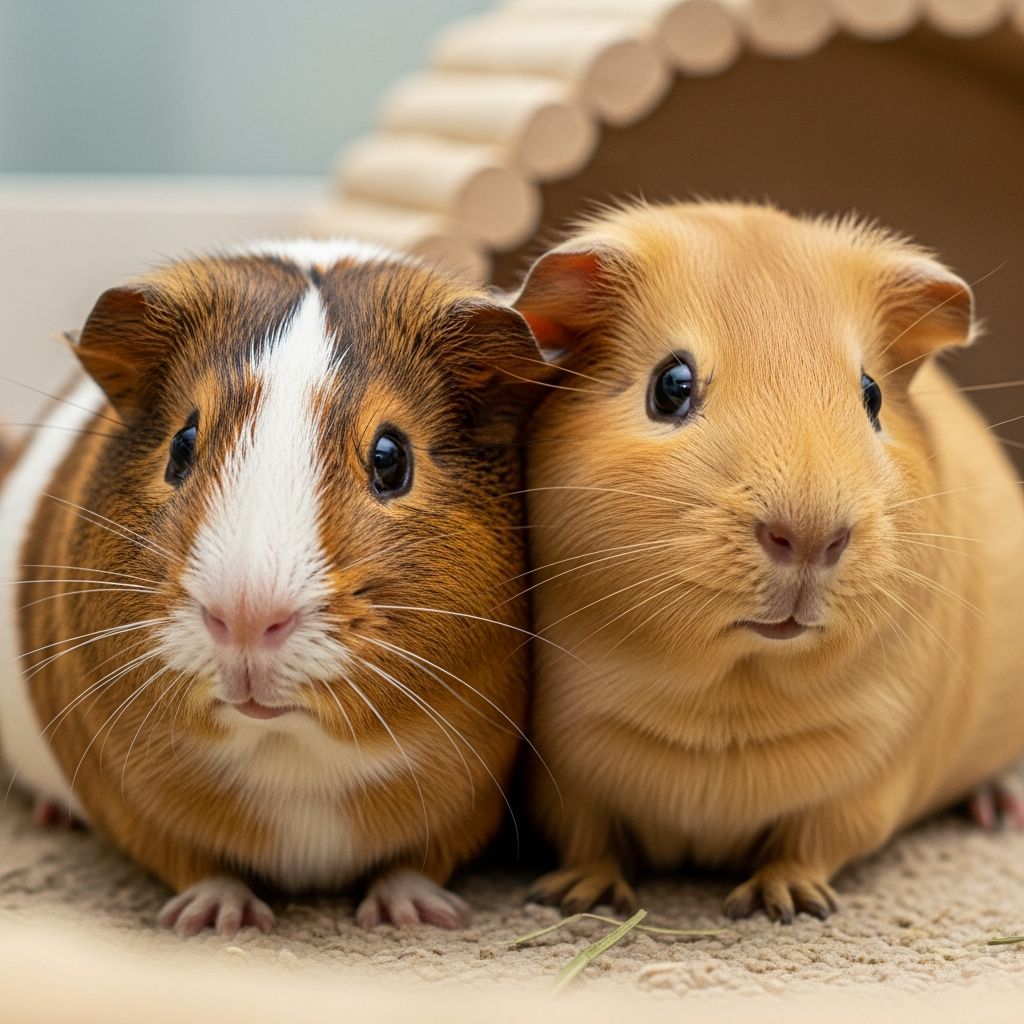
Owning Guinea Pigs: A Comprehensive Guide to Care and Responsibility
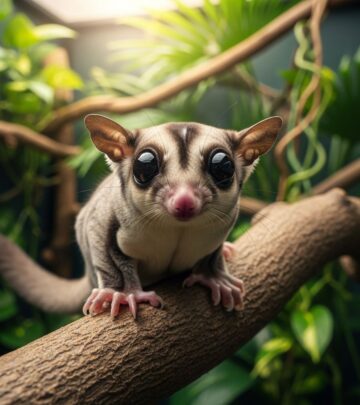
Guinea pigs are among the most popular small pets kept in households today, known for their social nature, gentle temperament, and engaging personalities. However, owning a guinea pig requires considerable commitment and knowledge to ensure your pet lives a long, healthy, and fulfilling life. Before bringing a guinea pig home, it’s essential to understand the various aspects of their care, from selecting a healthy animal to providing appropriate housing, nutrition, and veterinary attention. This comprehensive guide covers everything you need to know about guinea pig ownership.
Selecting Your Pet Guinea Pig
Choosing the right guinea pig is the first critical step in your journey as a guinea pig owner. When selecting your pet, whether from a pet store, breeder, or rescue organization, carefully observe the animal’s appearance and behavior.
Always avoid purchasing a guinea pig that appears sick or lethargic. A sick-looking guinea pig will likely have significant health issues that may be difficult or even impossible to resolve. The stress of a new environment combined with dietary changes can be overwhelming for an already compromised animal. Starting with a healthy, active guinea pig dramatically increases the chances of success and long-term companionship.
When visiting a pet store, ask employees for assistance in determining the guinea pig’s sex, as this is important for housing decisions and future planning. Keep in mind that not all pet store employees possess extensive knowledge about guinea pig care. Many pet stores provide educational materials and books about guinea pig care and nutritional requirements. Additionally, the Association of Exotic Mammal Veterinarians website offers valuable pet care information to help new owners make informed decisions.
Setting Up the Perfect Guinea Pig Home
Cage Size and Floor Requirements
Guinea pigs require more space than many people realize. While they are small animals, they are active and need adequate room to move, exercise, and express natural behaviors. The minimum recommended cage size is four square feet of floor space per guinea pig. For multiple guinea pigs, provide additional space to prevent overcrowding and territorial conflicts.
The cage floor must be solid, never wire. Wire flooring can cause foot injuries and infections, leading to serious health complications. A solid floor provides a safe surface for your guinea pig to walk and move freely.
Bedding and Environmental Setup
Proper bedding is essential for comfort and hygiene. Suitable bedding options include regular hay, straw, or shredded newspaper. These materials are absorbent, relatively dust-free, and comfortable for your pet. The bedding should be changed regularly to maintain a clean, hygienic environment.
Guinea pigs require hiding places, boxes, or tunnels within their cage to feel secure and safe. These enrichment features give your guinea pig spaces to retreat to, reducing stress and providing mental stimulation. A secure hideaway is particularly important as guinea pigs are prey animals in the wild and feel more secure when they have a refuge.
Temperature Control
Temperature regulation is crucial for guinea pig health. Guinea pigs are extremely sensitive to heat and can suffer from heatstroke if exposed to temperatures exceeding 80 to 85 degrees Fahrenheit. Place the cage in a temperature-controlled area away from direct sunlight, heating vents, air conditioning units, and drafty windows. Maintain a consistent, cool environment year-round to prevent health complications.
Guinea Pig Social Needs and Housing Multiple Animals
Guinea pigs are inherently social creatures that enjoy companionship. Multiple guinea pigs can be safely housed together in an appropriately sized enclosure. Interestingly, males and females can cohabitate indefinitely in the same cage.
However, new males may occasionally fight when introduced to a female, and older, more dominant animals may occasionally chew on the ears or hair of subordinate cage mates. Careful introduction and monitoring are necessary when housing multiple guinea pigs together. Before acquiring a second guinea pig, consider spaying females and neutering males to prevent unwanted reproduction and reduce territorial aggression.
Nutrition and Dietary Requirements
The Foundation: Hay
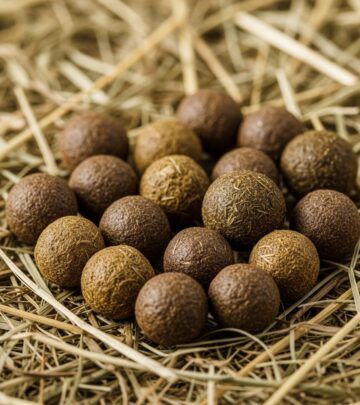
The cornerstone of a healthy guinea pig diet is unlimited access to timothy hay or other low-calcium hay varieties. Hay should be available throughout the day and night, as guinea pigs naturally graze and consume hay continuously. Hay provides essential fiber for digestive health and helps maintain proper dental health by promoting natural chewing and wear of teeth.
Pellets and Supplements
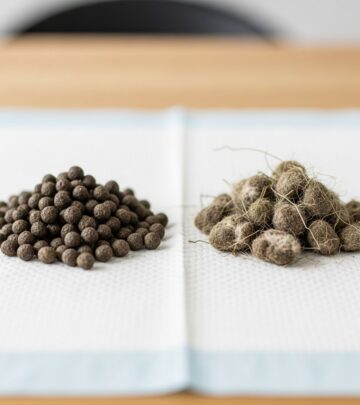
Guinea pig pellets should supplement the hay-based diet but not replace it. Select pellets specifically formulated for guinea pigs, as they contain added vitamin C essential for guinea pig health. Ensure pellets are grass hay-based rather than alfalfa-based. An adult guinea pig with moderate exercise levels requires approximately one-sixth to one-third cup of pellets daily, along with unlimited grass hay and fresh vegetables.
Fresh Vegetables and Fruits
Supplement the diet with a variety of fresh, well-washed leafy greens and colored vegetables. Priority vegetables include those high in vitamin C, such as bell peppers, tomatoes, turnips, collard greens, and asparagus. These fresh foods provide additional nutrients, fiber, and environmental enrichment through varied textures and flavors.
Critical Vitamin C Supplementation
The most critical aspect of guinea pig nutrition is vitamin C supplementation. Like primates and humans, guinea pigs cannot manufacture their own vitamin C and must obtain it through their diet. This unique requirement is vital because vitamin C is essential for normal development and maintenance of skin, joints, and mucosal surfaces like gums. It also plays an important role in wound healing.
A chronic lack of vitamin C leads to scurvy, a serious condition characterized by swollen joints, poor mobility, and skin infections. Guinea pigs require 10-50 mg of vitamin C daily, depending on their age, stress level, and health status. While vitamin C is available in fresh fruits and vegetables, guinea pigs cannot consume sufficient quantities daily to meet their requirements.
Therefore, all guinea pigs should receive a vitamin C tablet or liquid vitamin C administered directly by mouth daily. It’s important to note that vitamin C breaks down rapidly in water and loses potency quickly, so administering it through the drinking water is ineffective. Your veterinarian can recommend the appropriate dosage for your individual guinea pig.
Water Requirements
Fresh, clean water must be available at all times. Guinea pigs should have access to water through sipper tubes or bowls, and water must be changed daily. Guinea pigs often dirty their water with food debris, so regular monitoring and frequent water changes are necessary.
Veterinary Care and Health Monitoring
Initial Veterinary Examination
Within 48 hours of bringing your guinea pig home, schedule an examination with a veterinarian knowledgeable in exotic small mammal care. This first veterinary visit is critical and can prevent significant health problems. Many health issues in guinea pigs result from misinformation about their care. A proper initial examination helps prevent well-intentioned owners from inadvertently contributing to poor health and an inferior quality of life.
When selecting a veterinarian, seek one affiliated with the Association of Exotic Mammal Veterinarians (AEMV), as these professionals generally receive better training in rodent care and disease management. Make sure your chosen veterinarian has experience treating small mammals, as exotic pet medicine has become a specialized field, and many general practitioners lack comfort or knowledge in this area.
What to Expect During the First Visit
During the initial veterinary examination, your veterinarian will perform a thorough physical examination and evaluate your guinea pig’s weight and body condition. The examination includes assessment for signs of dehydration or malnutrition. Your veterinarian will perform a fecal test to check for intestinal parasites, which are common in newly acquired animals.
The veterinarian will also definitively determine your guinea pig’s sex, as this is important for future care decisions. A significant portion of the first visit involves education about your guinea pig’s dietary requirements and appropriate care practices, ensuring you have the knowledge to provide optimal care at home.
Ongoing Veterinary Care
After the initial examination, guinea pigs should have annual wellness examinations. As guinea pigs age, twice-yearly veterinary visits are recommended. During wellness exams, your veterinarian assesses overall health status and may recommend diagnostic tests such as blood work or radiographs to detect early disease. Some older guinea pigs may benefit from annual bloodwork to identify age-related health issues early.
Common Guinea Pig Health Issues
Guinea pigs are susceptible to various health conditions. Understanding common problems helps owners recognize warning signs and seek prompt veterinary care:
Vitamin C Deficiency (Scurvy): Results from inadequate vitamin C in the diet, causing swollen joints and poor mobility.
Respiratory Disease: Can develop from poor cage ventilation, temperature stress, or bacterial infection.
Dental Issues: Guinea pig teeth continually erupt and grow throughout their lives. Providing objects to chew on, such as untreated sticks or wooden toys, helps maintain proper tooth length and prevents overgrowth.
Gastrointestinal Issues: Improper diet or stress can cause digestive problems, bloating, or other GI complications.
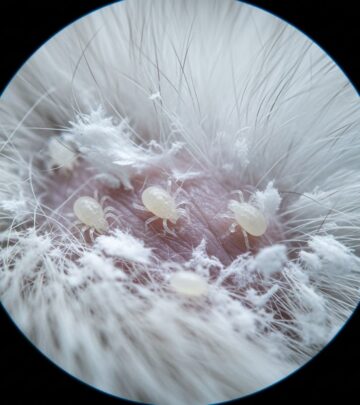
External Parasites: Mites and lice infestations require prompt veterinary treatment.
Footpad Infections: Can develop from wire cage flooring or poor hygiene.
Heatstroke: Results from exposure to temperatures exceeding 80-85 degrees Fahrenheit.
Reproductive Disease: Includes ovarian cysts and pregnancy complications, which can be prevented through spaying.
Other Conditions: Additional health concerns include eye infections, urinary tract disease, fungal skin disease, and diabetes.
Reproductive Considerations
Guinea pigs do not require vaccinations, but spaying females and neutering males should be considered, especially when keeping multiple animals together. Spaying and neutering reduce territorial aggression, prevent unwanted breeding, and eliminate reproductive health risks such as ovarian cysts and pregnancy complications. Discuss these surgical options with your veterinarian to determine if they are appropriate for your guinea pig.
Allergy Considerations
Before committing to guinea pig ownership, consider potential allergies. Some people experience allergic reactions to guinea pigs. If you’re considering adoption, spend time handling and playing with a guinea pig at a pet store, rescue organization, or owner’s home before making your final decision. Watch for signs of allergic reaction such as runny eyes, sneezing, hives, or irritated or itchy skin. If you develop allergic symptoms during or after handling a guinea pig, reconsider this choice of pet before bringing one into your home.
Frequently Asked Questions About Guinea Pig Ownership
Q: How long do guinea pigs live?
A: With proper care, guinea pigs typically live 5 to 7 years, and some may live longer. This extended lifespan represents a significant long-term commitment.
Q: Can guinea pigs be housed alone?
A: While guinea pigs can be housed alone, they are social animals and often thrive with a compatible companion. If housing a single guinea pig, provide extra interaction and enrichment.
Q: What is the minimum cage size for two guinea pigs?
A: Provide at least 8 square feet of floor space for two guinea pigs, allowing adequate room for both animals to move, exercise, and have separate areas if needed.
Q: Do guinea pigs need a wheel?
A: Guinea pigs do not need a traditional running wheel. Instead, provide a spacious cage that allows natural movement, tunnels for exploration, and hideaways for security.
Q: How often should the cage be cleaned?
A: Spot-clean the cage daily by removing soiled bedding, uneaten fresh food, and waste. Perform a complete cage cleaning weekly to maintain proper hygiene.
Q: Can guinea pigs eat pellets as their main diet?
A: No. Unlimited hay is the foundation of a guinea pig’s diet. Pellets are supplements only and should comprise a small portion of daily food intake.
Q: Should vitamin C be added to water?
A: No. Vitamin C degrades rapidly in water and loses effectiveness. Administer vitamin C directly by mouth as a tablet or liquid supplement daily.
Q: What vegetables can guinea pigs eat daily?
A: Safe daily vegetables include bell peppers, tomatoes, turnips, collard greens, and asparagus. Provide variety and ensure vegetables are thoroughly washed before serving.
References
- Owning a Rodent — VCA Animal Hospitals. 2024. https://vcahospitals.com/know-your-pet/rodents-owning
- New Small Mammal Veterinary Visit — VCA Animal Hospitals. 2024. https://vcahospitals.com/know-your-pet/new-small-mammal-veterinary-visit
- Owning a Guinea Pig — Texas Veterinary Medical Foundation. 2024. https://www.tvmf.org/articles/owning-guinea-pigs/
- Feeding Guinea Pigs — VCA Animal Hospitals. 2024. https://vcahospitals.com/know-your-pet/guinea-pigs-feeding
- Annual Veterinary Visit for Small Mammals — VCA Animal Hospitals. 2024. https://vcahospitals.com/know-your-pet/annual-veterinary-visit-for-small-mammals
- Guinea Pigs – Exotic and Laboratory Animals — Merck Veterinary Manual. 2024. https://www.merckvetmanual.com/exotic-and-laboratory-animals/rodents/guinea-pigs
Similar Articles






Read full bio of medha deb