Owning Box Turtles: Complete Care Guide
Learn everything about box turtle ownership, housing, care requirements, and health maintenance.
Understanding Box Turtle Ownership
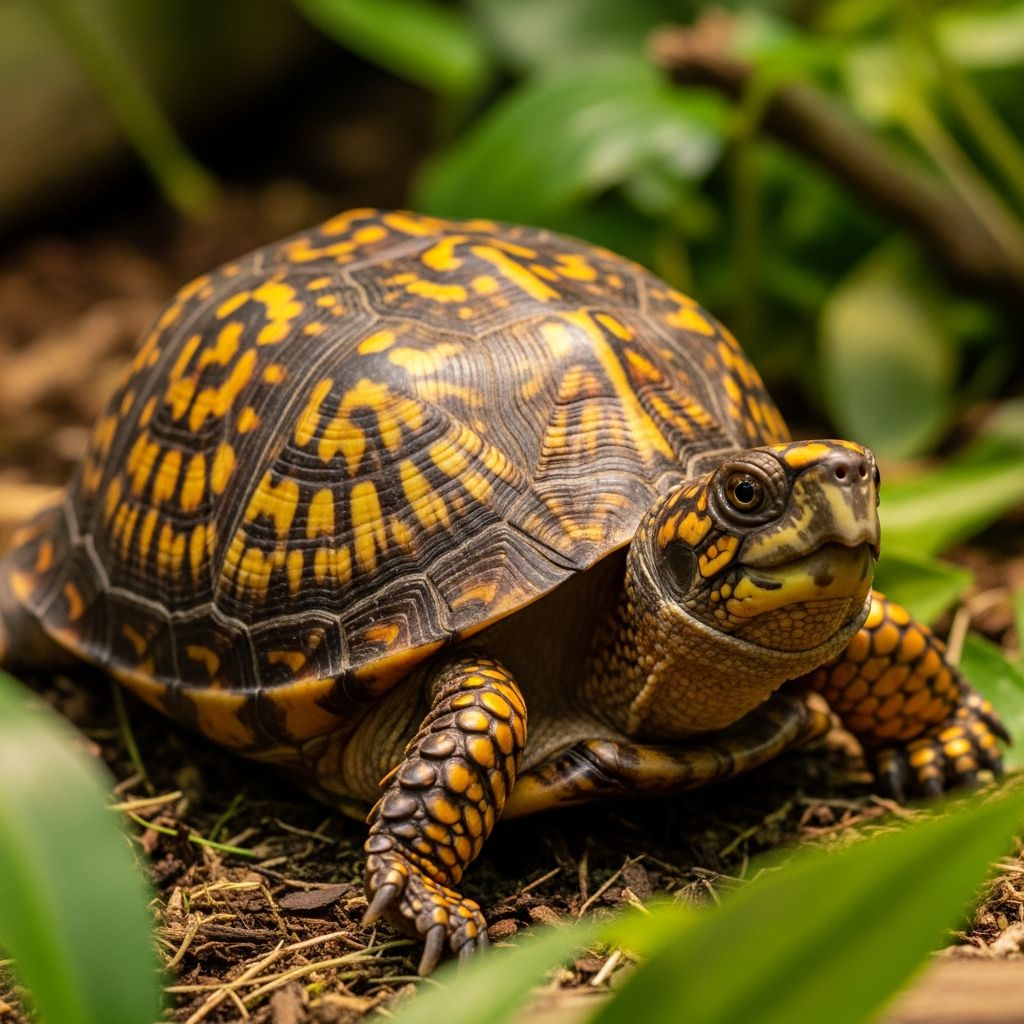
Box turtles make rewarding pets for those willing to provide proper care and attention. These shelled reptiles require specific environmental conditions, appropriate housing, and dedicated health management to thrive in captivity. Before bringing a box turtle into your home, it is essential to understand the commitment involved and ensure you can meet all their complex needs. Unlike many other pets, box turtles have a lifespan that can exceed 100 years, making them a long-term responsibility that demands careful planning and consistent care.
Young, captive-raised box turtles make the best pets, as they tend to be healthier and bond more readily with their owners compared to wild-caught specimens. When obtaining a box turtle, purchasing from reputable local breeders or established pet care facilities is recommended over collecting wild turtles, which disrupts natural populations and may introduce parasites or diseases.
Selecting a Healthy Box Turtle
Starting with a healthy turtle is crucial for successful long-term ownership. There are several indicators to observe when selecting your pet to ensure you are choosing a robust animal.
Physical Health Indicators
A healthy box turtle should display alertness and activity levels that indicate good physical condition. When handled, the turtle should feel substantial and “heavy,” and it should readily retract its head and limbs into its shell as a defensive response. Avoid turtles that appear inactive, lethargic, or show signs of distress.
Examine the eyes carefully—they should be open, bright, and alert. Sunken or closed eyes indicate dehydration, emaciation, starvation, or vitamin A deficiency. Any discharge from the nostrils or eyes is a warning sign of potential illness. The mouth should be free from mucoid discharge, and there should be no redness or pinpoint hemorrhages on the mucous membranes inside the mouth, which may indicate infectious stomatitis, commonly called “mouth rot.”
Inspect the shell thoroughly for smoothness and structural integrity. The shell should be hard and firm to the touch. A soft shell indicates disease or improper nutrition. Look for cracks, pits, missing scutes (the individual plates that make up the shell), or any obvious signs of infection such as discoloration or moldy growth. The vent area should be clean and free from accumulated stool.
Initial Veterinary Examination
All box turtles should be examined by a reptile-savvy veterinarian immediately after purchase or adoption. This initial examination establishes a baseline for your turtle’s health and identifies any existing medical issues.
During this visit, the veterinarian will perform a comprehensive physical examination, including palpating the abdomen just in front of the hind legs to check for organ swelling or abnormal masses. A fecal test should be conducted to check for gastrointestinal parasites, as parasitic infections are common in captive turtles. Some veterinarians routinely deworm all new pet turtles as a preventive measure.
The veterinarian will also inspect the mouth carefully for signs of infectious stomatitis and may recommend blood tests, cultures, or radiographs (X-rays) to check for other diseases if initial findings warrant further investigation. Typically, no vaccines are required for turtles, making preventive care and parasite management the focus of initial health assessment. Following this initial examination, box turtles should receive at least annual check-ups to monitor their ongoing health and development.
Indoor Housing Requirements
Box turtles may be housed indoors or outdoors, depending on environmental conditions and owner preference. For indoor housing, which is generally considered safer for the turtle, a 20-gallon aquarium is usually adequate as a starting point for a juvenile turtle. However, as the turtle grows, you will need to provide progressively larger accommodations.
Tank Size and Space
As your box turtle matures, you may need to provide a special room, part of a room, or a 60-gallon to 100-gallon aquarium to give the turtle ample floor space to walk around and explore. While bigger is generally better for providing enrichment and exercise opportunities, larger enclosures require more maintenance and management. The cage should be well ventilated and does not necessarily need a protective top unless it is required to keep other animals out or prevent the turtle from escaping.
Bedding Selection
Choosing appropriate bedding material is critical for maintaining a healthy environment. Care must be taken with plant-based bedding options such as alfalfa pellets, hay, or corn cob bedding, as these materials will grow mold in 2–3 days if they become wet. Cedar wood shavings should never be used as reptile bedding because they contain oils that are toxic to reptiles. Select bedding that maintains appropriate moisture levels and resists mold growth.
Water and Feeding Dishes
Provide a shallow dish or pan with a “ramp” next to it to help the box turtle easily climb in and out for soaking and drinking. Be sure to clean this dish daily, as turtles often defecate in it. A similar shallow, clean dish can be used to offer food. Regular cleaning of these items prevents bacterial growth and maintains water quality for your pet.
Temperature and Lighting Control
Proper temperature gradient is essential for box turtle health and digestion. The goal is to provide a warm basking area on one end of the enclosure and a cooler area at the opposite end, allowing the turtle to regulate its body temperature by moving between zones.
Heating Sources
Heat can be provided by a 100-watt incandescent bulb with a reflector hood or with a commercially available ceramic heat bulb designed for reptile tanks. Heat sources should be placed outside and above one end of the tank, positioned so that the turtle cannot directly contact them and accidentally get burned. A heating pad may also be placed under one end of the cage for extra warmth. Avoid hot rocks or “sizzle rocks,” as reptiles commonly sit on them and suffer burns.
At night when the turtle is sleeping, extra heat and light are not necessary if the temperature remains between 65°F and 70°F (18°C to 24°C). However, if nighttime temperatures drop below this range, supplemental heating should be provided to maintain the turtle’s health and metabolic function.
Ultraviolet Light Requirements
Regular exposure to natural, direct sunlight outside (unfiltered through glass) is ideal and recommended whenever climate conditions permit. Outdoor temperatures above 80°F (27°C) are best for proper ultraviolet (UV) radiation absorption. Be sure that when a turtle is outdoors, it is provided with a shaded area to escape from the sun if it chooses. Always supervise your turtle outside to prevent escape or attack from wild animals. For indoor turtles unable to access natural sunlight regularly, discuss appropriate UV lighting options with your veterinarian.
Outdoor Housing Considerations
If you choose to house your box turtle outdoors, the setup requires careful planning to ensure safety and proper environmental conditions.
Enclosure Design
The turtle should be contained within an escape-proof enclosure that protects against predators and household pets. Make sure a shaded area is provided to enable your turtle to cool off from the sun, as well as a hiding area to provide seclusion and shelter from rain. Turtles can dig out of enclosures, so it is highly recommended to bury fencing 6–12 inches (15 to 30 centimeters) deep around the perimeter or place bricks or rocks along the perimeter to prevent digging. The enclosure must be secure from all predators and other animals that might threaten your turtle.
Alternative Outdoor Housing
For turtles that are too small to climb out of standard enclosures, a children’s wading pool can be used as an outdoor container. Line the wading pool with reptile carpet along with grass, twigs, and other natural materials to create a naturalistic environment. The outdoor flooring must be spot-cleaned daily and changed often, as it will become soiled. Food and fresh water must always be available to your turtle.
If outdoor temperatures drop below 60°F (16°C), bring the box turtle indoors. Prolonged exposure to temperatures below this threshold can compromise the turtle’s immune system and digestive function, potentially leading to serious health issues.
Nutrition and Feeding
Box turtles are omnivorous, consuming both plant and animal matter in their diet. Proper nutrition is essential for maintaining shell integrity, supporting growth, and preventing metabolic diseases. The exact dietary requirements vary depending on the specific species of box turtle and individual age and health status. Consult your veterinarian to develop an appropriate feeding schedule and diet composition tailored to your specific turtle’s needs.
Feed your box turtle appropriately sized portions to prevent overfeeding and obesity. Most box turtles thrive on a varied diet that includes vegetables, fruits, and protein sources such as insects and occasionally small amounts of meat. Feeding should occur at regular intervals as recommended by your veterinarian, with uneaten food removed promptly to maintain enclosure cleanliness and prevent bacterial growth.
Health Maintenance and Disease Prevention
Ongoing health management is crucial for preventing illness and identifying problems early. Maintain consistent environmental conditions, provide appropriate nutrition, and perform regular health checks. Watch for signs of illness including changes in behavior, loss of appetite, unusual discharge, shell abnormalities, or difficulty moving.
Some common health issues in captive box turtles include respiratory infections, shell disease, parasitic infections, and nutritional deficiencies. Many of these conditions are preventable through proper housing, temperature control, nutrition, and sanitation. Early detection through regular veterinary care dramatically improves treatment outcomes.
Frequently Asked Questions
Q: What size tank does a box turtle need?
A: Start with a minimum 20-gallon aquarium for juveniles, but upgrade to a 60–100 gallon aquarium as the turtle grows. Larger spaces provide better opportunities for natural behaviors and exercise.
Q: Can box turtles live outdoors year-round?
A: This depends on your climate. Box turtles require temperatures above 60°F and appropriate environmental conditions. In cold climates, they must be brought indoors during winter months.
Q: How often should I take my box turtle to the veterinarian?
A: Schedule an initial examination immediately after purchase or adoption, then at least annual check-ups thereafter to monitor health and development.
Q: What bedding is safe for box turtles?
A: Avoid cedar and materials that mold easily when wet. Use dry substrates that resist moisture and mold growth. Consult your veterinarian for specific recommendations.
Q: Do box turtles need UV lighting?
A: Yes, regular exposure to natural sunlight or appropriate UV lighting is essential for calcium metabolism and shell health. Discuss options with your reptile veterinarian.
Q: How long do box turtles live?
A: Box turtles can live over 100 years with proper care, making them a significant long-term commitment for potential owners.
References
- Housing Box Turtles — VCA Animal Hospitals. 2024. https://vcahospitals.com/know-your-pet/turtles-box-housing
- Owning Aquatic Turtles — VCA Animal Hospitals. 2024. https://vcahospitals.com/know-your-pet/turtles—aquatic—owning
- Veterinary Care: New Reptile Visit — VCA Animal Hospitals. 2024. https://vcahospitals.com/know-your-pet/veterinary-care-new-reptile-visit
- Owning a Tortoise — VCA Animal Hospitals. 2024. https://vcahospitals.com/know-your-pet/owning-a-tortoise
- Choosing a Pet Reptile — VCA Animal Hospitals. 2024. https://vcahospitals.com/know-your-pet/reptiles—choosing
Similar Articles







Read full bio of Sneha Tete