

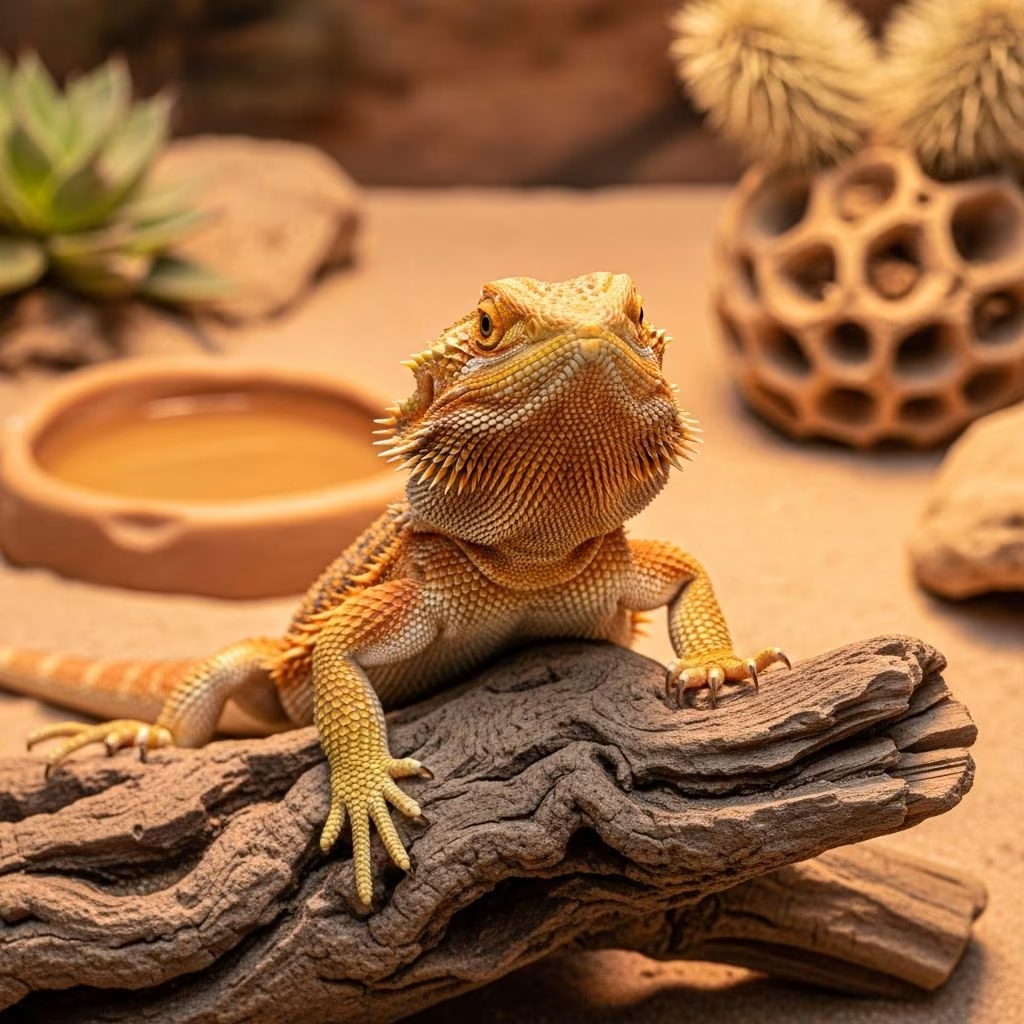
Owning a Bearded Dragon: Everything You Need to Know
Bearded dragons are fascinating and popular exotic pets that make wonderful companions for experienced reptile enthusiasts. Before bringing a bearded dragon into your home, it’s crucial to understand their specific care requirements, dietary needs, and behavioral characteristics. These fascinating creatures require dedicated attention, proper habitat setup, and consistent care to thrive in captivity. Whether you’re a first-time reptile owner or an experienced herp enthusiast, this comprehensive guide will provide you with all the information needed to successfully own and care for a bearded dragon.
Understanding Bearded Dragons as Pets
Bearded dragons are medium-sized lizards native to Australia that have become increasingly popular in the pet trade. They are known for their docile temperament, distinctive appearance with their characteristic beard-like throat pouch, and relatively manageable care requirements compared to other exotic reptiles. These intelligent creatures can live 10-15 years in captivity when properly cared for, making them a long-term commitment for pet owners. Bearded dragons are generally social animals that can tolerate handling, though they have individual personalities and preferences regarding human interaction.
Essential Habitat Setup and Space Requirements
Creating an appropriate habitat is fundamental to bearded dragon ownership. Adult bearded dragons require a minimum tank size of 40-gallon breeder tanks or larger enclosures, with 75-gallon tanks being more ideal for long-term comfort. Juveniles can start in smaller enclosures but will quickly outgrow them as they mature. The habitat should include multiple levels, climbing structures, and secure hide boxes to provide security and enrichment.
Substrate selection is important for maintaining proper humidity and facilitating natural behaviors. Suitable substrates include tile, paper products, or reptile-safe materials. Avoid cedar, pine, and other aromatic substrates as these can be toxic to bearded dragons. The enclosure should be equipped with sturdy branches or platforms at various heights, as bearded dragons are semi-arboreal and enjoy climbing and basking in elevated positions.
Temperature and Heating Requirements
Maintaining proper temperature gradients is essential for bearded dragon health and digestion. These reptiles are ectothermic and rely on environmental temperatures to regulate their body functions. Your bearded dragon’s habitat should include three distinct temperature zones:
| Temperature Zone | Temperature Range |
|---|---|
| Cool Side | 75-85°F (24-29°C) |
| Warm Side | 85-90°F (29-35°C) |
| Basking Spot | 95-100°F (35-38°C) |
| Nighttime | 68-74°F (20-23°C) |
Use ceramic heat emitters or heat tape with thermostats to maintain these temperature ranges. Install two thermometers—one on the cool side and one at the basking area—to accurately monitor temperatures throughout the day. During nighttime hours, if your enclosure temperature doesn’t drop below 68°F naturally, supplemental heating is not necessary.
Lighting and UVB Exposure
Proper lighting is critical for bearded dragon health and calcium metabolism. Bearded dragons require full-spectrum UVB lighting for 10-12 hours daily to synthesize vitamin D3 and properly absorb calcium from their diet. UVB lights should be replaced every six months as their potency decreases over time, reducing their effectiveness even though they may still produce visible light.
Reptisun 10.0 or Arcadia 12% UVB tubes are among the best options for bearded dragon care, providing optimal UVB output. Position UVB lights according to manufacturer guidelines regarding distance from your dragon, as improper placement can reduce effectiveness. Use an automatic timer to maintain a consistent 12-hour day/night cycle, which helps regulate your bearded dragon’s circadian rhythms and natural behaviors.
Humidity and Moisture Management
Bearded dragons prefer relatively dry environments with humidity levels between 30-50%. Mist the enclosure daily with warm water to maintain proper humidity and provide additional hydration opportunities. This gentle misting helps support healthy skin and aids in shedding cycles. Monitor humidity with a hygrometer to ensure levels remain within the recommended range, as excessive moisture can promote bacterial and fungal growth.
Hydration and Water Requirements
While bearded dragons get much of their hydration from food and misting, they still require access to fresh water. Provide a shallow water dish at all times that your dragon can soak in if desired. Additionally, offering weekly warm-water soaks provides multiple benefits including hydration, improved gastric motility, and easier shedding.
Fill a container with warm water (similar to bathwater temperature for a small child) deep enough for your bearded dragon to reach its chest but shallow enough to stand and walk comfortably. Soaking sessions should last 15-20 minutes, and you should never leave your bearded dragon unattended during soaks. For dehydrated dragons, daily soaking sessions are recommended to quickly restore proper hydration levels.
Complete Nutrition and Feeding Guidelines
Proper nutrition is essential for bearded dragon health, longevity, and proper development. Bearded dragons are omnivores with varying dietary needs based on age. Young bearded dragons (juveniles) are primarily carnivorous, while adult bearded dragons consume a more balanced diet with increasing vegetable content.
Feeding Schedule
Babies and juveniles require more frequent feeding to support rapid growth and development. They should be fed twice to three times daily with appropriately sized insects. Young bearded dragons can consume 20-60 small crickets daily depending on their age and size. As bearded dragons mature, feeding frequency decreases. Juveniles and adults should be fed once daily with a balanced mix of insects and vegetables.
Primary Protein Sources
Gut-loaded crickets and dubia roaches form the foundation of bearded dragon protein intake. Gut-loading involves feeding insects nutritious food before offering them to your dragon, effectively passing those nutrients along. Phoenix worms are excellent feeder insects due to their superior calcium-to-phosphorus ratio and extended shelf life. Occasional treats including mealworms, superworms, and waxworms can be offered in small amounts, though these should not comprise a significant portion of the diet.
Vegetable and Plant Matter
Fresh vegetables and greens should be offered daily to bearded dragons, particularly adults. Juvenile dragons will consume some vegetables but prioritize insects first. Recommended vegetables include dark leafy greens, squash varieties, and other nutrient-dense produce. Lightly misting vegetables with water helps maintain freshness and provides additional hydration. Always avoid wild-caught insects, which may carry parasites or pesticide contamination that can seriously harm your bearded dragon.
Supplementation Requirements
All insects should be dusted with nutritional supplements before feeding. Calcium with vitamin D3 should be applied 4-5 times weekly for juveniles and 2-3 times weekly for adults. Additionally, all insects should be dusted with a multivitamin supplement twice weekly. Multivitamin powder can be sprinkled on vegetables once every two weeks as a supplement, but live insects and vegetables should never be your sole feeding method.
Cleaning and Habitat Maintenance
Maintaining a clean habitat is crucial for preventing bacterial and fungal infections. Spot-clean the enclosure daily by removing soiled substrate, discarded food, and droppings. Water and food dishes require daily washing to prevent bacteria accumulation. A complete habitat disinfection should occur at least once weekly, or more frequently if multiple bearded dragons share the same space.
To properly clean your bearded dragon’s habitat, move your dragon to a secure temporary location. Remove all old substrate, decorations, and accessories. Scrub the empty tank and furnishings with a reptile habitat cleaner or 3% bleach solution, allowing the bleach to remain for at least 10 minutes to ensure proper disinfection. Thoroughly rinse all surfaces multiple times until no bleach smell remains, then allow everything to dry completely before reassembling the habitat.
Shedding and Skin Care
Bearded dragons shed their skin regularly as part of their natural growth cycle. Maintaining proper humidity levels between 30-50% encourages healthy shedding cycles. Regular warm-water soaks assist in the shedding process and help prevent stuck shed, which can lead to complications. Stuck shed most commonly occurs on the toes and tail tip; if you notice retained shed not shedding naturally, gentle soaking and monitoring are recommended. If stuck shed persists or causes mobility issues, veterinary consultation is appropriate.
Handling and Socialization
Bearded dragons are generally docile and tolerant of handling when properly socialized. When handling your bearded dragon, always support their entire body from underneath, particularly supporting the fore and hind limbs to prevent injury. Avoid squeezing or holding them too tightly, as this can cause stress and potential injury. Begin with short handling sessions and gradually increase duration as your dragon becomes accustomed to interaction.
Always wash your hands thoroughly before and after handling your bearded dragon or touching their habitat contents, as all reptiles are potential carriers of infectious diseases including Salmonella.
Health Care and Veterinary Requirements
Regular veterinary care is essential for maintaining your bearded dragon’s health. Bearded dragons should receive annual veterinary check-ups with a qualified exotic veterinarian. Ideally, health assessments should occur every 6-12 months to monitor for potential health issues.
During veterinary visits, bring a fecal sample (fresh or collected by your veterinarian) and take photos of your enclosure, heating equipment, lighting, and your dragon’s typical diet to share with your veterinarian. This information helps your veterinarian provide comprehensive care recommendations and identify any potential environmental or nutritional issues affecting your dragon’s health.
Common Health Concerns and Warning Signs
Contact your reptile veterinarian immediately if you notice any of the following warning signs:
- Loss of appetite or refusing food
- Lethargy or unusual inactivity
- Swollen or discolored limbs
- Difficulty moving or paralysis
- Abnormal droppings or diarrhea
- Respiratory distress or wheezing
- Retained shed causing mobility issues
- Swelling around the mouth or eyes
- Discharge from nostrils or mouth
Frequently Asked Questions About Bearded Dragon Ownership
Q: How long do bearded dragons live?
A: Bearded dragons typically live 10-15 years in captivity when provided with proper care, adequate nutrition, appropriate habitat conditions, and regular veterinary check-ups.
Q: Can bearded dragons be housed together?
A: Adult bearded dragons are territorial and should be housed separately to prevent aggression and stress. Juveniles can sometimes be housed together temporarily, but separation is still recommended to ensure each dragon receives adequate food and resources.
Q: What is the ideal temperature for a bearded dragon enclosure?
A: Bearded dragons require a temperature gradient with a cool side of 75-85°F, a warm side of 85-90°F, and a basking spot of 95-100°F. Nighttime temperatures should remain between 68-74°F.
Q: How often should I clean my bearded dragon’s habitat?
A: Spot-clean daily by removing soiled substrate and discarded food. Perform a complete habitat cleaning and disinfection at least weekly, or more frequently if multiple dragons share the enclosure.
Q: Can bearded dragons eat vegetables?
A: Yes, bearded dragons require vegetables, especially as they mature. Adults should eat more vegetables than juveniles. Offer fresh, dark leafy greens and squash varieties daily as part of a balanced diet.
Q: What supplements do bearded dragons need?
A: Bearded dragons require calcium with vitamin D3 dusted on insects 4-5 times weekly for juveniles and 2-3 times weekly for adults. All insects should also receive multivitamin powder dusting twice weekly.
Q: Do bearded dragons require UVB lighting?
A: Yes, UVB lighting is essential for vitamin D3 synthesis and calcium absorption. Provide 10-12 hours of UVB lighting daily using appropriate bulbs like Reptisun 10.0 or Arcadia 12%, replacing bulbs every six months.
Q: What should I do if my bearded dragon has stuck shed?
A: Offer warm-water soaks for 15-20 minutes to help loosen stuck shed. Maintain proper humidity levels between 30-50%. If stuck shed persists or affects mobility, consult your exotic veterinarian.
References
- Bearded Dragon Care Guide — PetSmart. Accessed 2025. https://www.petsmart.com/learning-center/reptile-care/bearded-dragon-care-guide/A0015.html
- Bearded Dragon Care Sheet — PetMD. Accessed 2025. https://www.petmd.com/reptile/bearded-dragon-care-sheet
- Bearded Dragon Care Sheet — BeardedDragon.org. Accessed 2025. https://www.beardeddragon.org/resources/bearded-dragons-care-sheet.1/
- Bearded Dragon Care Sheet — The Unusual Pet Vets. July 2020. https://www.unusualpetvets.com.au/wp-content/uploads/2020/07/bearded-dragon-care-sheet.pdf
- Bearded Dragon Care Guide — Long Island Avian and Exotic Vet Clinic. Accessed 2025. https://www.birdexoticsvet.com/bearded-dragon-vet
- How To Care For Your Bearded Dragon — RSPCA. Accessed 2025. https://www.rspca.org.uk/adviceandwelfare/pets/other/beardeddragon



