Owning a Tortoise: Complete Care Guide
Learn essential tortoise care, housing, diet, and health requirements for long-term pet ownership.
Owning a Tortoise: A Complete Care and Keeping Guide
Tortoises can make wonderful, long-lived companions for dedicated pet owners who understand their unique needs and commit to their care throughout their entire lifespan. Unlike many other pets, tortoises require specialized environmental conditions, species-appropriate diets, and consistent veterinary attention. Before bringing a tortoise home, potential owners should thoroughly research their chosen species and prepare adequate space, heating, lighting, and nutrition sources. With proper care and attention to detail, a tortoise can thrive in captivity for many decades, providing companionship and unique opportunities to observe reptilian behavior up close.
Understanding Tortoise Species and Lifespans
The first step in tortoise ownership is selecting an appropriate species for your climate and lifestyle. Different tortoise species originate from various regions around the world, each with distinct care requirements and lifespans. Red-footed tortoises, for example, can live at least 50 years with proper care, while Sulcata tortoises may live as long as 80 years or more. This long-term commitment is essential to consider before acquiring a tortoise, as these reptiles require dedicated care for decades.
Common pet tortoise species include Sulcatas, Russian tortoises, red-footed tortoises, and leopard tortoises. Each species has evolved adaptations to specific environmental conditions—some from arid deserts, others from humid tropical forests, and still others from temperate zones. Understanding your specific tortoise’s origin is crucial for replicating appropriate living conditions in captivity.
Housing and Enclosure Requirements
Outdoor Enclosures
A secure outdoor enclosure is ideal for most tortoise species, particularly those kept in regions with suitable climates. Outdoor enclosures should have walls that are at least twice as tall as the tortoise is long to prevent escape attempts. Additionally, the enclosure should be covered with bird netting or other protective material to prevent predator intrusion from above. Tortoises are excellent diggers, so fencing should be buried one to two feet underground to prevent them from tunneling out of their enclosure.
The necessary size of the enclosure depends on the adult size of your tortoise species. For a Sulcata tortoise, an enclosure of at least 12 feet by 12 feet is recommended as a minimum. Larger spaces are always preferable, as they allow tortoises to engage in natural behaviors and maintain physical fitness.
Indoor Enclosures
Smaller tortoise species, such as Russian tortoises and hatchlings, may be kept indoors if given proper heating and lighting. The minimum recommendation for indoor space is 1.0 square meters per 0.1 meter of the length of the tortoise’s top shell. As a general rule, enclosures should be at least 8 times the length of the tortoise on each side—for example, a 4-inch tortoise needs at least 32 feet by 32 feet of floor space. While this may seem excessive, it reflects the space requirements necessary for tortoise health and natural movement patterns.
Species-Specific Housing Considerations
Different tortoise species require different substrate and humidity levels based on their natural habitats. Grassland, desert, and temperate tortoises should be provided with water for drinking, and their substrate should consist mostly of sand or grass. Humid and tropical species require a shallow pond and moist soil or mulch substrate to provide extra humidity. In winter, when temperatures drop below 65°F, supplemental heating must be provided, or the tortoise should be brought indoors. Species that hibernate naturally may be kept outdoors during winter months.
Heating and Lighting Requirements
Environmental conditions, particularly temperature, humidity, UV lighting, and photoperiod, are extremely important for tortoise health. In outdoor enclosures, the sun provides necessary UV light and heat naturally. However, indoor tortoises require artificial heating and lighting to survive and thrive.
Indoor heat should be provided through a basking lamp, with thermometers placed at each end of the enclosure to monitor temperature accurately. The temperature at the warm end should reach between 85-95 degrees Fahrenheit for most tortoise species. UV light should be provided through a separate UV bulb that emits both UV-A and UV-B light, as both spectrum ranges are essential for proper calcium metabolism and overall health.
The photoperiod, or the amount of light exposure each day, should mimic natural seasonal patterns for your tortoise’s native region. Most tortoise species benefit from 12 hours of light and 12 hours of darkness daily, though this can be adjusted seasonally if desired.
Dietary Requirements and Nutrition
General Feeding Guidelines
All tortoise species are herbivores, meaning their diets consist entirely of plant-based foods appropriate to their specific species. The main components of a good tortoise diet include hay, grasses, greens, and vegetables. Species-appropriate diet is crucial for maintaining a healthy tortoise. Depending on species origin, the diet may consist of different proportions of these food categories.
Recommended Foods by Category
Hay and Grasses: Good-quality timothy hay, clover, or coastal hay form the foundation of most tortoise diets. Fresh grass clippings are excellent additions, provided they have not been treated with pesticides or herbicides.
Greens and Leafy Vegetables: Dark green lettuces and greens such as romaine, collard greens, mustard greens, and endive should be offered regularly.
Vegetables and Fruits: Green beans, squash, carrots, prickly pear cactus pads, and melons provide variety and nutrition.
Species-Specific Dietary Ratios
The specific proportions of hay, vegetables, fruits, and protein foods vary by species origin:
- Grassland and Desert Species: 90% hay and grasses, 10% fruit and vegetables. Little to no high-protein foods should be offered.
- Temperate Species: 80% hay and grasses, 15-20% vegetables and fruit, and up to 5% high-protein food.
- Humid and Tropical Species: 70% hay, grasses, and greens, 20% mixed fruits and vegetables, and up to 10% high-protein foods. Some tropical species may even consume small amounts of meat or pinkie mice.
Vitamins and Supplements
Supplementation is essential for captive tortoises to prevent nutritional deficiencies. A calcium supplement such as Reptical should be sprinkled on food two to three times per week. A multivitamin supplement such as Nekton-Rep or Reptivite should be offered once weekly. These supplements help prevent metabolic bone disease and other nutritional disorders common in captive reptiles.
Water and Hydration
Even though tortoises are terrestrial animals, they need regular access to water and may require regular soaking or baths to stay properly hydrated. Water bowls should be provided for drinking, and the water should be changed daily to maintain cleanliness. Soaking your tortoise in lukewarm water for 15-30 minutes several times per week promotes hydration and encourages natural behaviors such as defecation.
Hibernation
Temperate tortoise species need a period of hibernation to remain healthy and to breed successfully. These species can be hibernated simply by keeping them outdoors year-round and not providing supplemental heat during winter months. During hibernation, tortoises enter a dormant state where their metabolism slows dramatically, allowing them to survive months without food or water. This natural cycle is essential for their long-term health and reproductive success.
Before attempting hibernation, consult with a reptile veterinarian to ensure your tortoise is healthy enough for this dormancy period. Only well-nourished, disease-free tortoises should be hibernated, as the process places significant physiological stress on the animal.
Veterinary Care and Health Monitoring
Regular Veterinary Examinations
Tortoises should visit a veterinarian at least annually for a complete physical examination, including bloodwork, fecal testing, and sometimes X-rays and other imaging. Within 48 hours of acquiring a new tortoise, you should have it examined by a veterinarian familiar with reptile medicine and care. These initial and ongoing examinations are critical for early detection of health problems and prevention of serious illnesses.
Behavioral Monitoring
Tortoises are excellent at hiding illness, which is why owners should pay close attention to subtle changes in behavior, temperament, appetite, activity level, or elimination patterns. Such changes could indicate an underlying illness requiring veterinary intervention. Regular observation of your tortoise’s habits helps you notice problems early when treatment is most effective.
Common Health Issues
Common tortoise illnesses include respiratory infections, shell diseases, metabolic bone disease, parasitic infections, and digestive problems. Respiratory infections may present with wheezing, discharge from the nose or mouth, or lethargy. Shell diseases can manifest as discoloration, softening, or unusual growths. Metabolic bone disease results from improper calcium, phosphorus, or vitamin D3 balance and can cause shell deformities and weakness.
Selecting a Healthy Tortoise
When acquiring a tortoise, young captive-raised animals make the best pets, as they tend to be healthier and bond more readily with their owners. Avoid purchasing or adopting tortoises that have sunken or closed eyes, discharge from nostrils or eyes, or appear inactive or lethargic. Eyes that are sunken into the head often indicate dehydration, emaciation, starvation, or vitamin A deficiency.
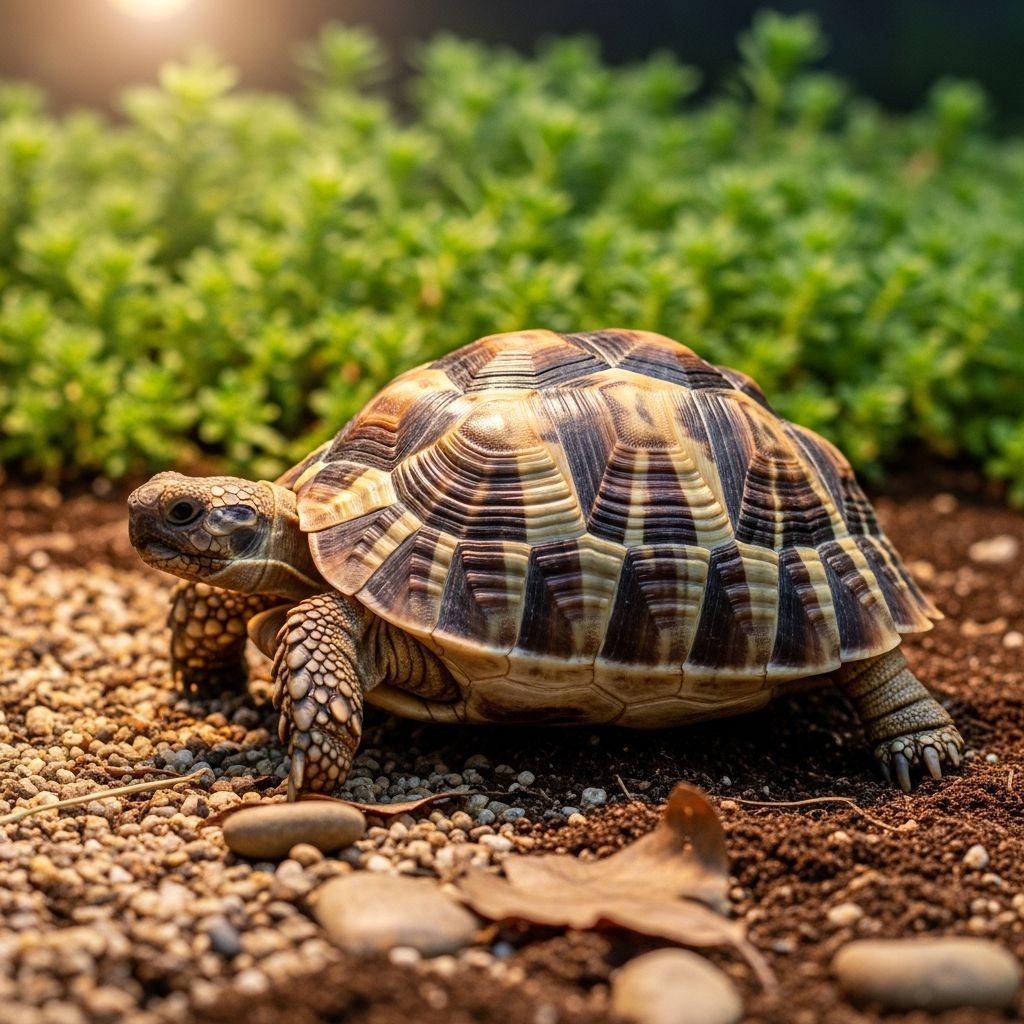
A healthy tortoise should be active and alert, feel “heavy” when held, and retract its head and limbs into its shell when handled. The shell should be smooth, hard, and free from cracks, pits, missing scutes, or signs of infection such as discoloration or moldy growth. The vent should be clean and free of accumulated stool, and there should be no mucoid discharge from nostrils or mouth.
Preventing Common Tortoise Diseases
Salmonellosis Prevention
Prevention through proper hygiene is the best way to prevent Salmonellosis, a bacterial infection transmissible to humans. Properly clean and disinfect the tortoise’s tank every time it is soiled, and clean up all feces right away. Have a dedicated area for cleaning reptile items, separate from the area where human items are cleaned. Most importantly, wash your hands thoroughly with disinfectant soap after handling your tortoise, feeding it, or cleaning its cage items. Since most turtles and tortoises that carry Salmonella bacteria are not clinically ill, they usually require no treatment, but preventing transmission to humans is essential.
Optimal Environment and Diet
The best way to prevent illness in your tortoise is to ensure it receives an optimal environment and diet. Providing correct temperatures, humidity levels, UV lighting, species-appropriate food, and regular veterinary care will minimize the risk of health problems and promote a long, healthy life.
Initial Veterinary Visit Checklist
When you bring your new tortoise to the veterinarian for its initial examination, the visit should include:
- Thorough discussion of proper feeding, housing, and care specific to your tortoise species
- Complete physical examination of the tortoise
- Fecal testing to check for gastrointestinal parasites
- Examination of the mouth for signs of infectious stomatitis (“mouth rot”)
- Abdominal palpation to check for organ swelling or abnormal masses
- Blood tests, cultures, or X-rays if deemed necessary
- Discussion of warranty or health guarantee policies
It is highly recommended that you bring a fresh fecal sample to the initial veterinary visit to facilitate parasite testing.
Frequently Asked Questions (FAQs)
Q: How long do pet tortoises live?
A: Tortoise lifespan varies by species. Red-footed tortoises can live at least 50 years with proper care, while Sulcata tortoises may live as long as 80 years or more. Some tortoises can live over 100 years in optimal conditions.
Q: Can tortoises be kept indoors?
A: Yes, smaller tortoise species such as Russian tortoises can be kept indoors if provided with proper heating, lighting, and adequate space. However, outdoor enclosures are ideal for most tortoise species when climate permits.
Q: What temperature should my tortoise’s enclosure be?
A: The warm end of the enclosure should reach between 85-95 degrees Fahrenheit for most tortoise species. Cooler areas should also be available to allow thermoregulation.
Q: How often should I feed my tortoise?
A: Young tortoises should be fed daily, while adults can typically be fed every other day. The specific feeding schedule may vary by species and age; consult your veterinarian for species-specific recommendations.
Q: Do tortoises need to hibernate?
A: Temperate tortoise species require hibernation to remain healthy and breed successfully. This can be achieved by keeping them outdoors year-round without supplemental heat during winter. Desert and tropical species typically do not require hibernation.
Q: How can I prevent my tortoise from escaping its enclosure?
A: Enclosure walls should be at least twice as tall as your tortoise is long, and fencing should be buried one to two feet underground to prevent digging out.
Q: What signs indicate my tortoise is sick?
A: Watch for changes in behavior, appetite, activity level, or elimination patterns. Physical signs include sunken eyes, discharge from nose or mouth, soft shell, or lethargy.
Q: How often should my tortoise see a veterinarian?
A: Tortoises should visit a veterinarian at least annually for a complete physical examination, including bloodwork and fecal testing.
Conclusion
Tortoise ownership is a rewarding experience for those prepared to meet these remarkable reptiles’ unique needs. By providing appropriate housing, correct environmental conditions, species-specific diet, and regular veterinary care, you can ensure your tortoise thrives throughout its long life. The commitment required for tortoise ownership extends decades, making it essential to thoroughly research and prepare before bringing a tortoise home. With dedication to proper care and attention to detail, your tortoise can become a cherished companion that provides years of enjoyment and insight into the fascinating world of reptilian biology and behavior.
References
- Tortoises Care Guide — Winter Park Veterinary Hospital. 2024. https://wpvet.com/exotic-pets-care-guides/tortoises/
- The Tortoise and Its Care — University of Illinois College of Veterinary Medicine. 2024. https://vetmed.illinois.edu/pet-health-columns/the-tortoise-and-its-care/
- Owning Aquatic Turtles — VCA Animal Hospitals. 2024. https://vcahospitals.com/know-your-pet/turtles—aquatic—owning
- Owning Box Turtles — VCA Animal Hospitals. 2024. https://vcahospitals.com/know-your-pet/turtles-box-owning
- Veterinary Care: New Reptile Visit — VCA Animal Hospitals. 2024. https://vcahospitals.com/know-your-pet/veterinary-care-new-reptile-visit
Similar Articles








Read full bio of medha deb