Owning a Ferret: Complete Guide to Care & Ownership
Master ferret ownership with expert guidance on selection, care, housing, diet, and veterinary needs.
Owning a Ferret: A Comprehensive Guide to Care and Ownership
Ferrets are fascinating, intelligent, and energetic members of the weasel family that can make excellent pets for the right owner. These curious and playful creatures require specific care, attention, and commitment to thrive in a domestic environment. Whether you’re considering adopting your first ferret or expanding your ferret family, understanding the fundamentals of ferret ownership is essential for ensuring your pet’s health, happiness, and longevity.
Selecting Your Pet Ferret
Before bringing a ferret into your home, it’s important to understand the legal and practical considerations involved in ferret ownership. In some municipalities, it is illegal to own a pet ferret due to concerns about potential attacks on people, particularly young children, as ferrets can be aggressive and nippy. Additionally, escaped ferrets could potentially establish themselves in the wild, creating ecological concerns. Therefore, your first step should be verifying that ferret ownership is legal in your area.
If ferret ownership is permitted where you live, you can acquire a ferret through several channels: pet stores, breeders, or animal rescue organizations. When selecting your pet ferret, consider adopting a young ferret whenever possible, as younger animals adapt more readily to new homes and environments.
What to Look for When Choosing a Ferret
When evaluating a potential pet ferret, conduct a thorough health assessment. Look for the following characteristics:
– Clear eyes and nose free from any discharge that might indicate distemper or respiratory infection- A curious and inquisitive temperament- Healthy body weight—the ferret should not appear thin or emaciated- No wetness around the anus, which could indicate diarrhea or other digestive issues- Clean skin free from external parasites such as fleas- Light pink gums and no broken teeth, discolored gums, or sores around the mouth
Before finalizing your purchase, inquire whether the ferret has been spayed or neutered and descented. Most ferrets available through reputable sources in the United States come from Marshall Farms and should already have been desexed, descented, and given their first distemper vaccination prior to adoption.
Understanding Spaying and Neutering
Surgical sterilization is highly recommended for pet ferrets unless you specifically intend to breed them. There are important health and behavioral reasons for this recommendation.
Intact male ferrets have a very strong musky odor and tend to display more aggressive behavior. Intact female ferrets present even more serious health concerns. Once female ferrets reach sexual maturity, they remain in estrus (heat) unless bred. This prolonged heat condition can result in bone marrow suppression from elevated estrogen levels. If this condition is not treated early and aggressively, it can be fatal. For more detailed information about reproductive disease in ferrets, consult your veterinarian or reliable care guides.
Housing Your Ferret
Creating an appropriate living environment is crucial for your ferret’s physical and mental well-being. Ferrets are active, curious animals that require adequate space and enrichment to thrive.
Cage Requirements and Setup
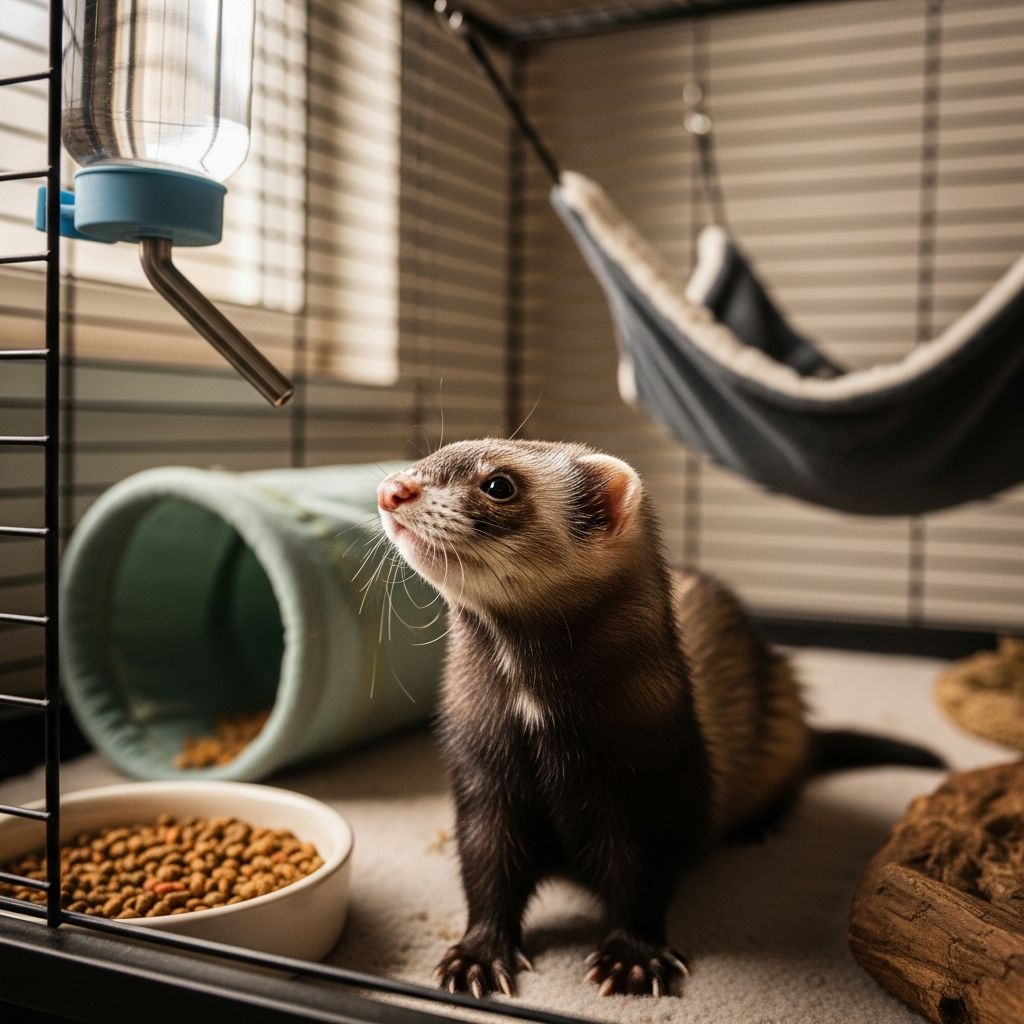
Your ferret’s enclosure should be as large as you can accommodate. As a general guideline, a single ferret requires a cage that is at least 6 cubic feet in size. For each additional ferret, add the same amount of space, so three ferrets would need approximately 18 cubic feet. The cage should feature multiple levels to accommodate your ferret’s natural climbing instincts and love of exploration.
Choose a cage made of metal with closely spaced bars to prevent escapes. Avoid plastic and wood cages, as ferrets can chew through these materials. Wire cages that provide excellent ventilation are ideal for ferret housing.
Flooring and Bedding
Cover all floors and ramps made of wire with soft material such as fleece to prevent your ferret from injuring themselves. You can use old towels, T-shirts, newspapers, or washable rugs and vinyl flooring to line the bottom of the cage. Never use pine or cedar chips as substrate, as these materials can cause serious respiratory problems.
Provide soft, comfortable bedding for hiding and sleeping. Ferrets appreciate hammocks, small den areas, and other cozy spaces where they can retreat and rest securely.
Essential Cage Features
Your ferret’s habitat should include several important features for comfort and hygiene:
– A litter box (ferrets can be trained to use pellet litter)- Perches and climbing structures- Hammocks and sleeping areas- Multiple hiding spots and den-like spaces- Adequate ventilation without direct sunlight exposure
Ensure that the habitat is positioned away from direct sunlight and extreme temperature fluctuations. Ferrets are sensitive to heat and do not tolerate hot environments well.
Diet and Nutrition
Proper nutrition is fundamental to maintaining your ferret’s health and energy levels. Ferrets have unique dietary requirements that differ significantly from dogs and cats.
Nutritional Requirements
Ferrets are obligate carnivores, meaning their diet must primarily consist of meat-based nutrition. A good quality ferret diet should contain 32-40% protein and 10-15% fat. Ferrets cannot handle a diet containing more than 4% fiber, as their digestive systems are specifically adapted for high-protein, meat-based foods.
Commercial ferret pellet food specifically formulated for ferrets contains all the vitamins and nutrients your pet needs to maintain optimal health. These specialized diets are preferable to generic small animal foods, which may not meet ferrets’ specific nutritional requirements.
Treats and Supplements
When offering treats, provide them sparingly and choose high-quality options. Small pieces of cooked chicken or turkey make excellent healthy treats. Avoid store-bought treats that are full of fillers and artificial ingredients, as well as sugary or carbohydrate-heavy snacks that can cause digestive upset.
Always ensure your ferret has access to fresh water. Ferrets have short gastrointestinal tracts, so they need frequent access to food and water throughout the day.
Hazards and Home Safety
Ferrets are naturally curious and mischievous animals that can get into unexpected trouble. Comprehensive ferret-proofing is absolutely essential for keeping your pet safe.
Critical Choking and Ingestion Hazards
Ferrets love to chew, and they will investigate virtually anything in their environment. All foam, plastic, and rubber objects must be kept completely out of reach, including:
– Shoe inserts- Earplugs- Children’s and pet toys- Erasers- Rubber bands- Balloons- Speaker foam- Headphone foam- Swim goggle liners
If a ferret swallows these materials or objects, it can cause a gastrointestinal obstruction or blockage. Depending on the severity and duration of the blockage, this condition may require surgery to remove the obstruction, or in prolonged cases, can cause the death of the ferret. Contact your veterinarian immediately if you notice loss of appetite, hypersalivation, diarrhea, or abdominal pain, as these may indicate an obstruction.
General Home Safety
Ferret-proof your home by taking steps similar to those you would take for a small child, with additional precautions specific to ferrets’ behavior. Keep potential choking, strangling, and poisoning hazards out of reach. Ferrets are known for snatching items and stashing them away for future use, so secure loose items and keep your home organized and hazard-free.
Veterinary Care
Regular professional veterinary care is absolutely critical for maintaining your ferret’s health and detecting diseases early.
Initial Veterinary Examination
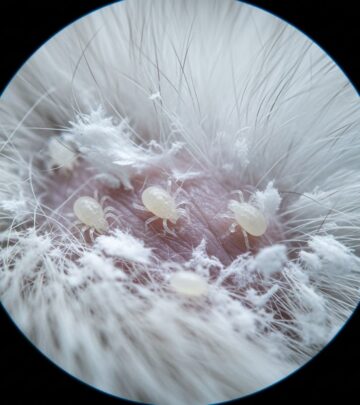
Your ferret should be examined by a veterinarian within 48 hours of purchase or adoption. This initial visit is often required by the seller, and failure to comply may void any health guarantees. During this examination, your veterinarian will discuss proper diet, housing, enrichment, and general care recommendations for your ferret. Your veterinarian will also check your ferret’s ears for ear mites and may obtain a fecal sample to screen for worms and other intestinal parasites. Depending on risk factors in your area, your ferret may be started on heartworm preventative medication at this time.
Ongoing Veterinary Care
At minimum, your ferret will require a veterinary examination at least once per year. During annual visits, your veterinarian will perform a fecal test for internal parasites and administer booster vaccinations as recommended.
For ferrets three years of age and older, a complete geriatric workup is highly recommended on at least an annual basis. This comprehensive evaluation includes:
– Electrocardiogram (EKG)- Urinalysis- Blood testing- Radiographs (X-rays)
Early detection of diseases commonly seen in older ferrets is essential for maintaining quality of life. These conditions include cardiomyopathy, hypoglycemia, and cancer.
Vaccinations and Preventative Care
Ferrets need to be caught up on vaccinations against rabies and ferret distemper virus. A heartworm preventative program should also be established based on your geographic location and risk factors. It is essential to work with a veterinarian who has experience treating small mammals and exotic pets, as ferret medicine has become a specialized field within veterinary practice. Many general practitioners do not have the knowledge or comfort level to provide optimal ferret care. Ask about your veterinarian’s qualifications and experience with ferrets, and request a referral to an exotic animal veterinarian if needed.
Grooming and Routine Care
Beyond veterinary visits, routine grooming and hygiene care are important for your ferret’s health:
– Trim your ferret’s nails every couple of weeks- Clean ears at least once a month- Maintain clean bedding and litter boxes regularly- Observe your ferret’s behavior for signs of illness or distress
Enrichment and Socialization
Ferrets are highly intelligent and social animals that require mental and physical stimulation to maintain psychological well-being. Engage actively with your ferret and provide a variety of toys to stimulate their curious nature and maintain both physical and mental health. This balanced approach supports overall well-being and mirrors best practices in ferret care.
While ferrets can be trained to use litter boxes and piddle pads, they require frequent time outside their cages to explore, play, and interact with their human companions. Create a safe play area where your ferret can exercise and satisfy their natural instincts.
Frequently Asked Questions About Ferret Ownership
Q: Is ferret ownership legal in my area?
A: Ferret ownership is illegal in some municipalities due to concerns about aggression toward young children and the potential for escaped ferrets to establish wild populations. Check your local and state regulations before acquiring a ferret.
Q: What size cage do I need for my ferret?
A: A single ferret needs a cage that is at least 6 cubic feet in size. For each additional ferret, add the same amount of space. Multi-level metal cages with closely spaced bars are ideal.
Q: Can ferrets be litter trained?
A: Yes, ferrets are generally intelligent animals that can be trained to use pellet litter boxes. Multiple litter boxes should be placed in and outside their cage.
Q: What should I feed my ferret?
A: Ferrets are carnivores requiring a diet of 32-40% protein and 10-15% fat with less than 4% fiber. Feed high-quality ferret pellets formulated specifically for their nutritional needs.
Q: How often should my ferret see a veterinarian?
A: Your ferret should have a veterinary examination within 48 hours of adoption, then at least once annually. Ferrets over three years old should receive a comprehensive geriatric workup annually.
Q: What vaccinations do ferrets need?
A: Ferrets need vaccinations against rabies and ferret distemper virus, and should be started on heartworm preventative medication based on geographic risk factors.
Q: What items are dangerous for ferrets to ingest?
A: Ferrets must avoid foam, plastic, rubber, and similar materials including shoe inserts, earplugs, toys, erasers, rubber bands, balloons, and speaker foam, as these can cause life-threatening gastrointestinal obstructions.
Q: Should my ferret be spayed or neutered?
A: Yes, unless you plan to breed your ferret. Intact males have strong odor and aggression issues; intact females can develop fatal bone marrow suppression from prolonged heat.
References
- Owning a Ferret — VCA Animal Hospitals. 2025. https://vcahospitals.com/know-your-pet/owning-a-ferret
- Feeding Ferrets — VCA Animal Hospitals. 2025. https://vcahospitals.com/know-your-pet/feeding-ferrets
- New Small Mammal Veterinary Visit — VCA Animal Hospitals. 2025. https://vcahospitals.com/know-your-pet/new-small-mammal-veterinary-visit
- Getting a Pet Ferret — WebMD Pets. 2025. https://www.webmd.com/pets/getting-a-pet-ferret
- Essential Tips for First-Time Ferret Owners — Texas Avian & Exotic Animal Hospital. 2025. https://www.texasavian.com/blog/essential-tips-for-first-time-ferret-owners/
- The Ultimate Guide to Ferret Pet Care — PAWS Health Partners. 2025. https://pawshealthpartners.com/the-ultimate-guide-to-ferret-pet-care/
Similar Articles








Read full bio of Sneha Tete