
Oviduct Prolapse In Poultry: Prevention And Treatment
Essential guide to recognizing, managing, and preventing oviduct prolapse in laying hens for healthier flocks.
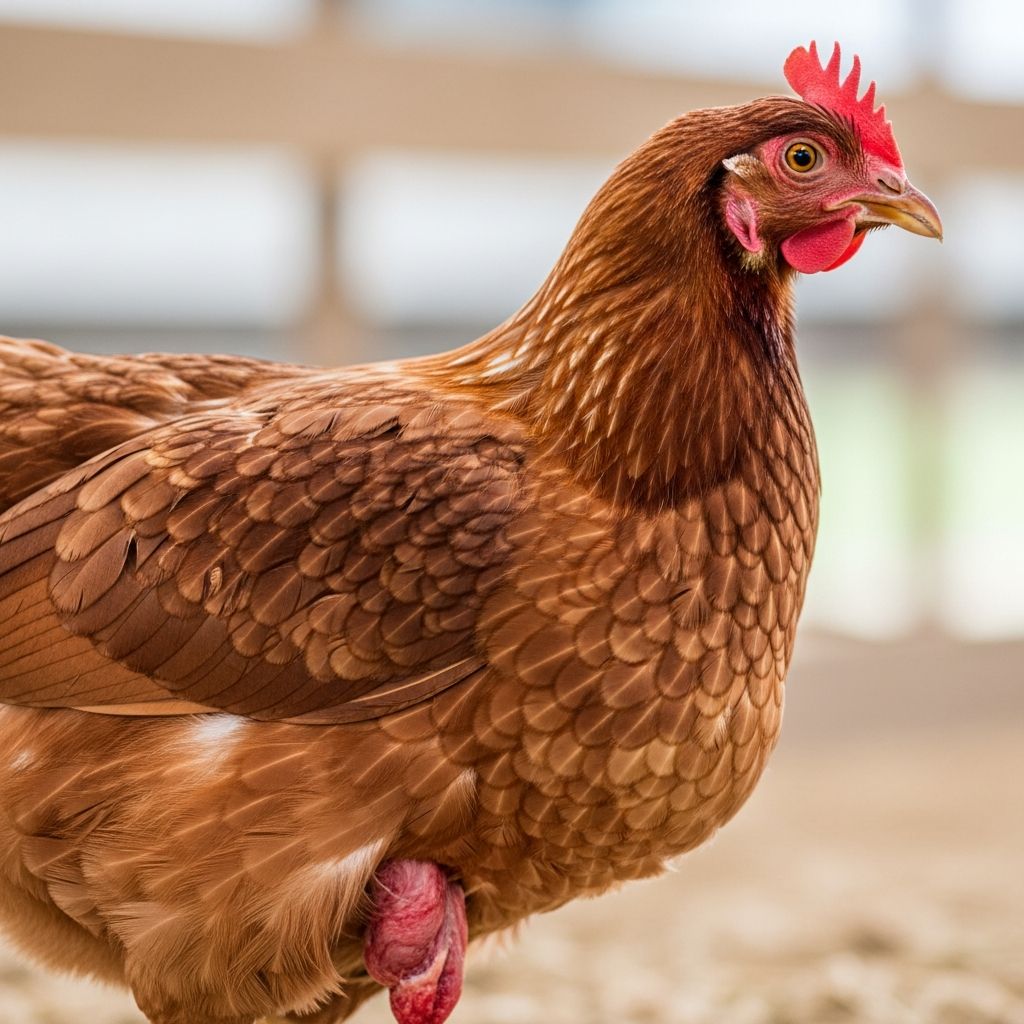
Oviduct prolapse, also known as vent prolapse or cloacal prolapse, is a serious reproductive disorder in laying hens where the lower oviduct everts and fails to retract after egg-laying, protruding from the vent. This condition can lead to severe complications if not addressed promptly, including pecking by flock mates and potentially fatal outcomes.
Understanding the Anatomy Involved
The oviduct is the hen’s reproductive organ responsible for egg formation, where the yolk is encased in albumen, shell membranes, and the calcareous shell. During oviposition, the vaginal portion briefly inverts to push the egg out cleanly. In prolapse cases, this inversion persists, exposing delicate pink tissue outside the cloaca. This vulnerability arises because the tissue is moist and glistening, attracting aggressive pecking from other birds.
Factors like underdeveloped pelvic structures in young pullets exacerbate this, as the skeletal frame may not support proper retraction. Hormonal influences, particularly low estradiol levels, reduce prostaglandin activity essential for oviduct muscle tone, further impairing normal function.
Primary Causes of Oviduct Prolapse
Several interconnected factors contribute to oviduct prolapse, often linked to management practices and hen physiology. Key triggers include:
- Premature Laying: Pullets starting to lay before full maturity, especially those underweight, strain their immature reproductive systems with oversized or double-yolk eggs.
- Obesity and Excess Fat: Overfed hens accumulate abdominal fat, narrowing the egg passage and increasing laying pressure. Cold-hardy breeds are prone if given excessive treats beyond balanced layer feed.
- Nutritional Imbalances: Calcium deficiencies weaken shell formation, leading to larger eggs or dystocia. High-energy feeds with excess carbs or fats promote fat deposition and metabolic stress.
- Hormonal and Lighting Issues: Over-stimulation via excessive light disrupts hormonal balance, mimicking peak production prematurely. Low estradiol hampers muscle contraction.
- Stress and Infections: Viral diseases like infectious bronchitis or egg drop syndrome weaken oviduct walls. Parasites cause chronic stress, irritating the bird and altering nutrient uptake.
Prolapse peaks during high-production phases when metabolic demands surge, amplifying these risks.
Recognizing Early Symptoms
Early detection is crucial for intervention. Initial signs often appear subtly:
- Blood-streaked or smeared eggs, signaling tissue trauma during laying.
- Visible red or pink tissue protruding from the vent, resembling a rosebud or inverted sock.
- Feathers around the vent soiled with blood, mucus, or feces.
- Lethargy, reduced appetite, and isolation as the hen becomes unwell.
- Flock pecking at the affected bird, escalating to cannibalism if unchecked.
Advanced cases show swelling, necrosis, or evisceration, with the hen in shock from blood loss. Egg production drops significantly, sometimes ceasing entirely.
Immediate Treatment Strategies
If caught early, prolapse can often be corrected, though recurrence is common. Isolate the affected hen immediately to prevent pecking.
- Clean and Prepare: Gently wash the prolapsed tissue with warm saline or Epsom salt solution to reduce swelling. Apply a lubricant like KY jelly or sugar paste (sugar draws out fluid osmotically).
- Manual Reduction: Wearing gloves, carefully push the tissue back inside using steady, gentle pressure. Hold for 5-10 minutes to allow retraction.
- Supportive Care: Administer electrolytes, vitamins (especially E and K for clotting), and calcium. Keep the hen in a dark, quiet hospital pen with soft bedding. Honey or antibiotic ointment prevents infection.
- Monitor and Cull if Needed: If prolapse recurs or tissue is damaged, humane euthanasia prevents suffering. In commercial settings, removal is standard due to biosecurity risks.
Success rates improve with prompt action; delays lead to infection or pecking trauma.
Prevention Through Management Best Practices
Proactive strategies minimize incidence far better than treatment. Focus on balanced rearing and flock health.
Nutrition Optimization
| Nutrient | Role | Recommended Level |
|---|---|---|
| Calcium | Shell integrity, muscle function | 3.5-4.5% in layer feed |
| Protein | Balanced growth, avoids obesity | 16-18% during lay |
| Energy (Fat/Carbs) | Prevents fat accumulation | Moderated; no excess treats |
| Vitamins A, D, E | Muscle tone, immunity | Per NRC standards |
Avoid table scraps; use complete feeds. Gradual calcium increases for pullets prevent overload.
Lighting and Rearing Protocols
Delay sexual maturity by limiting light to 8-10 hours/day until 16-18 weeks. Avoid sudden increases; use dim, red lighting in nests to deter pecking. Dark nest boxes reduce visibility of prolapsed tissue.
Flock Management
- Maintain optimal weight: Check keel bone and abdominal fat regularly.
- Beak trimming or split brooding for aggressive flocks, though controversial.
- Vaccinate against bronchitis and EDS; deworm routinely.
- Ensure ventilation to reduce stress; provide perches and dust baths.
Studies show proper rearing cuts prolapse by up to 50%.
Impact on Flock Productivity and Economics
Prolapse reduces egg output by 20-50% in affected birds and spreads via cannibalism, causing flock-wide losses. In commercial operations, it elevates mortality and culling rates, impacting profitability. Preventive measures yield high ROI through sustained production.
FAQs on Oviduct Prolapse
What does a prolapsed vent look like?
It appears as bright pink or red tissue hanging from the vent, often 1-3 inches long, moist and swollen.
Can a hen recover from prolapse?
Yes, if treated immediately and isolated; however, recurrence is likely, especially in young or obese birds.
How do I prevent prolapse in my flock?
Focus on balanced nutrition, proper lighting, weight control, and early detection via daily checks.
Is prolapse contagious?
No, but pecking behavior can spread, mimicking contagion.
When should I cull a prolapsed hen?
If manual reduction fails twice, tissue is necrotic, or bleeding persists.
Advanced Research Insights
Recent studies link genetic selection for hyper-production to higher prolapse risk, advocating balanced breeding. Prostaglandin supplementation shows promise in trials for muscle tone enhancement. Monitor flocks closely during peak lay (24-40 weeks).
References
- FACT SHEET Chicken Health – Prolapse — Appletons Poultry. Accessed 2026. https://chooks.co.nz/pages/fact-sheet-chicken-health-prolapse
- Prolapse in Laying Hens – Causes, Treatment, Prevention — Val-Co. Accessed 2026. https://www.val-co.com/prolapse-in-laying-hens-causes-treatment-prevention/
- Prolapse Vent in Chickens: Causes & Treatment — The Chicken Chick. Accessed 2026. https://the-chicken-chick.com/prolapse-vent-causes-treatment-graphic/
- Prolapse in Laying hens — Hendrix Genetics. Accessed 2026. https://layinghens.hendrix-genetics.com/en/articles/prolapse-in-laying-hens/
- Vent Prolapse in Chickens — Cackle Hatchery. Accessed 2026. https://www.cacklehatchery.com/vent-prolapse-in-chickens/
Similar Articles








Read full bio of Sneha Tete


