

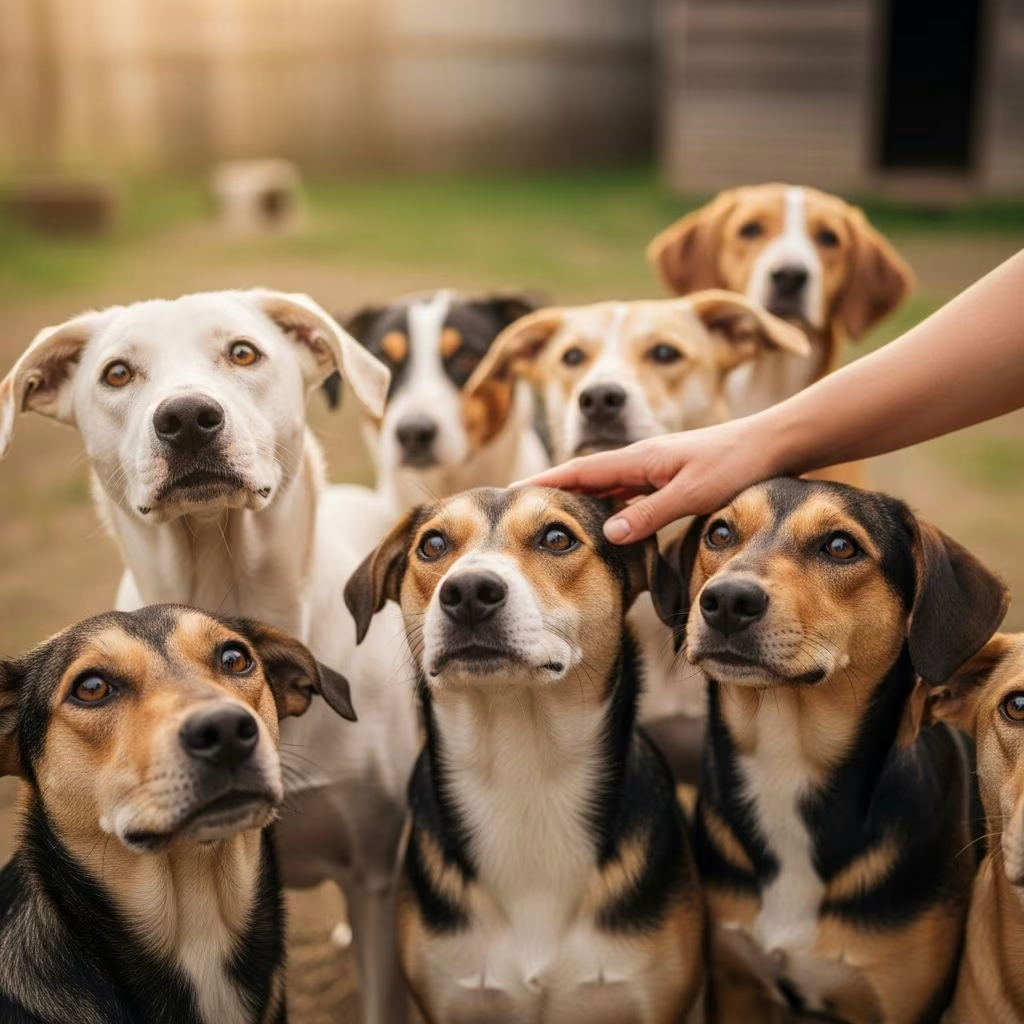
Dogs labeled as ‘less adoptable’ often spend extended periods in shelters due to misconceptions about their appearance, age, breed, or behavior. These include black-furred dogs, senior pets, pit bulls, hounds, and small breeds like Chihuahuas, yet they possess qualities that make them ideal family members when given a chance.
Understanding the Shelter Adoption Gap
Shelters nationwide report that certain dogs remain unadopted far longer than others, creating a heartbreaking divide. Factors such as coat color, age, breed stereotypes, and even personality traits contribute to this phenomenon. While puppies and uniquely colored dogs find homes quickly, others wait months or years. This gap stems from visual biases in photos, media-driven fears, and unfounded assumptions about health or temperament.
Research indicates that brief exposure to negative behaviors can unfairly influence perceptions, making entire breeds or types seem less desirable. For instance, a study found that viewers who witnessed one aggressive dog rated similar-looking ones as significantly less adoptable, linking adoptability to traits like sociability and friendliness. Breaking these cycles requires education and targeted adoption events.
Black Dog Syndrome: A Color-Based Bias
One of the most persistent issues is **Black Dog Syndrome**, where dogs with dark coats—regardless of breed—are consistently overlooked. Shelter staff observe that black Labradors, Shepherds, Rottweilers, and mixed breeds linger longest, often due to poor visibility in kennel lighting or adoption photos.
Superstitions, media portrayals of menacing black dogs, and the perception that they appear less expressive contribute to this stigma. However, coat color has no bearing on personality; black dogs are just as playful, loyal, and affectionate as their lighter counterparts. A practical perk: their fur blends into most clothing, minimizing visible shedding.
- Photogenic Challenge: Dark fur washes out in flash photography, making dogs seem less appealing online.
- Cultural Stigma: Associations with negativity or villainy in films reinforce hesitancy.
- Initiatives: Many shelters host ‘Black Dog Days’ with discounts to boost visibility.
Senior Dogs: Wisdom Over Youth
Older dogs face the steepest adoption hurdles, as potential owners favor energetic puppies. Concerns about impending health issues and the emotional weight of short-term companionship deter many, yet seniors often arrive at shelters depressed from prior relinquishment.
In reality, these mature pets come house-trained, with calmer demeanors suited to apartments or families. They require less rigorous exercise and offer immediate companionship without the chewing phase of youth. Veterinary data shows many seniors thrive for years post-adoption with routine care.
| Aspect | Puppies | Senior Dogs |
|---|---|---|
| Training Needs | High | Minimal |
| Energy Level | Very High | Moderate |
| Adaptation Time | Weeks to Months | Days |
| Health Predictability | Unknown | Assessable |
Bully Breeds: Loyalty Behind the Label
Pit Bulls and similar ‘bully breeds’ like American Staffordshire Terriers endure heavy stigmatization from breed-specific laws and sensationalized news stories portraying them as dangerous. Despite this, they are historically known as ‘nanny dogs’ for their gentle protectiveness around children.
These muscular dogs excel in loyalty, trainability, and eagerness to please. Shelter statistics reveal they stay longer despite thriving in homes with positive reinforcement. American Bulldogs and Staffordshire Terriers share this profile: affectionate, intelligent, and family-oriented when socialized early.
- Myth: Inherently aggressive.
- Fact: Aggression ties more to upbringing than genetics.
- Adoption Rate: Often under 20% in mixed shelters.
Hounds and Scent-Driven Athletes
Hound breeds, such as Beagles, Coonhounds, and Greyhounds, struggle due to their hunting heritage: boundless energy, howling tendencies, and superior sniffing instincts. Retired racing Greyhounds, in particular, intimidate with their size and assumed high exercise demands.
Counterintuitively, Greyhounds are ‘couch potatoes’ off the track, needing just 30-60 minutes of daily activity. Other hounds reward active owners with unwavering loyalty and problem-solving smarts. Their vocalizations, while quirky, serve as joyful alerts rather than nuisances.
Small but Mighty: Chihuahuas and Terriers
Tiny breeds like Chihuahuas flood shelters from impulse buys by novice owners unprepared for their bold personalities. Untrained, they may seem feisty, but their small stature makes management easy, and they form intense owner bonds.
Large Terriers, including Staffies, face energy misconceptions but shine as mental stimulation seekers. Both types prove that size doesn’t dictate devotion.
Unique and Independent Breeds
Breeds like Chinese Shar-Pei, with wrinkled skin and aloof vibes, or Salukis, elegant sighthounds, appear high-maintenance. Health concerns for Shar-Peis and perceived delicacy for Salukis deter adopters, yet they offer independence balanced by deep family loyalty. Black Mouth Curs, working dogs, are protective without excess aggression.
Shy Personalities: Patience Pays Off
Timid or wallflower dogs hide in kennels, their caution mistaken for disinterest. These sensitive souls, often the sharpest, bloom into devoted companions with gentle handling and secure environments.
Benefits of Choosing an Overlooked Dog
Adopting these dogs yields profound rewards: gratitude-fueled bonds, lower energy matches for relaxed lifestyles, and the joy of second chances. They often require less training and adapt swiftly, enriching homes immediately.
- Stronger attachments from shelter relief.
- Fewer destructive habits.
- Cost savings on training classes.
Practical Tips for Successful Adoption
Visit during quiet hours to see true personalities. Request trial fosters, prioritize temperament over looks, and prepare for vet checkups. Pet insurance covers senior or breed-specific needs effectively.
- Research breed traits thoroughly.
- Meet multiple times pre-adoption.
- Enroll in positive reinforcement classes.
- Secure yards for high-prey drives.
Frequently Asked Questions (FAQs)
Why do black dogs stay in shelters longer?
Photographic challenges, superstitions, and media biases create ‘Black Dog Syndrome,’ but their personalities are indistinguishable from other colors.
Are pit bulls safe for families?
Yes, with proper training; their loyalty and gentleness shine, debunking aggression myths.
What about senior dog health costs?
Many remain healthy years post-adoption; insurance and preventive care mitigate risks.
Do hounds need constant running?
No, especially Greyhounds, who prefer lounging after short bursts.
Can shy dogs become outgoing?
With patience, they form profound bonds, revealing intelligence and affection.
Conclusion: Change a Life Today
Overlooked dogs await heroes to see beyond labels. By adopting them, you gain a faithful friend while easing shelter overcrowding. Visit local rescues and consider these underdogs—they might be your perfect match.
References
- Adopting A ‘Less Adoptable’ Dog — Embrace Pet Insurance. 2023. https://www.embracepetinsurance.com/waterbowl/article/less-adoptable-dogs
- 10 Types of Dogs Least Likely To Get Adopted From Shelters — What Can My Dog Eat. 2024. https://whatcanmydogeat.com/dogs-least-likely-to-get-adopted-from-shelters/
- 10 Overlooked Dog Breeds at Risk of Never Finding a Home — Brooke and Belle. 2023. https://brookeandbelle.com/blogs/news/10-overlooked-dog-breeds-at-risk-of-never-finding-a-home
- Why a “Less Adoptable Pet” May Be Your Perfect Match — Carlisle Vet. 2024. https://www.carlislevet.com/services/dogs/blog/why-less-adoptable-pet-may-be-your-perfect-match
- Dog breed stereotype and exposure to negative behavior — PubMed (NCBI). 2007-07-01. https://pubmed.ncbi.nlm.nih.gov/17645409/
- Adopt a Less Adoptable Pet Week — Longwood Veterinary Center. 2023. https://longwoodvetcenter.com/adopt-a-less-adoptable-pet-week/



