

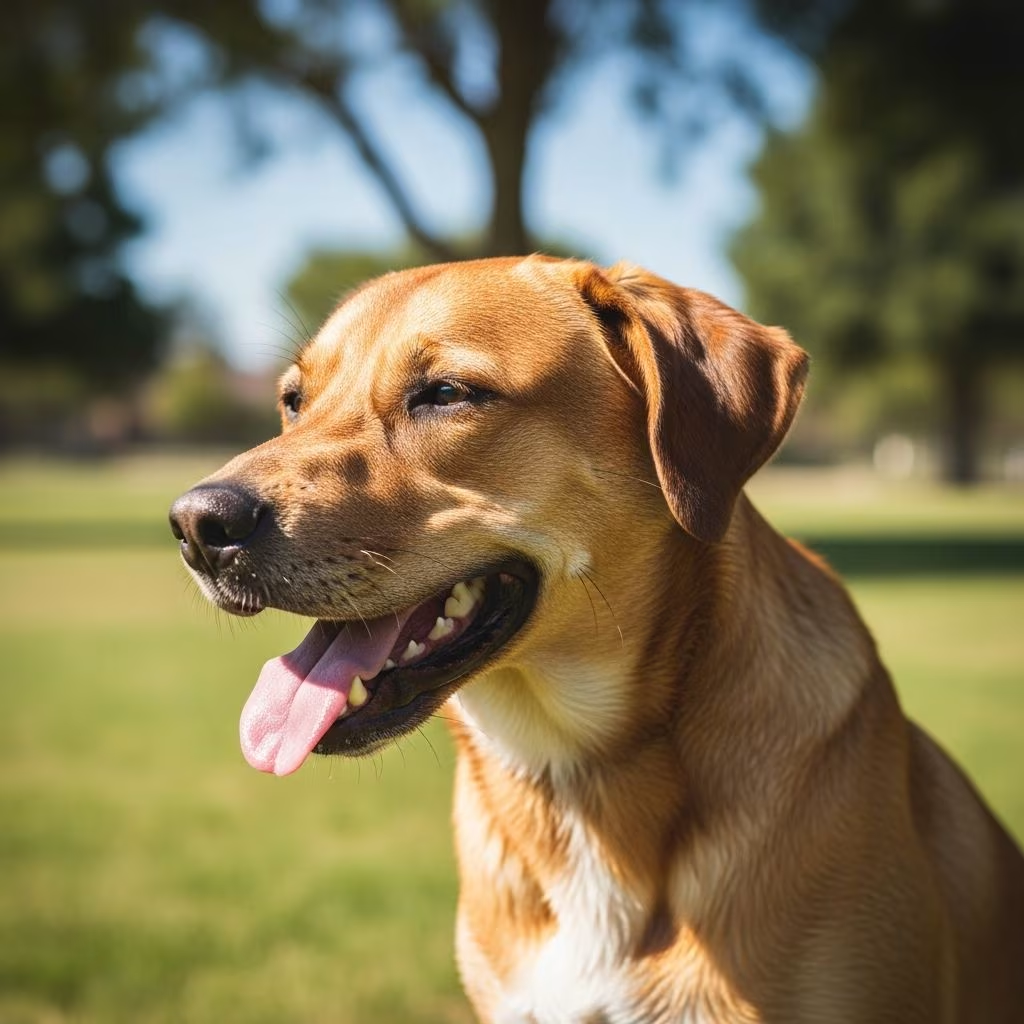
Overheating in Dogs: A Comprehensive Guide to Prevention and Treatment
Dogs love to play and enjoy outdoor activities, but high temperatures pose serious health risks to our canine companions. Unlike humans, dogs have limited ways to cool their bodies and are particularly vulnerable to heat-related illnesses. Understanding the signs of overheating, recognizing which dogs are at greatest risk, and knowing how to respond quickly can mean the difference between a minor scare and a life-threatening emergency.
How Dogs Cool Themselves
To understand overheating in dogs, it’s important to first understand how dogs naturally regulate their body temperature. Unlike humans who have sweat glands distributed across their entire body, dogs have sweat glands only on their paws. This means dogs cannot efficiently cool themselves through perspiration. Instead, dogs rely primarily on panting as their main cooling mechanism.
When a dog pants, cooler air is drawn to the back of the throat and across the tongue, which helps cool the blood circulating to the core of the body. Panting also allows moisture to evaporate from the dog’s mouth, tongue, and mucous membranes, further aiding in temperature regulation. However, this natural cooling system has significant limitations, especially in humid conditions where evaporation is reduced.
The normal body temperature for a dog ranges between 100.5 and 102.5 degrees Fahrenheit. When environmental conditions or physical activity cause a dog’s body temperature to rise above this range, the dog’s body enters a state of heat stress and may progress to heat exhaustion or heatstroke.
Stages of Heat-Related Illness in Dogs
Heat-related illness in dogs progresses through three distinct stages, each with increasing severity:
Stage 1: Heat Stress
Heat stress is the initial stage of heat-related illness. During this stage, a dog’s body begins to show signs of struggling with temperature regulation. Symptoms include excessive panting, increased thirst, and lethargy. The dog’s temperature may be slightly elevated but typically remains within or just above normal range. At this point, the situation is still manageable with appropriate cooling measures and rest.
Stage 2: Heat Exhaustion
If cooling measures are not instituted and activity continues, heat exhaustion develops. Heat exhaustion is characterized by fatigue and weakness. During this stage, a dog’s temperature continues to rise, and symptoms progress to include vomiting and diarrhea. The pet will likely still have a normal or slightly elevated temperature and will show signs of significant dehydration. At this point, immediate intervention is necessary to prevent progression to the final stage.
Stage 3: Heatstroke
If heat exhaustion goes untreated, heatstroke—the most severe form of heat-related illness—develops. As a dog’s temperature increases to greater than 104 degrees Fahrenheit, central nervous system symptoms such as disorientation, seizures, and multiple organ dysfunction occur. Heatstroke is a medical emergency that requires immediate veterinary attention and can result in death if not treated promptly.
Recognizing the Signs of Overheating in Dogs
Early recognition of overheating is crucial for preventing serious complications. Pet owners should be aware of both early warning signs and advanced symptoms that indicate their dog is in danger.
Early Warning Signs
The earliest indicators of overheating include:
– Excessive or frantic panting
– Increased thirst
– Mild fatigue or lethargy
– Unwillingness to exercise or play
– Rapid heartbeat or tachycardia
– Drooling, often with thick or excessive saliva
– Reddened gums or bright-red mucous membranes
Advanced Symptoms
As the condition worsens and body temperature continues to rise, more serious symptoms develop:
– Dry, red, or pale gums that may turn purple or blue
– Gasping for air or labored breathing
– Grayish to purple discoloration of the mouth due to unmet oxygen demand
– Vomiting or diarrhea, possibly with blood
– Weakness or inability to stand
– Confusion or disorientation
– Dizziness and difficulty walking in a straight line
– Muscle tremors
– Seizures
– Collapse or unconsciousness
If a dog’s body temperature rises to over 106 degrees Fahrenheit, the condition becomes critical and the dog may no longer be able to cool themselves.
Risk Factors and Vulnerable Dogs
While any dog can overheat under extreme conditions, certain factors significantly increase a dog’s susceptibility to heat-related illness.
Breed Susceptibility
Certain breeds are more susceptible to overheating, particularly brachycephalic (flat-faced) dogs such as Bulldogs, Pugs, Boston Terriers, Shih Tzus, and Boxers. These breeds have shorter nasal passages and narrower airways, which makes panting less effective as a cooling mechanism. Dogs with thick or double coats, such as Huskies, Malamutes, and German Shepherds, also struggle more in hot weather because their dense fur insulates the body and traps heat.
Age and Health Considerations
Puppies and elderly dogs are particularly vulnerable to heat-related illness. Puppies lack fully developed temperature regulation systems, while senior dogs often have decreased ability to thermoregulate. Additionally, dogs with pre-existing health conditions, obesity, or those taking medications that impair temperature regulation are at heightened risk.
Environmental and Activity Factors
Several common situations put dogs at risk of overheating:
– Being left in a parked car (even for a few minutes)
– Prolonged outdoor activity in hot weather
– Lack of access to shade or fresh water
– Heavy physical exertion
– High humidity, which reduces the effectiveness of panting
First Aid Response: Cool First, Transport Second
If you suspect your dog is overheating, immediate action is critical. The general principle is to cool your dog first and then transport them to veterinary care.
Step 1: Stop Further Heating
Move your dog immediately to a cooler environment:
– Remove your dog from the heat source (hot car, direct sunlight, etc.)
– Stop all exercise or physical activity
– Get your dog into shade or an air-conditioned room if possible
– If indoors is not immediately accessible, create shade where you are
Step 2: Cool Your Dog
Begin active cooling measures right away:
– Pour cool (not cold) water over your dog’s body, focusing on the neck, underarms, groin area, and thighs
– Avoid pouring water over the head, as the dog is already struggling to breathe
– If available, submerge your dog’s body in cool water such as a paddling pool or stream (only if the dog is conscious and healthy)
– Do not use ice baths, as rapid cooling can cause blood vessel constriction and reduce the body’s natural cooling ability
– Use a fan to create air movement and help dissipate heat
– Apply cool, wet towels to your dog’s body
– Offer small amounts of cool water to drink, but do not force your dog to drink
Step 3: Seek Immediate Veterinary Care
Contact an emergency veterinary clinic immediately. Even if your dog appears to be recovering or you only suspect heat stroke, professional evaluation is essential. Organ damage can occur without obvious external signs, and internal complications may develop hours after the initial incident.
Veterinary Treatment for Overheating
Dogs with moderate to severe overheating require hospitalization and professional medical intervention. Veterinary treatment typically includes multiple therapeutic approaches:
Primary Interventions
– Emergency cooling: Continued active cooling, especially if body temperature remains elevated
– Intravenous (IV) fluids: To treat dehydration, shock, and to cool the body down internally
– Oxygen therapy: To support respiratory function and oxygen delivery to tissues
– Blood work: To assess the severity of dehydration, test for clotting disorders, and evaluate organ function
Supportive Care
– Gastric protectants and anti-nausea medications: In cases of vomiting and diarrhea, as the gut may slough and begin to die
– Antibiotics: To prevent secondary infections such as sepsis
– Pain relief medications: To manage discomfort
– Cardiac medications: If required based on heart function monitoring
– Anti-seizure medications: Such as mannitol or diazepam to manage brain swelling and seizure activity
– Blood or plasma transfusions: For dogs with clotting problems or severe blood loss
Ongoing Monitoring
While hospitalized, veterinary staff continuously monitor:
– Mental status and consciousness
– Body temperature
– Blood pressure
– Heart rate and rhythm
– Respiratory rate and breathing effort
– Repeat blood work to monitor changes
An electrocardiogram (ECG) test may be performed to assess heart function. Most severely affected dogs require intensive care unit (ICU) monitoring and treatment.
Prevention Strategies
Preventing overheating is far better than treating it. Pet owners should implement multiple prevention strategies during warm weather:
Environmental Management
– Never leave your dog in a parked car, even with windows cracked open
– Ensure your dog always has access to fresh, cool water
– Provide ample shade, whether in your yard or during outdoor activities
– Schedule outdoor activities during cooler parts of the day (early morning or evening)
– Avoid prolonged sun exposure, especially during midday hours
– Keep your home cool with air conditioning or fans
Exercise and Activity Management
– Reduce the intensity and duration of exercise during hot weather
– Avoid strenuous activities with puppies, senior dogs, and breeds prone to overheating
– Take frequent breaks during outdoor play
– Bring water for your dog during walks or outdoor activities
– Watch for early signs of overheating and stop activity immediately if they appear
Grooming and Health Maintenance
– Keep your dog’s coat well-groomed to remove excess fur, but do not shave double-coated breeds (this can actually increase heat absorption)
– Maintain a healthy weight, as obesity increases overheating risk
– Keep up with regular veterinary checkups to monitor for health conditions that increase overheating risk
– Discuss your dog’s individual risk factors with your veterinarian
Special Considerations
Certain situations require extra caution. Dogs traveling in cars should have the air conditioning on and should never be left unattended. During beach or pool visits, ensure your dog has access to fresh water and shade. If your dog has a history of heat sensitivity or health conditions, discuss summer safety precautions with your veterinarian. Puppies and senior dogs need extra monitoring, and brachycephalic breeds may benefit from limiting outdoor time during hot weather.
Frequently Asked Questions (FAQs)
Q: What temperature is dangerous for dogs?
A: A dog’s normal temperature is between 100.5 and 102.5 degrees Fahrenheit. Temperatures above 104 degrees Fahrenheit indicate heat exhaustion, and above 105 degrees indicates life-threatening heatstroke. However, environmental temperature and humidity are more relevant than absolute degrees—dogs can overheat at much lower air temperatures depending on humidity, activity level, and individual factors.
Q: Can I use ice water or ice packs to cool my overheating dog?
A: No. Avoid ice baths, ice packs, or very cold water when treating an overheating dog. Rapid cooling can cause blood vessels to constrict, which actually reduces the body’s cooling ability. Instead, use cool (not cold) water and wet towels.
Q: How long does it take for a dog to recover from heatstroke?
A: Recovery time varies depending on the severity of the heatstroke and any organ damage that occurred. Mild cases may recover within hours with first aid, but dogs hospitalized for severe heatstroke may require days to weeks of treatment and recovery. Some dogs experience long-term complications.
Q: Are certain dog breeds more prone to overheating?
A: Yes. Brachycephalic (flat-faced) breeds like Bulldogs, Pugs, and Boston Terriers are particularly susceptible. Dogs with thick or double coats, as well as puppies, senior dogs, and overweight dogs are also at increased risk.
Q: What should I do if I suspect my dog is overheating but they seem to be improving?
A: Always seek veterinary care even if your dog appears to be recovering. Internal organ damage can occur without obvious external signs, and complications can develop hours after the incident. A veterinarian can perform blood work and monitoring to ensure your dog is truly safe.
References
- Heat Stroke In Dogs – Signs, Symptoms & Treatment — Animal Emergency Service Australia. 2024. https://animalemergencyservice.com.au/blog/heat-stroke-in-dogs/
- Heatstroke in Dogs: Signs, Treatment, and Prevention — PetMD. 2024. https://www.petmd.com/dog/conditions/systemic/heatstroke-dogs
- Overheating in Dogs: Signs, Symptoms, and Treatments — American Kennel Club. 2024. https://www.akc.org/expert-advice/health/overheating-in-dogs/
- Signs & Symptoms of Overheating in Dogs — Purina. 2024. https://www.purina.com/articles/dog/health/symptoms/overheating-in-dogs
- What To Do if Your Pet is Overheating — Small Door Veterinary. 2024. https://www.smalldoorvet.com/learning-center/what-to-do/pet-overheating
- How to recognise and treat heatstroke in dogs — RSPCA. 2024. https://www.rspca.org.uk/adviceandwelfare/pets/dogs/health/heatstroke
- Heatstroke: A medical emergency — Cornell University College of Veterinary Medicine, Riney Canine Health Center. 2024. https://www.vet.cornell.edu/departments-centers-and-institutes/riney-canine-health-center/canine-health-information/heatstroke-medical-emergency



