

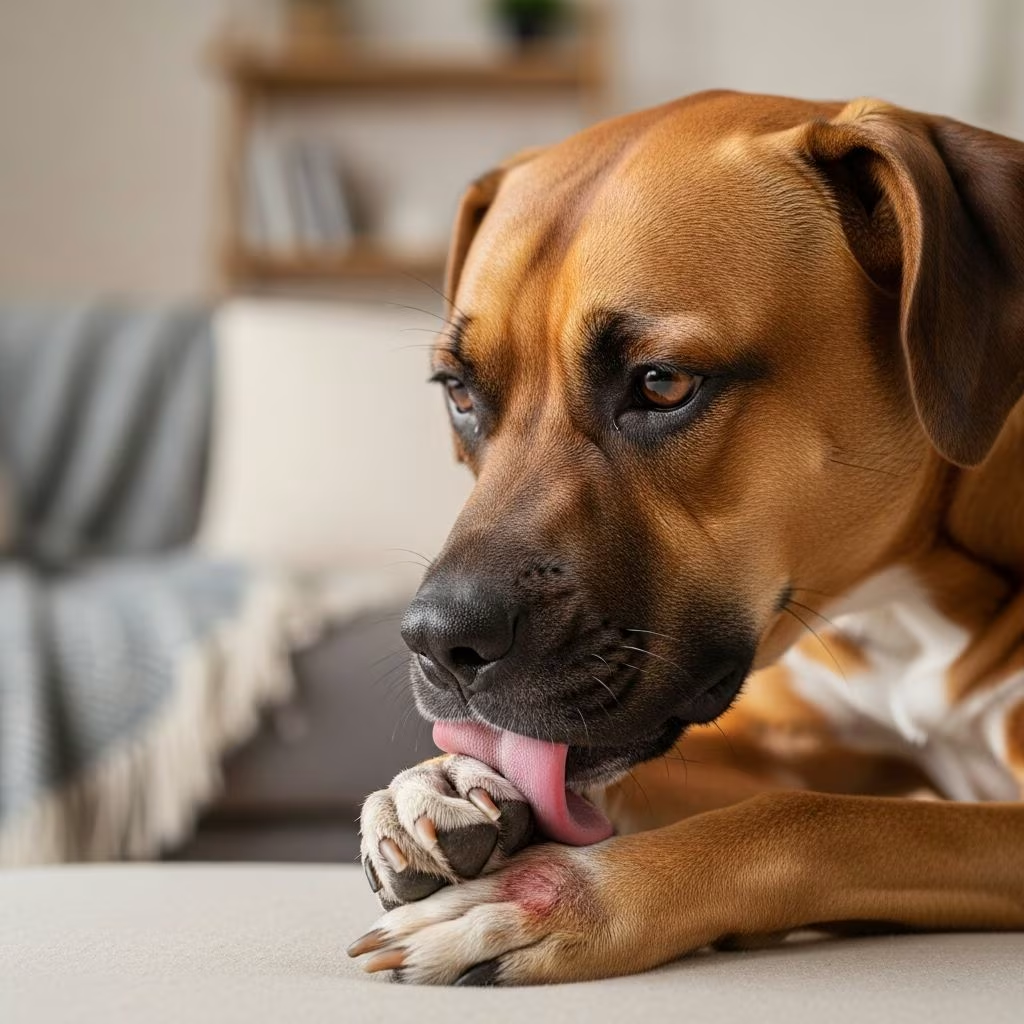
Dogs naturally groom themselves to stay clean, but when licking, chewing, or biting becomes relentless, it points to an underlying problem. This behavior, known as overgrooming, can damage skin, cause infections, and disrupt daily life. Pet owners must identify triggers early to prevent complications.
Recognizing the Signs of Excessive Grooming
Normal grooming lasts briefly after meals or play, but overgrooming is obsessive and targeted. Watch for these indicators:
- Prolonged focus on one spot, like paws, belly, or legs, interrupting eating or rest.
- Hair loss, bald patches, or shortened fur from constant chewing.
- Red, inflamed skin, sores, or saliva stains in pink, orange, or brown hues, especially on light-coated dogs.
- Sudden bursts of grooming, whining, limping, or reluctance to play.
- Thickened skin, dandruff, or oozing lesions signaling secondary infections.
These symptoms often appear on paws, groin, armpits, ears, or between toes—warm, moist areas prone to irritation. If grooming persists beyond a few days or worsens, consult a vet promptly.
Primary Medical Causes Behind Overgrooming
Physical discomfort drives most cases, prompting dogs to soothe itch or pain through grooming.
Skin Allergies and Environmental Irritants
Allergies top the list, affecting up to 10-15% of dogs. Environmental allergens like pollen, dust mites, or mold cause seasonal flare-ups, while contact irritants from grasses or chemicals provoke immediate reactions. Food allergies may target proteins in kibble, leading to year-round issues.
Common signs include redness on belly, paws, or ears, plus head shaking or foot biting. Diagnosis involves elimination diets or skin tests by a veterinary dermatologist.
Parasites and Infections
Fleas, ticks, mites (like sarcoptic mange), or fungal issues like ringworm trigger intense itching. Fleas cause ‘flea allergy dermatitis,’ where even one bite sparks overgrooming. Yeast thrives in moist folds, producing brownish discharge and odor.
Inspect for black flea dirt, burrows, or circular hair loss. Treatments include medicated shampoos, oral antiparasitics, and environmental cleaning.
Pain from Injuries or Chronic Conditions
Dogs lick joints, limbs, or abdomens to ease arthritis, hip dysplasia, or wounds. Acute issues like grass awns in paws or nail injuries cause limping and fixation. Gastrointestinal nausea might lead to air licking or paw chewing.
Vets use X-rays or exams to pinpoint sources, prescribing pain relief or joint supplements.
| Cause | Target Areas | Key Symptoms | Initial Action |
|---|---|---|---|
| Allergies | Paws, belly, ears | Redness, seasonal itching | Hypoallergenic diet trial |
| Parasites | Back, tail base | Flea dirt, scabs | Flea comb, vet meds |
| Pain/Arthritis | Joints, hips | Limping, moaning | Joint exam |
Behavioral Triggers for Overgrooming
Not all cases stem from physical issues; emotional factors play a role.
Stress and Anxiety
Changes like moving, new pets, or loud noises (fireworks) spark compulsive licking as self-soothing. Separation anxiety worsens when alone, with no skin changes evident. Accompanying signs: pacing, whining, or destructiveness.
Boredom and Understimulation
Inactive dogs, especially high-energy breeds, groom excessively from lack of outlets. This ‘displacement behavior’ mimics wild coping mechanisms.
Solutions: Increase walks, puzzle toys, or training sessions to redirect energy.
Steps for Diagnosis and Veterinary Care
Rule out medical causes first. Vets perform skin scrapes, cytology for infections, allergy tests, or bloodwork. Track patterns: timing, locations, and triggers in a journal aids accuracy.
For behavioral cases, refer to animal behaviorists for anxiety protocols.
Treatment Strategies to Stop Overgrooming
Tailor approaches to the root cause while protecting skin.
- Topical Relief: Oatmeal shampoos, medicated sprays, or cones/onesies prevent access.
- Medications: Antihistamines, steroids for allergies; antibiotics for infections.
- Supplements: Omega-3 fatty acids reduce inflammation; probiotics aid gut health.
- Environmental Changes: Hypoallergenic bedding, air purifiers, flea preventives.
- Behavioral Tools: Calming collars, thunder shirts, or CBD chews (vet-approved).
Monitor progress weekly; persistent cases may need immunotherapy.
Preventing Overgrooming and Promoting Skin Health
Proactive care minimizes risks:
- Bathe monthly with gentle products.
- Maintain year-round parasite control.
- Feed balanced, novel-protein diets if prone to allergies.
- Provide daily exercise and enrichment.
- Regular vet check-ups catch issues early.
FAQs on Dog Overgrooming
Q: How long is too long for grooming?
A: Beyond 5-10 minutes hourly or if it causes skin changes—seek vet advice.
Q: Does diet affect overgrooming?
A: Yes, food allergies contribute; switch to hydrolyzed proteins under guidance.
Q: Can stress alone cause bald spots?
A: Absolutely, via acral lick dermatitis—psychogenic alopecia.
Q: Are certain breeds more prone?
A: Yes, Golden Retrievers, Bulldogs, Labs due to skin folds and allergies.
Q: What home remedies soothe itching?
A: Cool compresses, coconut oil (sparingly), but vet approval first.
Q: When is emergency care needed?
A: Open sores, fever, lethargy, or rapid worsening.
Long-Term Management for a Happy Dog
Overgrooming resolution requires patience and consistency. Combine vet treatments with lifestyle tweaks for lasting relief. Most dogs recover fully with prompt intervention, regaining shiny coats and playful spirits. Track improvements and adjust as needed.
References
- 3 Causes of Excessive Grooming in Dogs — Lolahemp. 2023. https://lolahemp.com/blogs/dog-health/excessive-grooming-in-dogs
- Excessive Licking in Dogs — Animal Friends Dermatology. 2024-04-15. https://www.animalfriendsdermatology.com/site/blog/2024/04/15/excessive-licking-dogs
- Overgrooming in Dogs — JOII Pet Care. 2024. https://www.joiipetcare.com/blogs/health-symptoms/overgrooming-in-dogs
- 12 Reasons Dogs Lick Excessively — Caring Hands Vet. 2023. https://caringhandsvet.com/12-reasons-dogs-lick-excessively-and-when-to-be-concerned/
- Saliva Staining and Overgrooming in Dogs — PDSA. 2024. https://www.pdsa.org.uk/pet-help-and-advice/pet-health-hub/symptoms/saliva-staining-and-overgrooming-in-dogs
- Dog Excessive Licking: Causes, Signs — Mission Road Animal Clinic. 2024. https://www.missionroadanimalclinic.com/dog-excessive-licking-health-signs/



