

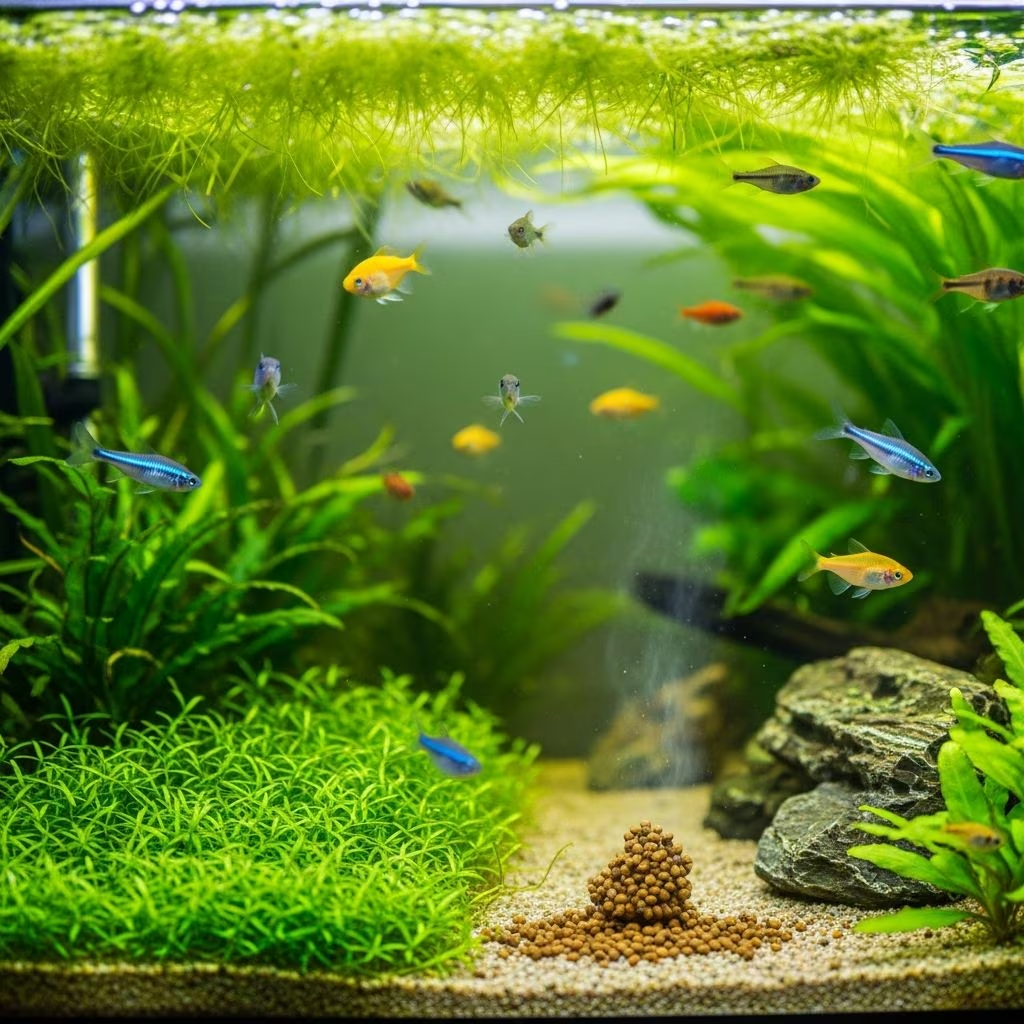
Aquarium enthusiasts often view feeding time as a highlight, but providing too much food can transform this moment of care into a silent threat. Excess nourishment disrupts the delicate balance of the tank environment, leading to rapid declines in water quality and fish vitality. This comprehensive guide delves into the science behind these issues, identifies warning signs early, and equips hobbyists with actionable strategies to foster a sustainable aquatic habitat.
The Hidden Toll of Excess Food on Water Chemistry
When fish receive more food than they can consume, uneaten portions sink and decompose, unleashing a cascade of chemical changes. This process generates ammonia and nitrites, potent toxins that overwhelm the tank’s natural filtration systems. In newer setups, where beneficial bacteria populations are still developing, these spikes can reach lethal concentrations swiftly, stressing gills and inviting opportunistic infections.
Decomposition is an oxygen-hungry reaction, depleting dissolved oxygen levels essential for fish respiration. Warmer tanks exacerbate this, as higher temperatures naturally reduce oxygen solubility, compounding the stress on inhabitants. Simultaneously, the breakdown produces acids that lower pH, particularly troubling for species adapted to alkaline conditions like African cichlids.
Nutrient overload from rotting food elevates phosphates and nitrates, priming the water for explosive algae growth. Blue-green and red algae thrive in these enriched conditions, clouding the water and smothering live plants and corals. Filters bear the brunt too, clogging with debris and losing efficiency, which perpetuates the cycle of poor circulation and toxin accumulation.
Health Impacts on Fish from Overindulgence
Beyond environmental havoc, overfeeding directly impairs fish physiology. Obesity emerges as a primary concern, with fat accumulation straining livers, kidneys, and other organs. In susceptible species such as rainbowfish and certain cichlids, this manifests as fatty liver disease, or hepatic lipidosis, impairing metabolic functions and often proving fatal.
Chronic stress from suboptimal water parameters weakens immune defenses, paving the way for diseases like fin rot. Characterized by frayed, ragged fins, this bacterial affliction thrives amid elevated ammonia and low oxygen. Parasitic planaria flatworms also proliferate in nutrient-rich, dirty tanks, preying on eggs and further destabilizing the population.
Visual cues of distress include faded colors, lethargy, and labored breathing near the surface. Growth stunting occurs as energy diverts from development to combating toxins, diminishing the aesthetic appeal of vibrant community tanks.
Recognizing Early Indicators of Overfeeding
Proactive observation prevents escalation. Key signs include:
- Persistent floating pellets: If food lingers on the surface beyond feeding time, your fish are satiated.
- Cloudy or discolored water: Green, brown hues or foul odors signal bacterial blooms and algae from decaying organics.
- Excessive gravel filth: Frequent vacuuming needs arise from heightened waste, turning substrate into a bacterial hotspot.
- Filter malfunctions: Reduced flow or unusual noises indicate blockages from uneaten remnants.
- Algae proliferation: Sudden outbreaks on glass, rocks, and decorations point to nutrient excess.
A simple test: Skip feedings for 2-3 days; if clarity improves without harm, overfeeding was the culprit. Most healthy fish tolerate short fasts comfortably.
Optimal Feeding Protocols for Aquarium Success
Precision in portions is paramount. Offer only what fish devour in 2-5 minutes, once or twice daily depending on species and tank dynamics. Scatter sparingly to mimic natural foraging, observing consumption rates.
| Fish Type | Daily Feedings | Portion Guideline | Food Variety |
|---|---|---|---|
| Small Community Fish (e.g., Tetras) | 1-2 | 2 minutes consumption | Flakes, micro-pellets |
| Cichlids & Larger Species | 1-2 | 3-5 minutes | Pellets, veggies, live foods |
| Bottom Dwellers (e.g., Plecos) | 1 (evening) | Targeted wafers | Algae wafers, driftwood |
| Fry & Juveniles | 3-4 (tiny amounts) | Consume instantly | Powdered foods, infusoria |
Diversify diets to meet nutritional needs: Combine high-quality flakes or pellets with occasional frozen brine shrimp, blanched vegetables, or algae-based foods. Avoid low-grade fillers that dissolve poorly and pollute more.
Species-Specific Considerations and Adjustments
Not all fish share identical appetites. Herbivores like plecostomus require fibrous greens over proteins, while carnivores thrive on meaty treats. Overfeeding herbivores accelerates algae but starves them of roughage, leading to bloat.
In multi-species tanks, feed in layers: Surface for top-dwellers, mid-water pellets, sinking foods for bottom feeders. Time feedings to natural activity peaks, such as dawn or dusk for many community fish.
Account for tank size; small volumes amplify errors, demanding stricter portions. Fry demand frequent but minuscule meals to fuel growth without waste buildup.
Maintenance Routines to Counteract Overfeeding
Even vigilant feeders benefit from robust upkeep. Perform 25-50% water changes weekly, vacuuming substrate to remove detritus. Test parameters bi-weekly for ammonia (0 ppm), nitrites (0 ppm), nitrates (<20 ppm), and pH stability.
Enhance biological filtration with live rock, sponge filters, or mature media hosting nitrifying bacteria. Protein skimmers in marine setups excel at exporting organics pre-decomposition. Regular algae scraping and plant trims maintain aesthetics.
Invest in auto-feeders for consistency during absences, programmed for minimal dispersals. Siphon remnants post-feeding to preempt issues.
Long-Term Benefits of Disciplined Feeding
Balanced nutrition yields resilient fish with brilliant hues, active behaviors, and robust reproduction. Tanks stay pristine, minimizing interventions and costs. Stress reduction bolsters immunity, curbing vet bills and losses.
Ecological harmony emerges: Stable parameters support corals, invertebrates, and plants, crafting biodiverse microcosms. Hobbyists report fewer crashes, enjoying their setups longer.
Frequently Asked Questions
How often should I feed my fish?
Adult fish typically need 1-2 feedings daily, limited to what they eat in 2-5 minutes. Juveniles may require more frequent sessions.
What if my fish beg for more food?
Fish lack satiety cues like humans; persistent gulping is habit, not hunger. Stick to schedules to avoid health risks.
Can overfeeding cause instant fish death?
Not usually, but acute ammonia surges can kill rapidly, especially in unfiltered or small tanks.
Is fasting safe for aquarium fish?
Yes, 2-3 days mimics wild scarcity without harm; use to reset overfed systems.
How do I choose the right fish food?
Opt for species-matched, high-protein formulas from reputable brands; rotate types for complete nutrition.
References
- Reef Aquarium Fact #220: Overfeeding fish is cruelty in the form of kindness — Reef2Reef. Accessed 2026. https://www.reef2reef.com/threads/reef-aquarium-fact-220-overfeeding-fish-is-cruelty-in-the-form-of-kindness.96230/
- Signs of Overfeeding Fish: How to Spot and Prevent it — Kennedy Wild Bird Food. 2024-05-07. https://kennedywildbirdfood.co.uk/blog/signs-of-overfeeding-fish-how-to-spot-and-prevent-it/
- Overfeeding: The Number One Cause of Tank Problems — FX Aquariums. Accessed 2026. https://fxaquariums.com/overfeeding/
- The Dangers of Uneaten Fish Food — Aqueon. Accessed 2026. https://www.aqueon.com/articles/dangers-of-uneaten-fish-food
- 1.1.3. Fish Food — Aquarium Science. Accessed 2026. https://aquariumscience.org/1-1-3-fish-food/



