

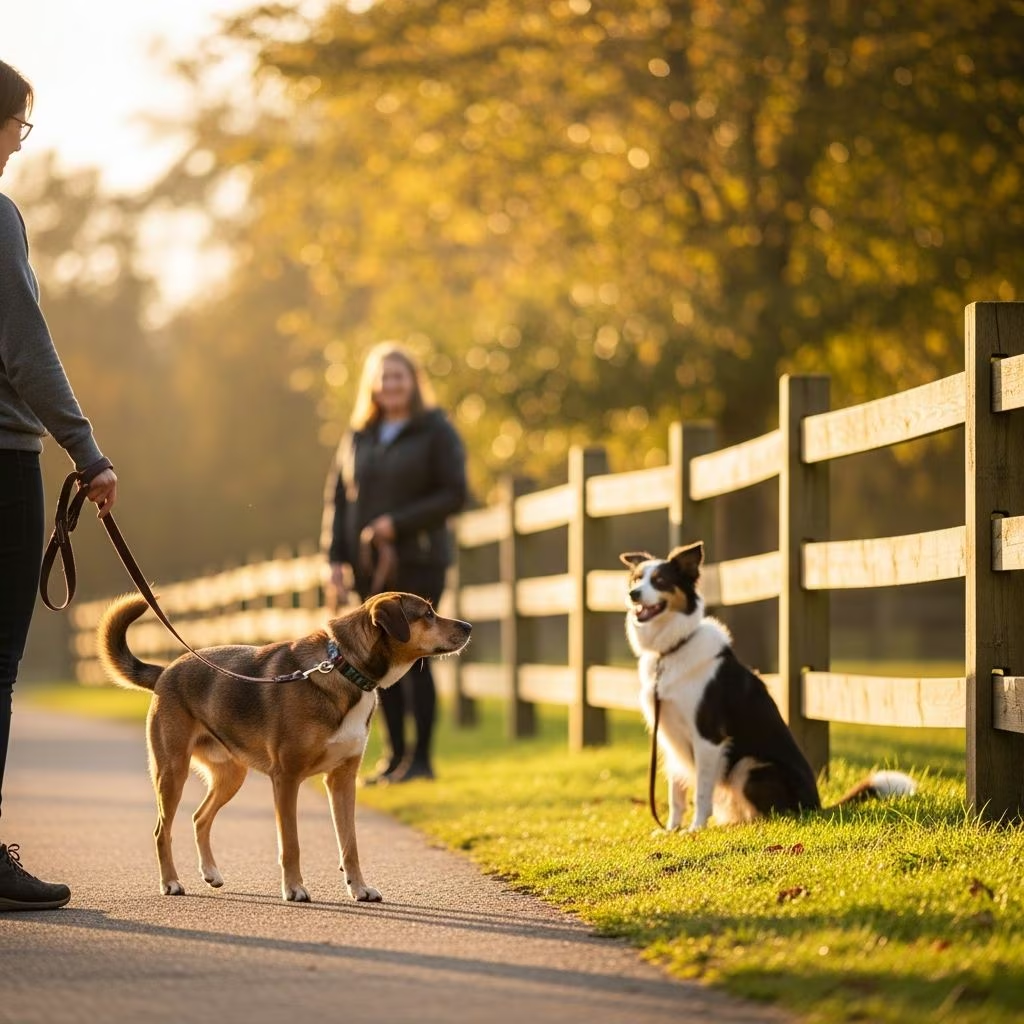
Dog reactivity, whether manifesting as intense barking, lunging, or charging at fences or on leashes, stems from frustration, fear, or arousal when normal greeting options are restricted. These behaviors often arise because barriers or leashes prevent dogs from approaching others as they would off-leash, leading to escalated displays that can intimidate passersby and strain owner-dog bonds. Addressing this requires understanding root causes and applying structured, positive training protocols.
Understanding the Roots of Reactivity
Reactivity differs from true aggression; it’s typically an emotional outburst rather than intent to harm. When leashed, dogs lose flight options, prompting fight responses like barking or lunging to deter perceived threats. Similarly, fences create barrier frustration, where dogs charge to interact but appear aggressive.
- Fear-based triggers: Shy dogs may bark to create distance from unfamiliar dogs or people.
- Frustration from barriers: Confident greeters lunge at fences, mistaking the barrier for permission to engage.
- Leash constraint: On-leash encounters amplify intensity since dogs can’t choose distance.
Recognizing signs early—whining, stiff posture, or redirecting onto the leash—allows proactive intervention before patterns solidify.
Initial Management Strategies for Safety
Before training, prioritize prevention to avoid rehearsal of unwanted behaviors. Management builds a foundation for successful modification.
| Scenario | Management Tactic | Why It Works |
|---|---|---|
| Neighborhood walks | Cross streets or use visual barriers like parked cars | Increases distance, reducing trigger intensity |
| Fence exposure | Block views with privacy screens or schedules outdoor time | Prevents practice of lunging |
| High-traffic areas | Opt for quiet routes or off-peak hours | Minimizes encounters |
Always carry high-value treats during outings, even non-training walks, to reinforce calm focus. Avoid retractable leashes, which extend too far and encourage pulling.
Core Training Techniques: Building Positive Associations
Positive reinforcement reshapes emotional responses through counter-conditioning and desensitization, pairing triggers with rewards to evoke calm.
Look at That (LAT) Game
This exercise teaches dogs to glance at triggers then disengage voluntarily. Start at a distance where your dog notices but stays relaxed.
- Spot the trigger (e.g., approaching dog).
- Mark the glance with “Yes!” or a clicker, followed by a treat.
- Repeat, gradually closing distance as calm persists.
Practice stationary first, then while moving. Sessions should last 5-10 minutes to maintain engagement.
Engage-Disengage Protocol
Similar to LAT, reward eye contact or orientation toward you upon trigger sighting.
- Use a verbal marker like “Yes” to predict treats.
- Practice indoors with helpers and low-stakes items before real-world application.
- If reactivity emerges, increase distance immediately.
Counter-Conditioning for Barrier Reactivity
For fence-chargers, feed treats whenever a trigger passes, regardless of barking, to associate passersby with good outcomes. Never punish, as it heightens fear. Over time, dogs anticipate rewards over reactions.
Advanced Protocols for Real-World Progress
Once basics solidify, integrate movement and complexity.
U-Turns and Keep Moving: Spot triggers early, say “U-Turn!” in a cheerful tone, pivot 180 degrees, and reward following. This maintains momentum without stopping. If unavoidable, use gentle leash pressure and treats to refocus while walking past.
Pattern Games: Games from experts like Leslie McDevitt teach predictable responses in tight spaces, such as sitting or laying down on cue, overriding reactive impulses.
Transition to open fields or parking lots for controlled exposures, ensuring escape routes. Provide alternative exercise via fetch in enclosed areas or enrichment toys to reduce walk dependency.
Common Pitfalls and How to Avoid Them
Training falters without consistency. Key errors include:
- Insufficient distance: Dogs must remain sub-threshold (below reaction point).
- Low-value rewards: Use meat like hot dogs; test digestibility.
- Forced greetings: Never allow on-leash dog meetings, which worsen frustration.
- Punishment tools: Corrective collars pair pain with triggers, amplifying reactivity.
Track progress in a journal: note distance thresholds, success rates, and setbacks for adjustments.
Exercise Alternatives During Training
Reactive dogs need outlets sans triggers.
- Long-line play in dog-free fields.
- Indoor swimming pools (notify staff).
- Puzzle toys and scent games for mental stimulation.
Short, frequent sessions trump marathon walks initially.
FAQs
What if my dog ignores treats near triggers?
Increase distance or use higher-value food. Hunger aids focus but avoid extremes.
How long until improvement?
Weeks to months with daily practice. Consistency yields results.
Is professional help needed?
For severe cases or owner stress, consult certified trainers using force-free methods.
Can puppies develop this?
Yes; early prevention via controlled socialization is key.
What about multi-dog homes?
Separate training; manage shared fences carefully.
Long-Term Success and Maintenance
Sustained calm requires ongoing management: scout routes, preempt triggers, and reinforce alternatives. Most dogs achieve significant improvement, turning walks into enjoyable routines. Celebrate small wins to stay motivated.
References
- Leash reactivity- where do I start? — Humane Society of Utah. 2023. https://www.utahhumane.org/blog/leash-reactivity-where-do-i-start
- Leash Reactivity: A Comprehensive Training Guide — Peach on a Leash. 2023. https://peachonaleash.com/leash-reactivity-a-comprehensive-training-guide/
- Behavior Challenges: Reactivity on Leash — San Diego Humane Society. 2024. https://sdhumane.org/resources/behavior-challenges-reactivity-on-leash/
- Leash Reactivity — Wisconsin Humane Society. 2023. https://www.wihumane.org/behavior/ask-the-experts/dogs/leash-reactivity
- Managing Barrier Reactivity — Best Friends Animal Society. 2023. https://bestfriends.org/pet-care-resources/managing-barrier-reactivity



