

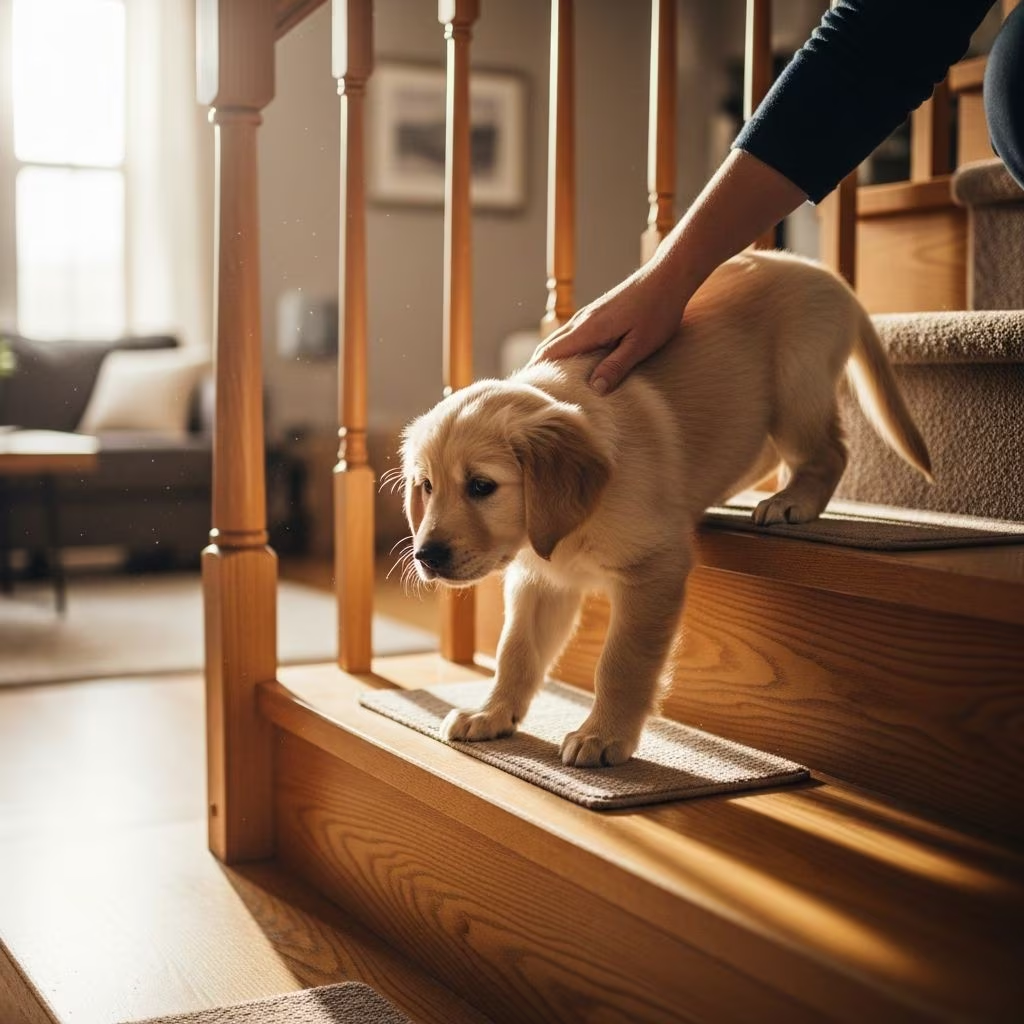
Dogs often develop a fear of stairs due to past slips, physical discomfort, or unfamiliar designs, but targeted training and adjustments can restore their confidence. This comprehensive guide explores causes, symptoms, solutions, and prevention for a smoother home life.
Understanding Why Dogs Avoid Stairs
Stair aversion in dogs stems from various factors, blending instinctual caution with learned behaviors. Puppies rescued from high places may associate steps with trauma, while older dogs face joint strain from repetitive climbing. Environmental elements like steep inclines or glossy surfaces amplify hesitation, triggering a natural self-preservation response.
- Traumatic Experiences: A single slip can imprint lasting wariness, especially on hard floors where paws lose traction.
- Physical Limitations: Aging joints or injuries make ascent painful, leading to avoidance.
- Design Challenges: Narrow, steep, or open-tread stairs confuse depth perception, mimicking unsafe voids to canine eyes.
- Breed Tendencies: Larger breeds prone to hip issues show higher reluctance as conditions progress.
Recognizing these roots allows owners to tailor interventions, preventing escalation into full phobia.
Spotting Signs of Stair-Related Anxiety or Pain
Early detection differentiates fear from medical issues, ensuring appropriate action. Watch for behavioral cues during stair encounters to gauge severity.
| Sign | Fear Indicator | Pain Indicator |
|---|---|---|
| Hesitation at base/top | Tail tucked, ears back, trembling | Limping, whining, stiffness |
| Mid-flight freeze | Panting, avoidance pacing | Favoring one leg, slow descent |
| Sudden refusal | Previous confidence lost abruptly | Accompanied by general lameness |
| Body Language | Crouched posture, wide eyes | Guarding hips/knees |
Consistent observation helps track patterns; video sessions reveal subtle shifts missed in real-time.
Prioritizing Professional Health Evaluations
Before behavioral fixes, rule out underlying conditions. Sudden changes signal potential arthritis, dysplasia, or injuries demanding veterinary insight.
Exams may include X-rays, mobility assessments, or chiropractic reviews. Treatments like anti-inflammatories, supplements, or therapy restore comfort, enabling training success. For chronic cases, vets suggest ramps or slings to bypass stairs entirely.
Physical barriers often masquerade as fear; addressing pain first unlocks progress.Behavior Specialist Tip
Building Confidence Through Positive Training Techniques
Desensitization paired with rewards reshapes associations, progressing at the dog’s pace. Start sessions in low-stress times, using high-value treats like chicken or cheese.
- Approach Rewards: Mark and treat proximity to stairs without pressure; repeat until voluntary nearness.
- Single Paw Placement: Lure one paw onto the first step, rewarding instantly; avoid pulling.
- Step-by-Step Advance: Treat for each additional step, alternating up/down directions.
- Full Traverse Fun: Toss treats ahead upon completion, turning it into play.
- Daily Reps: Short 5-10 minute sessions, 3-5 times daily, build momentum.
Tools like clickers sharpen timing, while leashes provide gentle guidance without force. Patience yields results in days for mild cases, weeks for severe ones.
Modifying Your Home for Safer Stair Navigation
Environmental tweaks reduce slip risks and visual fears, complementing training. Simple changes yield immediate gains.
- Grip Enhancers: Install carpet runners or non-slip treads on slick surfaces for secure footing.
- Visual Aids: Drape blankets over open or floating stairs to fill perceived gaps.
- Lighting Upgrades: Brighten areas to improve depth judgment, especially for night use.
- Mobility Supports: Harnesses or slings lift hindquarters, easing joint load during transitions.
- Ramp Alternatives: Portable ramps for key staircases bypass climbing altogether.
Trim nails regularly for optimal grip. These adaptations suit seniors or breeds with orthopedic risks exceptionally well.
Tailored Approaches for Puppies, Adults, and Seniors
Age influences strategy; customize for best outcomes.
Puppies: Prevention and Play
Expose young dogs gradually via toy-chasing games on low steps, fostering positive links early.
Adults: Targeted Desensitization
Mature dogs respond to structured sessions addressing specific triggers like descent fear.
Seniors: Comfort-First Solutions
Prioritize aids reducing physical demand, monitoring for arthritis progression.
Advanced Tools and Professional Assistance
For persistent cases, anxiety wraps like ThunderShirts calm nerves, or certified trainers employ counter-conditioning. Physical therapy builds strength, while ramps become permanent fixtures in multi-level homes.
Track via journals: note session durations, treat types, and progress metrics for refinements.
Preventing Future Stair Aversions
Proactive habits maintain gains: routine vet checkups catch issues early, consistent training reinforces skills, and home audits ensure safety. Multi-dog homes benefit from paired practice, leveraging pack dynamics positively.
Frequently Asked Questions
Why do some dogs suddenly fear stairs they’ve used before?
Often pain from undetected injuries or age-related wear; vet evaluation clarifies.
Can treats alone fix stair phobia?
Combined with gradual exposure, yes; high-value rewards motivate without force.
Is it safe to carry a reluctant dog up stairs?
Avoid if possible; it reinforces fear. Use supports instead for controlled practice.
How long until my dog overcomes stair fear?
1-4 weeks with daily practice; varies by cause severity and consistency.
What if training doesn’t work?
Consult a veterinary behaviorist for deeper assessment, possibly medication-aided plans.
References
- What to Do if Your Dog Struggles with Stairs — Lola Hemp. 2023. https://lolahemp.com/blogs/dog-health/dog-afraid-of-stairs
- Why Is My Dog Afraid Of Stairs? — ThunderShirt. 2023. https://thundershirt.com/blogs/news/why-is-my-dog-afraid-of-stairs
- Help for Dogs With a Healthy Phobia of Stairs — Whole Dog Journal. 2023. https://www.whole-dog-journal.com/behavior/help-for-dogs-with-a-healthy-phobia-of-stairs/
- Is Your Dog Scared of Stairs? Here’s How to Help Them Get Over It — Kinship. 2023. https://www.kinship.com/dog-behavior/dog-scared-of-stairs
- Afraid of the stairs? Or of getting into/out of the car? — Humane Society of Huron Valley. 2023. https://www.hshv.org/afraid-of-the-stairs-or-of-getting-into-out-of-the-car/



