

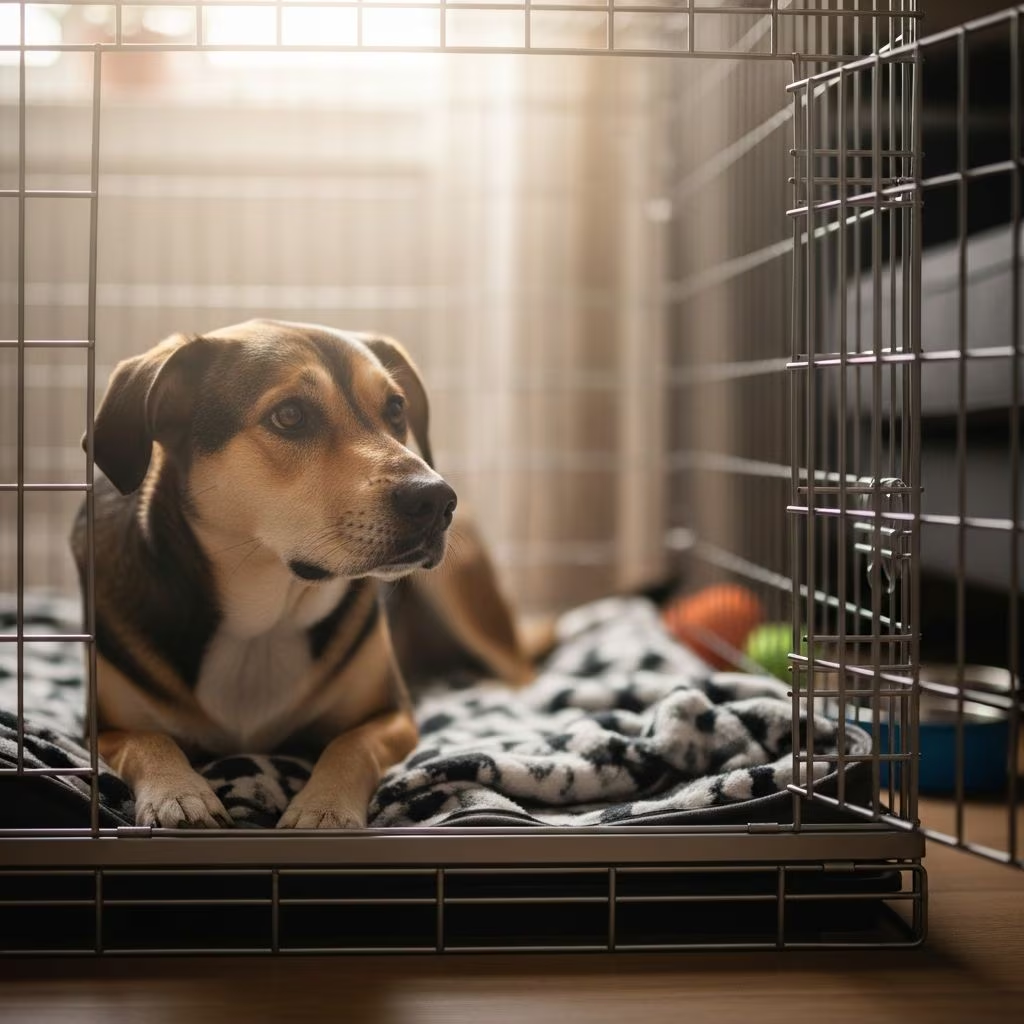
Crate training provides dogs with a secure, den-like environment that promotes safety and aids in housebreaking. However, many owners face hurdles when their pets resist confinement, leading to stress for both parties. This guide explores proven strategies to identify and resolve these issues, drawing on positive reinforcement techniques to foster comfort and willingness.
Understanding Why Dogs Resist the Crate
Dogs may view crates as traps rather than retreats due to past negative experiences, improper sizing, or isolation. Common signs include whining, pawing at the door, or outright refusal to enter. Recognizing these behaviors early allows for targeted interventions.
- Fear of enclosure: Some dogs panic at the sight of bars or doors.
- Separation distress: Crating in isolation heightens anxiety.
- Physical discomfort: Wrong size or lack of bedding causes unease.
Addressing root causes through gradual exposure prevents escalation into aggression or chronic stress.
Selecting the Ideal Crate Setup
The foundation of successful crate training lies in choosing equipment that suits your dog’s needs. Opt for crates with good ventilation and sturdy construction to ensure safety.
| Crate Type | Best For | Key Features |
|---|---|---|
| Wire | Adults, visibility lovers | Breathable sides, divider panels |
| Plastic | Puppies, travel | Secure latch, airline-approved |
| Soft-sided | Small breeds, portability | Lightweight, collapsible |
| Modular | Growing pups | Removable top/panels |
Position the crate in a family area to reduce feelings of abandonment. Add soft bedding and familiar scents for immediate appeal.
Building Positive Associations Step by Step
Transform the crate into a rewarding destination using treats and play. Begin with the door open wide.
- Scatter high-value treats near the entrance to encourage sniffing.
- Toss rewards inside, praising voluntary entry.
- Feed meals inside to link crating with mealtime joy.
- Introduce short closures with ongoing treats through the bars.
For severe aversion, disassemble the crate—remove the top for bottom-only sessions—rebuilding comfort incrementally.
Managing Whining and Barking Effectively
Vocal protests often stem from attention-seeking or discomfort. Ensure potty needs are met first, then ignore noise while rewarding silence.
- Wait for a 3-5 second quiet pause before opening the door.
- Use a marker like “yes!” to signal calm behavior.
- Gradually extend quiet durations to build tolerance.
Avoid the cry-it-out method, as it heightens anxiety without teaching self-soothing.
Handling Crate Regression in Trained Dogs
Sudden resistance after prior success signals changes like health issues, environmental shifts, or routine disruptions. Reassess setup: check for cleanliness, comfort, and location.
Restart training with brief, rewarding sessions:
- Toss toys inside for self-discovery.
- Pair entry with praise and chews.
- Avoid force, which amplifies fear.
Advanced Techniques for Stubborn Cases
Counterconditioning alters emotional responses by pairing crate proximity with nonstop rewards until triggers elicit excitement over fear.
Incorporate enrichment:
- Stuffed Kongs or lick mats for prolonged engagement.
- Calming aids like pheromone diffusers or white noise.
Desensitization involves gradual door handling: touch, latch without closing, then brief shuts with treats.
Age-Specific Crate Training Tips
Puppies
Start young with play crates. Use games like treat surprises: drop goodies inside unnoticed, letting discovery spark interest.
Adult Rescues
Trauma may underlie resistance. Proceed slowly, respecting boundaries to rebuild trust.
Common Mistakes to Avoid
- Using as punishment: Undermines positivity.
- Oversized crates: Encourage elimination inside.
- Inconsistency: Confuses learning.
- Rushing progress: Breeds setbacks.
Enhancing Comfort and Engagement
Make the space irresistible with rotating toys and bedding washes. Interactive puzzles keep minds occupied, reducing boredom-induced fussing.
Frequently Asked Questions
How long should I crate my dog?
Puppies: 1 hour max per month of age initially. Adults: 4-6 hours daytime, overnight okay with breaks.
What if my dog shows aggression near the crate?
Feed through bars from a distance, advancing as relaxation grows.
Can I crate overnight right away?
Build up gradually; start bedside for security.
Is crate training cruel?
No, when done positively—it’s a natural den instinct.
How to stop escape attempts?
Secure latches; exercise first to expend energy.
Long-Term Success Strategies
Practice daily short sessions beyond necessities. Vary routines to generalize comfort across locations. Monitor for health cues like pacing, consulting vets if persistent.
Consistency yields a dog who enters eagerly, viewing the crate as haven amid chaos.
References
- Ask Crystal: Crate Training Troubleshooting — Blue Ridge Humane Society. 2023. https://www.blueridgehumane.org/crate-training-troubleshooting/
- What to Do When Crate Training Isn’t Working — Michele Lennon, How to Train a Dream Dog (YouTube). 2023. https://www.youtube.com/watch?v=ZbF_2APEubw
- Why Dogs Regress in Crate Training — Rock Creek Crates. 2024-01-15. https://rockcreekcrates.com/blogs/news/dealing-with-crate-training-regression-why-your-dog-suddenly-hates-their-crate-and-how-to-fix-it
- 2 Secrets for Crate Training Success — Leash and Learn NYC. 2023. https://leashandlearnnyc.com/2-tips-for-crate-training-success/
- Dog Crating Difficulties — Whole Dog Journal. 2023-05-20. https://www.whole-dog-journal.com/training/dog-crating-difficulties/
- Dog Crate Anxiety: 8 Ways To Reduce Anxiety — Diggs Pet. 2024. https://www.diggs.pet/blogs/posts/dog-crate-anxiety
- Solving Dog Crate Training Problems — So Much PETential. 2023. https://somuchpetential.com/solving-dog-crate-training-problems/



