

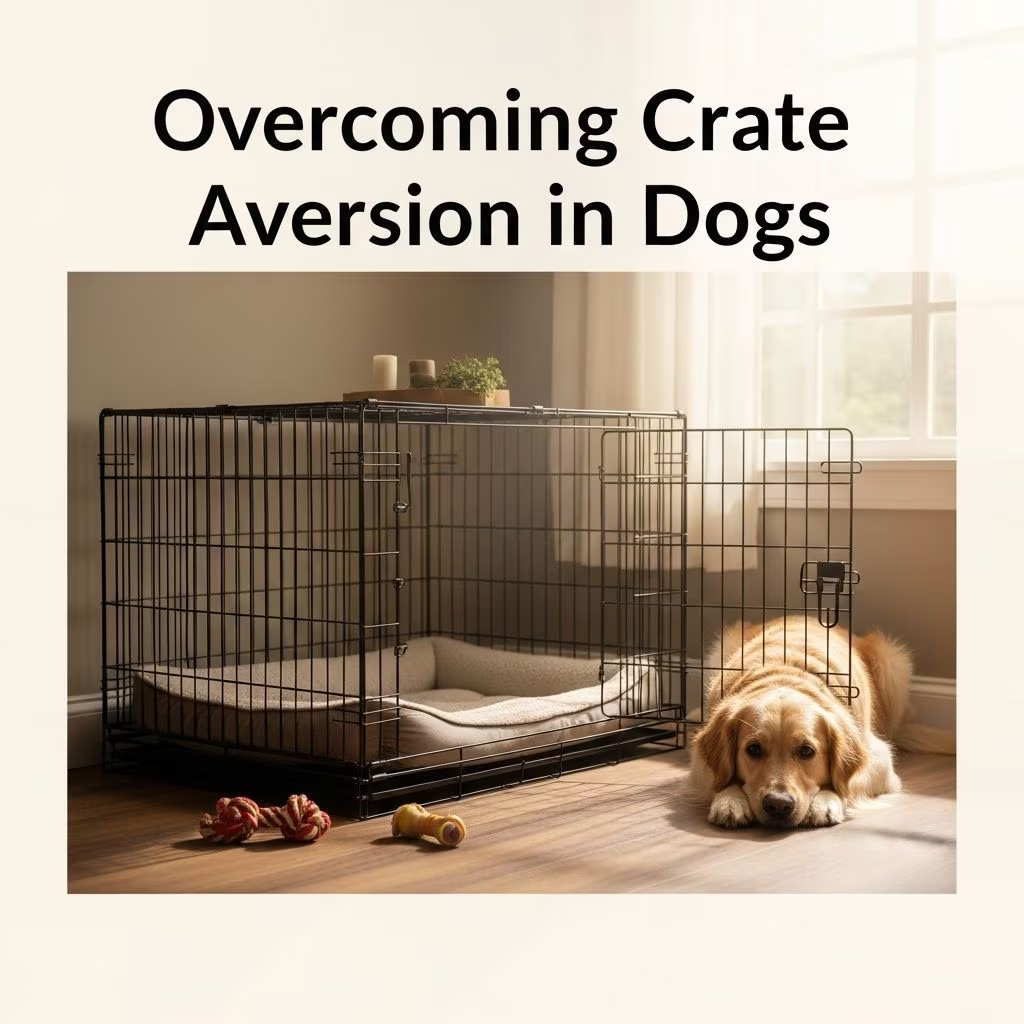
Many dog owners face the challenge of a pet that dreads entering the crate, turning what should be a helpful tool into a source of stress. Crate training offers benefits like safer travel, better house manners, and a cozy den-like retreat, but resistance can stall progress. This guide provides fresh strategies to rebuild your dog’s comfort with confinement using patience, positivity, and smart adjustments.
Understanding Why Dogs Resist the Crate
Dogs may view crates as traps rather than homes due to past negative experiences, improper sizing, or rushed introductions. Puppies, in particular, need gradual exposure during their adaptable early weeks to associate the space with safety. Signs of aversion include whining, pawing at the door, or outright refusal to enter, often stemming from feeling isolated or uncomfortable.
Environmental factors play a role too. A drafty, bare crate in a lonely corner amplifies anxiety, while health issues like urinary discomfort can mimic behavioral resistance. Observing your dog’s body language—tail tucking, pacing, or avoidance—helps pinpoint the root cause before applying fixes.
Selecting the Perfect Crate Setup
Start with the right equipment. Measure your dog from nose to tail base and height to ensure the crate allows standing, turning, and lying down without excess room, which can encourage soiling or restlessness. For growing puppies, use dividers to shrink space initially.
Enhance comfort with soft, washable bedding like memory foam pads that retain shape. Add breathable blankets for warmth and familiarity—items scented with your smell work wonders. Position the crate in a high-traffic family area to prevent isolation feelings, covered partially with a breathable sheet at night for den-like security.
| Crate Feature | Recommendation | Benefit |
|---|---|---|
| Size | Snug fit: stand, turn, lie | Promotes security, aids potty training |
| Bedding | Memory foam + blanket | Increased comfort, positive associations |
| Location | Family room, eye-level view | Reduces loneliness |
| Cover | Breathable fabric, partial | Simulates den, dims light |
Building Positive Associations Step by Step
Counter fear by linking the crate to rewards. Begin with the door open wide, tossing high-value treats inside randomly. Praise lavishly when your dog investigates voluntarily—no forcing. Progress to feeding meals inside: place the bowl at the back to encourage full entry.
- Day 1-3: Treat tosses, short visits (5-10 seconds), door open.
- Day 4-7: Meals inside, toys like stuffed Kongs for lingering.
- Week 2: Close door for 1-2 minutes post-meal, extend gradually.
For severe cases, disassemble wire crates by removing the top, training on the base alone first. This reduces intimidation, rebuilding confidence layer by layer.
Addressing Whining and Barking Effectively
Noise often escalates when owners respond too quickly, reinforcing the behavior. Ensure potty needs are met pre-crating. Wait for a quiet moment—even seconds—before releasing, marking it with a cheerful “yes!” and treat. Gradually demand longer silences.
Avoid the cry-it-out approach, as studies and trainers note it heightens stress without resolution. Instead, desensitize triggers: if door closing sparks fussing, practice brief closures with immediate rewards during calm.
Handling Regression in Crate Training
Sudden backsliding happens from life changes like moves or illness. Reassess setup: rule out medical issues via vet check. Reset by shortening sessions, amplifying rewards, and slowing pace to match your dog’s comfort.
Countercondition by pairing crate proximity with treats, advancing as relaxation grows. Patience prevents overwhelm—rushed retraining cements negativity.
Common Mistakes and How to Sidestep Them
Avoid these pitfalls for smoother success:
- Starting Too Late: Introduce crates in puppyhood for natural adaptation.
- Wrong Size: Too big leads to accidents; too small causes discomfort.
- Inconsistency: Varying routines confuses dogs—stick to schedules.
- Force Entry: Physical pushing builds resentment; lure instead.
- Ignoring Comfort: Bare crates feel punitive—always enrich.
Advanced Techniques for Stubborn Cases
For persistent aversion, try clicker training: click for entry, then door taps, feeding treats post-click. Combine with play: hide toys inside during games. For anxiety tied to isolation, use puppy pens around the crate initially, easing transition.
Monitor progress with a journal: note session lengths, reactions, and triggers. Adjust based on patterns, consulting pros if no improvement in weeks.
Long-Term Success: Integrating Crate into Daily Life
Once comfortable, use crates proactively: short naps, travel prep, alone time. Rotate toys to maintain interest, varying rewards. Fade reliance gradually as house manners solidify, but keep as optional retreat.
Benefits extend to safety during emergencies and reduced separation anxiety. Consistent positivity turns the crate into your dog’s cherished spot.
Frequently Asked Questions
How long does crate training take?
Typically 2-4 weeks for basics, longer for rescues. Go at your dog’s pace.
What if my adult dog hates the crate?
Treat as new: disassemble if needed, heavy rewards, short sessions.
Is crating cruel?
No, when done right—it’s species-appropriate, mimicking dens.
My dog soils the crate—what now?
Check size, health; clean thoroughly, limit water pre-bed.
Can I cover the crate all day?
Partial cover ok, ensure ventilation; full at night.
References
- Ask Crystal: Crate Training Troubleshooting — Blue Ridge Humane Society. 2023. https://www.blueridgehumane.org/crate-training-troubleshooting/
- 11 Common Crate Training Mistakes and How to Avoid Them — How to Train a Dream Dog. 2024. https://www.howtotrainadreamdog.com/crate-training-mistakes/
- Dog Crating Difficulties — Whole Dog Journal. 2023-10-01. https://www.whole-dog-journal.com/training/dog-crating-difficulties/
- Help! My Puppy Hates the Crate — Karen Pryor Clicker Training. 2022. https://clickertraining.com/help-my-puppy-hates-the-crate/
- Solving Dog Crate Training Problems — So Much PETential. 2024. https://somuchpetential.com/solving-dog-crate-training-problems/



