

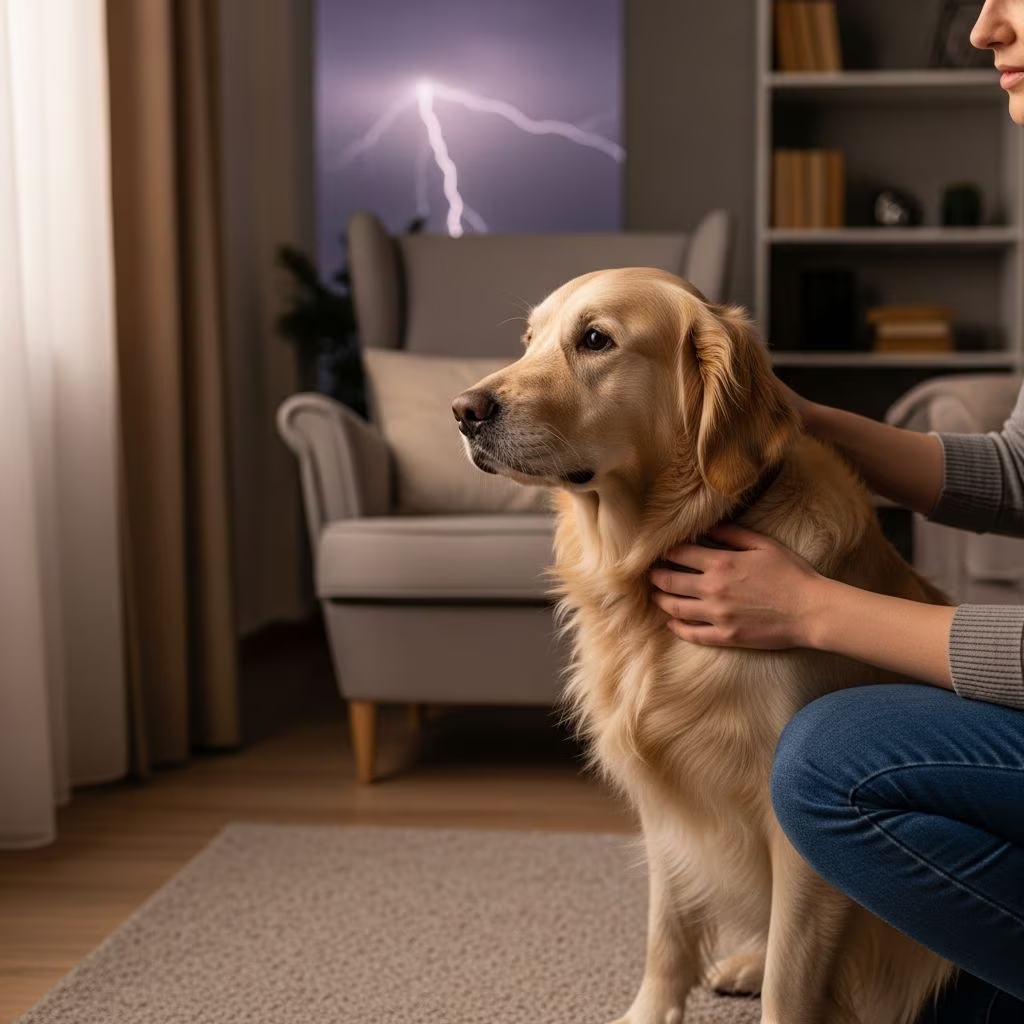
Dogs often display intense fear toward loud, sudden noises like thunderstorms, fireworks, or gunfire, a condition known as noise aversion or phobia. This response can escalate from mild trembling to severe panic, impacting their well-being and household harmony. Early recognition and intervention are crucial to prevent worsening symptoms and enhance quality of life.
Recognizing the Signs of Noise Sensitivity in Dogs
Noise phobias manifest through observable behaviors that signal distress. Common indicators include pacing, panting, drooling, hiding, whining, or attempts to escape. In extreme cases, dogs may exhibit destructive actions, loss of bladder control, or self-injury from frantic efforts to flee.
These reactions stem from the dog’s heightened sensitivity to auditory stimuli, triggering the fight-or-flight response. Unlike normal caution, phobic responses are disproportionate and persistent, often worsening with repeated exposure without intervention.
- Trembling or shaking: A primary physical sign of anxiety.
- Vocalizing: Barking, howling, or whimpering excessively.
- Destructive behavior: Chewing furniture or scratching doors during episodes.
- Physiological changes: Dilated pupils, elevated heart rate, or gastrointestinal upset.
Owners should monitor for these during predictable events like holidays or storms to differentiate from other anxieties.
Root Causes Behind Dogs’ Fear of Loud Sounds
Several factors contribute to noise aversion. Genetics play a significant role, particularly in breeds like herding dogs and pointers, where multiple genes may influence sensitivity. Lack of early socialization exposes puppies to insufficient varied sounds, hindering habituation.
Additionally, repeated unaddressed exposures can sensitize dogs, amplifying fear over time. Environmental triggers beyond sound, such as barometric pressure drops or static electricity during storms, may compound the issue. Traumatic first encounters can also imprint lasting aversion.
| Factor | Description | Examples |
|---|---|---|
| Genetic Predisposition | Inherited sensitivity in certain breeds | Pointers, herding breeds |
| Lack of Socialization | Missed exposure during puppyhood | No controlled noise introduction |
| Sensitization | Fear intensified by repeats | Untreated storm exposures |
| Environmental Cues | Non-auditory storm signals | Pressure changes, ozone |
Environmental Adjustments for Immediate Comfort
Creating a secure space is foundational. Designate a quiet, interior room away from windows, padded with blankets for a den-like feel. Close curtains to block flashes and play white noise or calming music to mask sounds.
Distraction aids like puzzle toys or chew items engage the dog positively. Calming wraps or vests apply gentle pressure, mimicking swaddling for reassurance. Pheromone diffusers release appeasing scents to promote relaxation.
These measures reduce stimulus intensity but serve as adjuncts, not standalone cures.
Behavior Modification Techniques That Work
Systematic desensitization introduces noises at sub-threshold levels, gradually increasing volume while maintaining calm. Pair with counterconditioning, associating sounds with rewards like treats to rewire emotional responses.
Start sessions in a controlled setting using apps or CDs simulating thunder or fireworks. Progress only when the dog remains relaxed, rewarding heavily. Professional guidance from veterinarians or certified behaviorists ensures safety and efficacy, avoiding fear escalation.
Combining both methods yields best results, often requiring weeks to months of consistency.
Pharmacological Interventions for Severe Cases
For moderate to severe phobias, medications target neurological underpinnings. Short-acting options like benzodiazepines (e.g., alprazolam 0.02-0.04 mg/kg) provide as-needed relief when given preemptively.
FDA-approved treatments include dexmedetomidine oromucosal gel (Sileo®), effective in 75% of cases per studies, and imepitoin (Pexion®). These reduce panic without heavy sedation. Long-term options like clomipramine or SSRIs address underlying anxiety.
- Short-term: Clonidine, trazodone, dexmedetomidine gel
- Long-term: TCAs (amitriptyline), SSRIs
Consult veterinary behaviorists for tailored plans, monitoring for side effects like transient vomiting.
Integrating a Multimodal Treatment Plan
Optimal management combines environmental tweaks, behavior training, and pharmacology. Begin with diagnosis via checklists assessing reaction severity. Initiate meds early to halt progression, layering in desensitization.
Track progress with journals noting trigger responses pre- and post-intervention. Adjust based on improvements, aiming for normal behavior during events. For comorbid issues like separation anxiety, comprehensive therapy is essential.
Prevention Strategies for Puppies and Young Dogs
Proactive socialization during the critical 3-14 week window builds resilience. Expose pups to low-level recordings of fireworks, vacuums, and storms paired with play and treats.
Consistent positive experiences prevent sensitization. Breeders and owners should prioritize diverse sound exposure in safe contexts.
Common Triggers and Seasonal Challenges
Thunderstorms top the list, followed by fireworks on holidays. Gunfire, construction, or household appliances also provoke. Storm cues like wind or darkness can precede noise, signaling preemptive action.
Prepare for peaks like July 4th or New Year’s with advance protocols.
FAQs on Managing Dog Noise Fears
Q: Can noise phobias develop suddenly in adult dogs?
A: Yes, though often building gradually; trauma or life changes can trigger onset.
Q: Is it safe to use over-the-counter calming aids?
A: Consult vets first; some interact with prescriptions or mask symptoms.
Q: How long until desensitization shows results?
A: Typically weeks to months with daily practice under guidance.
Q: What if my dog injures themselves during panic?
A: Seek immediate vet care; preventive meds and safe spaces mitigate risks.
Q: Are certain breeds more prone?
A: Herding and pointer breeds show higher genetic risk.
Long-Term Outlook and Quality of Life Improvements
With multimodal approaches, most dogs achieve significant relief, resuming normal activities. Early treatment prevents chronic anxiety, fostering confident companions. Regular vet check-ins ensure sustained success.
References
- Noise Aversion: Stop the Suffering with Early Diagnosis and Treatment — Today’s Veterinary Practice. 2023. https://todaysveterinarypractice.com/sponsored/noise-aversion-stop-the-suffering-with-early-diagnosis-and-treatment/
- Noise Aversion in Dogs – Causes, Treatment and… — Vetster. 2024. https://vetster.com/en/conditions/dog/noise-aversion-in-dogs
- Noise reactivities and phobias in dogs: Implementing effective drug therapy — dvm360. 2023. https://www.dvm360.com/view/noise-reactivities-and-phobias-dogs-implementing-effective-drug-therapy
- Noise phobias in dogs — PDSA. 2024. https://www.pdsa.org.uk/pet-help-and-advice/pet-health-hub/conditions/noise-phobias-in-dogs
- Fear of Noises in Dogs — VCA Animal Hospitals. 2024. https://vcahospitals.com/know-your-pet/fear-of-noises-and-places-in-dogs
- Understanding and Managing Noise Phobia in Dogs — Rex Specs. 2023. https://www.rexspecs.com/blogs/news/understanding-and-managing-noise-phobia-in-dogs-training-and-tips-for-a-calmer-canine



