

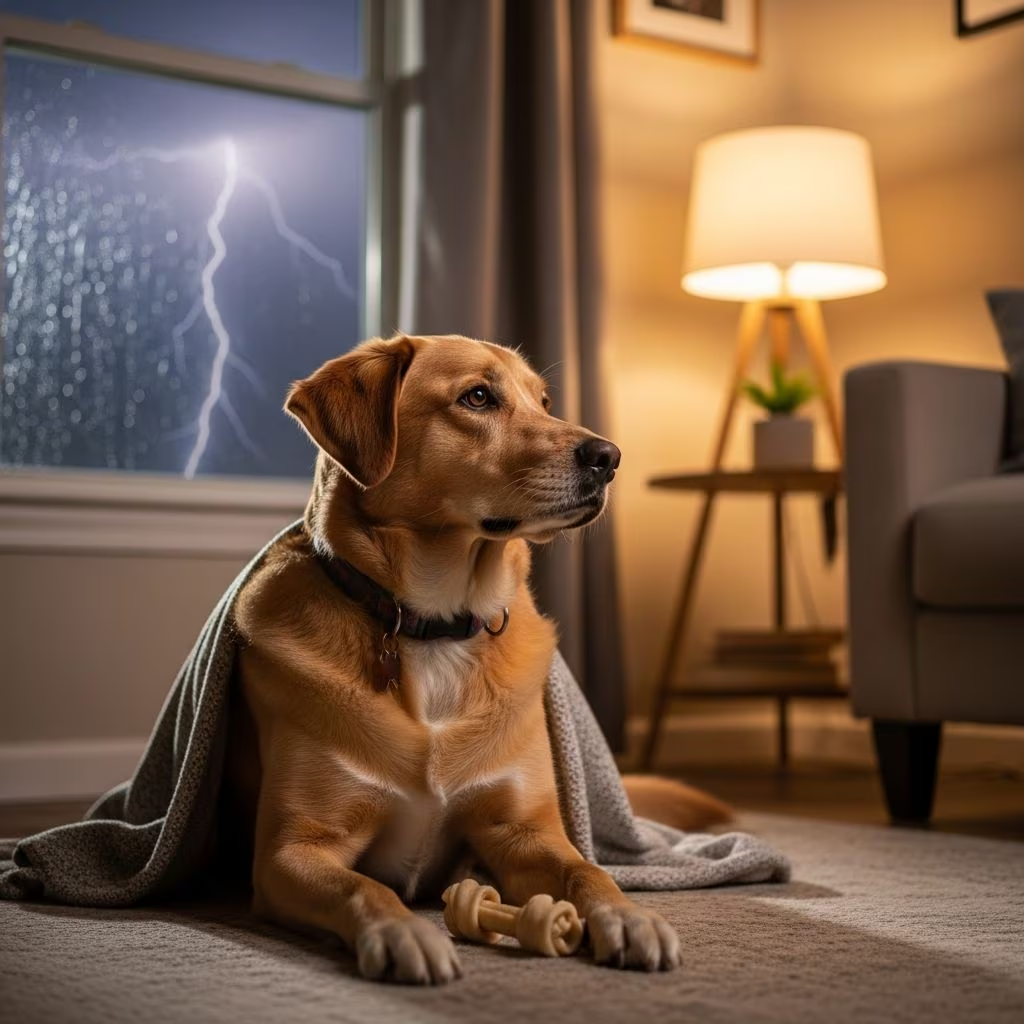
Dogs often develop intense fears toward loud, sudden sounds like thunderstorms, fireworks, or gunfire, a condition known as noise aversion or noise phobia. This response goes beyond normal caution, leading to panic that can harm the dog’s well-being and household peace. Early recognition and intervention are crucial to prevent escalation.
Recognizing the Signs of Noise Distress in Dogs
Spotting noise aversion early helps in managing it effectively. Common indicators include trembling, pacing, drooling, hiding, destructive chewing, or attempts to escape. These reactions stem from the dog’s sympathetic nervous system activating a fight-or-flight response, making rational behavior impossible during events.
- Trembling or shaking: A physical manifestation of anxiety.
- Panting and drooling: Signs of stress even without physical exertion.
- Destructive behavior: Chewing walls or doors out of panic.
- Escape attempts: Risking injury by trying to break through windows or fences.
- Vocalizing: Excessive barking, whining, or howling.
Severity varies; mild cases show subtle unease, while severe ones involve self-injury or aggression. Observation during predictable events like fireworks on holidays reveals patterns.
Root Causes Behind Dogs’ Sensitivity to Sounds
Understanding why dogs fear noises informs treatment. Genetics play a role, particularly in breeds like herding dogs and pointers, where multiple genes may contribute to sensitivity. Lack of early socialization exposes puppies to insufficient varied sounds during critical periods (3-12 weeks), heightening later fears.
Additionally, repeated exposure without positive associations can sensitize dogs, worsening aversion over time. Environmental factors, such as isolation during events, reinforce negative links. Thunderstorms trigger not just sound but barometric changes, static, and light flashes, complicating the phobia.
| Cause | Description | Contributing Factors |
|---|---|---|
| Genetic Predisposition | Inherited sensitivity in certain breeds | Herding breeds, pointers |
| Early Life Experiences | Lack of sound exposure in puppyhood | Missed socialization window |
| Learned Fear | Negative associations from past events | Repeated unmitigated exposure |
| Multisensory Triggers | Beyond sound: pressure, light changes | Storm-specific cues |
Creating a Supportive Home Environment
Environmental adjustments form the foundation of management. Designate a “safe space” like a crate covered with blankets or an interior room to muffle sounds. Close windows, draw blinds, and play calming music or white noise to mask triggers.
Comfort items such as favorite toys, beds, or pheromone diffusers (e.g., Adaptil) promote security. Calming wraps or vests apply gentle pressure, mimicking swaddling for reassurance. Distract with puzzle toys or chew items during early warning signs.
- Use thunder-detecting apps for advance preparation.
- Provide high-value treats in the safe space routinely to build positive ties.
- Avoid comforting during panic, as it may reinforce fear; stay neutral.
These steps alone rarely suffice for moderate to severe cases but pair well with other therapies.
Behavior Modification Techniques That Work
Systematic desensitization and counterconditioning are gold-standard non-drug approaches. Desensitization gradually exposes the dog to recorded noises at sub-threshold volumes, slowly increasing intensity while monitoring for calm. Counterconditioning pairs the sound with rewards like treats or play, reshaping emotional responses from fear to positivity.
Combine both for best results: start with low-volume recordings (e.g., thunderstorm apps), reward heavily, and progress only when relaxed. Professional guidance from certified behaviorists prevents setbacks, as improper implementation can heighten anxiety.
Session tips:
- Conduct 5-10 minute daily sessions in a quiet space.
- Volume starts barely audible, below fear threshold.
- End sessions positively before fatigue sets in.
Success rates improve with consistency, though not all dogs respond due to incomplete trigger replication (e.g., no static in recordings).
Pharmacological Interventions for Acute Relief
Medications target the neurological basis of noise aversion, providing rapid calm. Administer before triggers, using weather apps for timing. FDA-approved options include dexmedetomidine oromucosal gel (Sileo®), effective in 75% of cases vs. 33% placebo, with mild side effects like pale gums or vomiting. Imepitoin (Pexion®) suits ongoing management.
Other evidence-based drugs:
| Medication | Dosage Example | Use Case | Notes |
|---|---|---|---|
| Dexmedetomidine gel | Apply to gums, up to 5 doses/event | Acute noise events | FDA-approved |
| Imepitoin | Daily as prescribed | Chronic aversion | FDA-approved |
| Clonidine | 0.01-0.05 mg/kg | As-needed | Clinical studies support |
| Trazodone | 5-10 mg/kg | Pre-event | Reduces anxiety |
| Alprazolam | 0.02-0.04 mg/kg | Short-acting panic | Preferred benzodiazepine |
Veterinary behaviorists tailor plans, combining short-acting drugs for events with long-term options like SSRIs (e.g., fluoxetine) or TCAs (e.g., clomipramine) for comorbid anxieties.
Integrating a Comprehensive Treatment Plan
Multimodal approaches yield optimal outcomes: environment + behavior mod + meds. Start with vet diagnosis to rule out medical issues. For mild cases, focus on management and desensitization; severe require pharmacotherapy from onset.
Monitor progress with journals noting event response, medication effects, and training advances. Adjust as needed; some dogs need lifelong maintenance for recurrent triggers like seasonal storms. Comorbid conditions like separation anxiety often coexist, warranting holistic care.
Long-Term Strategies for Lasting Calm
Prevention emphasizes puppy socialization with diverse sounds. For adults, ongoing desensitization maintains gains. Lifestyle enhancements like regular exercise, mental stimulation, and routine reduce baseline anxiety, raising phobia thresholds.
Track seasonal patterns with apps alerting to storms or fireworks. Community resources, like quiet boarding during events, support management. Patience is key; improvements may take weeks to months.
Frequently Asked Questions (FAQs)
Can noise fears develop suddenly in adult dogs?
Yes, though often builds gradually. Sensitization from repeated events or life changes can trigger onset.
Is it safe to use over-the-counter calming aids?
Some like pheromone collars help mildly, but consult vets for severe cases; they don’t replace proven treatments.
How long does desensitization take?
Weeks to months, varying by dog. Consistency and professional oversight speed results.
Do all dogs outgrow noise phobia?
No, many persist without intervention. Early treatment prevents worsening.
Can medications make fears worse?
Rarely, if dosed incorrectly. Pre-event timing and vet monitoring minimize risks.
References
- Noise Aversion: Stop the Suffering with Early Diagnosis and Treatment — Today’s Veterinary Practice. 2023. https://todaysveterinarypractice.com/sponsored/noise-aversion-stop-the-suffering-with-early-diagnosis-and-treatment/
- Noise Aversion in Dogs – Causes, Treatment and … — Vetster. 2024. https://vetster.com/en/conditions/dog/noise-aversion-in-dogs
- Noise reactivities and phobias in dogs: Implementing effective drug therapy — dvm360. 2023. https://www.dvm360.com/view/noise-reactivities-and-phobias-dogs-implementing-effective-drug-therapy
- Noise Aversion in Dogs: Importance of Diagnosis and Treatment — Conroe Vets. 2024. https://www.conroevets.com/blog/noise-aversion-in-dogs-importance-of-diagnosis-and-treatment
- Fear of Noises in Dogs — VCA Animal Hospitals. 2024. https://vcahospitals.com/know-your-pet/fear-of-noises-and-places-in-dogs



