

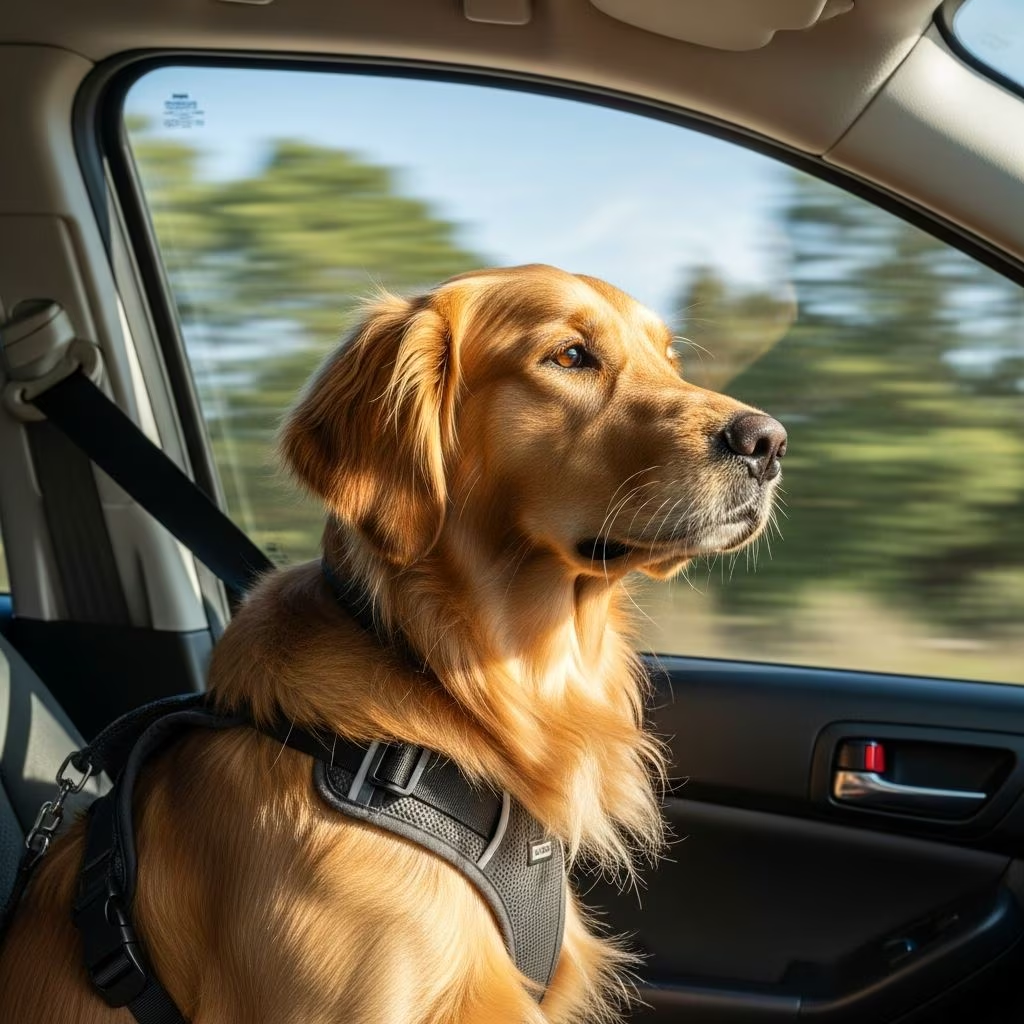
Dogs with car anxiety often exhibit distressing behaviors like panting, drooling, trembling, or even vomiting during rides, turning routine trips into ordeals for both pet and owner. This common issue stems from past negative experiences, motion sickness, or unfamiliarity with vehicles, but it can be effectively addressed through systematic behavioral interventions.
Recognizing the Signs of Car-Related Fear in Dogs
Early identification of car phobia symptoms allows for timely intervention. Common indicators include avoidance of the vehicle, whining or barking upon approach, excessive salivation, pacing, or attempts to escape once inside. Differentiating between true anxiety and motion sickness is crucial, as nausea can exacerbate fear through conditioned responses.
- Physical signs: Shaking, dilated pupils, rapid breathing, gastrointestinal upset.
- Behavioral cues: Refusal to enter the car, cowering, or shutdown responses like freezing.
- Contextual triggers: Engine noise, movement, or associations with stressful destinations like the vet.
Observing these patterns helps tailor a recovery plan, preventing escalation into severe phobias.
Unpacking the Root Causes Behind Vehicle Fears
Car anxiety frequently originates from traumatic events, such as accidents or frequent trips to unpleasant places. Rescue dogs may carry baggage from prior neglectful environments where cars symbolized abandonment. Motion sickness plays a role too, with inner ear imbalances causing nausea that links vehicles to discomfort. Genetic predispositions in certain breeds amplify sensitivity to novel stimuli.
Understanding these origins informs targeted strategies. For instance, dogs with nausea-driven fears benefit from anti-emetic treatments alongside behavioral work.
Building a Foundation: Preparing Your Dog for Success
Before direct car exposure, create a supportive home base. Teach a “settle” command using a mat or towel scented with calming pheromones or lavender, practicing until the dog relaxes on cue anywhere. Ensure the vehicle is clean and inviting, removing any lingering stress odors.
| Preparation Step | Purpose | Tips |
|---|---|---|
| Secure Restraints | Enhances safety and security | Use crash-tested harnesses or crates; never free-roam. |
| Comfort Items | Provides familiarity | Include favorite toys or blankets for sensory reassurance. |
| Climate Control | Prevents overheating stress | Adjust AC before entry; monitor temperature. |
Step-by-Step Desensitization Protocol
Desensitization involves gradual exposure to car elements at sub-threshold levels, preventing overwhelm. Begin far from the vehicle where the dog remains calm, rewarding proximity with high-value treats.
- Approach Training: Walk toward the car, stopping at the relaxation threshold. Reward calm behavior, retreating if tension rises.
- Entry Practice: Lure inside with treats or toys placed progressively deeper. Praise gently; exit together for walks as reinforcement.
- Stationary Sessions: Sit with doors open, engine off. Feed meals inside to build positive links.
- Engine Introduction: Run the motor briefly while offering rewards. If refusal occurs, use higher-value foods and shorten sessions.
Progress only when each stage elicits relaxation, potentially spanning weeks.
Mastering Counter-Conditioning Techniques
Counter-conditioning pairs car stimuli with positive outcomes, reshaping emotional responses. Every exposure must coincide with peak enjoyment, like play or favorite foods.
- Short trips to parks end with fun, not chores.
- Sensory enrichment via sniff games or toys diverts anxiety.
- Avoid food rewards if vomiting risks; opt for toys or praise.
For severe cases, incorporate a “cortisol vacation”—prolonged breaks from exposure to reset stress levels.
Enhancing Comfort with Practical Travel Aids
Secure positioning reduces disorientation. Elevated pet seats stabilize horizons, minimizing motion sickness. Calming aids like pheromone diffusers or anxiety wraps provide passive relief.
Consult vets for motion sickness meds like Cerenia, especially pre-training. Natural options include ginger supplements, vetted for safety.
Advanced Strategies for Stubborn Cases
If progress stalls, shorten sessions, reduce criteria (e.g., park vs. drive), or integrate medication to lower anxiety thresholds. Professional trainers employ protocols like nose-work integration, leveraging olfaction for calm. Daily consistency yields results; track via journals noting relaxation duration.
Safety First: Essential Gear and Habits
Always restrain dogs to prevent injury in accidents. Practice emergency exits during training. Hydrate frequently on long trips, with breaks for relief.
| Gear Type | Benefits | Recommendations |
|---|---|---|
| Harness | Easy access, secure | Crash-tested models like Sleepypod. |
| Crate | Den-like security | Ventilated, bolted to vehicle. |
| Seat | Reduces sway | Booster for small breeds. |
Long-Term Maintenance and Prevention
Once conquered, maintain gains with occasional positive rides. Puppies benefit from early, fun exposures to prevent phobias. Monitor for regressions, adjusting as needed.
Frequently Asked Questions
How long does it take to overcome car anxiety?
Timelines vary from weeks to months, depending on severity and consistency. Patience is key.
Can medication replace training?
No; meds support but don’t substitute behavior modification.
What if my dog vomits every time?
Address nausea first with vet-approved remedies, then desensitize.
Is crate training effective for travel?
Yes, for many dogs, providing a secure haven.
Should I force my dog into the car?
Never; it worsens fear. Use gentle luring.
References
- Overcoming Dog Car Anxiety — Oakland Veterinary Referral Services. 2023. https://www.ovrs.com/blog/overcoming-dog-car-anxiety/
- Understanding & Treating Car Anxiety in Dogs — YourDogsFriend (Dr. Kelly Engler, DVM). 2023. https://www.youtube.com/watch?v=hIMrM0VYvGY
- Dog Behavior and Training: Air and Car Travel — VCA Animal Hospitals. 2024-01-15. https://vcahospitals.com/know-your-pet/dog-behavior-and-training-traveling-air-and-car-travel
- How to REALLY Heal Your Dog’s Car Phobia — Choose to Train Humane (Annie Phenix). 2023. https://choosetotrainhumane.com/car-phobia/
- Understanding Your Dog’s Fear of Car Rides — Connecticut Veterinary Center. 2023-06-12. https://www.ctvetcenter.com/blog/understanding-your-dog-s-fear-of-car-rides-what-causes-car-anxiety.html
- How to Relieve Dog Car Anxiety and Fear of Car Rides — Best Friends Animal Society. 2024. https://bestfriends.org/pet-care-resources/how-relieve-dog-car-anxiety-and-fear-car-rides
- Addressing Dog Car Anxiety and Behavior Issues, Part 1 — Innovative K9 Academy. 2023. https://innovativek9academy.com/dog-training/dog-training-tips/addressing-dog-car-anxiety-and-behavior-issues-part-1



