

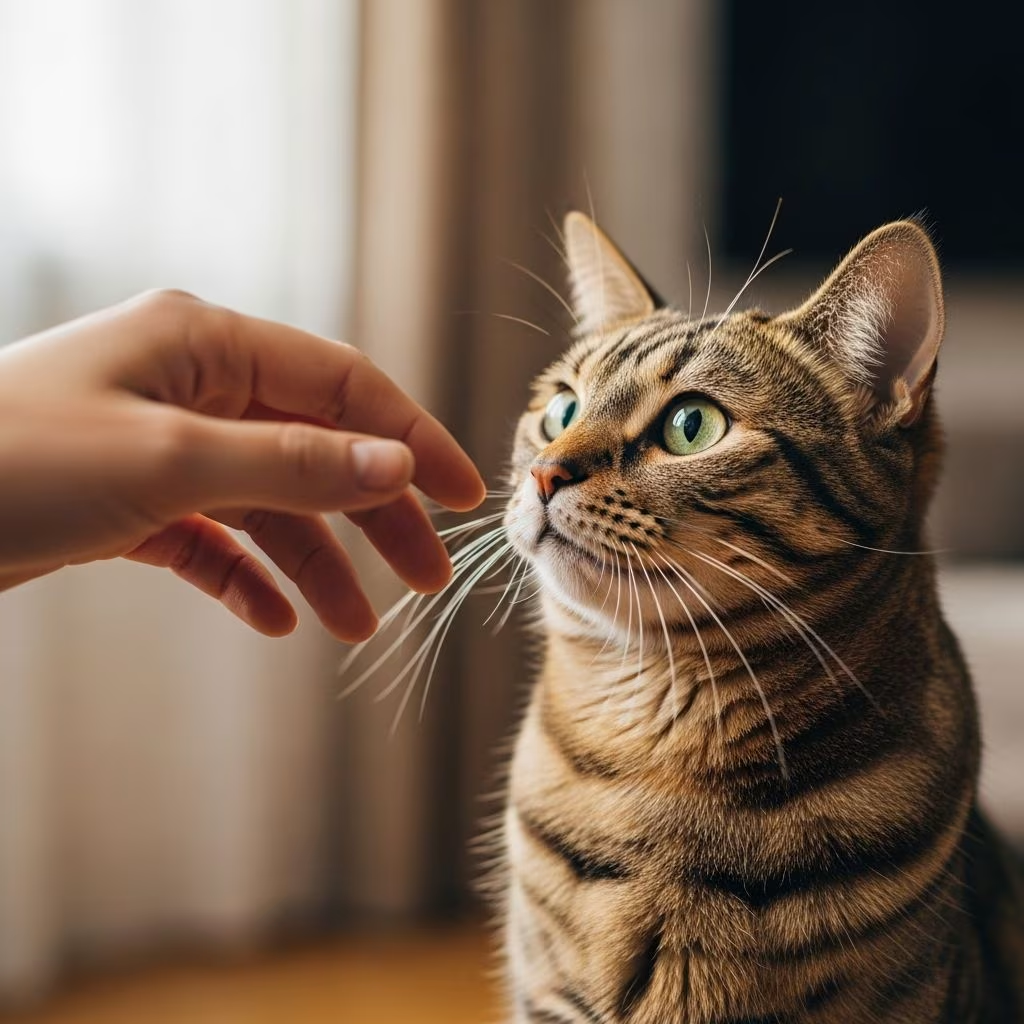
Ailurophobia represents a profound and often debilitating fear of cats, classified as a specific phobia that triggers intense anxiety upon encountering felines or related stimuli. This condition disrupts daily life for those affected, leading to avoidance behaviors and physical distress, yet it is highly treatable with targeted interventions.
Recognizing the Signs of Cat Phobia
Individuals with ailurophobia experience a range of symptoms that can escalate quickly when exposed to cats, their images, or even sounds like meowing. These manifestations span emotional, cognitive, and physiological domains, often culminating in panic attacks that mimic life-threatening events.
Emotional and Psychological Indicators
- Overwhelming dread or terror at the mere thought of cats.
- Persistent worry about accidental encounters, disrupting focus and sleep.
- Awareness that the fear is disproportionate, yet inability to control it.
- Racing thoughts predicting catastrophe, such as attacks or disease transmission.
- Anticipatory anxiety before entering potentially cat-populated areas.
Physical Manifestations
The body’s fight-or-flight response activates dramatically, producing symptoms like rapid heartbeat, shortness of breath, trembling, excessive sweating, nausea, dizziness, chest tightness, and dry mouth. These can intensify to the point of feeling faint or believing a heart attack is imminent.
Behavioral Responses
Avoidance dominates, with people altering routes, declining invitations to pet-friendly homes, or refusing media featuring cats. Children might cry or cling to caregivers, while adults withdraw socially to evade triggers.
Unraveling the Origins of Feline Fear
Ailurophobia rarely emerges without cause, stemming from a interplay of personal history, biology, and environment. Understanding these roots is crucial for effective management.
Traumatic Encounters
The primary catalyst is often a negative experience, particularly in childhood, such as being scratched, bitten, or startled by a cat. Even vicarious trauma—witnessing harm to others—can imprint lasting fear. Children’s underdeveloped coping skills amplify these events into lifelong phobias.
Neurological Mechanisms
The amygdala, the brain’s fear center, overreacts to cat stimuli, flooding the system with adrenaline and cortisol. This conditioned response bypasses rational thought, automating panic.
Learned and Cultural Influences
Observational learning from fearful family members, media portrayals of menacing cats, or cultural superstitions (e.g., black cats as omens) reinforce the phobia. Genetic predispositions to anxiety may heighten vulnerability.
| Trigger Type | Mild Reaction | Severe Reaction |
|---|---|---|
| Sight of cat from afar | Mild unease | Full panic attack |
| Cat sounds (meow, hiss) | Anxiety spike | Hyperventilation |
| Images/videos | Avoidance | Insomnia, nausea |
| Proximity | Sweating | Dizziness, flight urge |
Diagnosing Ailurophobia Accurately
Diagnosis follows DSM-5 criteria for specific phobias: marked fear disproportionate to actual danger, persistent for six months, causing distress or impairment, and not better explained by other disorders. Clinicians assess via interviews, ruling out generalized anxiety or PTSD. Self-awareness of irrationality distinguishes it from rational caution.
Proven Pathways to Recovery
Treatment focuses on desensitization and cognitive restructuring, yielding high success rates. Professional guidance ensures safe progress.
Cognitive Behavioral Therapy (CBT)
CBT challenges distorted beliefs (e.g., “All cats attack”) through evidence-based techniques, reducing fear’s cognitive grip.
Exposure Therapy Techniques
Gradual exposure progresses from imagining cats to viewing photos, then real interactions under controlled conditions. Virtual reality aids remote practice, minimizing distress.
Medication Options
Short-term anti-anxiety meds like benzodiazepines ease acute symptoms, while SSRIs manage chronic anxiety. These complement therapy, not replace it.
Complementary Approaches
- Mindfulness and relaxation training to regulate physiological responses.
- Hypnotherapy to reframe subconscious associations.
- Support groups for shared experiences and encouragement.
Self-Help Strategies for Daily Management
While professional help is ideal, interim tactics build resilience:
- Breathing Exercises: Practice 4-7-8 breathing (inhale 4s, hold 7s, exhale 8s) to interrupt panic.
- Progressive Muscle Relaxation: Tense and release muscle groups to counter trembling.
- Journaling: Track triggers and rational counterthoughts.
- Lifestyle Adjustments: Limit caffeine, prioritize sleep, exercise regularly.
Start with low-stakes exposure, like cat-free zones, gradually expanding comfort zones.
Impact on Lifestyle and Relationships
Ailurophobia limits travel, social events, and careers involving animals, straining bonds with cat-owning loved ones. Children face bullying or isolation. Untreated, it erodes quality of life, but recovery restores freedom.
Special Considerations for Children
Pediatric cases demand gentle, play-based interventions. Parental modeling of calm reduces transmission. Early therapy prevents entrenchment.
Myths and Facts About Cat Phobias
| Myth | Fact |
|---|---|
| It’s just shyness. | A true phobia impairs functioning severely. |
| You can ‘tough it out’ alone. | Professional therapy is most effective. |
| Cats sense and target phobics. | Cats respond to fear cues but aren’t malicious. |
| It’s untreatable. | 80-90% improve with exposure therapy. |
Frequently Asked Questions (FAQs)
Is ailurophobia the same as hating cats?
No, dislike is rational preference; phobia involves irrational, intense fear with physical symptoms.
Can ailurophobia develop suddenly in adults?
Yes, via trauma or stress, though childhood onset is common.
How long does treatment take?
Typically 8-12 sessions for CBT/exposure, varying by severity.
Are there home remedies?
Relaxation techniques help, but consult professionals for best results.
Does it affect cat owners?
Rarely; owners usually overcome via familiarity, but relapses occur.
Long-Term Outlook and Prevention
With intervention, most achieve significant relief, enjoying cat-inclusive environments. Prevention involves positive early exposures and addressing traumas promptly. Ongoing self-care sustains gains.
This guide empowers those with ailurophobia to seek help confidently, transforming fear into manageability.
References
- Ailurophobia — Fear of Cats | Causes, Symptoms, & Treatments — Interlude Hypnotherapy Sheffield. 2023. https://interludehypnotherapysheffield.com/ailurophobia-fear-of-cats/
- Ailurophobia, or Fear of Cats: Symptoms, Causes, Treatment — Healthline. 2023-10-10. https://www.healthline.com/health/ailurophobia
- Understanding Ailurophobia: The Fear of Cats — Hill’s Pet. 2024. https://www.hillspet.com/cat-care/resources/ailurophobia-and-cat-phobia
- The Ultimate Guide to Cat Anxiety — PetMD. 2024. https://www.petmd.com/cat/conditions/behavioral/c_ct_fear_phobia_anxiety
- Is Ailurophobia a Real Phobia? – Fear of Cats — Psych Central. 2023. https://psychcentral.com/anxiety/ailurophobia



