

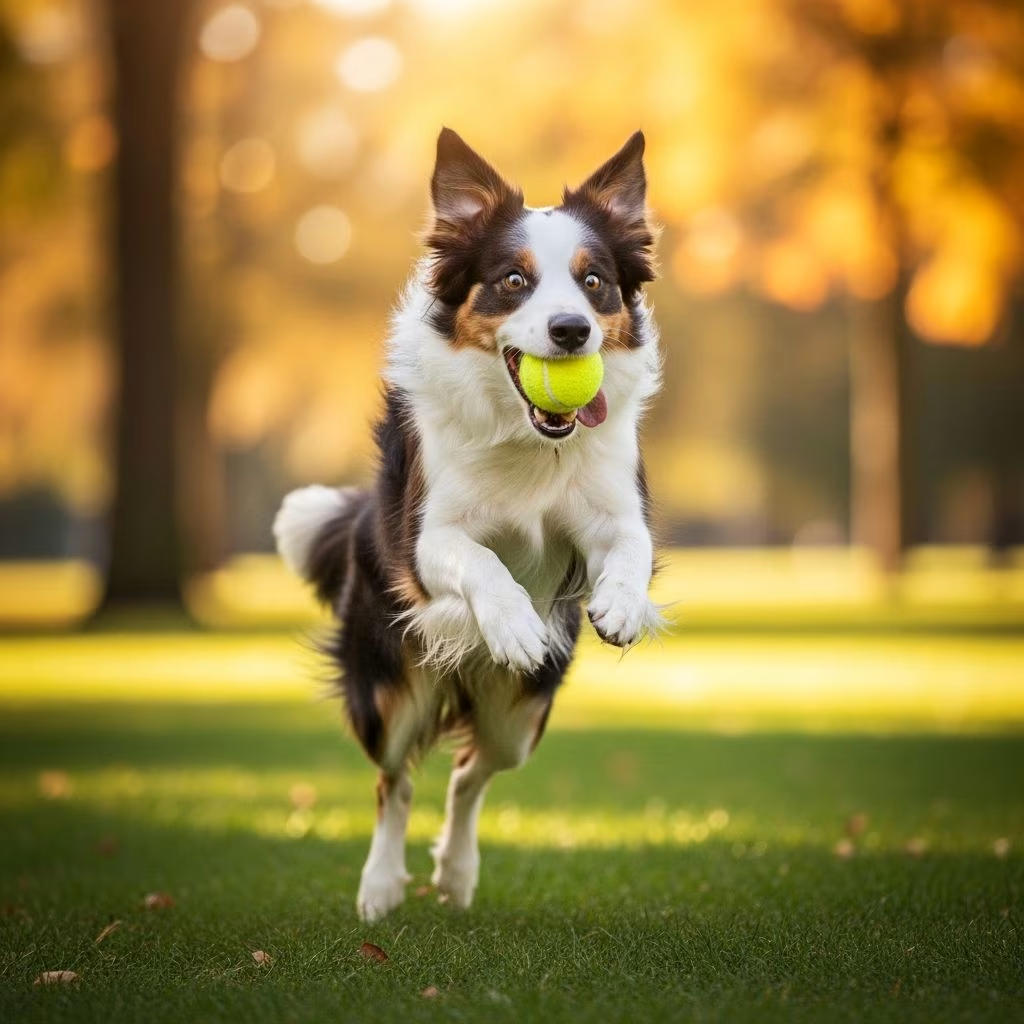
Dogs often display high levels of excitement that can resemble the boundless energy of human toddlers, leading to behaviors like jumping, barking, and zoomies. Understanding these reactions helps pet owners manage them effectively for a calmer household.
Why Do Dogs Get So Excited?
Dogs’ excitement stems from their nervous systems functioning similarly to human toddlers, responding intensely to stimuli that promise positive outcomes such as walks, treats, or playtime. Individual differences mean what excites one dog may stress another, emphasizing the need to read canine body language accurately.
Instinctual behaviors, like pack-greeting when owners return home, trace back to wolves, where circling and barking signaled reunion with the pack. Domestic dogs retain this as they view their human family as their pack, though attributing complex human emotions like guilt risks anthropomorphism—projecting feelings dogs don’t experience.
Core emotions such as joy and fear are present in dogs, but excitement often arises from consistent rewards, explaining reactions to doorbells or leashes. Stress can mimic excitement, like panting that indicates anxiety rather than joy.
How to Tell If Your Dog Is Excited
Recognizing genuine excitement requires observing body language in context, as dogs express more openly with bonded humans. Key signs include:
- Loose, open posture
- Open mouth with relaxed expression
- Ears forward and alert
- Bright, open eyes
- Helicopter tail wagging, especially with a right bias indicating positive emotions
Contrast these with stress signals like tucked tail, avoidance, or left-biased wagging, which suggest anxiety rather than joy. Environmental context, such as recent play versus isolation, further clarifies the emotion.
How Excited Is Too Excited?
While mild excitement is endearing, excessive levels pose risks like jumping on guests or self-injury during zoomies. Hyper pack-greeting, though cute initially, becomes dysfunctional if it leads to uncontrolled barking or knocking people over.
Over-excitement can indicate overstimulation, especially in puppies showing zooming, nipping, or inability to settle. Adult dogs may develop these habits if not trained early, turning natural energy into problematic behaviors.
Signs Your Dog Is Over-Excited
Common indicators of over-excitement include:
- Excessive barking or chirping
- Jumping on people or furniture
- Zoomies: frantic running or spinning
- Nipping or mouthing
- Difficulty focusing or sitting still
- Spinning in circles during greetings
These behaviors often peak during greetings, mealtimes, or play, signaling a need for intervention to prevent escalation. Puppies are particularly prone due to immature impulse control.
Strategies to Calm Over-Excited Dogs
Managing over-excitement involves prevention, redirection, and training. Consistency builds better habits over time.
Establish a Routine
Puppies and high-energy dogs thrive on structure, including fixed schedules for meals, potty breaks, exercise, and sleep. This predictability reduces anxiety and over-stimulation. Seniors and rescues benefit similarly, aiding socialization and adaptability.
Provide Ample Exercise and Play
Combine physical exercise with interactive play to tire dogs mentally and physically. Daily walks, fetch, or tug prevent pent-up energy leading to zoomies. Aim for age-appropriate intensity to avoid fatigue.
Redirect Energy to Toys
Channel excitement into puzzle toys, stuffed Kongs with treats, or durable chews. Offer these high-value items only during high-stimulation moments like guest arrivals to create positive associations.
Manage Greetings Effectively
For holiday gatherings or visitors:
- Confine dogs briefly behind a gate or in another room until guests settle, reducing door-entry excitement.
- Test gating reactions beforehand—some dogs calm seeing guests from afar, others frustrate.
- Use a ‘place’ command: Train dogs to a mat or bed for greetings, rewarding calm stays.
| Scenario | Strategy | Expected Outcome |
|---|---|---|
| Guest Arrival | Room confinement + high-value chew | Calmer re-entry greeting |
| Daily Homecoming | Ignore until settled, then reward | Reduced jumping/barking |
| Zoomies Episode | Redirect to toy, short timeout | Quick de-escalation |
Training Techniques
Teach impulse control with commands like ‘sit,’ ‘wait,’ or ‘settle.’ Start in low-distraction settings, gradually increasing difficulty. Positive reinforcement—treats for calm behavior—strengthens desired responses. Professional trainers recommend avoiding punishment, which can heighten anxiety.
For persistent cases, consider underlying issues like insufficient socialization. Early, positive exposures to people, dogs, and environments build confidence, reducing fear-based excitement.
Preventing Over-Excitement in Puppies
Puppies show over-excitement through zooming, nipping, and hyperactivity, often from overstimulation. Establish routines early, incorporate play-exercise combos, and use toys to redirect. Monitor for rest needs—overtired pups act wired. Consistent training carries into adulthood.
FAQs
Why does my dog go crazy when I come home?
This pack-greeting behavior is instinctual, mimicking wolf reunions. Teach calm greetings by ignoring until settled.
Is my dog’s panting excitement or stress?
Check body language: relaxed posture and right-tail wag indicate joy; tense body or avoidance signals stress.
How do I stop jumping on guests?
Confine during entry, use ‘place’ training, and reward calm interactions. High-value distractions help.
What causes zoomies in dogs?
Zoomies release built-up energy or excitement. Ensure daily exercise and redirect during episodes.
Can over-excitement harm my dog?
Yes, it risks injury from collisions or strains. Excessive cases may signal anxiety needing professional help.
By addressing over-excitement proactively, owners foster balanced, happy dogs. Patience and consistency yield long-term calm.
References
- Why Do Dogs Get So Excited? — Kinship. 2023. https://www.kinship.com/dog-behavior/why-do-dogs-get-so-excited
- How to Stop Dogs From Getting Overly Excited When Holiday Guests Arrive — Kinship. 2023. https://www.kinship.com/dog-behavior/does-your-dog-have-greeting-disorder
- Stop Puppy Zoomies! 6 Tricks to Calm Your Pup — Kinship (YouTube Transcript). 2023. https://www.youtube.com/watch?v=3pOWZhDirNg
- Recognizing Abnormal Canine Stress and Dog Anxiety — PetHub. 2023. https://www.pethub.com/articles/242692/recognizing-abnormal-canine-stress-and-dog-anxiety
- Children’s Perceptions of a Therapy Dog-Assisted Social Emotional Learning Intervention — Taylor & Francis (Peer-reviewed). 2024-03-15. https://www.tandfonline.com/doi/full/10.1080/02568543.2024.2325470



