
Ovarian Remnant Syndrome In Pets: Diagnosis And Surgery
Discover causes, signs, diagnosis, and treatments for ovarian remnant syndrome in spayed dogs and cats to ensure your pet's health.
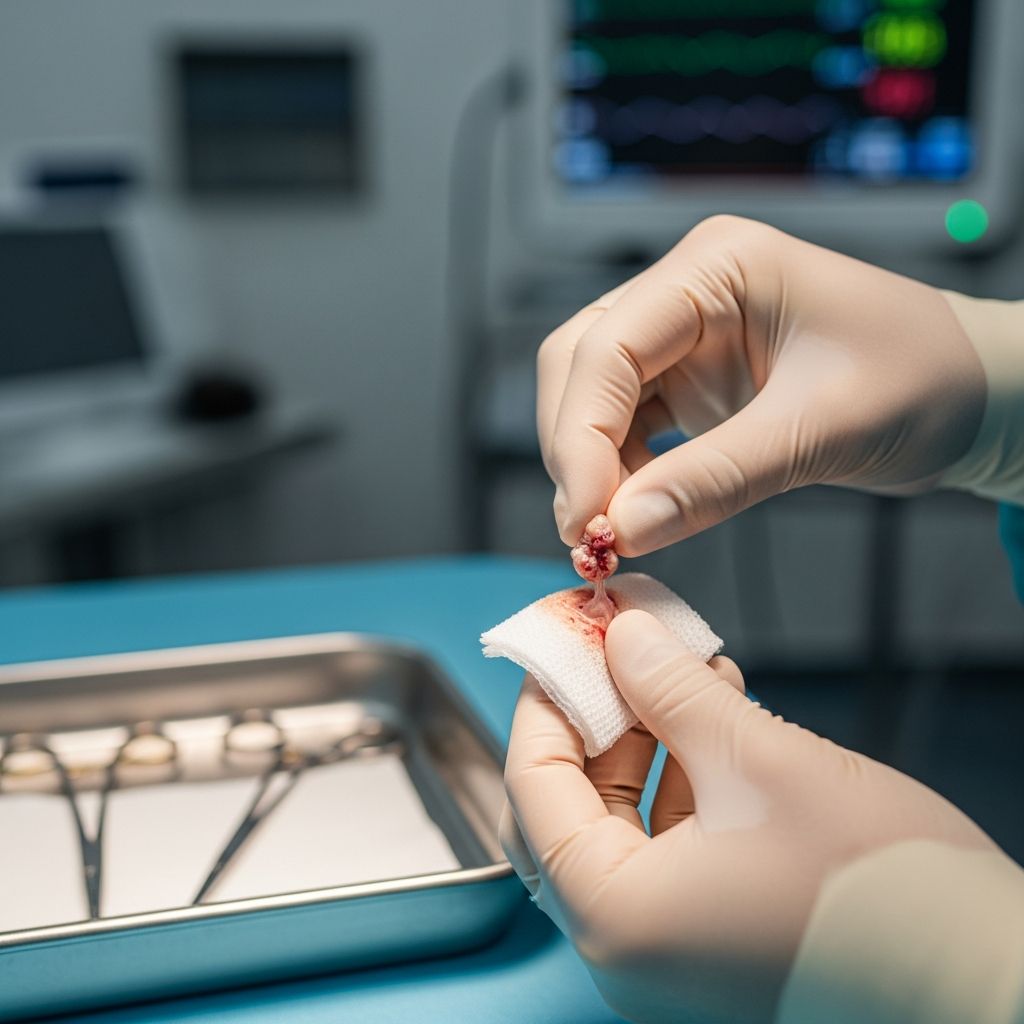
Functional ovarian tissue left behind after spaying can trigger recurring heat cycles in female dogs and cats, a condition known as ovarian remnant syndrome (ORS).
Understanding the Condition
Ovarian remnant syndrome arises when small pieces of ovarian tissue remain active post-ovariohysterectomy (OHE), commonly called spaying. This tissue continues hormone production, mimicking natural reproductive cycles despite surgical sterilization. Primarily observed in cats and dogs, it poses challenges for pet owners expecting permanent prevention of estrus behaviors.
The prevalence appears higher in felines, attributed to anatomical differences complicating complete ovary removal, such as tougher proper ligaments and difficulties exteriorizing ovaries during surgery. In canines, similar issues occur but less frequently due to more accessible anatomy.
Primary Causes and Risk Factors
Several mechanisms lead to ORS. The most frequent is surgical oversight during initial OHE, where not all ovarian tissue is excised, leaving fragments behind. Fragmentation during ligation or manipulation can also scatter viable cells.
- Incomplete excision: Partial ovary removal allows hypertrophy of remaining tissue, sustaining hormone secretion.
- Ectopic ovarian tissue: Congenital accessory ovaries in unusual locations, like the broad ligament, evade standard removal.
- Autotransplantation: Ovarian cells implant elsewhere post-surgery, revascularizing and functioning.
Risk escalates with inexperienced surgeons or complex anatomies. Post-OHE ovarian enlargement after unilateral procedures in cats further predisposes remnants. Proper technique minimizes but cannot eliminate risks entirely.
Recognizing Symptoms in Spayed Females
Signs emerge variably, from weeks to over a decade post-spay, averaging 15-18 months. Pets display classic estrus indicators without pregnancy capability upon mating.
| Symptom | Description | Common in Species |
|---|---|---|
| Vulvar enlargement | Swollen, edematous vulva | Dogs and cats |
| Behavioral shifts | Restlessness, vocalization, affection-seeking, male attraction | Both |
| Vaginal discharge | Bloody or serosanguinous flow | Dogs primarily |
| Urine marking | Increased spraying indoors | Cats |
| Mammary changes | Enlargement post-cycle, pseudopregnancy | Dogs |
These mimic intact heat but occur periodically. Owners often note frustration from persistent male interest or hygiene issues.
Potential Health Complications
Untreated ORS invites serious issues. Continuous hormonal stimulation risks uterine stump pyometra, a potentially fatal infection. Prolonged exposure elevates chances of ovarian, mammary, or vaginal tumors.
Pyometra in remnants causes systemic illness: lethargy, fever, discharge. Neoplasia, though rarer, demands vigilant monitoring. Recurrent cycles stress pets and households, prompting behavioral interventions if undiagnosed.
Diagnostic Approaches
Diagnosis demands ruling out mimics like exogenous hormones or adrenal neoplasms in dogs. Begin with history and exam confirming post-spay estrus signs.
- Vaginal cytology: >90% cornified epithelial cells indicate estrus.
- Hormone assays: Progesterone >2 ng/mL 2-3 weeks post-ovulation; Anti-Müllerian hormone (AMH) detects ovarian tissue specifically.
- Ultrasound: Visualizes remnants, uterine stump changes; operator-dependent.
Combined AMH and progesterone testing yields highest accuracy, minimizing false negatives during luteal phases when AMH dips. Cytology supports but lacks specificity alone.
Surgical Management Strategies
Definitive cure requires exploratory laparotomy to excise remnants, ideally 3-6 weeks post-ovulation when corpora lutea enlarge tissue for visibility.
Procedure: Thorough bilateral ovarian pedicle inspection; common sites near pedicles, adhesions, or ectopic spots. Submit excised tissue for histopathology confirming ovarian origin. Enhanced vascularity aids identification.
Post-op, monitor for recurrence via hormones if signs reappear. Success rates high with meticulous exploration.
Preventive Measures for Veterinarians
Avoidance hinges on surgical precision:
- Complete ovary exteriorization before ligation.
- Double-check pedicles for tissue.
- Handle gently to prevent fragmentation.
- Consider intraoperative ultrasound in challenging cases.
Owner education on potential delays in signs crucial.
Frequently Asked Questions (FAQs)
What if my spayed cat shows heat signs?
Suspect ORS; consult vet for cytology and hormone tests before surgery.
Can ORS cause cancer?
Yes, chronic hormone exposure raises neoplasia risks in ovaries, mammary glands.
How accurate is AMH testing?
Highly specific for ovarian tissue; pair with progesterone for luteal phase reliability.
Is surgery always needed?
Yes, for cure; medical management temporary, risks complications.
Why more common in cats?
Feline anatomy hinders full removal.
Long-Term Prognosis and Monitoring
Post-excision, pets resume normal spayed life sans cycles. Annual exams, especially mammary checks, advised. Recheck hormones if behaviors recur, indicating missed tissue.
Owners report immense relief post-resolution, underscoring early intervention value.
References
- Ovarian Remnant Syndrome in Small Animals — Merck Veterinary Manual. 2023. https://www.merckvetmanual.com/reproductive-system/reproductive-diseases-of-the-female-small-animal/ovarian-remnant-syndrome-in-small-animals
- Canine and Feline Ovarian Remnant Syndrome (ORS) — Ansh Labs. 2023. https://www.anshlabs.com/resources/canine-and-feline-ovarian-remnant-syndrome-ors/
- Diagnosis and treatment of ovarian remnant syndrome — Vet Times. 2023. https://www.vettimes.com/news/vets/small-animal-vets/diagnosis-and-treatment-of-ovarian-remnant-syndrome
- Ovarian Remnant Syndrome — Animal Surgical Center of Michigan. 2023. https://www.animalsurgicalcenter.com/ovarian-remnant-syndrome
- Ovarian remnant syndrome (ORS) — Cornell University College of Veterinary Medicine. 2023. https://www.vet.cornell.edu/departments-centers-and-institutes/riney-canine-health-center/canine-health-topics/ovarian-remnant-syndrome-ors
Similar Articles








Read full bio of Sneha Tete


