

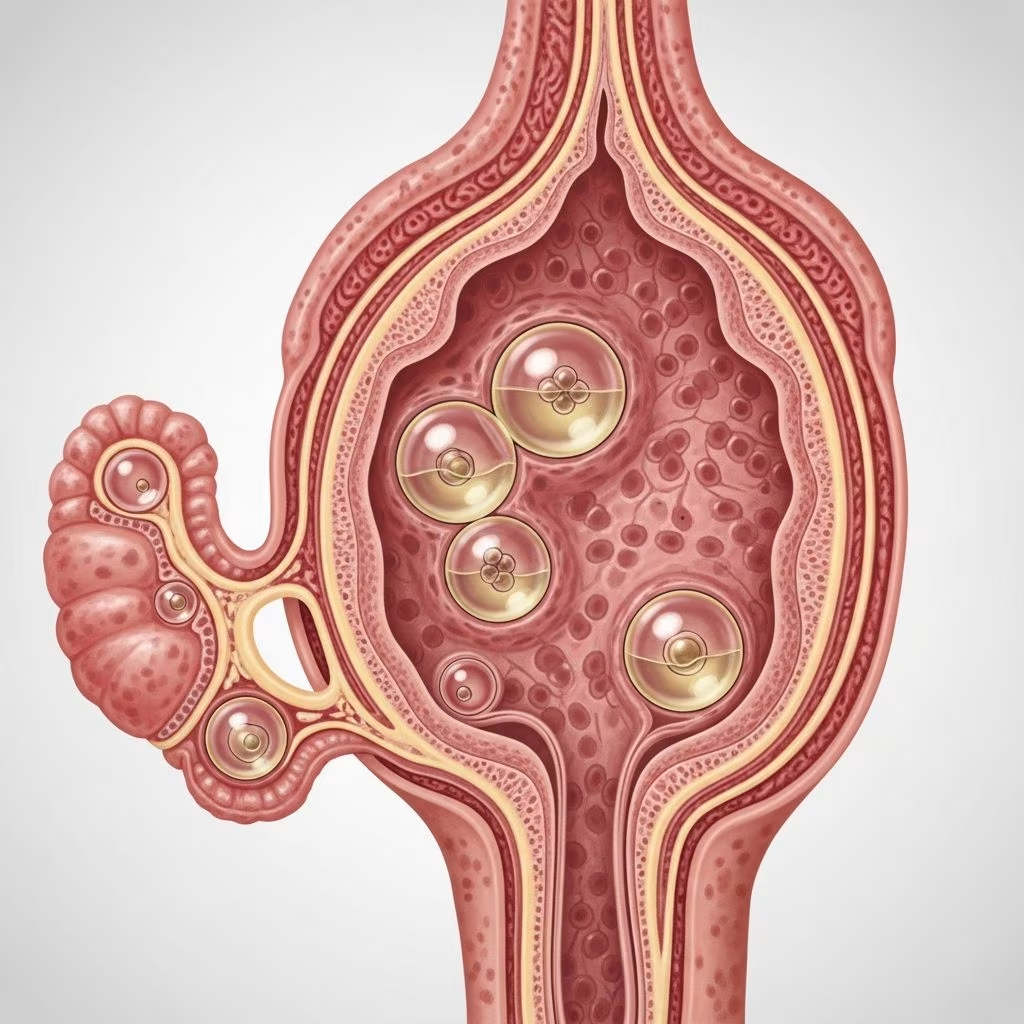
Ovarian follicular cysts represent a significant reproductive pathology in female small animals, particularly in dogs and cats. These fluid-filled structures develop within the ovarian tissue when normal ovulatory processes fail to occur, resulting in the accumulation of fluid within follicles that should have undergone ovulation. Unlike other ovarian abnormalities, follicular cysts originate from the disruption of the reproductive cycle itself, making them distinct from cystic structures that may develop secondary to other ovarian pathologies.
The Pathophysiology of Follicular Development Gone Awry
The formation of follicular ovarian cysts involves a fundamental breakdown in the hormonal and mechanical processes that govern normal reproduction. During a typical estrous cycle, follicles develop in response to follicle-stimulating hormone (FSH) and undergo ovulation when triggered by a surge of luteinizing hormone (LH). When this cascade fails to complete properly, follicles may continue to accumulate fluid while remaining within the ovary, creating the characteristic cystic structures observed in affected animals.
The prolonged presence of these fluid-filled follicles perpetuates abnormal hormonal signaling. Animals with active follicular cysts continue to produce elevated concentrations of estrogen, since the granulosa cells lining the cyst maintain their endocrine function despite the failure of ovulation. This persistent hormonal environment can lead to secondary physiological changes throughout the reproductive tract and systemic effects on other organ systems.
Recognizing Clinical Manifestations in Affected Animals
The presentation of follicular cysts in small animals varies considerably depending on the duration of cyst persistence, hormone production capacity, and individual animal sensitivity. Many cases remain clinically silent, with cysts discovered incidentally during diagnostic imaging performed for unrelated reasons. However, symptomatic presentations can be quite pronounced.
Primary Observable Signs
- Vulvar swelling and edema: Increased vascularity and fluid accumulation in vulvar tissues represent a direct response to elevated estrogen levels
- Serosanguineous vaginal discharge: A blood-tinged fluid discharge reflects hormonal stimulation of the uterine endometrium
- Dermatological manifestations: Hair loss (alopecia) predominantly affecting the neck, trunk, and perianal regions develops as a consequence of chronic estrogen excess
- Cutaneous changes: Affected skin may develop hyperpigmentation and hyperkeratosis, appearing darkened and thickened
The severity and prominence of these signs correlate with both the duration of cyst persistence and the individual animal’s hormonal responsiveness. Some animals demonstrate mild vulvar enlargement without significant systemic manifestations, while others experience pronounced behavioral changes and progressive dermatological deterioration.
Diagnostic Approaches and Confirmatory Testing
Establishing a definitive diagnosis of ovarian follicular cysts requires a multimodal diagnostic approach that combines clinical assessment with objective laboratory and imaging findings. No single diagnostic method provides complete diagnostic certainty, making the integration of multiple techniques essential for accurate identification.
Vaginal Cytologic Evaluation
Vaginal cytology offers valuable insight into the hormonal environment of the reproductive tract. When follicular cysts maintain active estrogen production, vaginal epithelial cells respond by undergoing cornification, a keratinization process driven by estrogen stimulation. Microscopic examination of vaginal smears from cyst-affected animals reveals predominantly cornified epithelial cells, confirming the presence of a functional estrogenic stimulus.
Beyond cornified cells, the cytologic preparation may contain various other cellular elements. Red blood cells indicate hemorrhage within the reproductive tract, polymorphonuclear cells suggest inflammatory response, and bacterial organisms may be identified if concurrent infection exists. The pattern of these findings helps characterize the specific pathophysiologic state of the reproductive system.
Hormone Assay Documentation
Biochemical confirmation of elevated estrogen concentration provides objective evidence of functional ovarian pathology. Serum or plasma estrogen measurements demonstrate levels exceeding those expected during normal anestrus (the resting phase of the reproductive cycle). This hormonal evidence directly correlates with clinical signs and helps exclude other differential diagnoses that might produce similar clinical presentations.
Measuring estrogen concentration also provides prognostic information, as persistently elevated levels suggest active, ongoing cyst function rather than regressing or quiescent lesions. Sequential hormone measurements may track response to therapeutic interventions.
Ultrasonographic Imaging
Transabdominal or transvaginal ultrasonography represents the most practical imaging modality for visualizing follicular cysts within ovarian tissue. On ultrasound examination, follicular cysts appear as anechoic structures—fluid-filled areas that do not reflect sound waves and therefore appear black on the monitor. The cysts characteristically demonstrate thin walls without visible internal echoes, differentiating them from more complex ovarian masses.
The ultrasonographic appearance proves particularly valuable because it allows direct visualization of the affected ovarian tissue, confirmation of bilateral involvement when present, assessment of cyst size and number, and evaluation of associated changes in the uterus or other pelvic structures. Serial ultrasound examinations can monitor cyst progression or resolution over time.
Differential Diagnosis Considerations
Several other conditions can produce clinical signs mimicking those of follicular ovarian cysts, necessitating careful differential diagnosis. Luteal cysts, which develop from corpus luteum tissue, produce progesterone rather than estrogen and therefore present with different hormonal profiles and clinical signs. Granulosa cell tumors and other ovarian neoplasms may produce cystic ultrasound appearances but typically show progressive enlargement and potential metastatic behavior.
Pseudo-pregnancy (false pregnancy) can mimic some clinical signs of follicular cysts but occurs during predictable phases of the estrous cycle and typically resolves spontaneously. Uterine pathology such as pyometra (infection of the uterus) produces vulvar discharge and systemic illness but presents with different cytologic findings and ultrasonographic features.
Treatment Strategies and Clinical Management
The management approach for follicular ovarian cysts depends on multiple factors including the severity of clinical signs, the animal’s breeding status and age, systemic health considerations, and client preferences regarding medical versus surgical intervention.
Observation and Monitoring Protocols
Many follicular cysts, particularly those discovered incidentally without accompanying clinical signs, can be managed through conservative observation. Some cysts resolve spontaneously as the animal transitions into a different phase of the reproductive cycle or experiences hormonal changes. Regular clinical assessment and periodic ultrasound evaluation document any progression or improvement without subjecting the animal to unnecessary medical intervention.
This conservative approach works particularly well for animals with mild or absent clinical signs, those with solitary cysts, and patients where fertility preservation is not a consideration.
Medical Management Approaches
Pharmacologic intervention aims to interrupt the abnormal hormonal signaling driving cyst perpetuation. Gonadotropin-releasing hormone (GnRH) agonists suppress pituitary output of FSH and LH, potentially allowing existing cysts to regress through hormonal withdrawal. These agents may be administered as injections or implants and require monitoring for efficacy and side effects.
Progestin administration can alter the hormonal environment, as progesterone provides negative feedback on pituitary gonadotropin release. Progestins must be used cautiously and with appropriate monitoring, as they carry potential for adverse effects including increased infection risk and metabolic complications with prolonged use.
Surgical Intervention
Ovariohysterectomy (removal of both ovaries and the uterus) represents the definitive treatment for symptomatic follicular cysts and remains the standard surgical approach in dogs and cats. This procedure eliminates the source of abnormal estrogen production and prevents recurrence. The decision to pursue surgery depends on the animal’s age, anesthetic risk, breeding value, and severity of clinical signs.
For animals where breeding capability must be preserved, ovarian tissue-sparing approaches may be considered in specialized settings, though these carry inherent risks of recurrent cyst formation.
Breed Predispositions and Risk Factors
While follicular ovarian cysts can affect any intact female dog or cat, certain breeds demonstrate increased susceptibility. Specific genetic predispositions and reproductive cycle characteristics in some breeds appear to increase the likelihood of cyst formation. Additionally, animals with concurrent endocrine disorders affecting overall reproductive function may experience higher cyst incidence.
Middle-aged to older animals demonstrate increased prevalence, possibly reflecting cumulative ovulatory cycles and age-related changes in reproductive hormone responsiveness. However, cysts can develop at any age during the reproductive years.
Prognosis and Long-term Outcomes
The prognosis for animals with follicular ovarian cysts varies based on the specific clinical context and chosen management approach. Animals managed through surgical ovariohysterectomy have excellent long-term prognosis with complete resolution of clinical signs and zero recurrence risk. Fertility is eliminated, but health and quality of life typically improve substantially as estrogen levels normalize.
Animals managed medically show variable responses, with some experiencing spontaneous resolution and others requiring sustained pharmacologic management. The presence of concurrent uterine disease (such as cystic endometrial hyperplasia or pyometra) significantly impacts prognosis and may necessitate more aggressive intervention.
Prevention and Reproductive Management Considerations
In breeding animals, understanding cyst risk and implementing appropriate reproductive management protocols can reduce incidence. Ensuring timely breeding at appropriate cycle stages, avoiding prolonged anestrus in animals intended for reproduction, and maintaining good overall health and nutritional status support reproductive function.
For animals not intended for breeding purposes, early spaying eliminates the risk of ovarian cyst development entirely while providing additional benefits including prevention of ovarian and mammary neoplasms.
Frequently Asked Questions About Follicular Ovarian Cysts
Can follicular cysts resolve on their own without treatment?
Yes, some follicular cysts do regress spontaneously as the reproductive cycle progresses or hormonal patterns shift. However, many persist indefinitely without intervention. Individual variation makes prediction difficult, warranting veterinary monitoring to track progression.
Is there risk of malignant transformation?
Follicular cysts themselves are benign and do not transform into cancer. However, the chronic hormonal stimulation they produce may increase risk for concurrent ovarian neoplasia, emphasizing the importance of appropriate monitoring.
Can spaying be performed if a cyst is present?
Yes, ovariohysterectomy remains highly effective and safe even in the presence of follicular cysts. The presence of a cyst does not contraindicate surgical intervention and may actually strengthen the case for pursuing definitive surgical management.
Will breeding help resolve cysts?
Allowing the animal to breed or cycle repeatedly does not reliably resolve follicular cysts. In fact, continued cycling perpetuates the hormonal environment potentially sustaining cyst persistence. Breeding decisions should be made independently of cyst management considerations.
References
- Follicular Cysts in Small Animals — Merck Veterinary Manual. 2024. https://www.merckvetmanual.com/reproductive-system/reproductive-diseases-of-the-female-small-animal/follicular-cysts-in-small-animals
- Histologic Features of Hair Follicle Neoplasms and Cysts in Dogs and Cats — National Center for Biotechnology Information (PubMed Central). 2021. https://pmc.ncbi.nlm.nih.gov/articles/PMC8120078/
- Cysts — VCA Animal Hospitals. 2024. https://vcahospitals.com/know-your-pet/cysts
- Lumps, Bumps, and Cysts on Dogs — PetMD. 2024. https://www.petmd.com/dog/symptoms/lumps-bumps-and-cysts-dogs



