

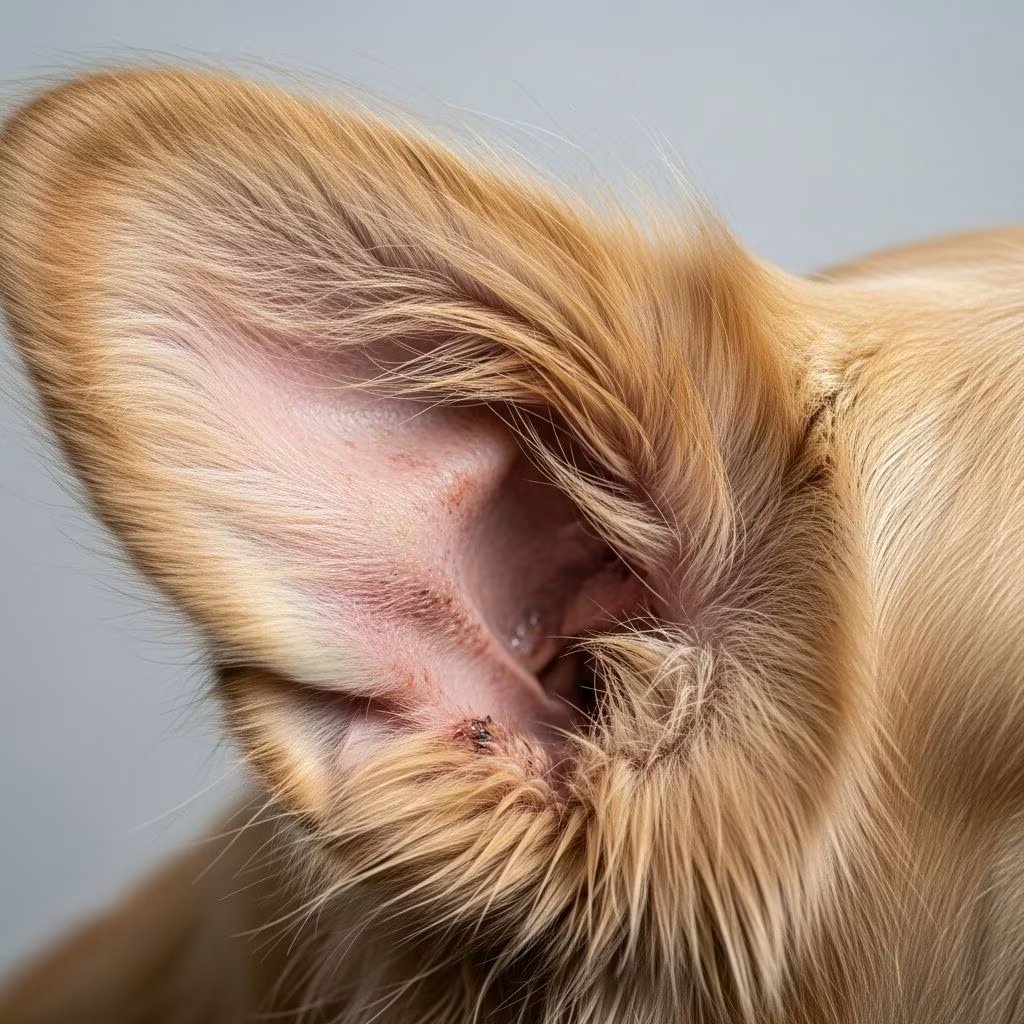
Outer ear problems represent one of the most frequent health concerns veterinarians encounter in canine patients. The external ear structures—comprising the ear flap (pinna) and the ear canal—are vulnerable to various conditions that can cause significant discomfort and long-term health complications if left unaddressed. Understanding the nature of these disorders, their underlying causes, and appropriate management strategies empowers dog owners to recognize problems early and seek timely veterinary care.
The Anatomy and Function of the Canine Outer Ear
The outer ear system in dogs consists of the visible ear flap and an internal canal that extends into the skull. Unlike human ears, canine ears feature a distinctive L-shaped canal with a vertical section and a horizontal section. This unique anatomy, while allowing dogs exceptional hearing capabilities, also creates conditions favorable for inflammation and infection when protective mechanisms fail. The ear canal is lined with specialized skin that produces cerumen (earwax), a protective substance that normally maintains ear health by preventing pathogenic organisms from establishing infections.
Distinguishing Inflammation from Infection
A critical distinction exists between otitis (inflammation of the outer ear structures) and ear infection, yet many dog owners conflate these conditions. Inflammation typically precedes infection in most cases. When the ear tissue becomes irritated—whether from allergies, moisture accumulation, or trauma—the resulting inflammation creates an environment where bacteria and fungi can proliferate. This progression from inflammation to secondary infection explains why early intervention proves so valuable in preventing chronic ear disease.
The inflammatory process triggers multiple changes within the ear canal. Chronic inflammation causes the glandular tissues lining the canal to increase in size and number, leading to excessive cerumen production. This accumulation alters the canal’s humidity and pH balance, further predisposing the ear to microbial overgrowth. Understanding this cascade helps explain why treating inflammation remains central to any successful ear care strategy.
Recognizing Symptoms of Outer Ear Problems
Dogs experiencing outer ear disorders typically display behavioral and physical signs that warrant veterinary evaluation. Early recognition of these indicators allows for prompt intervention before conditions progress to more severe stages.
Common behavioral indicators include:
- Frequent and vigorous head shaking, particularly in one direction
- Tilting of the head to one side
- Persistent scratching, pawing, or rubbing of the affected ear
- Reluctance to have ears touched or handled
- Changes in behavior such as increased irritability or withdrawn demeanor
Physical signs visible during observation:
- Redness and inflammation of the ear flap or canal entrance
- Warmth detected when touching the ear area
- Visible discharge ranging in color from yellow to brown or black
- Foul odor emanating from the ear
- Swelling or thickening of ear tissues
- Crusting or scaling on the inner surfaces of the ear flap
- Hair loss around the ear due to self-trauma
In advanced cases, dogs may experience loss of balance or coordination, signaling potential involvement of deeper ear structures. Some dogs display only subtle behavioral changes, making regular ear inspection during grooming routines particularly valuable for early detection.
Primary Causes of Outer Ear Inflammation
Multiple factors can initiate outer ear problems in dogs. Understanding these underlying causes proves essential because addressing the root cause becomes necessary to prevent recurrence after active infections resolve.
Allergic Conditions
Allergic skin disease represents one of the most common predisposing factors for ear problems. Dogs with food allergies or environmental sensitivities often experience ear inflammation as part of their broader allergic response. The allergic reaction triggers inflammation in the ear canal tissues, creating the conditions favorable for secondary infection development.
Parasitic Infestations
Ear mites and other parasites can establish populations within the ear canal, causing irritation and inflammation. These microscopic organisms trigger intense itching and scratching, which can lead to self-inflicted trauma and secondary bacterial or fungal infections. Parasitic infestations are particularly common in puppies and young dogs.
Moisture and Environmental Factors
Dogs with floppy ears or those who spend considerable time in water face increased risk of moisture-related ear problems. Water trapped in the ear canal creates a humid environment ideal for microbial growth. Swimmers and dogs with excessive hair growth in the ear canal are especially vulnerable to these moisture-related issues.
Foreign Objects and Debris
Small objects such as foxtails, plant material, or accumulated debris can lodge in the ear canal, causing inflammation and pain. Dogs that spend time outdoors in fields or brushy areas face particular risk. Signs of foreign body presence include sudden onset of intense head shaking and obvious distress.
Ear Trauma and Self-Injury
Vigorous scratching or head shaking can damage the delicate ear tissues, creating wounds susceptible to infection. Repeated trauma from scratching can also lead to aural hematomas—collections of blood beneath the ear flap skin that cause painful swelling and typically require surgical intervention.
The Diagnostic Process
Accurate diagnosis forms the foundation for effective treatment. Veterinarians employ multiple diagnostic tools to determine the precise nature and extent of outer ear problems.
Initial Examination
The diagnostic process begins with a thorough medical history and physical examination. The veterinarian will ask about the onset of symptoms, previous ear problems, and any treatments already attempted. Visual inspection of the ear structures provides initial information about inflammation severity and discharge characteristics.
Otoscopic Evaluation
Using an otoscope—a specialized instrument with illumination and magnification—veterinarians examine the ear canal and eardrum. This examination helps identify the extent of inflammation, the nature of any discharge, and whether the eardrum remains intact. An intact eardrum is crucial information, as it determines whether topical medications can safely reach the inner ear or might cause damage if administered directly.
Microscopic Cytology
Samples of ear discharge are examined under a microscope to identify the types of organisms present. This analysis reveals whether bacteria, yeast, or both are contributing to the problem and provides information about bacterial morphology that helps guide antibiotic selection.
Culture and Sensitivity Testing
When infections prove resistant to initial treatments or involve deeper ear structures, culturing the discharge identifies the specific bacterial or fungal species involved. Sensitivity testing determines which antimicrobial medications will prove most effective against the identified organisms.
Advanced Imaging
For chronic or severe cases, radiographs or advanced imaging techniques may be necessary to assess the extent of tissue changes, identify stenosis (canal narrowing), or evaluate deeper ear structures for middle ear involvement.
Treatment Approaches for Active Infections
Once diagnostic evaluation determines the nature of the outer ear problem, appropriate treatment begins. Most cases involve a combination of approaches addressing both the immediate infection and any inflammatory changes.
Professional Ear Cleaning
Thorough ear cleaning constitutes the essential first step in treating active infections. Professional cleaning removes accumulated debris, discharge, and cerumen that can interfere with medication penetration and harbor microorganisms. In some cases, particularly severe infections, sedation may be necessary to allow complete flushing and cleaning of the horizontal ear canal without causing pain.
Topical Antimicrobial Therapy
Most outer ear infections respond well to topical medications applied directly to the affected tissues. These preparations may contain antibiotics, antifungal agents, or both, depending on the identified causative organisms. Topical therapy offers the advantage of delivering high concentrations of medication directly to affected tissues while minimizing systemic absorption. Proper application technique ensures medication reaches the entire canal and maintains contact with affected areas.
Anti-inflammatory Treatment
Anti-inflammatory medications play a crucial role in managing outer ear disorders. Topical corticosteroids reduce swelling, alleviate pain, and decrease the inflammatory environment favoring microbial overgrowth. In cases with significant pain or systemic inflammation, oral anti-inflammatory medications may be prescribed alongside topical treatments. These medications help control discomfort while antimicrobial agents eliminate causative organisms.
Systemic Medication
When infections involve the middle ear or when deep canal involvement prevents adequate topical medication penetration, oral antibiotics become necessary. Some dogs with severe systemic symptoms or particularly virulent infections require oral antimicrobial therapy to achieve adequate therapeutic levels in affected tissues.
Managing Chronic and Recurrent Ear Problems
Dogs prone to recurrent ear infections require comprehensive long-term management strategies addressing underlying predisposing factors. Recurrent inflammation often stems from unresolved allergies, parasites, or anatomical features creating persistent risk.
Allergy Management
For dogs with allergic skin disease contributing to ear problems, allergy control becomes paramount in preventing recurrence. This may involve dietary modifications through elimination diet trials or prescription diets formulated for allergic dogs. Environmental allergy management might require regular grooming, air purification, or medication during peak seasons.
Regular Preventive Care
Routine ear examination during physical examinations allows veterinarians to detect early inflammation before infections develop. Preventive ear cleaning in dogs predisposed to problems can maintain healthy cerumen levels and prevent accumulation of debris. However, frequency and type of cleaning should be determined by veterinary guidance, as improper cleaning can damage ear canal tissues.
Addressing Underlying Causes
Effective long-term management requires treating the underlying condition responsible for the initial inflammation. Whether this involves parasitic treatment, allergy management, or removal of predisposing factors, addressing the root cause prevents the cycle of recurrent infection.
Potential Complications of Neglected Ear Disease
Untreated or inadequately managed outer ear problems can progress to serious complications affecting hearing and overall health. Early intervention prevents these potentially devastating outcomes.
Hearing Loss
Chronic outer ear disease can lead to measurable hearing loss through multiple mechanisms. Excessive discharge and debris accumulation can cause conductive hearing loss by preventing sound waves from reaching the eardrum. Inflammation extending to deeper structures can damage the nerve pathways responsible for hearing, causing permanent sensorineural hearing loss. Fortunately, conductive hearing loss often improves as inflammation resolves and canal debris clears.
Ear Canal Stenosis
Chronic inflammation triggers tissue changes including hyperplasia (excessive tissue growth) that can narrow the ear canal. This stenosis complicates treatment by preventing medication penetration and creating conditions favoring persistent infection. Severe stenosis often requires surgical intervention.
Aural Hematomas
Continuous head shaking and ear scratching can rupture blood vessels in the ear flap, causing painful blood-filled swellings known as aural hematomas. These collections typically require surgical drainage and repair to resolve properly.
Middle Ear Involvement
If the eardrum becomes compromised by chronic inflammation or infection, pathogens can access the middle ear space. Otitis media requires prolonged oral antibiotic therapy since topical medications cannot reliably reach this location. Middle ear infections risk further progression to inner ear involvement, potentially causing permanent balance problems and severe hearing loss.
End-Stage Ear Disease
In severe cases where medical management proves insufficient, surgical removal of the ear canal may become necessary. Total ear canal ablation (TECA) eliminates the problematic tissue but may result in permanent hearing impairment and requires careful post-operative management.
When to Seek Specialist Evaluation
Certain situations warrant referral to a veterinary dermatologist specializing in ear disease management. Dogs presenting with recurrent ear infections, chronic ear disease lasting longer than three months, or any evidence of middle ear involvement should receive specialist consultation. Specialists possess advanced diagnostic tools including video-otoscopy allowing detailed visualization of deep canal structures and the ability to perform specialized treatments like myringotomy sampling and medicated infusions.
Prevention and Owner Responsibilities
While completely preventing outer ear problems may not be possible in predisposed dogs, owners can implement practices reducing risk and facilitating early detection. Regular inspection of ear canals during grooming allows identification of redness, odor, or discharge before symptoms progress. Keeping ears dry following swimming or bathing is particularly important for dogs prone to moisture-related infections. Dogs with excessive ear canal hair may benefit from professional grooming to reduce moisture trapping. For allergic dogs, consistent allergy management through diet and environmental controls significantly reduces ear inflammation risk.
Conclusion
Outer ear disorders in dogs represent manageable health challenges when owners understand the distinction between inflammation and infection, recognize early warning signs, and pursue prompt veterinary evaluation. The progression from simple inflammation to complex infection with potential complications emphasizes the value of early intervention. Through accurate diagnosis, appropriate treatment addressing both infections and underlying causes, and consistent long-term management, most dogs with outer ear problems achieve excellent outcomes maintaining comfort and normal ear function throughout their lives.
References
- How Owners Can Help With Dog Ear Problems — Morris Animal Foundation. 2024. https://www.morrisanimalfoundation.org/article/otitis-externa-dogs
- Canine otitis externa — Treatment and complications — National Institutes of Health, National Center for Biotechnology Information. 2018. https://pmc.ncbi.nlm.nih.gov/articles/PMC6294027/
- Dog Ear Infections Demystified: Symptoms, Treatment & Prevention — Mid-Valley Veterinary. 2025. https://mid-valleyvet.com/dog-ear-infections-demystified-symptoms-treatment-prevention/
- Ear Infections in Dogs: How to Prevent and Treat Recurring Issues — Emerald Animal Hospital. 2024. https://emeraldanimal.com/ear-infections-in-dogs-how-to-prevent-and-treat-recurring-issues/
- Ear Infections in Dogs (Otitis Externa) — VCA Animal Hospitals. 2024. https://vcahospitals.com/know-your-pet/ear-infections-in-dogs-otitis-externa
- Ear infections in dogs — People’s Dispensary for Sick Animals (PDSA). 2024. https://www.pdsa.org.uk/pet-help-and-advice/pet-health-hub/conditions/ear-infections-in-dogs



