

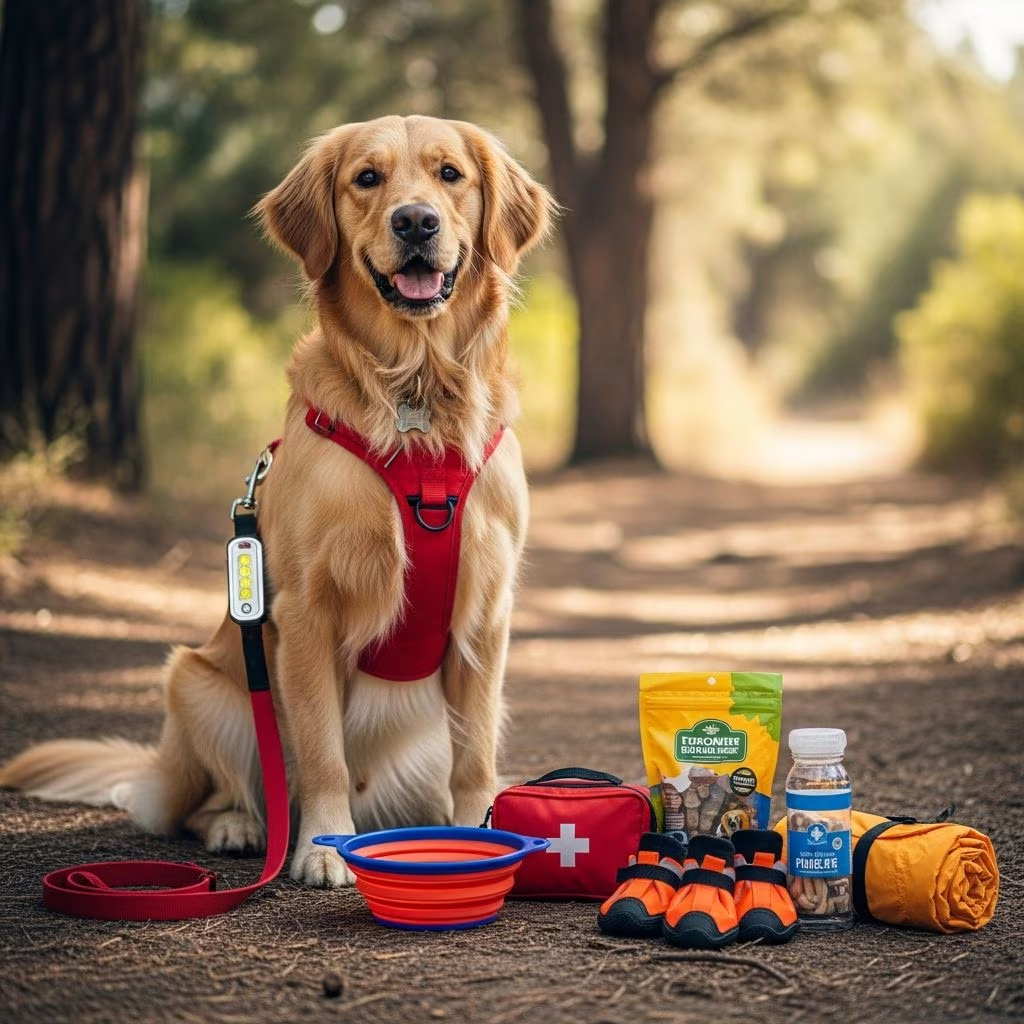
Dogs thrive on outdoor time, but environments pose risks like heatstroke, parasites, and injuries. Proper preparation ensures safe fun.
Preparing Your Dog for Safe Outdoor Time
Before heading out, assess your dog’s fitness. Consult a veterinarian for puppies, seniors, or breeds prone to breathing issues, confirming vaccinations and parasite preventives are current. The American Kennel Club stresses annual exams and protections against fleas, ticks, and heartworms for active dogs.
Build obedience skills like ‘sit,’ ‘stay,’ and ‘recall’ in low-distraction areas. Socialize gradually to reduce reactivity around others. Pack essentials: portable water bowl, treats, waste bags, first-aid supplies, and wipes.
- Choose dog-friendly spots with shade, water, and even paths matching your dog’s stamina.
- Tailor activities to breed and age—short walks for small pups, longer treks for energetic breeds.
Essential Gear for Protection
Equip with a well-fitted harness over collars to avoid neck strain. Add reflective leashes for visibility. Booties shield paws from hot asphalt, thorns, or ice—test fit gradually.
Light-coated dogs need pet-safe sunscreen on nose and ears. Use dog-formulated insect repellents against ticks and mosquitoes. GPS trackers or microchips provide location security if they stray.
| Gear Item | Purpose | Best For |
|---|---|---|
| Harness & Leash | Control & Visibility | All outings |
| Booties | Paw Protection | Hot/cold/rough terrain |
| Sunscreen | UV Shield | Short-haired breeds |
| GPS Collar | Location Tracking | Hikes & parks |
Navigating Weather Challenges
Adjust plans for conditions. In heat, walk mornings or evenings; test pavement—if too hot for your hand, skip it. Offer water every 15-20 minutes; watch for heavy panting or weakness signaling heat exhaustion.
Winter demands coats for short-haired dogs, paw rinses to remove de-icing salts (toxic if licked), and limited exposure. Provide insulated shelters if outdoors briefly.
- Shade structures or cooling mats prevent overheating.
- Avoid cars—temperatures soar rapidly even with cracked windows.
Common Hazards and Avoidance Tactics
Scan for threats: snakes under rocks, toxic plants like foxtails or mushrooms, contaminated water. Leash prevents chasing wildlife or road dashes.
Yards need checks for fertilizers, trash, pools (fence off), and predatory access—solid fences outperform invisible ones. Remove standing water breeding mosquitoes.
Parasites thrive outside; monthly preventives are crucial, per veterinary guidelines.
Supervision and Behavioral Best Practices
Constant watch is key—never leave unsupervised in parks or yards. Leash in public; respect off-leash zones only if trained.
Clean up waste, yield to others, approach cautiously. If signs of distress appear—limping, lethargy—rest and seek vet care promptly.
Securing Your Backyard Haven
Transform yards into safe zones: inspect for toxic greenery, secure gates, cover chemicals. Shade and fresh water stations combat heat; winter windbreaks add comfort.
Life vests for water-loving dogs prevent drowning risks. Regular patrols spot issues early.
Health Monitoring During and After Outings
Post-adventure, rinse paws and coats. Check for ticks, cuts, or sunburn. Monitor for delayed symptoms like vomiting from toxins.
Annual wellness plus activity-specific checks maintain readiness. Vaccinations cover parvo, rabies—essentials for public spaces.
Frequently Asked Questions
How hot is too hot for dog walks?
Pavement over 85°F (29°C) burns paws; aim below 77°F (25°C). Early/late schedules ideal.
Are booties necessary year-round?
Useful for extremes: summer heat, winter salt, rough trails. Acclimate slowly.
What if my dog eats something toxic outside?
Induce no vomiting; call vet or poison hotline immediately with details.
Can all dogs swim safely?
No—provide vests, supervise closely near water.
How to prevent tick bites?
Preventives, repellents, trail checks post-hike.
References
References
- Dog Outdoor Safety: How to Keep Your Pup Safe During Adventures — Happy Pup Manor. 2023. https://happypupmanor.com/dog-outdoor-safety/
- 10 Tips to Help Keep Your Dog Safe Outdoors — CareCredit. 2024. https://www.carecredit.com/well-u/pet-care/outdoor-dog-safety/
- Keep Your Pup Safe This Summer: 10 Essential Safety Tips for Dogs — Morgan Veterinary Practice. 2024. https://www.morganveterinarypractice.com/blog/keep-your-pup-safe-this-summer-10-essential-safety-tips-for-dogs
- 8 Things You Can Do to Keep Your Dog Safe Outdoors — ASPCA Pet Insurance. 2023. https://www.aspcapetinsurance.com/resources/8-things-you-can-do-to-keep-your-dog-safe-outdoors/
- Leaving Your Dog Outside: Important Tips — Hill’s Pet Nutrition. 2024. https://www.hillspet.com/dog-care/routine-care/keeping-your-dog-safe-outside



