
Outdoor Garden Safety for Your Pets
Create a beautiful, thriving garden where your pets can safely play and explore.
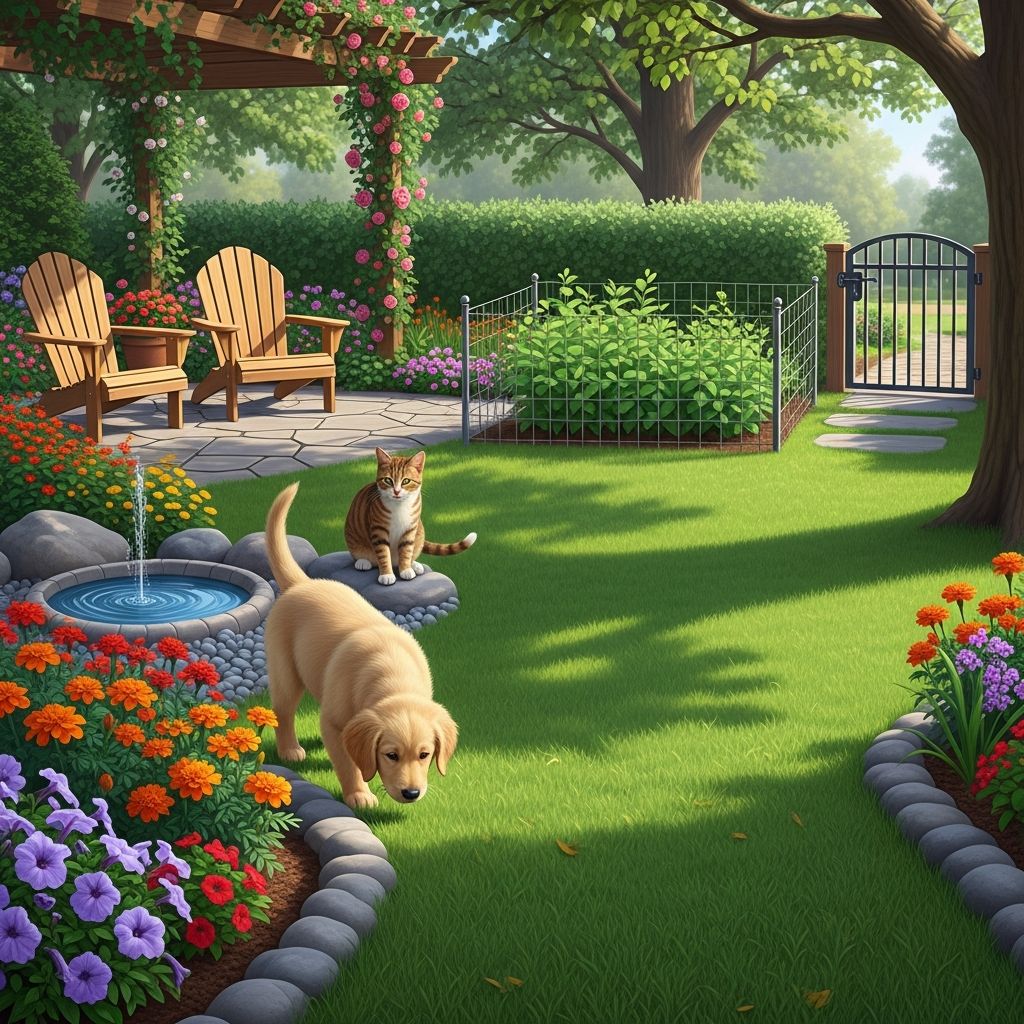
Your garden represents more than just a space for cultivating vegetables and flowers—it can become a cherished retreat for your entire family, including your four-legged companions. However, the same features that make a garden beautiful and productive can inadvertently pose risks to curious pets who explore their surroundings through touch, smell, and taste. Dogs and cats often investigate plants, dig in soil, and sample unfamiliar substances, creating potential hazards if the garden environment isn’t thoughtfully designed with their safety in mind. By implementing comprehensive safety measures, you can transform your outdoor space into a haven where both you and your pets can thrive together.
Evaluating Plant Selections for Pet Compatibility
The foundation of any pet-safe garden begins with understanding which plants pose toxicity risks. Many commonly cultivated ornamental plants contain compounds that can cause serious harm to pets. Lilies, particularly true lilies, present one of the most significant dangers to cats, with even small ingestions potentially causing severe kidney damage. Azaleas and rhododendrons, popular decorative shrubs, contain grayanotoxins that can trigger gastrointestinal upset and cardiac complications in both dogs and cats.
Beyond ornamentals, several vegetables grown in home gardens can be problematic. Tomato plants—specifically the leaves, stems, and unripe fruit—contain alkaloid compounds toxic to both cats and dogs. Similarly, members of the allium family, including garlic, onions, and chives, contain thiosulfates that damage red blood cells and can lead to hemolytic anemia in pets. Other garden vegetables to isolate from pet access include raw potatoes, rhubarb leaves, and green tomatoes.
Rather than avoiding gardening altogether, select from a palette of pet-safe alternatives. Petunias, marigolds, and sunflowers offer vibrant color without toxicity concerns. For herb gardens, incorporate cat-friendly options like catnip, lemon grass, and valerian, which can provide enrichment and entertainment. Dogs may enjoy access to dog-safe vegetables and fruits in designated areas, though supervision remains essential.
To ensure comprehensive plant safety, reference the ASPCA Animal Poison Control Center’s toxic plant database before introducing any new vegetation to your garden.
Strategic Garden Layout and Boundary Management
The physical arrangement of your garden directly impacts your pets’ safety and your ability to control their movements within the space. Secure fencing forms the foundation of outdoor containment, preventing pets from wandering into neighboring properties or traffic hazards. When evaluating your fence, examine it thoroughly for gaps that small dogs or cats might exploit, paying particular attention to areas where ground settling may have created spaces beneath the fence line.
Rather than installing metal lawn edging that can cut pet paws, opt for softer alternatives such as plastic edging, bricks, or poured concrete. These modifications reduce injury risks while maintaining the aesthetic boundaries between garden sections.
Creating designated pathways directs pet movement and minimizes damage to planted areas. Smooth pebbles or flat stones provide comfortable walking surfaces that won’t irritate sensitive paw pads, while simultaneously protecting flowering beds and vegetables from trampling. For dogs with strong digging drives, designate a specific digging area or sandbox where this natural behavior can be safely expressed.
Managing Chemical Hazards in Outdoor Spaces
Fertilizers, pesticides, and herbicides rank among the most common toxins prompting calls to poison control centers regarding pet incidents. These products contain chemicals designed to kill or inhibit plant and pest growth—mechanisms that pose serious risks to animal physiology when ingested or absorbed through paw contact.
Transition to natural and organic pest management strategies whenever possible. Neem oil provides effective insect control without synthetic chemicals, while diatomaceous earth targets soft-bodied pests through mechanical action rather than toxicity. For weed management, solutions as simple as vinegar or soapy water can address many garden challenges.
If commercial products become necessary, follow these protective protocols:
- Read all label instructions thoroughly, noting pet-safety recommendations and re-entry timelines
- Store all chemical products in clearly labeled, secured containers kept well out of reach from pet areas
- Keep pets indoors during and immediately after pesticide or fertilizer application
- Allow adequate time for products to dry or settle before permitting pet access to treated areas
Compost Management and Decomposition Hazards
Compost piles, while excellent for sustainable gardening, create concentrated toxin sources that attract curious pets. As organic matter decomposes, mold and fungal growth accelerates, producing mycotoxins dangerous to animal consumption. Additionally, some foods safe for fresh consumption become toxic during decomposition, amplifying health risks.
Implement one of these compost management strategies:
- Locate compost bins in areas completely inaccessible to pets, such as behind secure fencing or within a locked garden shed
- Install commercial compost containers featuring secure latches that prevent unauthorized access
- Surround traditional compost piles with sturdy fencing and monitor for breach attempts regularly
Environmental Comfort and Heat Management
Gardens expose pets to extended periods of direct sunlight and heat without the protection of indoor shade. Dogs, possessing relatively few functional sweat glands compared to humans, experience particular vulnerability to heat stress. Without adequate cooling opportunities, outdoor time can quickly become dangerous.
Address this concern through multiple strategies:
- Create shaded retreats using structures like pergolas, shade cloth, or natural tree cover
- Maintain constant access to fresh, clean water in pet-safe containers positioned throughout the garden
- For dogs, consider placing a kiddie pool in the yard as a cooling option and alternative to unsupervised access to ornamental water features
- Monitor your pet’s behavior for signs of heat stress, including excessive panting, lethargy, or drooling
Additional Physical Hazards and Prevention Strategies
Beyond plants and chemicals, gardens contain various objects that can injure pets or cause intestinal obstruction if ingested. Cocoa shell mulch, while appealing to many gardeners, poses particular danger to dogs who may consume it, as it contains theobromine—the same compound found in chocolate that triggers toxicity in canines.
Replace cocoa mulch with pet-safe alternatives like cedar chips. Remove sharp decorative objects, gardening tools left unattended, and any other items that could lacerate paws or mouths during exploration.
Address standing water concerns, which can harbor harmful bacteria, parasites, or become drowning risks for small pets or young dogs. Keep birdbaths and decorative water features filled with fresh water and positioned where pets cannot access stagnant water sources.
Enrichment Through Pet-Focused Garden Features
Rather than viewing pet safety exclusively through a restriction lens, incorporate elements that actively enrich pet experiences while maintaining control. Designated cat areas might include catnip plants interspersed around comfortable perching spots where cats can observe garden activity. Create small sandboxes or digging boxes for dogs, satisfying this instinctive behavior in defined spaces rather than allowing unrestricted excavation across the entire garden.
Install bird feeders and baths positioned safely out of reach but visible to indoor-outdoor cats or pets who enjoy watching wildlife. These features provide mental stimulation and entertainment value.
Maintenance Protocols Supporting Long-Term Safety
Garden safety isn’t established once and then forgotten—it requires ongoing attention and adjustment. Regularly inspect your entire space for new hazards, including tools left after gardening sessions, debris that could cause obstruction if swallowed, or fence sections showing signs of deterioration.
Maintain plants according to their growth patterns, removing dead vegetation that might harbor mold or pests. Keep pathways clear of obstacles that could cause tripping or injury during active play.
Frequently Asked Questions
What should I do if my pet ingests a toxic plant?
Contact your veterinarian or the ASPCA Animal Poison Control Center immediately. Provide information about the plant species and the quantity consumed. The sooner treatment begins, the better the potential outcome. Keep the plant or a photo available for accurate identification.
Can I use any mulch in a pet-safe garden?
No—avoid cocoa shell mulch entirely, as it poses toxicity risks to dogs. Instead, use cedar chips or other pet-safe alternatives. Always verify mulch composition before purchasing.
How can I prevent my cat from using flower beds as litter boxes?
Install motion-activated sprinklers to startle cats away from garden beds, or cover soil with uncomfortable materials like chicken wire. Creating a dedicated cat sandbox filled with sand or soil can redirect this behavior to an appropriate location.
Are organic fertilizers safer than chemical options?
Yes, organic fertilizers generally pose lower toxicity risks, though some can still cause issues if ingested. Always follow label instructions and keep pets away from recently applied products, regardless of fertilizer type.
References
- Creating a Pet-Friendly Garden: Tips and Safe Practices — Healthy Pets of Ohio. 2024-06-21. https://www.healthypetsofohio.com/2024/06/21/creating-a-pet-friendly-garden-tips-and-safe-practices/
- Petscaping: Creating a Pet-Friendly Garden — Penn State Extension. https://extension.psu.edu/petscaping-creating-a-pet-friendly-garden/
- Pet-safe landscaping and gardening — VCA Animal Hospitals. https://vcahospitals.com/resources/lifestyle/pet-safe-landscaping-and-gardening
- 7 Steps for a Pet Safe Garden — Tractor Supply. https://www.tractorsupply.com/tsc/cms/life-out-here/pet/pet-all/pet-safe-garden-tips
- Pet-Friendly Gardening Tips | Safe Outdoor Spaces for Pets — Urban Animal Veterinary Clinic. https://www.urbanavc.com/blog/pet-friendly-gardening-tips-safe-outdoor-spaces-for-pets
- Four tips for creating a pet-friendly garden — Virginia Tech College of Veterinary Medicine. https://vth.vetmed.vt.edu/animal-care-tips/pet-friendly-garden.html
- Gardening Safety 101: Your Guide to Keeping Your Pet Safe — ASPCA Animal Poison Control Center. 2022-04-28. https://www.aspca.org/news/gardening-safety-101-your-guide-keeping-your-pet-safe
- Pet Safe Gardening — Cornell Cooperative Extension Warren County. https://warren.cce.cornell.edu/home-page/gardening-landscape/pet-safe-gardening
- Gardening Safety 101: Your Guide to Keeping Your Pet Safe — ASPCA. 2022-04-28. https://www.aspca.org/news/gardening-safety-101-your-guide-keeping-your-pet-safe
Similar Articles








Read full bio of Sneha Tete


