

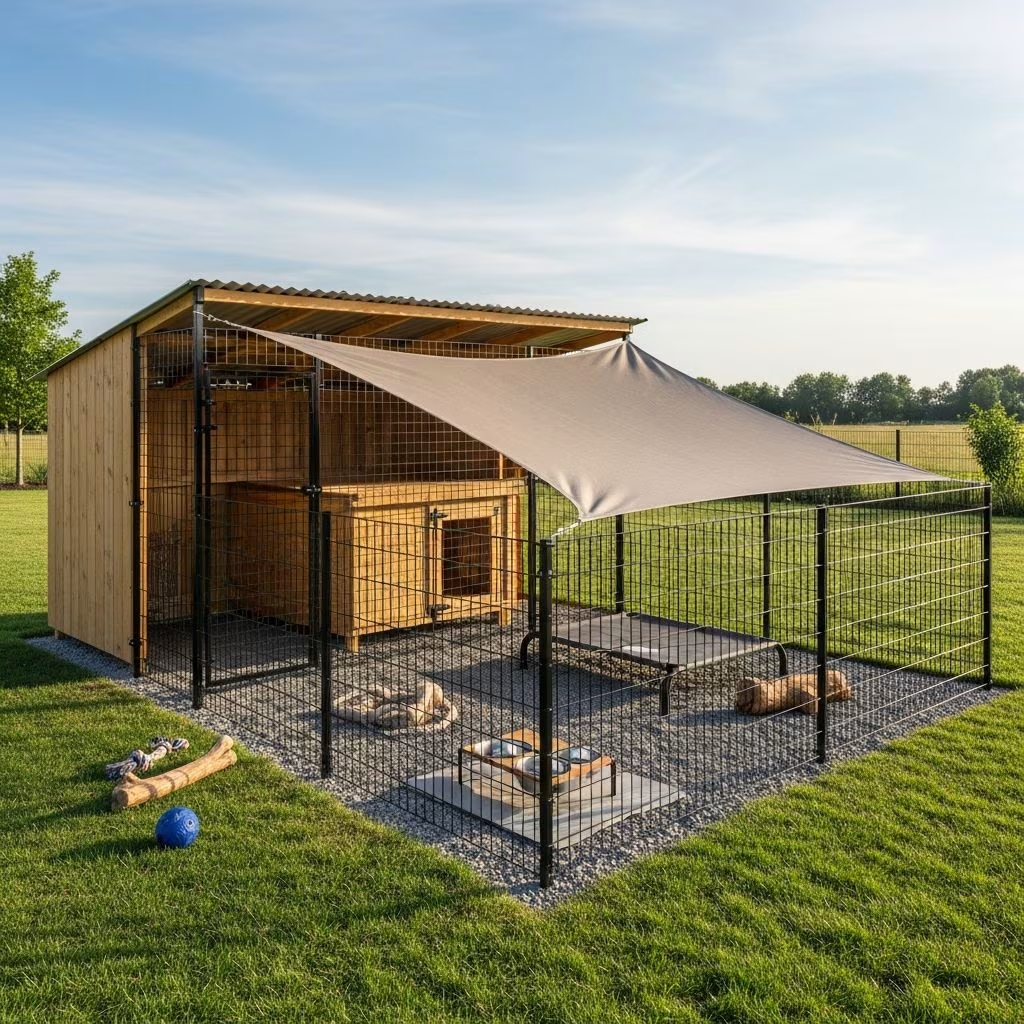
Creating an outdoor living space for your dog requires thoughtful planning and consideration of multiple factors. Whether you’re designing a permanent structure or setting up a seasonal enclosure, understanding the fundamentals of kennel design ensures your pet remains safe, comfortable, and healthy. This guide walks through essential aspects of outdoor kennel planning, from initial site selection to year-round maintenance strategies.
Assessing Your Space and Location Strategy
Before purchasing materials or breaking ground, evaluate your available outdoor space carefully. The location you choose will influence your dog’s comfort, your maintenance efforts, and the structure’s longevity. Look for areas that naturally provide a balance of sunlight and shade throughout the day. Direct sun exposure all day creates excessive heat, while constant shade may lead to moisture accumulation and dampness issues.
Consider proximity to your home as well. Placing the kennel where you can easily observe your dog encourages more frequent interaction and makes monitoring for health or safety concerns simpler. Additionally, locating the kennel away from high-traffic areas of your yard helps minimize disturbances and allows your dog a quieter retreat space.
Pay attention to natural water drainage patterns in your yard. Avoid low-lying areas where rainwater collects, as standing water creates muddy conditions and promotes the growth of mold and bacteria. Slightly elevated or sloped terrain naturally channels water away from the kennel area.
Understanding Appropriate Kennel Dimensions
Size directly impacts your dog’s wellbeing and your ability to manage the space effectively. A common misconception is that larger kennels are always better—this isn’t entirely accurate. However, kennels that are too small create physical and psychological stress for your pet.
Your dog should be able to perform these essential movements within the kennel:
- Stand on all four legs without stooping or crouching
- Turn in a complete circle without difficulty
- Stretch out fully when lying down
- Walk several paces in each direction
For large dog breeds like German Shepherds, Labradors, and Rottweilers, a minimum floor area of 6×10 feet provides adequate space, though 8×12 feet is preferable for dogs spending extended periods outdoors. Medium-sized dogs require proportionally less space, but the movement standards remain the same.
If housing multiple dogs in separate sections, divide the total space appropriately rather than forcing dogs to share one confined area. Territorial stress increases in overcrowded conditions, leading to behavioral problems and aggression.
Material Selection for Durability and Function
Three primary material options exist for outdoor kennel construction, each presenting distinct advantages and challenges:
| Material Type | Advantages | Disadvantages | Best For |
|---|---|---|---|
| Wood | Natural appearance, customizable design, good insulation | Requires regular maintenance, vulnerable to rot and decay, susceptible to chewing damage | Aesthetic-focused designs, mild climates |
| Metal | Extremely durable, low maintenance, resistant to chewing, long-lasting | Can absorb and retain heat in direct sun, may rust without proper coating, conducts cold in winter | Commercial facilities, high-traffic areas, heavy-chewer dogs |
| Plastic | Lightweight, easy to clean, UV resistant, affordable | Less structurally sound for large dogs, can become brittle in extreme temperatures | Small to medium dogs, temporary or portable setups |
Welded wire or steel panels offer superior security and durability compared to chain-link alone. If using wood, select pressure-treated lumber specifically rated for ground contact to prevent premature deterioration. Apply sealants annually to maintain weather resistance.
Flooring and Drainage Fundamentals
Proper flooring prevents moisture problems, supports your dog’s joint health, and simplifies cleaning routines. The floor must provide adequate traction to prevent slipping while remaining easy to sanitize.
Flooring Options:
- Epoxy-sealed concrete – Durable, easy to clean, suitable for commercial or high-traffic kennels
- Raised platforms – Reduces moisture contact with ground, improves drainage
- Pea gravel or stone base – Natural drainage, softer underfoot, requires regular replacement
- Composite decking – Slip-resistant, weather-resistant, minimal maintenance
Elevation matters significantly. Raising the kennel several inches off the ground prevents moisture and cold from seeping upward through the floor. This is particularly important in winter months when ground temperatures drop substantially.
Implement drainage strategies around the entire kennel structure:
- Slope the surrounding yard away from the kennel to direct water runoff
- Install a shallow French drain around the perimeter
- Surround the kennel with pea gravel to improve surface drainage
- Regularly rake or replace gravel to maintain effectiveness
Ventilation and Air Circulation Design
Adequate ventilation prevents moisture buildup, reduces ammonia odors, and maintains healthy air quality. Poor ventilation creates breeding grounds for harmful bacteria and respiratory irritants.
Design ventilation through:
- Opposing vents or windows on different sides to create cross-ventilation
- Elevated eaves or roof peaks that allow warm air to escape
- Removable or adjustable vent panels for seasonal adjustment
- Raised flooring that permits air circulation beneath the structure
In summer months, additional airflow can be enhanced with portable fans positioned to create movement without creating direct drafts on resting areas.
Creating Shelter and Weather Protection
Every outdoor kennel needs a sheltered area where your dog can retreat from rain, wind, excessive heat, or cold. This shelter serves both physical and psychological functions, providing security and protection.
Summer Weather Strategies:
- Position the kennel to receive morning sun but afternoon shade
- Add UV-blocking canopies or shade cloth over exercise areas
- Ensure shade covers at least 50% of the total space during peak heat hours
- Maintain fresh water supply in shaded locations
- Consider misting systems or water features for additional cooling
Winter Weather Strategies:
- Install wind barriers or tarps on exposed sides facing prevailing winds
- Add an insulated shelter box within the kennel that your dog can enter
- Line shelter boxes with straw or specialized outdoor bedding materials
- Ensure adequate insulation to allow dogs to retain body heat
- Install door flaps or interior baffles to block wind from kennel entrances
A well-designed shelter section should be sized appropriately—large enough for your dog to enter and turn around, but small enough that body heat can warm the interior effectively during cold months.
Security and Escape Prevention
A secure kennel prevents escapes and protects against external threats. Implement multiple security measures rather than relying on a single feature:
- Use heavy-duty latches and locks that cannot be opened by intelligent dogs
- Ensure all fencing is securely attached with no gaps or loose panels
- Bury fencing 6-12 inches deep to prevent digging escapes
- Check regularly for wear, rust, or damage that might compromise integrity
- Install lockable gates with secondary latching mechanisms
Walk the perimeter weekly, paying special attention to corners, gates, and any areas where your dog frequently tests the boundaries. Address problems immediately, as persistent escape attempts often result in injuries.
Seasonal Maintenance and Inspection Protocols
Outdoor structures deteriorate from weather exposure. Regular maintenance extends the kennel’s lifespan and prevents safety hazards.
Spring Inspection Checklist:
- Check for winter damage including cracks, rust, or loose panels
- Clean debris accumulated during storms
- Inspect flooring for soft spots or deterioration
- Test all latches and locking mechanisms
- Apply protective sealants to wood elements
Summer Maintenance:
- Ensure shade structures are secure and not deteriorating
- Clean out and replace bedding regularly
- Check ventilation openings for blockages
- Monitor water delivery systems for proper function
Fall Preparation:
- Seal any gaps or cracks before winter arrives
- Weatherproof wooden components
- Clear drainage areas of leaves and debris
- Inspect roof integrity before heavy rains
Winter Vigilance:
- Check daily for ice accumulation on surfaces
- Ensure heating elements remain functional
- Monitor bedding for moisture saturation
- Clear snow from shelter entrances
Balancing Functionality with Aesthetics
A well-designed kennel doesn’t sacrifice appearance for practicality. Adding visual interest enhances your outdoor space while maintaining full functionality.
Consider these design enhancements:
- Paint or stain wood elements in colors that complement your home
- Add decorative trim or architectural details
- Install a custom sign displaying your dog’s name
- Incorporate landscaping around the perimeter using dog-safe plants
- Add a water fountain or aesthetic feature that serves a functional purpose
Built-in storage compartments can hold toys, bedding, or cleaning supplies, reducing visual clutter while improving organization. Raised garden beds adjacent to the kennel can provide visual softening without interfering with the dog’s space.
Common Design Mistakes and Solutions
Learning from others’ experiences helps you avoid costly errors:
- Undersized kennels: Always measure twice and build larger than minimum requirements. More space prevents behavioral problems and health issues.
- Poor orientation: Consider sun patterns throughout the day and seasons. Kennels receiving unobstructed afternoon sun in summer become dangerously hot.
- Inadequate drainage: Never skip drainage planning. Wet, muddy conditions lead to parasites, skin infections, and constant cleaning frustration.
- Weak security: Invest in quality latches and hardware. Escapes create liability and endanger your pet.
- Neglecting ventilation: Sealed or poorly ventilated kennels develop ammonia buildup and respiratory problems.
Health and Hygiene Considerations
Outdoor kennels require consistent cleaning and sanitation protocols to prevent disease and parasites. Wet conditions and accumulated waste create ideal environments for harmful organisms.
Establish weekly cleaning routines including:
- Removal of all bedding and waste
- Sweeping or pressure washing flooring
- Disinfection of shelter areas with pet-safe cleaners
- Inspection for signs of parasites or illness
Change water daily and clean water containers to prevent algae and bacterial growth. Fresh bedding should be provided regularly, especially after rain or wet conditions.
Frequently Asked Questions
How often should I replace outdoor kennel bedding?
Change bedding weekly as a minimum, and more frequently in wet weather or during rainy seasons. Damp bedding promotes mold growth and parasites. Replace immediately if soiled or saturated.
Can I use the same kennel for dogs of different sizes?
Not ideally. Large and small dogs have different space requirements and may exhibit territorial conflict in shared spaces. Separate sections are preferable if housing multiple dogs of different sizes.
What temperature range can outdoor kennels accommodate?
Well-designed kennels with proper insulation and wind protection handle temperatures from approximately 0°F to 90°F. Extreme temperatures beyond this range may require temporary indoor housing or specialized heating/cooling additions.
Is concrete better than gravel flooring?
Concrete is easier to clean and more durable but can be cold and hard on joints. Gravel provides softer underfooting but requires regular replacement. Composite decking offers a middle ground with minimal maintenance.
How much daily exercise does a kennel-housed dog need?
Kennel size doesn’t replace outdoor exercise. Dogs in outdoor kennels still need daily supervised exercise outside the kennel, preferably 30-60 minutes depending on breed and age.
References
- Backyard Outdoor Dog Kennel Designs: A Comprehensive Guide — UAH Pet. 2024. https://www.uahpet.com/blogs/post/backyard-outdoor-dog-kennel-designs-a-comprehensive-guide
- Backyard Dog Kennel Setup Ideas for All Seasons – Fall & Winter Edition — Horizon Structures. 2024. https://www.horizonstructures.com/backyard-dog-kennel-setup-ideas-for-all-seasons-fall-winter-edition
- The Complete Guide to Outdoor Dog Kennels for Large Dogs — Fisher Barns. 2024. https://fisherbarns.com/blog/outdoor-dog-kennels-for-large-dogs
- Commercial Dog Kennel Building Plans | Kennel Layout Ideas — The Dog Kennel Collection. 2024. https://www.thedogkennelcollection.com/blog/commercial-dog-kennel-building-plans
- Setting Up Outdoor Kennels: Best Practices for Safety and Comfort — CKC USA. September 2025. https://ckcusa.com/blog/2025/september/setting-up-outdoor-kennels-best-practices-for-safety-and-comfort



