Outdoor Cats: Risks, Benefits, and Safe Alternatives
Explore the debate on indoor vs. outdoor cats, weighing health risks, natural behaviors, and innovative solutions for feline well-being.
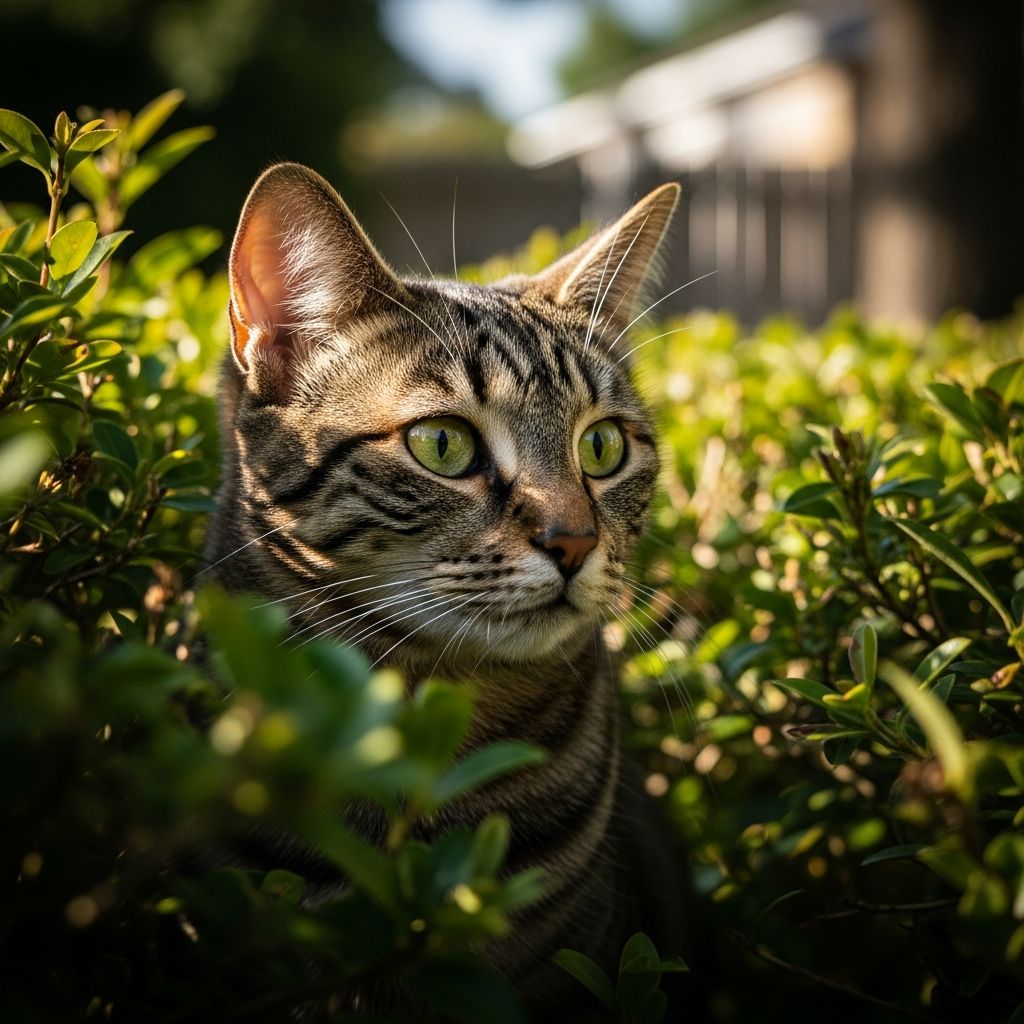
Cats thrive on curiosity and independence, but deciding whether to allow outdoor access involves careful consideration of health, safety, and environmental factors. While roaming freely satisfies hunting instincts and promotes activity, it exposes felines to significant dangers including traffic accidents, diseases, and conflicts with wildlife.
Understanding the Indoor vs. Outdoor Dilemma
The choice between confining cats indoors or permitting outdoor exploration divides pet owners. Indoor living shields cats from external threats but may lead to inactivity and boredom. Outdoor lifestyles energize cats through natural movement yet amplify vulnerability to hazards. Veterinary experts emphasize assessing individual cat temperament, local environment, and owner commitment to enrichment when making this decision.
Statistics reveal stark contrasts: outdoor cats face up to five times higher mortality rates from trauma compared to indoor counterparts, primarily due to vehicles and predators. However, properly managed access can mitigate these issues while preserving behavioral fulfillment.
Advantages of Keeping Cats Indoors
Maintaining cats strictly indoors prioritizes longevity and health monitoring. Key benefits include:
- Protection from physical dangers: No exposure to cars, aggressive dogs, or wild predators that cause fatal injuries.
- Reduced disease transmission: Lower incidence of feline immunodeficiency virus (FIV), feline leukemia, and rabies from encounters with strays.
- Parasite prevention: Minimal risk of fleas, ticks, or intestinal worms common in outdoor settings.
- Consistent health oversight: Easier detection of eating changes, litter habits, or early illness signs.
Indoor environments also lessen ecological harm, as cats indoors kill fewer birds and small mammals annually—estimated at billions globally by free-roaming pets.
Drawbacks of Exclusive Indoor Living
Despite safety gains, indoor-only cats require proactive care to avoid pitfalls:
- Obesity risk: Limited space often results in weight gain without structured play.
- Behavioral frustrations: Suppressed instincts lead to scratching, spraying, or aggression.
- Mental stagnation: Lack of novel stimuli causes stress or depression-like symptoms.
Owners must invest in toys, climbing structures, and interactive sessions to replicate outdoor excitement indoors.
Benefits of Outdoor Access for Cats
Allowing supervised or controlled outdoor time fulfills core feline needs. Primary upsides are:
- Physical fitness: Climbing, chasing, and patrolling burn calories, curbing obesity.
- Mental engagement: Sensory exploration—scents, sounds, sights—prevents boredom and enhances mood.
- Instinct expression: Hunting and territorial behaviors reduce indoor destructiveness.
Research indicates outdoor cats often exhibit leaner bodies and fewer stress-related issues when risks are managed.
Major Risks Associated with Unrestricted Outdoor Roaming
Uncontrolled access poses severe threats outweighing benefits for many cats. Critical dangers include:
| Risk Category | Description | Potential Outcomes |
|---|---|---|
| Trauma | Vehicles, falls, animal attacks | Injuries, death (up to 80% of outdoor cat fatalities) |
| Diseases | FIV, FeLV, upper respiratory infections | Chronic illness, shortened lifespan |
| Parasites | Fleas, ticks, worms | Anemia, organ damage |
| Toxins | Antifreeze, pesticides, rodenticides | Poisoning, organ failure |
| Getting Lost | Disorientation during fights or storms | Permanent separation from home |
These factors contribute to outdoor cats averaging half the lifespan of indoor ones—around 5-7 years versus 12-15.
Environmental and Community Impacts
Beyond personal welfare, outdoor cats affect surroundings profoundly. Predatory prowess decimates local wildlife: U.S. cats kill 1.3-4 billion birds yearly, exacerbating species declines. Neighbors may complain about noise, spraying, or garden damage from roaming felines.
Communities increasingly adopt trap-neuter-return (TNR) for ferals but discourage pet cats from contributing to overpopulation and ecological strain.
Compromise Solutions: Controlled Outdoor Experiences
Hybrid approaches deliver outdoor perks minus perils. Popular options:
- Enclosed patios (catios): Screened enclosures for safe viewing and play.
- Cat-proof fencing: Roller-top or overhang designs prevent escapes.
- Harness walks: Leashed outings build adventure with security.
- Window perches and bird feeders: Indoor stimulation mimicking wild observation.
These setups boost welfare without full exposure. Studies affirm controlled access supports natural behaviors while slashing risks by over 90%.
Enriching Indoor Environments Effectively
For full indoor living, create a stimulating habitat:
- Vertical spaces: Shelves, trees, hammocks for climbing.
- Interactive toys: Puzzle feeders, laser pointers, wand chasers.
- Sensory zones: Scratching posts, tunnels, scent gardens.
- Social interaction: Play sessions mimicking hunts.
Rotate items weekly to sustain interest. Long-haired breeds benefit from regular grooming to maintain coat health indoors.
Veterinary Recommendations and Preventive Measures
Consult vets before outdoor transitions. Essentials include up-to-date vaccines, microchipping, and parasite preventives. Spaying/neutering curbs roaming and fights. Monitor for stress via appetite and litter use.
Frequently Asked Questions
Can indoor cats live long, happy lives?
Yes, with enrichment, indoor cats often outlive outdoor ones by years, enjoying safer, healthier existences.
Do outdoor cats get more exercise?
Typically yes, leading to better weight control, but at the cost of elevated injury risks.
How do I transition a feral cat to indoors?
Gradually, using food, play, and safe spaces; patience prevents stress-related issues.
Are catios expensive to build?
DIY versions start at $100; professional installs range $500-$5000 based on size.
Does neutering reduce outdoor risks?
Yes, it lowers aggression and wandering, decreasing disease and fight probabilities.
Owner Attitudes and Decision Factors
Surveys show 60-80% of owners permit outdoor access, driven by beliefs in happiness and naturalness. Yet awareness of risks grows, with humane groups advocating alternatives. Factors influencing choice: urban vs. rural locale, cat age, and multi-pet households.
Ultimately, informed owners prioritize evidence-based welfare over tradition. By blending indoor safety with controlled adventures, cats flourish holistically.
References
- Indoor vs. Outdoor Cats: Which Lifestyle Is Better? — Aztec Pet Hospital. 2023. https://aztecpethospital.com/indoor-vs-outdoor-cats/
- Pros and cons: Indoor vs. outdoor cats — Banfield Pet Hospital. 2024. https://www.banfield.com/Wellness-at-banfield/kitten-hub/indoor-vs-outdoor-cats
- Uncontrolled Outdoor Access for Cats: An Assessment of Risks and Benefits — PMC (National Library of Medicine). 2020-01-29. https://pmc.ncbi.nlm.nih.gov/articles/PMC7070728/
Similar Articles








Read full bio of medha deb