

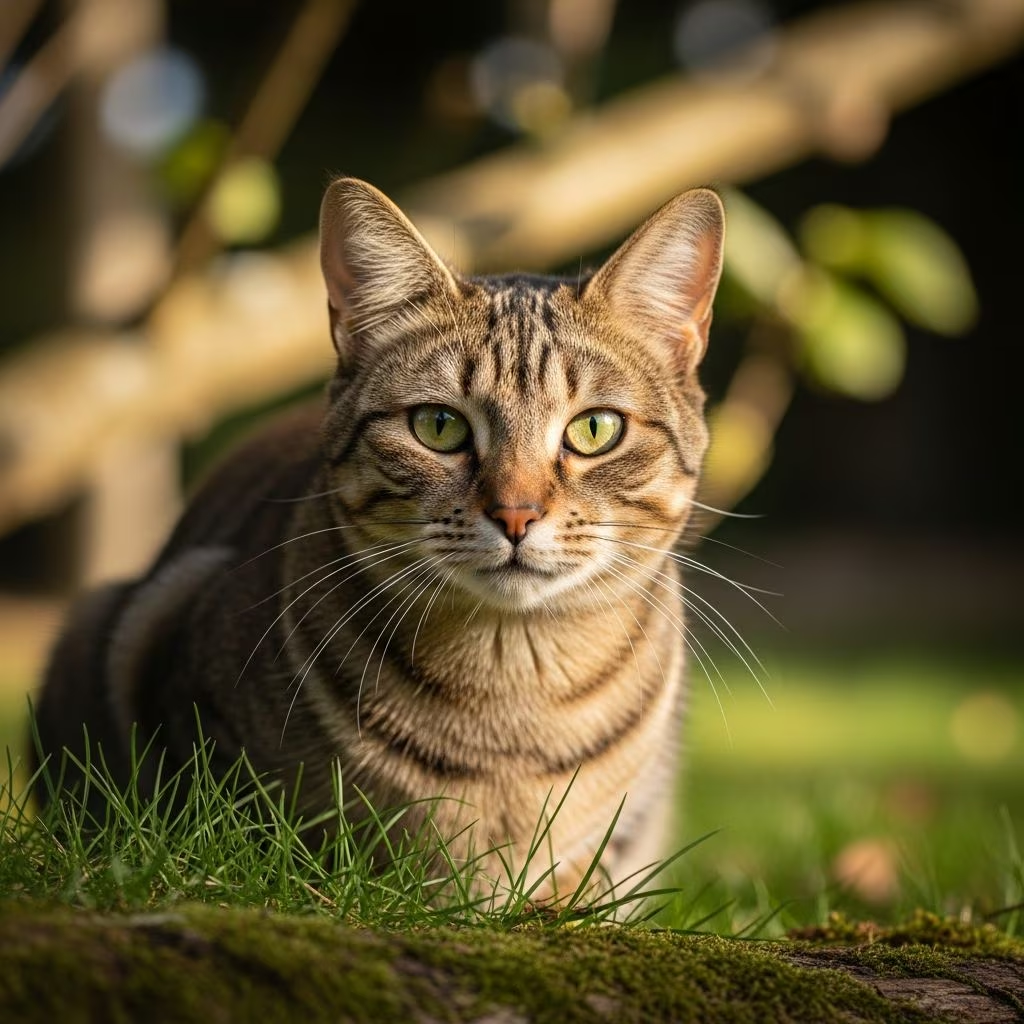
Outdoor cats, including community and feral felines, thrive with proper human support despite their independent lifestyles. Providing secure shelters, reliable nutrition, and protection from environmental hazards enables these cats to live healthier lives in varied climates.
Designing Effective Outdoor Shelters
Well-constructed shelters protect outdoor cats from extreme weather, offering insulation and privacy. Optimal designs balance size, elevation, and materials to retain body heat while repelling moisture.
- Size guidelines: Aim for 2 feet by 3 feet by 18 inches high to accommodate 3-5 cats, preventing heat loss in larger spaces.
- Elevation techniques: Place on pallets or platforms to insulate from cold ground and dampness.
- Entry protection: Position doorways away from prevailing winds, facing walls to deter predators; add slanted boards or awnings over entrances to block rain and snow.
For winter, line interiors with straw, which excels at moisture resistance and insulation over blankets or hay. In severe cold, apply Mylar sheets to walls and floors to reflect body heat. Regularly inspect shelters post-snowfall, clearing paths to prevent entrapment.
Seasonal Nutrition Strategies
Outdoor cats expend more energy foraging and staying warm, necessitating increased caloric intake and accessible feeding stations. Consistent routines build trust and ensure survival.
| Season | Food Recommendations | Water Tips |
|---|---|---|
| Summer | Regular dry or wet food schedules; store in cool areas to prevent spoilage; supplement with hydrating wet varieties | Multiple fresh bowls, pet fountains for circulation; shade locations |
| Winter | Increase portions for warmth; use dry food or warmed canned; elevated stations | Warm/hot water in dark, double-layered bowls; solar heaters or microwaved pads; refresh frequently |
Designate protected feeding zones near shelters, shielded by canopies or dual-shelter setups to minimize exposure. Avoid road salts and ice-melters, which harm paws and are toxic.
Parasite Prevention and Health Maintenance
Outdoor exposure heightens risks from fleas, ticks, and worms. Vigilant prevention sustains vitality.
- Apply vet-approved topicals for fleas/ticks; deworm seasonally if needed.
- Inspect fur routinely; maintain clean environments with pet-safe repellents.
- Groom by brushing to remove undercoat, aiding temperature regulation without shaving.
Overweight or senior cats face amplified heat risks; prioritize shade and hydration in summer. Monitor for injuries or illness, intervening only if immediate danger exists.
Safeguarding Against Hazards
Predators, vehicles, and weather pose constant threats. Enclosed options and visibility aids mitigate dangers.
Secure enclosures: Catio-style fenced areas allow safe exploration without free-roaming perils.
- Collars with bells and reflectors alert wildlife and drivers.
- Avoid high-traffic zones; provide predator-free zones.
For community cats, observe behaviors before assisting; collars or scans distinguish owned from feral.
Creating Outdoor Litter Solutions
Dedicated elimination areas reduce neighborhood conflicts and promote hygiene.
- Location choices: Private spots amid foliage, away from food/water, near observed digging sites.
- Setup: Use screens or bushes for seclusion; provide diggable substrate.
- Maintenance: Scoop daily, refresh litter periodically to deter pests and odors.
Studies confirm cats quickly adopt these facilities, ceasing yard soiling.
Year-Round Wellness Monitoring
Beyond basics, holistic oversight ensures longevity. Track weight, coat condition, and activity; adjust for age or health issues.
Summer demands anti-overheat measures like grooming and water access; winter focuses on caloric boosts and de-icing. Barn or farm cats benefit from rodent control roles but require balanced diets.
FAQs
What bedding is best for outdoor cat shelters?
Straw provides superior insulation and moisture resistance; avoid hay, blankets, or towels.
How to prevent water from freezing?
Use warm water, dark bowls, solar heaters, or insulated pads; place in sunlit, sheltered spots.
Are outdoor cats safe from predators?
Not entirely; use bells, enclosures, and safe zones to minimize risks.
Should I shave my outdoor cat in summer?
No, coats protect from sun; brush regularly instead.
How often to feed outdoor cats?
Maintain schedules with extra winter calories; protect from spoilage.
References
- Cool Cats: Summer Safety Tips for Outdoor Cats — AAHA. 2023. https://www.aaha.org/resources/cool-cats-summer-safety-tips-for-outdoor-cats/
- How to Help Outdoor Cats in Winter — Best Friends Animal Society. 2024. https://bestfriends.org/pet-care-resources/how-help-outdoor-cats-winter
- Community Cat Care Guide — Cat by Cat Inc. 2023. https://www.catbycatinc.org/cat-care-guide
- How to Care for Outdoor Cats in Winter — Humane World for Animals. 2024. https://www.humaneworld.org/en/resources/how-care-outdoor-cats-winter
- Cold Weather Tips for Cats — Alley Cat Allies. 2023. https://www.alleycat.org/resources/cold-weather-tips-for-cats/
- General Cat Care — ASPCA. 2025. https://www.aspca.org/pet-care/cat-care/general-cat-care



