

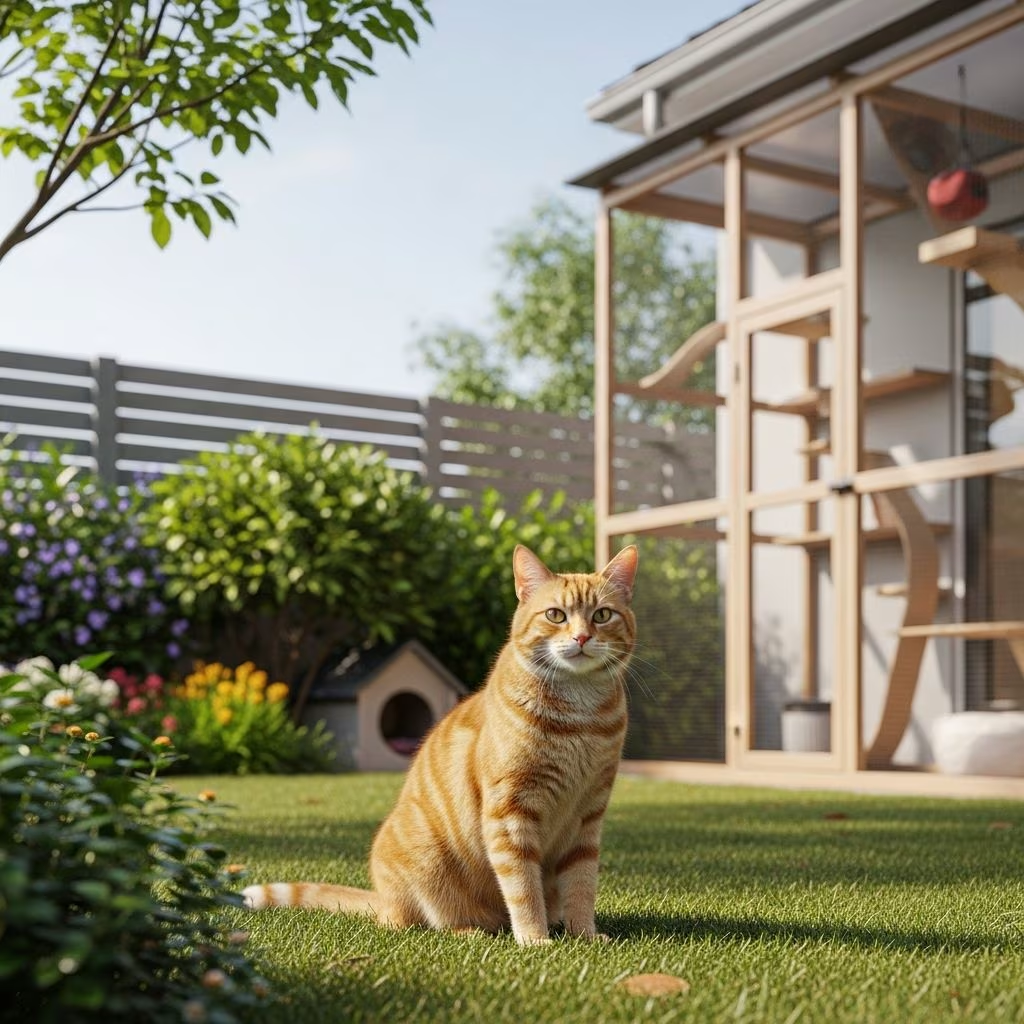
Outdoor cats face numerous challenges that can push them away from home or put their health and safety at risk. Whether your cat spends part of the day outdoors or lives primarily outside, understanding how to create a secure environment that encourages them to stay close is essential. This comprehensive guide explores evidence-based approaches to outdoor cat management that prioritize both their wellbeing and their tendency to remain within familiar territory.
Understanding the Outdoor Cat Experience
Cats are curious, independent animals driven by instinct to explore their surroundings. When given outdoor access, they naturally establish territories and may roam considerable distances searching for food, mates, or simply interesting stimuli. Understanding these natural behaviors is the foundation for developing effective strategies to keep them close to home while maintaining their quality of life.
The key to success lies in making your home environment more attractive than the wider world. This involves addressing their fundamental needs—safety, food, shelter, enrichment, and comfort—in ways that discourage extended wandering. Multiple complementary strategies work together more effectively than relying on a single approach.
Identification Systems: Your First Line of Defense
Before implementing any containment or environmental strategy, establishing reliable identification is crucial. If your cat does wander beyond your property, proper identification dramatically increases the chances of recovery.
Microchipping Technology
Microchips represent the most permanent form of identification available today. These tiny devices, implanted by a veterinarian beneath the cat’s skin, contain a unique identification number linked to your contact information in a national registry. Unlike collars or tags that can be lost or removed, microchips remain with your cat permanently. When animal shelters or veterinary clinics scan a found cat, they can immediately identify the owner and facilitate reunion.
Visual Identification Methods
While microchips provide permanent identification, visible markers are equally important since they allow neighbors or other community members to recognize your cat as someone’s pet. Reflective collars with ID tags serve multiple purposes:
- Alert people that the cat belongs to someone nearby
- Display your phone number for direct contact
- Include safety bells or reflective materials that increase visibility during low-light conditions
Additionally, GPS tracking devices have revolutionized outdoor cat monitoring. Modern pet GPS trackers attach to collars and use satellite technology or cellular networks to pinpoint your cat’s location in real-time. This technology allows owners to monitor their cat’s movements, set geographic boundaries that trigger alerts if the cat wanders too far, and locate them immediately if they become lost.
Creating an Attractive Home Territory
Cats establish territories based on resource availability and environmental appeal. By making your property more attractive than surrounding areas, you naturally encourage them to remain close.
Optimal Feeding Strategies
Nutrition serves as a powerful incentive for cats to remain near home. Outdoor cats require appropriate caloric intake to sustain their activity levels, which typically exceed that of indoor cats. Establishing a consistent feeding routine offers multiple benefits:
- Provides predictability that encourages cats to return at scheduled times
- Ensures adequate nutrition for outdoor living
- Allows you to monitor health through eating behavior
- Reduces the likelihood they’ll hunt excessively or scavenge in unsanitary areas
Feed outdoor cats at the same location and time daily during daylight hours. This routine creates behavioral patterns that keep them nearby. Provide sufficient food for the meal but avoid leaving excess that attracts wildlife or spoils. During warmer months, wet food can enhance hydration, but remove uneaten portions within 15-30 minutes to prevent spoilage, insect attraction, and foodborne illness.
Store all dry food in sealed, airtight containers protected from heat and moisture. Proper food storage prevents spoilage and reduces the nutritional degradation that occurs in outdoor environments.
Water Accessibility
Consistent access to fresh water is fundamental. Place water bowls in multiple locations around your property, refreshing them daily. Consider installing a pet water fountain, which provides circulating, aerated water that encourages drinking and maintains freshness better than static bowls. Proper hydration supports overall health and makes your property more appealing than having to search elsewhere for water sources.
Shelter and Environmental Comfort
Cats require safe spaces to rest, hide from predators, and escape adverse weather. Providing multiple shelter options throughout your property increases their comfort and willingness to stay close.
Winter Enclosures and Protection
Temperature regulation presents significant challenges for outdoor cats. During winter months, provide insulated shelters that are elevated from ground level to prevent moisture and cold exposure. Key features include:
- Elevated design to reduce ground dampness and heat loss
- Small entrance doors to retain warmth and deter larger predators
- Windbreak orientation to protect from prevailing winds
- Interior straw or insulation for temperature maintenance
- Regular inspection and straw replacement as needed
In winter, monitor shelters more frequently—ideally twice daily—to ensure food and water remain accessible and that structures remain dry and functional.
Summer Comfort Measures
Summer presents different challenges. Outdoor cats cannot regulate temperature through sweating as humans do and are susceptible to heatstroke, particularly if overweight, thick-coated, or with pre-existing respiratory conditions. Provide abundant shaded areas throughout your property, ensuring cats can escape direct sunlight during peak heat hours. Well-ventilated spaces in barns or outbuildings prevent dangerous temperature accumulation.
Regular grooming removes excess fur that contributes to overheating, though avoid shaving outdoor cats unless severely matted, as their coat provides sun protection and aids natural temperature regulation.
Controlled Outdoor Environments: Catios and Enclosures
The most secure approach to outdoor cat management involves catios—enclosed outdoor spaces that provide fresh air, sunlight, and environmental enrichment while preventing escape and protecting from external threats.
Catios range from simple DIY wire enclosures to elaborate multi-level structures. Benefits include:
- Complete predator protection from coyotes, raccoons, and birds of prey
- Prevention of wandering beyond property boundaries
- Elimination of traffic accident risk
- Ability to supervise outdoor time
- Controlled access to plants and chemicals
For cats with free-roaming privileges, fenced areas provide partial containment that reduces (though doesn’t eliminate) roaming distance. Attach reflective collars with bells to enhance visibility and alert potential predators to your cat’s presence.
Health, Vaccination, and Parasite Control
Outdoor exposure increases disease and parasite risk significantly. Comprehensive health management keeps outdoor cats healthy and reduces the likelihood they’ll seek medical attention elsewhere.
Vaccination Protocol
Outdoor cats face exposure to viruses and diseases that indoor cats typically avoid. Working with your veterinarian to establish appropriate vaccination schedules protects against common outdoor threats including feline leukemia, feline immunodeficiency virus, and rabies. Maintaining current vaccination records demonstrates responsible pet ownership if your cat is ever impounded or requires emergency care.
Spaying and Neutering
Intact cats have powerful biological drives to roam in search of mates, dramatically increasing their likelihood of wandering far from home. Spaying and neutering eliminate these urges and provide numerous health benefits. Additionally, population control through these procedures reduces community cat populations that might compete with your cat for resources.
Parasite Management
Outdoor cats face significant parasite exposure including fleas, ticks, and intestinal worms. Implement a comprehensive prevention protocol:
- Use veterinarian-recommended flea and tick preventives appropriate for outdoor exposure
- Establish regular deworming schedules, particularly during warmer months
- Maintain clean bedding and living spaces to reduce parasite populations
- Conduct regular physical examinations for signs of infestation
Environmental Hazard Management
Creating a safe outdoor territory requires identifying and mitigating specific hazards common in residential environments.
Toxic Plant Prevention
Many common garden plants are toxic to cats. Lilies, azaleas, and sago palms represent particularly dangerous species that can cause severe organ damage or death. When planning gardens or selecting outdoor plants, choose cat-safe varieties and avoid toxic ornamental plants entirely. Research any plant before introduction to your landscape.
Similarly, garden chemicals including fertilizers, pesticides, and herbicides pose significant toxicity risks. Opt for organic, cat-safe alternatives or use pet-friendly products specifically formulated to avoid harm to animals sharing the space.
Traffic and Predator Protection
Outdoor cats face trauma risk from vehicles and predation from coyotes, raccoons, and large birds. The most comprehensive protection involves enclosed catios that completely eliminate these risks. For free-roaming cats, reflective collars with bells warn drivers of the cat’s presence and alert prey animals to the cat’s proximity.
Establishing safe spaces where cats can roam without encountering traffic or major predators—enclosed yards or catios—significantly reduces injury risk.
Behavioral Enrichment and Environmental Appeal
Cats with enriched, interesting home environments feel less compelled to roam seeking stimulation. Create multiple zones of interest throughout your property:
- Climbing structures or cat trees that utilize vertical space
- Hiding spots that provide security and observation points
- Scratching posts that allow natural marking behaviors
- Interactive toys and puzzle feeders that engage hunting instincts
- Sunny napping areas that appeal to cats’ basking preferences
Managing Community Cat Dynamics
If other outdoor cats frequent your property, managing these interactions prevents competition that might drive your cat away. Establish separate feeding stations to reduce resource competition, and consider providing multiple litter boxes placed in appropriate locations.
Creating a designated catnip bed in an area where you welcome outdoor cats encourages them to congregate in controlled zones rather than throughout your entire property. This containment approach protects garden areas while accommodating the cats’ natural behaviors.
Monitoring and Adjustment
Effective outdoor cat management requires ongoing observation and adjustment. Monitor your cat’s behavior patterns, note any changes in eating habits or activity levels, and adjust strategies based on observed preferences and seasonal changes.
Maintain regular veterinary check-ups to assess outdoor living conditions’ impact on health. Your veterinarian can provide breed-specific or individual health recommendations that optimize your cat’s outdoor experience.
By implementing multiple complementary strategies—identification, attractive home resources, secure shelter, health maintenance, hazard elimination, and environmental enrichment—you create an outdoor lifestyle that keeps your cat safe, healthy, and content close to home.
References
- Cool Cats: Summer Safety Tips for Outdoor Cats — American Animal Hospital Association (AAHA). 2024. https://www.aaha.org/resources/cool-cats-summer-safety-tips-for-outdoor-cats/
- How to Care for Outdoor Cats in 5 Simple Steps — Pet Palace Resort. 2024. https://www.petpalaceresort.com/how-to-care-for-outdoor-cats-in-5-simple-steps/
- Humane Outdoor Cat Deterrents — Best Friends Animal Society. 2024. https://bestfriends.org/pet-care-resources/humane-outdoor-cat-deterrents
- How to Care for Local Feral Cats in Your Community in Winter — Cat Care Society. 2024. https://www.catcaresociety.org/how-to-care-for-local-feral-cats-in-your-community/
- General Cat Care — American Society for the Prevention of Cruelty to Animals (ASPCA). 2024. https://www.aspca.org/pet-care/cat-care/general-cat-care



