

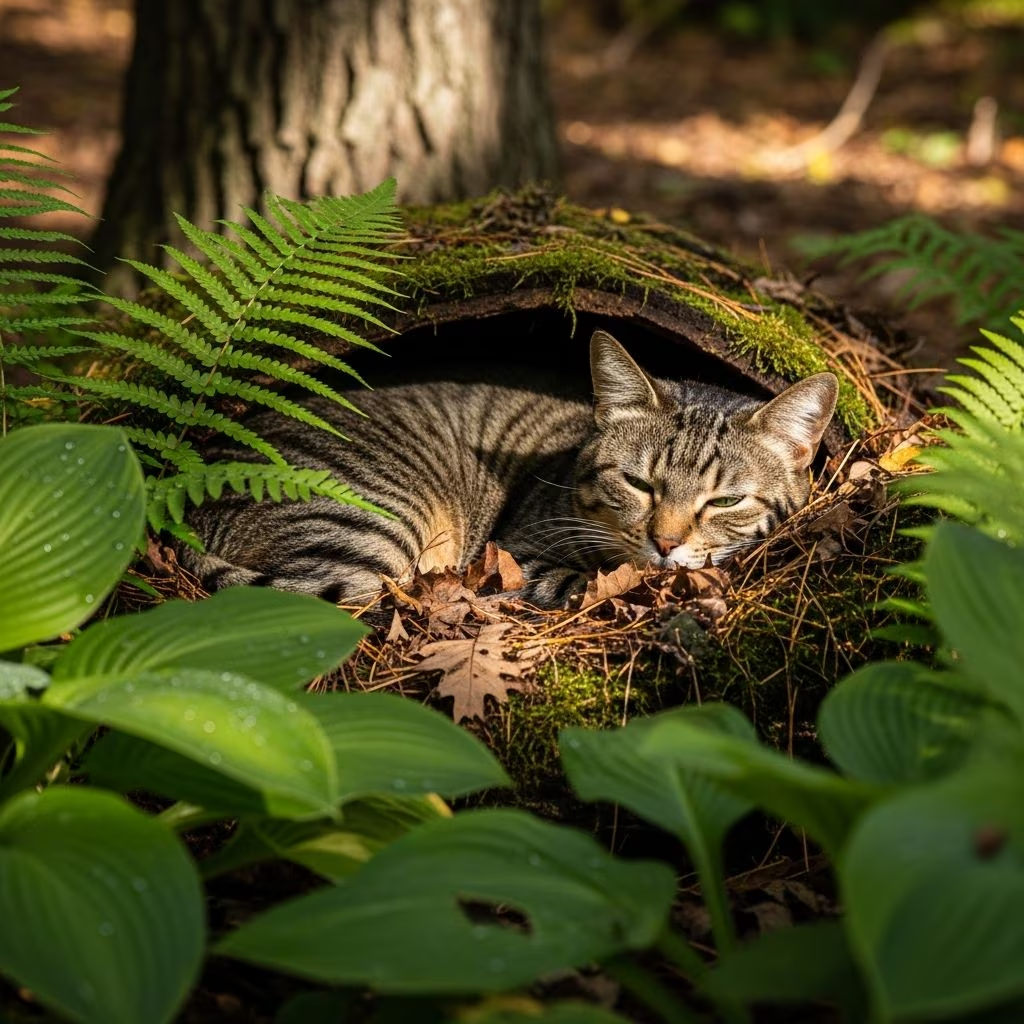
Outdoor cats demonstrate remarkable adaptive behaviors when selecting places to rest, driven by instinctive survival mechanisms and environmental requirements. Unlike their indoor counterparts who have the luxury of comfortable beds and climate-controlled spaces, cats living outdoors must rely on their intelligence and resourcefulness to locate suitable resting areas. Understanding these preferences provides valuable insight into feline behavior and can help pet owners or community members better support the wellbeing of outdoor cats in their environment.
The Essential Criteria for Selecting a Sleep Location
Outdoor cats evaluate potential sleeping spots based on several fundamental requirements that directly impact their safety, comfort, and survival. These criteria form the foundation of decision-making whenever a cat assesses a new location, whether it’s their first encounter with that space or a return visit to a familiar refuge.
Safety and Security as Primary Factors
The most critical element in an outdoor cat’s selection process involves identifying locations that provide comprehensive protection from threats. Outdoor environments present significantly more hazards than indoor settings, including predators, vehicles, and hostile humans. Cats instinctively seek elevated positions or enclosed spaces that offer multiple lines of sight, allowing them to monitor their surroundings while remaining concealed from potential dangers. A secure sleeping spot typically features natural barriers or structures that prevent unexpected approach from ground level, giving cats crucial time to respond if a threat emerges.
Climate Protection and Temperature Regulation
Temperature management profoundly influences where outdoor cats choose to rest, particularly during extreme weather conditions. Cats are inherently drawn to warm environments and will consistently avoid damp, wet, or cold locations unless desperation forces them to do so. This preference reflects their biological need to conserve energy and maintain optimal body temperature. During colder months, outdoor cats frequently huddle together in groups, using each other’s body warmth as an efficient heating system. This communal sleeping behavior, commonly observed in feral and stray cat colonies, demonstrates how cats naturally adapt their social structure to meet environmental challenges.
Seclusion and Tranquility
Cats possess a strong preference for quiet, undisturbed spaces away from human activity and unpredictable disturbances. They select sleeping locations that minimize the possibility of unexpected interruptions or startling encounters. Privacy allows cats to enter deeper sleep states without constant vigilance, which is essential for their physical and mental recovery. Cats naturally favor remote areas where their resting is unlikely to be disrupted, choosing spots that provide shelter from all angles to prevent anything from approaching undetected.
Proximity to Sustenance Resources
Outdoor cats demonstrate sophisticated decision-making by selecting rest areas that minimize energy expenditure. Sleeping near reliable sources of food and fresh water reflects their intelligent approach to resource management and energy conservation. Cats understand that proximity to food sources reduces the distance they must travel when hungry, allowing them to preserve calories and maintain their health more effectively.
Natural Sleep Locations Outdoor Cats Favor
Outdoor cats exploit a diverse range of environmental features and structures to create comfortable sleeping arrangements suited to their needs.
Elevated Perches and Roof Spaces
Cats frequently choose elevated positions for sleeping, as these locations provide superior vantage points for monitoring potential threats. Rooftops, shed tops, and other high structures offer natural protection from ground-level predators while allowing cats to observe their surroundings. Elevated sleeping positions also facilitate quick escapes if danger approaches. During summer months, outdoor cats particularly favor sunny spots on elevated surfaces, combining the benefits of warmth and visibility while enjoying natural light.
Sheltered Building Structures
Various outbuildings present ideal sleeping opportunities for outdoor cats. Sheds, barns, stables, and similar structures typically offer warmth, shelter from weather, and concealment from predators. These locations often house other animals, which provides additional warmth and may offer secondary benefits such as pest control services that cats naturally provide. The enclosed nature of these spaces creates a secure environment similar to a den, which appeals to cats’ instinctive preferences.
Underneath and Between Structures
Some outdoor cats prefer crawling beneath furniture, decking, or building foundations to create mini shelter spaces. While these locations typically offer less observation capability than elevated positions, they provide comprehensive concealment from all angles and protection from weather elements. The enclosed feeling of being underneath something can provide psychological comfort and security to cats selecting these spaces.
Seating Structures and Furniture
Benches, chairs with backs, and similar furniture items appeal to outdoor cats seeking moderate elevation and partial environmental protection. These structures offer the advantage of being above ground while providing some protection from wind and rain through their backrests and sides. The combination of moderate height and directional shelter makes these locations practical choices for cats.
Greenhouse and Garden Spaces
During warmer seasons, outdoor cats appreciate greenhouses and similar garden structures that combine sunshine with shelter from wind. These spaces offer warmth, protection from weather, and often harbor small prey, making them attractive for both rest and hunting opportunities.
Understanding Outdoor Cat Demographics and Social Behavior
Different categories of outdoor cats exhibit varying sleep behaviors based on their background, socialization level, and environmental adaptation.
Feral and Stray Cat Communities
Feral cats live in established colonies with complex social hierarchies and cooperative behaviors. Unlike solitary animals, feral cats sleep together within their social groups, providing mutual warmth and collective protection. These cats develop strong territorial bonds and demonstrate remarkable cooperation in protecting young and vulnerable colony members. Stray cats, which have had previous human contact, similarly benefit from group sleeping arrangements that enhance safety and comfort.
Solitary Outdoor Cats
Cats that have established relationships with human caretakers may sleep independently near the homes where they receive food and care. These cats benefit from proximity to human structures while maintaining their outdoor independence, balancing access to resources with their preference for outdoor living.
Temporal Patterns: When Outdoor Cats Rest
Understanding when outdoor cats sleep provides context for their overall behavior and activity patterns.
Circadian and Crepuscular Rhythms
Outdoor cats exhibit crepuscular behavior, meaning they are most active during dawn and dusk hours rather than being strictly nocturnal. This activity pattern reflects their natural hunting instincts, as twilight hours provide optimal conditions for stalking prey. During other times of the day, outdoor cats engage in sleeping and resting, interspersed with periods of hunting, exploration, and social interaction. Outdoor cats typically sleep less than indoor cats because they maintain higher activity levels throughout the day.
Seasonal Variations in Sleep Patterns
Outdoor cats adjust their sleep location and duration based on seasonal changes. During summer months, cats may spend more time sleeping in sunny outdoor locations, while winter months drive them to seek warmer, more sheltered resting spots. The extended daylight of summer enables different activity patterns compared to the shortened daylight of winter.
Supporting Outdoor Cat Rest: Practical Assistance
Community members and concerned individuals can take steps to support the rest needs of outdoor cats in their neighborhoods.
Providing Shelter Solutions
Creating or maintaining accessible shelter options benefits outdoor cats significantly. Outdoor cat shelters should incorporate insulation, weatherproofing, and appropriate bedding materials. Straw serves as an excellent bedding choice because it repels water and allows cats to burrow for warmth and concealment.
Environmental Modifications
Simple environmental enhancements can improve outdoor cat comfort. Ensuring access to quiet, secure areas away from heavy foot traffic provides safe resting locations. Maintaining clear pathways to sheltered spots helps cats navigate safely during adverse weather.
Monitoring and Support
Regular observation of outdoor cats helps identify any signs of distress or injury. Providing access to fresh water and appropriate food sources near sheltered areas ensures cats have resources without needing to venture far from safety.
Sleep Position Behaviors and What They Indicate
Outdoor cats, like indoor felines, adopt various sleeping positions that reflect their comfort level and security state.
Curled and Protective Postures
Cats frequently sleep curled into balls with their noses toward their tails, a position that conserves body heat and protects vulnerable abdominal organs. Outdoor cats in unfamiliar or potentially unsafe locations frequently adopt this position, indicating they maintain some vigilance while resting.
Vulnerable and Exposed Positions
Cats sleeping on their backs with exposed bellies or stretched out on their sides indicate a high comfort level in their environment. Outdoor cats adopt these vulnerable positions only in locations where they feel secure and confident in their safety. The ability to observe a cat sleeping in such relaxed positions suggests the location is appropriate for their wellbeing.
Alert and Transitional Postures
The sphinx position, where cats rest with paws tucked beneath their chest and head held upright, indicates light sleep where the cat remains ready for immediate action. Outdoor cats frequently adopt this position, allowing them to rest while maintaining readiness to respond to potential threats.
Frequently Asked Questions About Outdoor Cat Sleep
How much do outdoor cats sleep compared to indoor cats?
Outdoor cats typically sleep less than indoor cats because they maintain higher activity levels and must allocate time to hunting and territorial behaviors. Indoor cats often sleep 12-16 hours daily, while outdoor cats have more varied schedules based on seasonal and environmental factors.
Do outdoor cats sleep during the day or night?
Outdoor cats exhibit crepuscular behavior, being most active during dawn and dusk. They sleep during various times of the day and night, with activity patterns adjusted based on when hunting opportunities are optimal and when environmental hazards are minimized.
Why do outdoor cats sleep together in groups?
Group sleeping provides multiple benefits including collective warmth, shared vigilance against predators, and social bonding. Feral and stray cat colonies use communal sleeping as a survival strategy, particularly during cold weather.
What should I provide for an outdoor cat to sleep safely?
Provide insulated shelter with weatherproof construction, straw or similar bedding for warmth, protection from wind and rain, elevation from ground moisture, and locations away from heavy traffic and noise. Ensure access to fresh water and food sources nearby.
How can I tell if an outdoor cat is sleeping safely?
Safe outdoor cats rest in protected locations with clear visibility of their surroundings, adopt relaxed sleeping positions indicating comfort, return to consistent resting locations, and maintain healthy appearance and activity levels.
References
- What Do Outdoor Cats Like To Sleep In? — Cats.com. https://cats.com/what-do-outdoor-cats-like-to-sleep-in
- My Cat Sleeps All Day: Is This Normal? — Whisker by Litter-Robot. https://www.whisker.com/blog/my-cat-sleeps-all-day
- Cats and Sleep – Behaviour Help & Advice — Cats Protection. https://www.cats.org.uk/help-and-advice/cat-behaviour/cats-and-sleep
- 20 Cat Sleeping Positions and What They Mean — PetMD. https://www.petmd.com/cat/general-health/cat-sleeping-positions-and-what-they-mean
- Feline Sleep Behavior: What’s Normal? — Catwatch Newsletter. https://www.catwatchnewsletter.com/behavior/feline-sleep-behavior-whats-normal/



