
Complete Guide to Outdoor Adventures With Your Dog
Master the essentials for safe, enjoyable camping trips with your canine companion
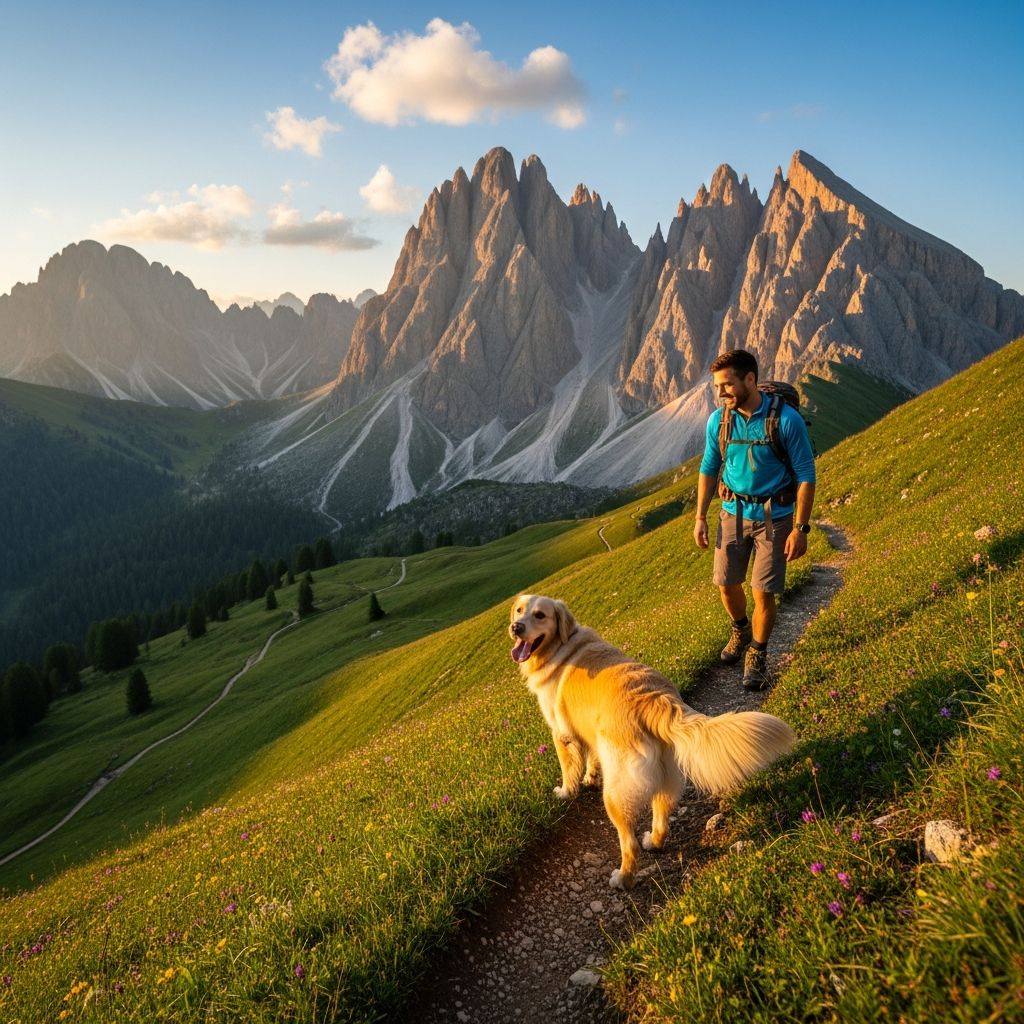
Taking your dog camping offers wonderful bonding opportunities and allows your furry companion to experience the natural world alongside you. However, successful outdoor adventures require careful planning, proper preparation, and awareness of potential hazards. This comprehensive guide covers everything you need to know to ensure your dog enjoys a safe and comfortable camping experience.
Assessing Your Dog’s Readiness for the Outdoors
Before you pack your gear and head to the wilderness, it’s essential to evaluate whether your dog is physically and temperamentally suited for camping. Not every dog thrives in an outdoor environment, and understanding your individual pet’s capabilities helps prevent problems before they start.
Your dog’s age, fitness level, and general health significantly impact their ability to handle outdoor activities. Puppies and senior dogs may struggle with long hikes and temperature fluctuations, while dogs with existing health conditions require special considerations. Dogs accustomed to indoor or urban living need gradual exposure to natural environments rather than sudden immersion in wilderness camping.
Basic obedience training serves as a foundation for camping safety. Your dog should reliably respond to commands like “come,” “stay,” and “leave it,” especially in unfamiliar environments where distractions abound. These commands become critical when your dog encounters wildlife, other animals, or unexpected hazards in the campground.
Physical conditioning is equally important as behavioral preparation. Couch-potato dogs require a progressive training regimen before undertaking strenuous hiking activities. Start with short walks at a comfortable pace and gradually increase distance and difficulty over several weeks. This gradual approach builds your dog’s endurance and muscular strength while allowing their paw pads to toughen naturally.
Pre-Trip Health Preparation and Documentation
Veterinary care before your camping adventure establishes a critical safety net for unforeseen medical situations. Schedule an appointment with your veterinarian at least four to six weeks before your planned trip to address any health concerns and ensure your dog is in optimal condition for outdoor activity.
Vaccinations and parasite prevention form the foundation of pre-trip health preparation. All dogs should have current vaccinations appropriate for outdoor exposure. Heartworm disease, transmitted by mosquitoes, poses a serious threat in many regions, making heartworm prevention essential. Similarly, flea and tick prevention medications should be current before entering natural areas where parasites thrive.
Your veterinarian can recommend appropriate flea, tick, and heartworm preventatives based on your specific camping destination and your dog’s health profile. Some areas have seasonal parasite risks, and others present year-round hazards. Obtaining prescription medications in advance prevents last-minute scrambling and ensures continuous protection throughout your trip.
Request recent medical records from your veterinarian, including vaccination documentation and any relevant health information. Carry these records with you during your camping trip—they prove invaluable if your dog requires emergency veterinary care at an unfamiliar clinic. A simple photo or PDF of key medical information stored on your phone provides portable access to critical health data.
Ask your veterinarian about creating a portable first aid plan specific to your dog’s health needs. If your dog takes medications, ensure you pack sufficient quantities plus extras. If your dog has allergies or previous health issues, discuss management strategies for potential flare-ups during your camping adventure.
Identification and Recovery Systems
The reality of outdoor camping means your dog faces increased risk of becoming separated from you despite your best efforts. Implementing multiple identification and recovery systems dramatically increases the likelihood of a safe reunion if separation occurs.
Microchipping represents the most reliable permanent identification method. Unlike collars and tags that can fall off, microchips provide permanent identification that veterinarians and shelters routinely scan when recovering lost pets. However, microchip effectiveness depends entirely on accurate contact information in the registry. Before your trip, verify that your registration is current and that all phone numbers and addresses are accurate. If you’ve moved or changed phone numbers since the microchip was implanted, update your information immediately.
A reflective collar with an ID tag showing your current phone number provides immediate identification for anyone who finds your dog. Consider investing in a collar light or reflective gear that makes your dog visible in low-light conditions, especially important for pets that may escape at dusk or dawn.
Modern GPS trackers and AirTag-style devices offer real-time location monitoring for your dog during the camping trip. These technologies prove invaluable if your dog does escape, allowing you to track their location via your smartphone. Familiarize your dog with wearing such devices before your trip to ensure they remain comfortable with the additional weight.
Take several clear photos of your dog before leaving home—include full-body shots and close-ups of distinctive markings. Carry these photos with you and consider sending them to a trusted contact or emailing them to yourself for easy access. In the unfortunate event that your dog goes missing, you’ll have quality photos readily available for posting on social media or providing to local authorities.
Assembling the Right Gear and Equipment
Proper equipment contributes significantly to your dog’s comfort and safety during camping adventures. Investing in quality, dog-specific gear simplifies camp life and prevents problems before they develop.
| Gear Category | Essential Items | Purpose |
|---|---|---|
| Shelter & Sleep | Dog bed, sleeping mat, tent access | Comfort and protection from ground moisture and temperature |
| Containment | Leash (6 feet or longer), stake or cable tie-out | Safety control at campsite, meeting local regulations |
| Feeding | Collapsible bowls, portable water container | Lightweight, space-saving feeding solutions |
| Protection | Booties, first aid kit, insect repellent | Injury prevention and emergency response |
| Identification | Reflective collar, GPS tracker, backup ID tags | Lost pet recovery and visibility |
| Load Carrying | Dog backpack (15% body weight max) | Distributes gear weight for longer hikes |
Sleeping arrangements significantly impact both your dog’s comfort and campground safety. Co-sleeping with your dog in your tent keeps them safe from nocturnal wildlife encounters while preventing midnight escapes that could result in lost pets. Bring a comfortable dog bed or sleeping pad to cushion your dog from the hard ground. A moisture-resistant pad protects against ground dampness that can lead to muscle aches in older dogs.
A quality leash designed for outdoor use provides the balance between control and freedom that camping demands. Six-foot leashes represent the standard requirement in most campgrounds, though longer leads specifically designed for camping offer additional freedom while maintaining secure control. If your campsite layout permits, a cable tie-out system with an anchor stake allows your dog greater movement within a confined area.
Portable food and water dishes specifically designed for camping keep your setup lightweight and organized. Collapsible bowls compress to minimal size in your pack while remaining durable enough for regular use. Bring your dog’s regular food to prevent digestive upset from sudden diet changes in the stressful environment of camping.
Booties protect your dog’s sensitive paw pads from hot surfaces, rocky terrain, and sharp vegetation. Practice wearing booties at home before your trip so your dog adjusts to the sensation. Paw injuries present among the most common camping-related dog problems, making prevention easier than treatment in remote locations.
A pet-specific first aid kit designed for camping should include disinfectant, bandages, antibiotic ointment, and any medications your dog regularly takes. Include items to address likely injuries like paw cuts and scrapes, which occur frequently during outdoor adventures. Your veterinarian can recommend additional items based on your dog’s specific health needs and your camping destination.
Preparing Your Dog Through Gradual Exposure
Dogs thrive with familiarity and consistency. Gradual exposure to camping-related stimuli significantly reduces stress and anxiety when you finally embark on your adventure. This preparation process typically spans several weeks and involves introducing your dog to various camping elements in controlled settings.
Begin by setting up your tent at home and encouraging your dog to spend time inside it during normal daily activities. Leave the tent door open so your dog can explore freely. Gradually increase the time your dog spends in the tent, eventually practicing overnight stays in your backyard. This familiarization process removes the novelty and strangeness of sleeping in an unfamiliar structure.
Practice long car rides with your dog to ensure they remain calm during transportation to your camping destination. Start with short drives and progressively increase duration. Some dogs experience motion sickness or anxiety during extended car rides, and discovering this before your camping trip allows you time to consult your veterinarian about potential solutions like anxiety medication or calming supplements.
Introduce your dog to hiking on progressively longer trails in local parks. Begin with short distances at a comfortable pace, then gradually increase both distance and difficulty. Pay attention to your dog’s comfort level and build endurance gradually rather than expecting immediate performance on challenging terrain. This progressive training prevents injuries and ensures your dog genuinely enjoys the experience rather than becoming exhausted or frustrated.
Let your dog become comfortable wearing a backpack with gradually increasing weight loads. Start with an empty pack and let your dog wear it during regular activities around your home. Once they accept this extra gear, gradually add lightweight items until the pack weighs approximately 15 percent of your dog’s body weight—the recommended maximum for dogs carrying their own gear during camping trips.
Managing Safety Hazards at Your Campsite
Campgrounds and wilderness areas present numerous hazards unfamiliar to dogs accustomed to controlled home environments. Proactive hazard management protects your dog from injury and prevents stressful situations.
Campfire and cooking area safety requires constant vigilance. Your dog must never have access to campfires where burns, singed fur, and smoke inhalation present serious risks. Establish a clear perimeter around cooking and fire areas and train your dog to respect these boundaries. When using a lead and stake system, verify the setup cannot tangle around tables, tents, or trees where your dog might become trapped or injured.
Secure all food and trash in bear-proof containers or store them in your vehicle to prevent your dog from eating inappropriate items or attracting wildlife to your campsite. Dogs exploring campsite trash can ingest toxic substances, bones that splinter and cause internal damage, or foods harmful to canine health. Many campgrounds require proper food storage to prevent wildlife conflicts—following these regulations protects both your dog and wild animals.
Water hazards demand careful management, particularly around rivers, lakes, and streams. Not all dogs are strong swimmers, and currents present drowning risks even for experienced swimmers. Ensure your dog wears a life jacket in or near water if you have any concerns about their swimming ability. Even strong swimmers should never approach water unsupervised—swift currents and sudden drop-offs create hazards that emerge suddenly.
Provide constant shade and shelter for your dog at the campsite, allowing them to escape heat and weather whenever desired. Dogs cannot regulate body temperature as effectively as humans and become overheated quickly. A shaded tent area or dog-specific shade structure ensures your dog can regulate their temperature independently rather than relying on your presence.
Snake avoidance requires education and caution. Most snakes naturally avoid humans and dogs, but defensive encounters can occur if snakes feel threatened. Stay on established trails, watch for snakes during hikes, and keep your dog away from rocks, brush, and holes where snakes shelter. If you encounter a snake on the trail, calmly find an alternate route and allow the snake to leave undisturbed.
Monitoring Your Dog During Your Camping Adventure
Successful camping requires active monitoring of your dog’s physical and emotional state throughout your trip. Early detection of problems allows intervention before minor issues become serious emergencies.
Never leave your dog unattended at any point during your camping trip, whether you’re sleeping, leaving the campsite temporarily, or enjoying camp activities. Your dog should accompany you whenever you leave the campsite or stay with you constantly at the site. This rule applies regardless of whether you’ve staked your dog or set up containment systems—direct supervision prevents the unexpected escapes and wildlife encounters that create dangerous situations.
Check your dog’s paws regularly during and after hiking activities. Rough terrain, hot surfaces, and vegetation with thorns or sharp edges cause cuts, scrapes, and irritation. Inspect between toe pads where debris accumulates and assess overall paw pad condition. Prompt identification of paw injuries allows treatment before they worsen and prevent your dog from limping or favoring a leg.
Monitor your dog’s hydration status throughout your camping adventure. Ensure fresh water remains constantly available—not all natural water sources are safe for dogs to drink. Blue-green algae in lakes and ponds can cause serious illness, and bacteria in streams present health risks. Bring sufficient fresh water from home or use water purification systems to provide safe drinking water throughout your trip.
Watch for signs of heat stress, exhaustion, or anxiety in your dog. Excessive panting, drooling, lethargy, or reluctance to continue hiking may indicate your dog needs rest, water, and shade. Take regular breaks during hiking, especially on warm days, and always prioritize your dog’s comfort over completing planned activities.
Respecting Local Regulations and Other Campers
Responsible camping practices with dogs ensure positive experiences for everyone at the campground and protect natural areas for future visitors.
Research your specific campground’s pet policies before booking, as regulations vary significantly between facilities. Some campgrounds restrict dog size or breed, require specific leash lengths, or permit dogs only in designated areas. Understanding these rules before arrival prevents disappointing discoveries and ensures compliance throughout your stay.
Always keep your dog leashed at the campsite except when actively supervising outdoor bathroom breaks. Even well-trained dogs experience overwhelming urges to chase squirrels or investigate interesting scents in unfamiliar environments. Leash requirements protect your dog, other campers’ pets, and wildlife.
Practice impeccable cleanup habits around your dog’s waste. Always carry out your dog’s waste—never leave it on trails or bury it near water sources. Responsible disposal of pet waste demonstrates respect for other campers, protects water sources from contamination, and upholds the outdoor ethics that preserve natural areas for future generations.
Ask other dog owners if their pets are friendly before allowing dogs to interact. Not all dogs tolerate social encounters with unfamiliar canines, and misreading social cues creates conflict. Respecting other owners’ preferences maintains campground harmony and prevents injury.
Frequently Asked Questions About Camping With Dogs
Can all dog breeds camp successfully?
While most healthy dogs can enjoy camping with proper preparation, certain factors affect breed-specific comfort. Flat-faced breeds may struggle with overheating, while double-coated breeds shed extensively in warm weather. Senior dogs and puppies face greater challenges with temperature regulation and stamina. Your veterinarian can assess your specific dog’s suitability for camping adventures.
How should I handle my dog if they become lost during camping?
Immediately search the immediate area and contact campground staff for assistance. Alert local animal control, nearby shelters, and veterinary clinics about your lost dog, providing physical descriptions and contact information. Post on social media and local lost pet groups while continuing ground searches. Your microchip registration and identification tag information become critical resources for recovery.
What should I do if my dog encounters wildlife?
Keep your dog on leash at all times to prevent wildlife encounters. If your dog encounters wildlife, calmly move away from the animal using your leash for control. Never allow your dog to chase, approach, or interact with wild animals, regardless of how docile they appear. Teach your dog strong “leave it” commands to redirect attention from enticing wildlife.
How often should I give my dog water while hiking?
Offer water frequently during hikes, especially on warm days or during strenuous activities. Most dogs benefit from drinking opportunities every 15-30 minutes during active hiking. Carry portable water containers and bowls specifically designed for camping to provide convenient hydration breaks.
Creating Lasting Memories Safely
Camping with your dog offers unique opportunities to bond while exploring natural environments together. By prioritizing preparation, investing in appropriate gear, and maintaining vigilant safety practices, you create conditions for successful outdoor adventures that your dog will enjoy for years to come. The time invested in pre-trip planning translates directly to smoother camp days and fewer stressful situations. Your dog will thrive with the advance preparation you provide, making your camping adventure both enjoyable and safe for everyone involved.
References
- What To Know Before, During, and After Camping With Dogs — PetMD. https://www.petmd.com/dog/general-health/camping-with-dogs
- Camping with Your Canine: 14 Tips to Ensure a Safe and Fun Adventure with Fido — Texas Highways. https://texashighways.com/travel-news/camping-with-your-canine-14-tips-to-ensure-safe-and-fun-adventure-with-fido/
- Camping with Dogs: How to Navigate Rules and Regulations — REI. https://www.rei.com/blog/camp/camping-with-dogs-how-to-navigate-rules-and-regulations
- The Ultimate Guide to Camping with Your Dog: Safety Tips & Packing List — Grandma Lucy’s. https://www.grandmalucys.com/blogs/grandma-lucys-blog/the-ultimate-guide-to-camping-with-your-dog-safety-tips-packing-list
- Adventure Ready: 5 Safety Tips For Hiking and Camping with Pets — Firehouse 183. https://firehouse183.com/adventure-ready-5-safety-tips-for-hiking-and-camping-with-pets/
- 10 Ways to Keep Your Pet Safe While Camping This Summer — ASPCA. https://www.aspca.org/news/10-ways-keep-your-pet-safe-while-camping-summer
- Camping With Dogs: A Guide to Keeping Your Dogs Comfortable — American Kennel Club. https://www.akc.org/expert-advice/travel/camping-with-dogs/
Similar Articles








Read full bio of Sneha Tete




