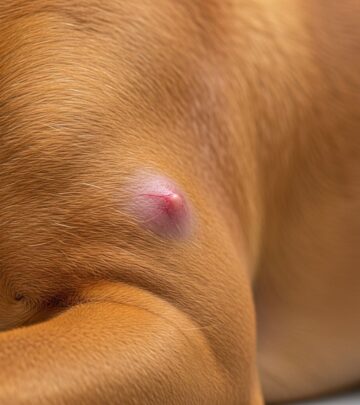
Otomax Ointment for Dogs: Treatment Guide
Complete guide to Otomax ointment: uses, dosage, and ear infection treatment for dogs.
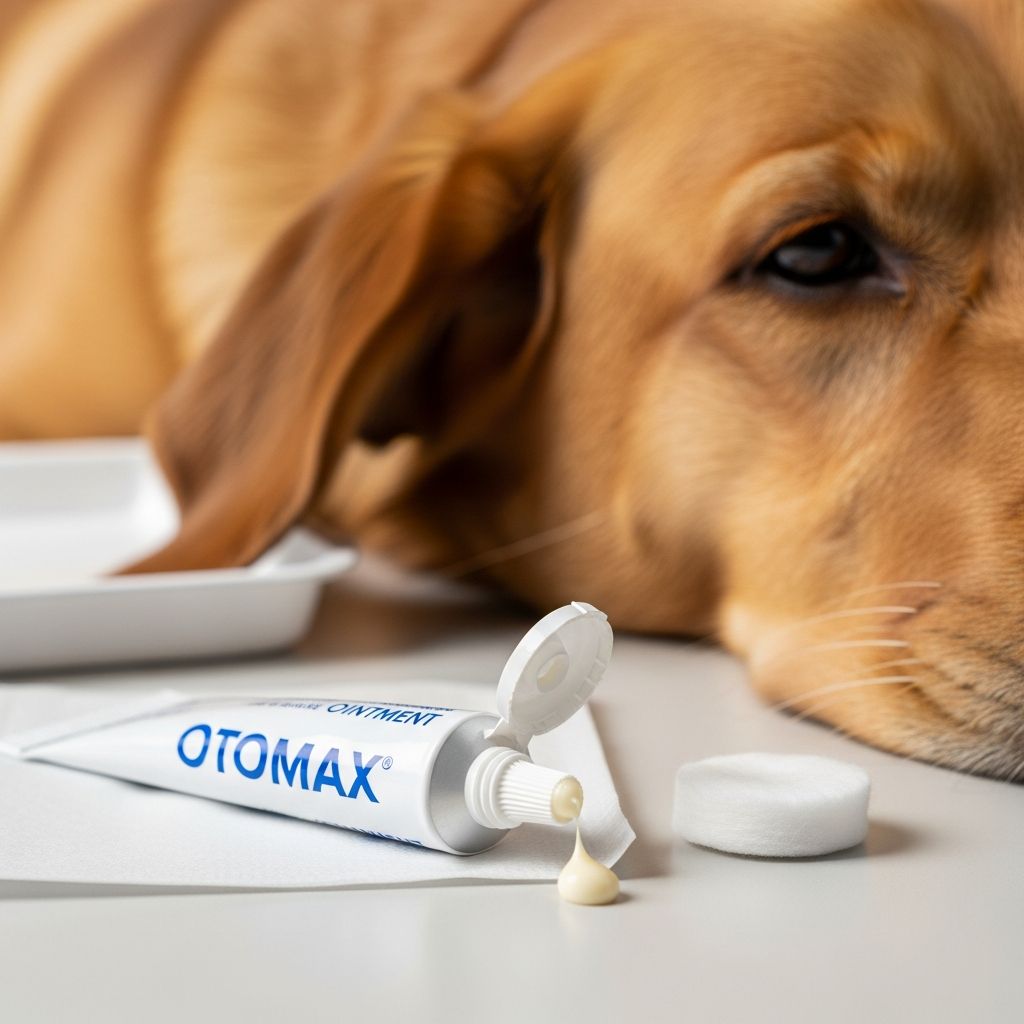
Otomax Ointment for Dogs: Comprehensive Treatment Guide
Ear infections are one of the most common health concerns affecting dogs, causing discomfort, inflammation, and potential complications if left untreated. Otomax ointment has emerged as a leading therapeutic solution for veterinarians treating acute and chronic otitis externa in canines. This triple-action topical medication combines three powerful ingredients to address the underlying causes of ear infections, providing relief and promoting healing in infected ears.
What is Otomax Ointment?
Otomax is a prescription topical ointment designed specifically for treating ear infections in dogs. The medication is composed of three active pharmaceutical ingredients that work synergistically to combat bacterial infections, reduce inflammation, and eliminate yeast overgrowth. Each formulation contains gentamicin sulfate (3 mg per gram), betamethasone valerate (1 mg per gram), and clotrimazole (10 mg per gram), suspended in a mineral oil-based system with a plasticized hydrocarbon gel vehicle. This unique combination makes Otomax a powerful first-line treatment option for veterinarians managing complex ear infections.
Indications and Uses
Otomax ointment is specifically indicated for the treatment of canine acute and chronic otitis externa associated with yeast (Malassezia pachydermatis) and/or bacteria susceptible to gentamicin. Otitis externa refers to inflammation of the external ear canal, and this condition can develop from various underlying causes including allergies, excessive moisture, poor ear hygiene, or foreign objects. The medication is particularly effective for infections involving common bacterial pathogens and the most prevalent yeast species found in canine ear infections. Veterinarians prescribe this medication when they identify mixed infections or when bacterial and fungal organisms are simultaneously present in the ear canal.
Triple-Action Formula Explained
The effectiveness of Otomax lies in its three complementary active ingredients, each serving a distinct therapeutic purpose:
Antibacterial Activity: Gentamicin
Gentamicin sulfate provides broad-spectrum antibacterial coverage against a wide variety of gram-negative and gram-positive bacteria commonly associated with canine ear infections. This antibiotic is particularly effective against Staphylococcus aureus, other Staphylococcus species, and Pseudomonas aeruginosa, which are frequently isolated from infected ears. Gentamicin works by inhibiting bacterial protein synthesis, thereby stopping bacterial growth and proliferation within the infected ear canal. The antibiotic component ensures that bacterial populations are eliminated, preventing secondary complications and promoting faster recovery.
Anti-Inflammatory Action: Betamethasone Valerate
Betamethasone valerate is a highly effective and safe corticosteroid that reduces inflammation associated with ear infections. This ingredient is crucial for alleviating the discomfort and swelling that often accompany otitis externa. By suppressing the inflammatory response, betamethasone helps decrease redness, edema, and pain, allowing the dog to experience relief more rapidly. The corticosteroid component also helps restore normal ear canal function and promotes healing of damaged tissue. This anti-inflammatory action is essential for improving the dog’s quality of life during treatment and accelerating the recovery process.
Antifungal Activity: Clotrimazole
Clotrimazole is proven effective against Malassezia pachydermatis, the most common ear yeast isolate in dogs. This antifungal agent works through a unique mechanism that causes leakage of intracellular phosphorus compounds, leading to the breakdown of cellular nucleic acids and accelerated potassium efflux from yeast cells. Clotrimazole is very poorly absorbed following topical application, meaning it remains concentrated at the site of infection where it’s needed most. This localized action ensures maximum therapeutic benefit while minimizing systemic absorption and potential side effects.
Dosage and Administration Guidelines
Proper administration of Otomax is critical for achieving optimal therapeutic outcomes. Before applying the medication, the external ear must be thoroughly cleaned and dried. Veterinarians recommend removing foreign material, debris, and crusted exudates using suitable non-irritating solutions. Excessive hair should be clipped from the treatment area to facilitate proper medication contact and allow for better assessment of the ear canal condition. Critically, the veterinarian must verify that the eardrum is intact before beginning treatment, as the medication should not be used in dogs with known eardrum perforation.
The dosage varies based on the dog’s weight and the formulation type:
| Dog Weight | Tube/Bottle Size (7.5g, 15g, 15g/30g) | Drops Per Ear (215g Bottle) | Frequency | Duration |
|---|---|---|---|---|
| Less than 30 lbs | 4 drops | 2 drops | Twice daily | 7 consecutive days |
| 30 lbs or more | 8 drops | 4 drops | Twice daily | 7 consecutive days |
After instilling the medication, the external ear canal should be massaged carefully to ensure appropriate distribution of the ointment throughout the infected area. This massage helps the medication make contact with all affected tissues and maximizes therapeutic efficacy. Therapy should continue for the full 7 consecutive days as recommended, even if symptoms improve earlier, to ensure complete resolution of the infection and prevent recurrence.
Vehicle and Formulation Advantages
The vehicle in which the active ingredients are suspended plays an important role in the medication’s effectiveness. Otomax uses a solution-like consistency with a colorless appearance, offering several practical advantages for both veterinarians and pet owners. The clear, colorless formulation makes it easy to differentiate from ear exudate, allowing veterinarians to assess whether the medication or infection byproducts are visible in the ear. Additionally, the colorless formula eliminates staining concerns, preventing discoloration of the dog’s fur around the ear area.
The mineral oil-based hydrocarbon formulation consistency provides additional benefits beyond cosmetic considerations. This vehicle formulation facilitates easy counting of drops for precise dosing, ensuring consistent medication delivery with each application. Furthermore, the formulation ensures prolonged contact between the active ingredients and the infected ear tissue, maximizing the duration of therapeutic action and improving overall treatment efficacy. This extended contact time is particularly valuable for maintaining steady drug concentrations at the infection site.
Available Packaging Options
Otomax ointment is available in multiple packaging sizes to accommodate different clinical needs and practice settings. The 7.5 gram and 15 gram tubes are convenient for individual pet owners and smaller clinic quantities. For practices requiring larger volumes, the medication is also available in 15 gram, 30 gram, and 215 gram bottles. The variety of package sizes allows veterinarians to recommend appropriate quantities based on the specific clinical situation and the dog’s treatment course, reducing waste while ensuring adequate supplies for the full 7-day treatment period.
Clinical Efficacy and Results
Clinical field trials have demonstrated that Otomax ointment is highly effective in treating otitis externa associated with both bacteria and Malassezia pachydermatis. The medication effectively reduced multiple signs of infection and inflammation, including discomfort, redness, swelling, exudate, and odor. Component efficacy studies confirmed the compatibility and additive effect of each ingredient, demonstrating that the three-ingredient combination provides superior therapeutic outcomes compared to single-agent treatments. Dogs receiving Otomax treatment have shown strong antimicrobial effects and significant improvements in clinical signs, with most cases resolving within the recommended 7-day treatment period.
Important Safety Information and Precautions
While Otomax is generally well-tolerated, several important safety considerations must be understood before treatment begins. The medication should not be used in dogs with known perforation of eardrums, as use in this situation could result in middle ear damage and potentially serious complications. The use of Otomax has been associated with deafness or partial hearing loss in a small number of sensitive dogs, particularly geriatric dogs, though this adverse effect is usually temporary. If hypersensitivity to any components occurs, treatment should be discontinued immediately and appropriate alternative therapy instituted.
Gentamicin, one of the active ingredients, is an aminoglycoside antibiotic with potential for ototoxicity and renal toxicity with prolonged use. While aminoglycosides are poorly absorbed from skin under normal circumstances, intoxication may occur when applied topically for prolonged periods to large wounds, burns, or denuded skin, particularly in dogs with renal insufficiency. Concomitant use of drugs known to induce ototoxicity should be avoided to prevent additive toxic effects. Administration of recommended doses beyond 7 days may result in delayed wound healing, making adherence to the specified treatment duration important for optimal outcomes.
Cushing’s syndrome in dogs has been reported in association with prolonged or repeated steroid therapy, and betamethasone is the corticosteroid component in this formulation. This concern underscores the importance of limiting treatment duration and following veterinary guidance regarding appropriate use.
Special Handling Instructions
Pet owners should avoid ingestion of Otomax and keep the medication out of the reach of children. The medication is for external otic use in dogs only and should be handled with appropriate care. Humans with known hypersensitivity to any of the medication’s components should avoid handling the product. While direct human contact is generally not problematic during typical use, it is prudent to wash hands after application to prevent accidental ingestion or eye contact.
Frequently Asked Questions About Otomax
Q: Can Otomax be used in cats?
A: No, Otomax is specifically formulated and approved for use in dogs only. Cats require different ear medications formulated for feline physiology and sensitivity. Always consult with your veterinarian for appropriate feline ear medications.
Q: How long does it take to see improvement in my dog’s ear infection?
A: The medication should take effect within 1 to 2 hours of application, with improvement in clinical signs typically following shortly thereafter. However, complete resolution usually requires the full 7-day treatment course.
Q: What should I do if my dog’s eardrum is perforated?
A: Do not use Otomax if the eardrum is perforated. Contact your veterinarian immediately, as alternative treatment approaches and additional diagnostic imaging may be necessary to assess the extent of damage.
Q: Can I stop treatment early if my dog seems better?
A: No, it is important to complete the full 7-day treatment course even if symptoms improve earlier. Discontinuing early may result in incomplete infection resolution and potential recurrence of the ear infection.
Q: Is Otomax safe for senior dogs?
A: While Otomax can be used in senior dogs, they may be more sensitive to potential ototoxic effects. Your veterinarian will assess whether Otomax is appropriate based on your senior dog’s individual health status and any existing hearing or kidney problems.
Q: How should I apply Otomax to my dog’s ear?
A: After cleaning and drying the ear, instill the appropriate number of drops based on your dog’s weight. Gently massage the external ear canal to distribute the medication. Do this twice daily for 7 consecutive days.
Q: Are there alternative medications to Otomax?
A: Yes, alternative ear medications exist, such as MalOtic, Gentizol, Tri-Otic, and other combinations. Additionally, different formulations like mometasone-based products are available. Your veterinarian will recommend the most appropriate medication based on the specific infection and your dog’s individual circumstances.
References
- OTOMAX® Otic Ointment — Merck Animal Health USA. 2024. https://www.merck-animal-health-usa.com/products/otomax-ointment/
- Otomax® (Gentamicin Sulfate, Betamethasone Valerate, and Clotrimazole, Ointment) Product Information — FDA DailyMed, National Library of Medicine. 2024. https://dailymed.nlm.nih.gov/dailymed/fda/fdaDrugXsl.cfm?setid=d387b7de-0dee-49d8-b66a-73aabbda9959
- Gentamicin + Betamethasone Valerate + Clotrimazole — VCA Animal Hospitals. 2024. https://vcahospitals.com/know-your-pet/gentamicin–betamethasone-valerate–clotrimazole
Similar Articles






Read full bio of medha deb