

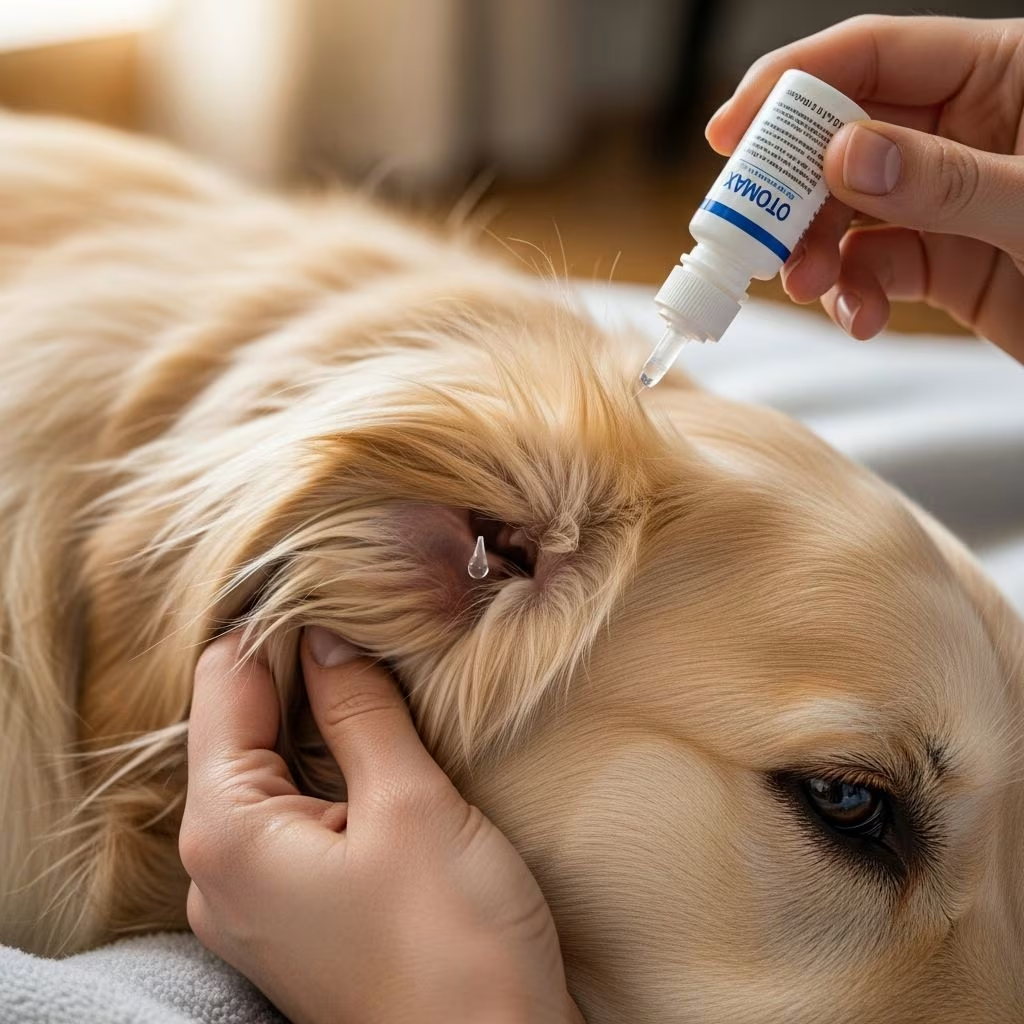
Ear infections represent one of the most common health concerns veterinarians encounter in canine patients. Dogs with floppy ears, those prone to swimming, or animals with underlying allergies face particular susceptibility to developing painful outer ear infections. When conventional treatments prove insufficient or infections become recurrent, veterinarians frequently turn to prescription-strength solutions. Otomax stands as a leading pharmaceutical option for managing moderate to severe canine ear infections, offering a sophisticated combination of active ingredients designed to address multiple underlying causes simultaneously.
The Science Behind Otomax: Active Ingredients and Their Functions
Otomax represents a carefully formulated suspension containing three distinct active pharmaceutical components, each selected for its specific therapeutic contribution to treating canine otitis externa. Understanding how these ingredients work together provides valuable insight into why veterinarians recommend this medication for complex ear conditions.
The formulation delivers gentamicin sulfate at a concentration that provides robust antibacterial coverage against gram-negative and gram-positive organisms commonly implicated in canine ear infections. This antibiotic component proves particularly effective against bacterial species including Staphylococcus intermedius, Staphylococcus aureus, and Pseudomonas aeruginosa—pathogens frequently isolated from infected canine ears.
Betamethasone valerate functions as a potent corticosteroid, working to suppress the inflammatory response within the ear canal. This anti-inflammatory action reduces the redness, swelling, and associated discomfort that accompanies bacterial and fungal ear infections, often providing rapid symptomatic relief to affected animals.
Clotrimazole serves as the antifungal component of this triple-action formula. This ingredient proves essential for combating yeast infections, particularly those caused by Malassezia pachydermatis, a fungal organism extremely common in canine ears. Many dogs experience mixed infections involving both bacterial and fungal pathogens simultaneously, making this combination approach particularly valuable.
Identifying When Otomax Becomes the Appropriate Treatment Choice
Veterinarians consider Otomax for specific clinical presentations rather than as a universal first-line treatment for all ear problems. The medication addresses acute external otitis in dogs, as well as acute exacerbations of chronic ear conditions when bacterial or fungal causes have been identified.
Characteristics that suggest Otomax may be appropriate include:
- Confirmed or suspected yeast infections within the ear canal
- Bacterial infections caused by gentamicin-susceptible organisms
- Mixed bacterial and fungal infections requiring simultaneous treatment
- Moderate to severe inflammation requiring corticosteroid intervention
- Acute flare-ups in dogs with chronically problematic ears
- Infections unresponsive to other topical treatments
Conversely, Otomax does not provide antiparasitic activity and therefore proves unsuitable as a sole treatment for ear mite infestations, though liberal application may help smother parasites incidentally. Dogs with perforated tympanic membranes, sensitive skin conditions, or documented drug sensitivities may require alternative approaches.
Composition and Physical Characteristics of the Suspension
Otomax arrives as a white to off-white viscous suspension designed specifically for otic application. The suspension format facilitates thorough distribution throughout the ear canal while maintaining contact with infected tissues. Each milliliter of suspension contains precisely calibrated amounts of active ingredients: 2,640 IU of gentamicin base (delivered as the sulfate salt), 0.88 mg of betamethasone (provided as the valerate ester), and 8.8 mg of clotrimazole.
These concentration levels have been established through clinical research to optimize therapeutic efficacy while maintaining safety margins. The viscous consistency prevents the medication from immediately draining from the ear canal, extending the contact time between therapeutic ingredients and infected tissues.
Dosage Guidelines and Administration Protocol
Proper dosing represents a critical element of successful Otomax therapy, with veterinarians basing specific recommendations on patient weight and formulation size. Standard protocol calls for twice-daily administration for seven consecutive days, representing the typical treatment duration established through clinical trials.
The following dosage guidelines apply to the most commonly prescribed formulations:
| Patient Weight | Standard Formulations (7.5g, 15g tubes/bottles) | Large Volume Bottles (215g) |
|---|---|---|
| Dogs under 30 lbs (under 15 kg) | 4 drops twice daily | 2 drops twice daily |
| Dogs 30 lbs and above (15 kg and above) | 8 drops twice daily | 4 drops twice daily |
Before administering Otomax, proper ear canal preparation proves essential for optimal drug delivery. The outer ear should be gently cleaned and thoroughly dried to remove excessive hair, debris, cerumen, and any crusty material that might impede medication penetration. This preliminary cleaning step significantly enhances the therapeutic effectiveness of the subsequent Otomax application.
Proper Administration Technique for Maximum Effectiveness
Administering ear medications correctly ensures that therapeutic ingredients reach the affected tissues rather than being immediately expelled. Pet owners should shake the Otomax suspension vigorously before each application, as the active ingredients can settle during storage.
The recommended application technique involves:
- Holding the bottle at a 45-degree angle to the ear opening
- Gently expressing the prescribed number of drops into the ear canal
- Allowing drops to flow naturally into the canal rather than forcing them deeply
- Permitting the dog to shake its head naturally to distribute medication throughout the canal
- Gently massaging the base of the ear for several seconds to help distribute the suspension
- Allowing excess medication to drain naturally
- Providing treatment twice daily at roughly 12-hour intervals
Consistency in administration timing helps maintain therapeutic drug levels throughout the treatment period. Some veterinarians recommend administering the medication at the same times each day (for example, morning and evening) to establish a routine that pet owners find easier to maintain.
Expected Treatment Timeline and Response Patterns
Dogs receiving Otomax often demonstrate noticeable improvement within several days of starting treatment. Pet owners frequently report that their dogs’ ears appear less red and inflamed after just a few applications, with itching and discomfort diminishing as the medication takes effect. However, completing the full seven-day course remains essential even when clinical improvement becomes apparent earlier.
The complete therapeutic effect requires consistent administration throughout the entire treatment period. Discontinuing medication prematurely risks incomplete resolution of the infection, potentially leading to recurrence or the development of antibiotic-resistant pathogens. Most veterinarians emphasize that dogs should complete every scheduled dose regardless of symptomatic improvement.
Effectiveness Against Common Canine Ear Pathogens
Clinical evidence and veterinary experience demonstrate that Otomax effectively addresses the bacterial species most commonly encountered in canine ear infections. The gentamicin component provides broad-spectrum coverage against multiple gram-negative organisms, including Pseudomonas aeruginosa, a particularly problematic pathogen that can resist conventional topical treatments.
The antifungal activity targeting Malassezia pachydermatis proves especially valuable, as yeast overgrowth frequently accompanies or follows bacterial infections in susceptible dogs. The combination of clotrimazole with the anti-inflammatory betamethasone helps control the yeast proliferation while simultaneously addressing the tissue inflammation that promotes continued yeast growth.
For dogs experiencing recurrent ear infections, the triple-action approach of Otomax addresses multiple contributing factors simultaneously, potentially providing more durable resolution than single-mechanism treatments.
Prescription Status and Regulatory Approval
Otomax remains exclusively available through veterinary prescription, reflecting its classification as a potent pharmaceutical requiring professional oversight. The FDA has approved Otomax specifically for use in dogs, though some veterinarians prescribe it off-label for cats when deemed medically appropriate. This prescription-only status ensures that veterinarians can properly diagnose the underlying cause of ear disease before recommending treatment.
Safety Considerations and Potential Adverse Effects
While Otomax demonstrates a favorable safety profile in most dogs, veterinarians counsel pet owners to watch for potential adverse reactions. Although systemic absorption of topically applied medications should remain minimal, pet owners should monitor for signs of hypersensitivity or unusual reactions to any of the three active ingredients.
Dogs with known sensitivities to aminoglycoside antibiotics should not receive Otomax. Additionally, the medication should not be applied to ears with ruptured or perforated tympanic membranes, as the solution could reach the middle ear and cause serious complications. Veterinarians typically perform otoscopic examination before recommending Otomax specifically to rule out tympanic membrane perforation.
Frequently Asked Questions About Otomax Treatment
Can Otomax treat ear mite infections in dogs?
Otomax does not contain antiparasitic ingredients specifically formulated to kill ear mites. However, the thick, viscous suspension can smother mites through generous application. Veterinarians typically recommend dedicated antiparasitic medications like Tresaderm or products containing fipronil for confirmed mite infestations, though Otomax may provide supplementary benefit.
What should I do if I miss a dose?
If a scheduled dose is missed, pet owners should administer the medication as soon as they remember, then resume the normal schedule. Doubling up on doses to compensate for a missed application should be avoided, as this could result in excessive medication exposure.
Can I use Otomax for chronic ear problems as a long-term maintenance therapy?
Otomax is designed for acute treatment over a seven-day period rather than for extended or indefinite use. Dogs with chronic ear disease require ongoing management through routine cleaning, environmental modifications, and addressing underlying allergies rather than relying on Otomax indefinitely.
What is the typical cost of Otomax treatment?
Pricing varies by geographic location, veterinary clinic, and whether the medication is purchased through the veterinarian or a licensed online pharmacy. Pet owners should discuss cost considerations with their veterinarian and explore legitimate prescription discount options if concerned about medication expenses.
How long does one bottle or tube of Otomax last?
The duration depends on the dog’s weight and the formulation size. A single 7.5g or 15g tube typically provides sufficient medication for one complete seven-day treatment course in most dogs, with larger dogs potentially requiring two tubes.
Complementary Strategies for Managing Canine Ear Infections
While Otomax addresses the infection itself, comprehensive ear disease management often requires additional measures. Regular ear cleaning with veterinary-approved solutions helps prevent debris accumulation and reduces the ear canal environment’s suitability for infection-causing organisms. Dogs prone to ear problems may benefit from weekly preventive cleaning regimens.
Addressing underlying allergies proves essential for dogs with recurrent infections, as allergic inflammation predisposes ears to secondary microbial overgrowth. Environmental management, including reducing exposure to moisture and using drying solutions after swimming or bathing, helps prevent conditions that encourage infection development.
Dietary considerations may also play a role, as some dogs’ ear health improves with modifications to omega-3 and omega-6 fatty acid ratios, supporting overall skin and ear canal health.
When to Contact Your Veterinarian During Otomax Treatment
Pet owners should seek veterinary guidance immediately if their dog develops signs suggesting treatment complications or inadequate response. These signs include increased redness or swelling despite several days of treatment, signs of pain or discomfort, discharge with unusual color or odor, or apparent spread of infection to other body areas. Additionally, if a dog demonstrates signs of hypersensitivity reactions such as facial swelling, hives, or difficulty breathing, immediate veterinary care becomes necessary.
References
- Otomax Ear Drops Suspension — MSD Animal Health HUB. Accessed February 2026. https://www.msd-animal-health-hub.co.uk/Products/Otomax
- Otomax for Dogs Ears: Ointment for Ear Infections — VetRxDirect. https://www.vetrxdirect.com/product/view/otomax-ear-drops-for-dogs-rx
- Otomax Otic Ointment for Dogs, Antibiotic — PetCareRx. https://www.petcarerx.com/otomax-ointment/11247
- OTOMAX Otic Ointment — Merck Animal Health USA. https://www.merck-animal-health-usa.com/products/otomax-ointment/
- Otomax vet. Summary of Product Characteristics — VETiSearch. https://vetisearch.co.uk/spcs/42201-otomax-vet



