

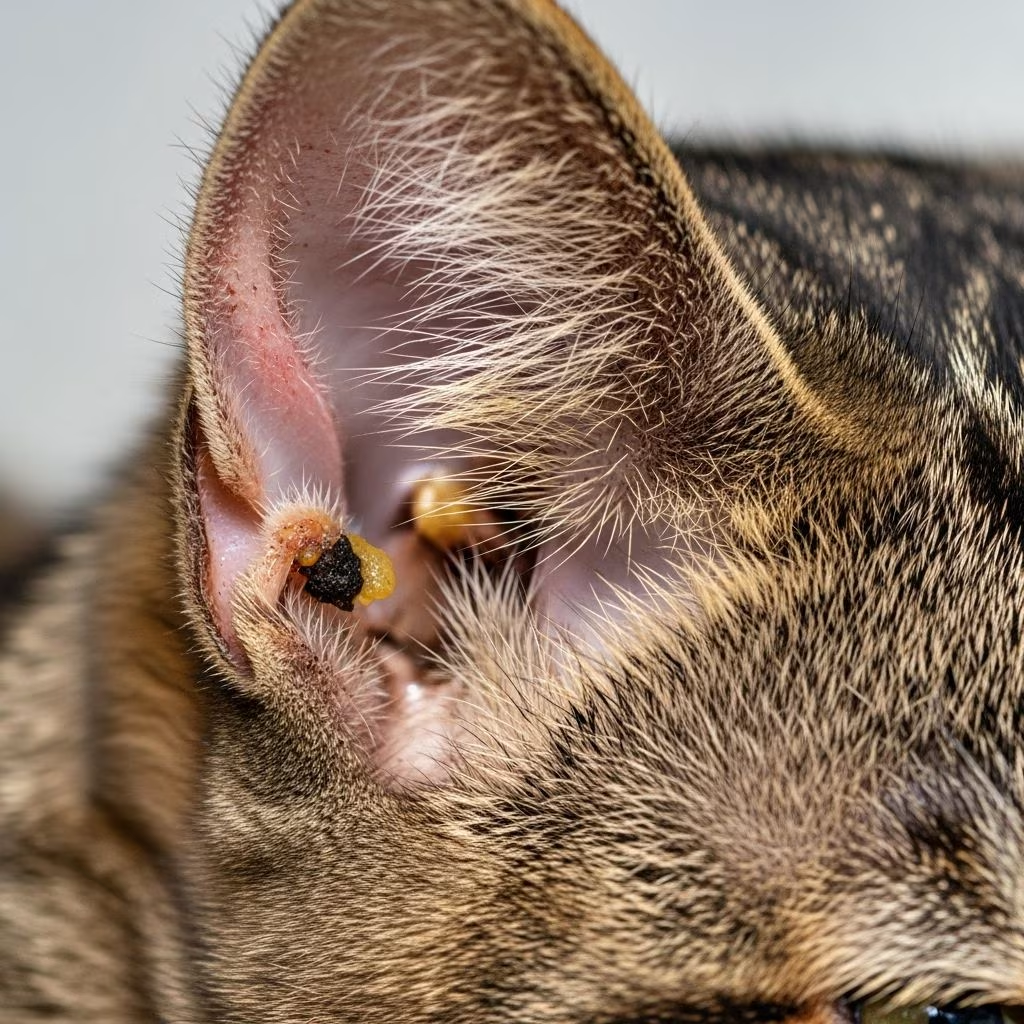
Otitis externa refers to inflammation or infection of the external ear canal in cats, a condition that can cause significant discomfort if left untreated. This issue often stems from various triggers and requires prompt veterinary attention to prevent progression to more severe ear problems.
Recognizing the Signs of Ear Canal Inflammation
Cats suffering from otitis externa typically display noticeable behavioral changes and physical symptoms. Common indicators include vigorous head shaking, frequent scratching or rubbing of the affected ear against furniture or carpets, and sensitivity when the area is touched. Owners may observe a dark, waxy discharge, an unpleasant odor emanating from the ear, or even crusting around the ear opening.
In advanced cases, felines might tilt their heads persistently toward the affected side, experience balance difficulties, or show signs of pain such as reduced appetite or irritability. These symptoms can vary in intensity depending on the underlying cause and severity, but early detection is crucial for effective management.
Primary Triggers Behind Feline Ear Issues
The development of otitis externa in cats is rarely a standalone event; it often results from primary factors that create an environment conducive to infection. Ear mites, particularly Otodectes cynotis, are a leading cause, especially in young or unvaccinated cats, leading to intense irritation and secondary bacterial overgrowth.
Allergies play a significant role too, with food sensitivities or environmental allergens causing chronic inflammation that predisposes the ear canal to infections. Anatomical abnormalities, such as narrow ear canals or excessive hair growth, can trap moisture and debris, fostering microbial proliferation.
Secondary Factors That Worsen the Condition
Once inflammation begins, secondary issues like bacterial or yeast overgrowth exacerbate the problem. Common culprits include gram-negative bacteria and Malassezia yeast, which thrive in the warm, moist ear environment created by initial irritation. Poor ear hygiene, foreign objects like grass seeds, or even tumors and polyps can perpetuate the cycle, making resolution challenging without targeted intervention.
Diagnostic Approaches for Accurate Identification
Veterinarians start diagnosis with a thorough physical examination, including otoscopy to visualize the ear canal. This tool reveals swelling, discharge type, and any blockages. Cytology, where ear swab samples are examined under a microscope, identifies infecting organisms—rod-shaped bacteria, yeast, or mites—guiding treatment choices.
For persistent cases, culture and sensitivity testing pinpoint antibiotic-responsive pathogens. Imaging like CT scans may be recommended if middle ear involvement or structural issues are suspected, ensuring a comprehensive assessment.
Treatment Strategies: A Step-by-Step Plan
Successful management of otitis externa demands a multifaceted approach addressing the root cause, infection, and inflammation simultaneously. Initial steps often involve professional ear cleaning under sedation to remove debris safely, followed by targeted medications.
Medications for Infection and Inflammation Control
- Topical therapies: Combinations of antibiotics (e.g., fluoroquinolones), antifungals, and glucocorticoids are applied directly, reducing swelling and combating microbes effectively.
- Systemic options: Oral antibiotics like Veraflox or antifungals such as itraconazole for severe infections; anti-inflammatories like prednisolone or NSAIDs (e.g., Onsior) for pain relief.
- Parasite control: Isoxazolines (e.g., Revolution Plus, Bravecto) or milbemycin oxime eradicate mites with single-dose efficacy.
Treatment duration varies from 7-10 days for mild cases to months for chronic ones, with regular rechecks to monitor progress.
Ear Cleaning Protocols
Regular cleaning is pivotal, using vet-approved solutions like ceruminolytics containing squalene or carbamide peroxide to dissolve wax without ototoxicity risks if the eardrum is intact. Home maintenance, 1-2 times weekly, prevents debris buildup, but initial flushes under anesthesia may be needed for heavy exudates.
| Cleaning Agent Type | Key Ingredients | Use Case | Precautions |
|---|---|---|---|
| Ceruminolytic | Squalene, Dioctyl sodium sulfosuccinate | Wax-heavy buildup | Avoid if eardrum ruptured |
| Antiseptic | Propylene glycol, Chlorhexidine | Bacterial control | Flush with saline post-use |
| Moisturizing | Cocamidopropyl betaine | Dry, flaky skin | Gentle for maintenance |
Handling Underlying Allergies and Chronic Conditions
For allergy-driven cases, dietary trials eliminate novel proteins after infection clearance, with rechecks during challenges. Immunomodulators like ciclosporin or topical tacrolimus manage plasma cell pododermatitis overlaps. Proactive maintenance with pulse topical steroids (e.g., hydrocortisone aceponate 2-3 times weekly) prevents relapses.
Advanced Interventions for Refractory Cases
When standard treatments fail, surgery may remove polyps, tumors, or widen stenotic canals via techniques like total ear canal ablation. Cold laser therapy aids pain relief and healing in inflammatory stages. For otitis media extensions, video-otoscopy flushes under general anesthesia.
Preventive Measures to Safeguard Your Cat’s Ears
Prevention focuses on routine checks, especially for multi-cat households prone to mite spread. Monthly parasiticide applications control ectoparasites. Allergy management through hypoallergenic diets or immunotherapy (e.g., lokivetmab) reduces flare-ups. Keep ears dry post-bathing and trim excess hair in fluffy breeds.
- Inspect ears weekly for early signs.
- Use only vet-recommended cleaners.
- Address allergies promptly via testing.
- Vaccinate and deworm regularly.
Prognosis and Long-Term Management
With early intervention, most cats recover fully, but chronic cases may require lifelong maintenance. Relapse rates for immune-mediated issues like plasma cell conditions reach 27-95%, necessitating ongoing therapy. Owner compliance with cleaning and meds is key to success.
Frequently Asked Questions (FAQs)
Can otitis externa resolve without treatment?
No, untreated cases often worsen, leading to chronic pain or inner ear damage. Seek vet care promptly.
How do I know if my cat has ear mites?
Dark, coffee-ground-like discharge and intense scratching are hallmarks; cytology confirms.
Is home cleaning safe for infected ears?
Only with vet guidance—improper methods risk pushing infection deeper.
What if my cat’s ear infection keeps returning?
Investigate allergies or anatomical issues; allergy testing or imaging may be needed.
Are there home remedies for cat ear infections?
Avoid them; they can cause harm. Professional diagnosis ensures safe, effective care.
References
- Ear Infections in Cats: Symptoms, Causes & Treatment — UrgentVet. 2023. https://urgentvet.com/ear-infections-in-cats-otitis-externa/
- Chronic Otitis in Cats: Clinical management of primary, predisposing… — PMC (PubMed Central). 2023-12-01. https://pmc.ncbi.nlm.nih.gov/articles/PMC10741284/
- Cat Ear Infection: Symptoms, Causes, and Treatment — PetMD. 2024. https://www.petmd.com/cat/conditions/ears/cat-ear-infections
- Otitis externa – treating and managing a painful condition — Vet Times. 2023. https://www.vettimes.com/news/vets/small-animal-vets/otitis-externa-treating-and-managing-a-painful-condition
- Otitis Externa in Animals — MSD Veterinary Manual. 2025. https://www.msdvetmanual.com/ear-disorders/otitis-externa/otitis-externa-in-animals



