
Poultry Mycotoxins: Key Risks, Detection, And Management
Exploring lesser-known fungal toxins threatening poultry flocks: health risks, detection, and proven management strategies.
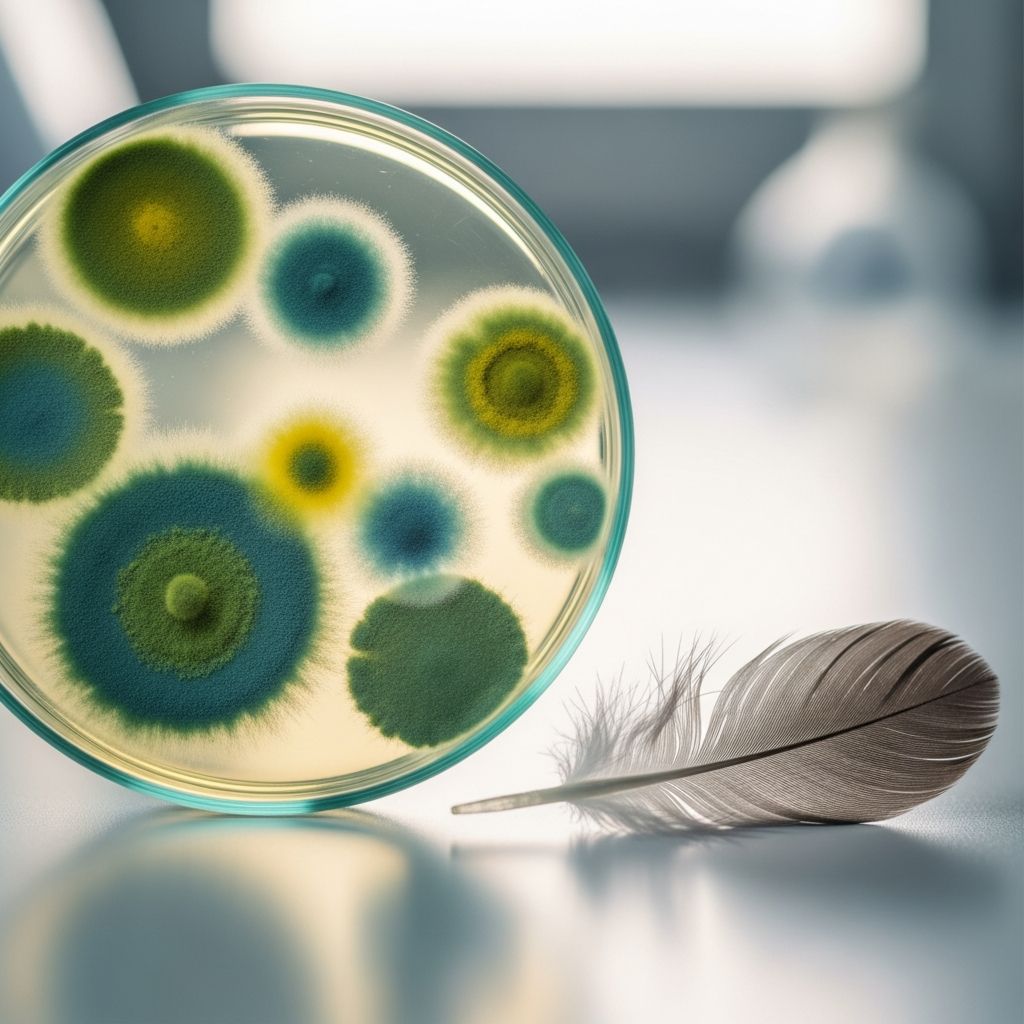
Mycotoxins represent a diverse group of toxic compounds produced by molds that contaminate poultry feed, leading to widespread health and production challenges in flocks. While major toxins like aflatoxins and ochratoxins receive much attention, several other mycotoxins pose significant but often underrecognized threats. These compounds impair growth, weaken immunity, and increase disease susceptibility, resulting in economic losses through reduced feed efficiency and higher mortality rates.
Understanding the Diversity of Poultry Mycotoxins
Poultry are particularly vulnerable to mycotoxins due to their high feed intake relative to body size and sensitive physiological systems. Molds such as Aspergillus, Penicillium, and Fusarium thrive in warm, humid conditions common in feed storage, producing toxins that resist heat treatment and degrade slowly. Beyond well-known aflatoxins, toxins like T-2, deoxynivalenol (DON), fumonisins, and zearalenone disrupt multiple organ systems, often acting synergistically to amplify damage.
Common clinical signs across these mycotoxins include diminished appetite, stunted growth, poor feather quality, and elevated disease incidence. For instance, contaminated feed can trigger immunosuppression, making birds prone to infections like coccidiosis, salmonellosis, and necrotic enteritis. Early detection relies on monitoring external indicators such as leg discoloration, diarrhea, and uneven weight gain.
Key Miscellaneous Mycotoxins and Their Impacts
Several mycotoxins stand out for their prevalence and potency in poultry settings. The following sections break down their origins, mechanisms, and effects.
T-2 Toxin and Trichothecenes
Produced primarily by Fusarium species, T-2 toxin belongs to type A trichothecenes, known for inhibiting protein synthesis and causing rapid cellular damage. In poultry, exposure manifests as weight loss, oral lesions, gizzard erosion, and skin issues like leg depigmentation and cyanosis. Birds show coordination difficulties, feather loss, and necrotic dermatitis, severely impacting feed intake and growth.
Immunosuppression is profound, shrinking lymphoid organs and reducing vaccine responses, which heightens vulnerability to pathogens. High doses lead to hemorrhages and mortality, while chronic low-level exposure erodes performance over time.
Deoxynivalenol (DON or Vomitoxin)
This type B trichothecene from Fusarium fungi targets the gastrointestinal tract, damaging epithelial cells in the small intestine and causing feed refusal. Poultry exhibit growth retardation, vomiting, and predisposition to necrotic enteritis due to disrupted nutrient absorption and overgrowth of Clostridium perfringens.
DON often co-occurs with fumonisins, exacerbating gut barrier breakdown and contributing to bacterial chondronecrosis with osteomyelitis (BCO), a lameness syndrome involving femoral head necrosis. FDA action levels stand at 10 ppm for poultry feed, reflecting its emetic and immunosuppressive properties.
Fumonisins
Fumonisins, also from Fusarium, compromise intestinal integrity and immune function, leading to liver, kidney, and lung issues. They reduce performance by impairing nutrient uptake and synergize with DON to promote BCO and tibial dyschondroplasia. Affected birds suffer achondroplasia, hepatotoxicity, and nephrotoxicity, with visible signs like poor growth and organ atrophy.
Zearalenone
Exhibiting estrogenic activity, zearalenone from Fusarium disrupts reproduction, causing reduced fertility, egg production drops, and testicular atrophy in males. It induces immunotoxicity and persists in feed, posing ongoing risks to flock productivity and residue transfer to eggs and meat.
Health and Production Consequences
Mycotoxin exposure yields broad repercussions. Growth performance declines due to lowered feed conversion efficiency and intake. Immune organs like the thymus, spleen, and bursa of Fabricius shrink, impairing resistance to viral diseases such as infectious bursal disease and bacterial infections.
| Mycotoxin | Primary Effects | Target Organs | Susceptibility Order |
|---|---|---|---|
| Aflatoxins | Liver toxicity, immunosuppression, carcinogenicity | Liver, immune system | Ducks > Turkeys > Chickens |
| Ochratoxins | Kidney damage, growth reduction, egg quality loss | Kidneys, gut | Geese > Chickens |
| T-2/ DON | Gut erosion, lameness, feed refusal | Intestine, skin, bones | Broilers > Layers |
| Fumonisins/ ZEA | Reproductive issues, organ atrophy | Liver, gonads, lungs | Breeding stock |
This table summarizes major effects based on species sensitivity and organ targets. Economic impacts include carcass condemnations from lesions and fatty liver syndrome links.
Detection and Diagnostic Approaches
Diagnosing mycotoxicosis is challenging due to subclinical presentations mimicking other diseases. External clues like pale combs, leg problems, and poor feathering prompt feed analysis via ELISA or HPLC for toxin levels. Necropsy reveals organ pallor, hemorrhages, and gut erosions, confirmed by toxicology screens. Routine monitoring during humid seasons prevents outbreaks.
- Observe flock uniformity and growth curves weekly.
- Test suspect feed batches exceeding FDA thresholds (e.g., 0.02-0.10 ppm aflatoxins).
- Track mortality spikes and disease patterns.
Prevention and Management Tactics
Control starts with prevention: store feed below 13% moisture, use insect-proof silos, and avoid damaged grains. Binders like aluminosilicates adsorb toxins in the gut, while enzymes degrade them.
- Implement regular mycotoxin screening programs.
- Blend contaminated feed with clean lots to dilute below action levels.
- Enhance ventilation and rapid turnover in storage.
- Vaccinate proactively against secondary infections.
Post-exposure, remove tainted feed within 7-15 days for recovery, supplementing with vitamins to counter oxidative stress. Integrated strategies combining hygiene, testing, and additives minimize risks effectively.
FAQs on Poultry Mycotoxins
What are the first signs of mycotoxin poisoning in chickens?
Initial indicators include reduced feed intake, watery diarrhea, and leg weakness.
Can mycotoxins be destroyed by cooking or pelleting feed?
No, most resist heat up to 150°C, requiring preventive measures.
How do mycotoxins affect egg production?
They lower shell quality, quantity, and fertility via hormonal disruption.
Are there safe levels of these toxins in poultry diets?
FDA sets limits like 10 ppm DON and 0.1 ppm aflatoxins for mature birds.
What breeds are most at risk?
Ducks, turkeys, and young broilers show highest susceptibility.
Future Outlook and Research Directions
Ongoing studies emphasize multi-toxin interactions and climate-driven mold proliferation. Advances in biomarkers and real-time sensors promise better early warning systems. Producers must prioritize feed quality amid rising global demands for poultry protein.
References
- Mycotoxicosis in poultry: Clinical signs — BIŌNTE. 2024. https://www.bionte.com/en/mycotoxicosis-in-poultry-clinical-signs/
- Mycotoxins in Broiler Production: Impacts on Growth, Immunity — PMC (NCBI). 2024-10-15. https://pmc.ncbi.nlm.nih.gov/articles/PMC12197697/
- Mycotoxicosis | Mycotoxin & Aflatoxin Poultry — KnowMycotoxins. 2023. https://www2.knowmycotoxins.com/species/poultry
- A Practical Guide to Mycotoxins in Poultry — Ralco Agriculture. 2023-08-20. https://www.ralcoagriculture.com/post/a-practical-guide-to-mycotoxins-in-poultry-and-how-to-manage-them
- Mycotoxicosis | The Poultry Site — The Poultry Site. 2024. https://www.thepoultrysite.com/disease-guide/mycotoxicosis
- Mycotoxin Overview | Poultry Tips — University of Georgia Extension. 2018-08-01. https://site.extension.uga.edu/poultrytips/2018/08/mycotoxin-overview/
Similar Articles








Read full bio of Sneha Tete


