
Dangerous Mushrooms: Hidden Threats To Pets And Livestock
Discover lesser-known toxic mushrooms that pose serious risks to animals, including identification tips and clinical effects to aid prevention.
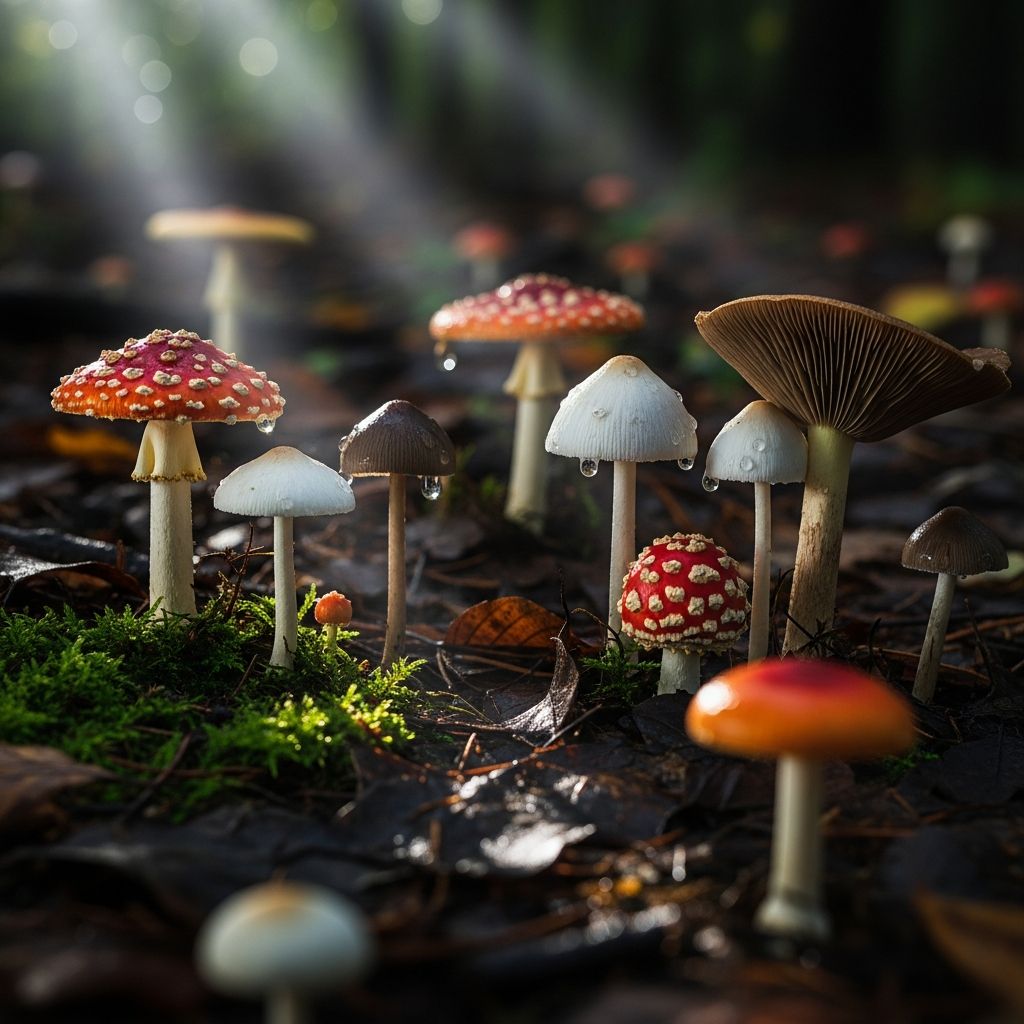
Toxic mushrooms extend far beyond the well-known deadly species, encompassing a range of fungi that can cause severe illness or death in animals. These lesser-discussed varieties often mimic harmless or edible types, leading to accidental ingestion by pets, livestock, and wildlife. Understanding their characteristics, habitats, and effects is crucial for veterinarians, farmers, and pet owners to mitigate risks.
Key Groups of Lesser-Known Toxic Fungi
While species like Amanita phalloides dominate poisoning statistics, other fungi present unique challenges. These include small woodland dwellers, lawn invaders, and pasture growers that animals encounter daily. Identification relies on subtle traits such as spore color, gill attachment, and staining reactions.
- Galerina species: Tiny brown mushrooms on decaying wood, often overlooked but containing potent amatoxins similar to those in death caps.
- Chlorophyllum molybdites: Large, green-spored fungi in grassy areas, frequent culprits in gastrointestinal outbreaks.
- Lepiota varieties: Small, fragile mushrooms with white spores that pack amatoxins despite their dainty appearance.
- Cortinarius orellanus group: Earthy-toned fungi with orellanine toxins targeting kidneys.
Identification Challenges and Look-Alikes
Distinguishing toxic from safe mushrooms demands attention to multiple features. For instance, many poisonous types have white spores, free gills, and rings on stems, but exceptions abound. Animals like dogs and horses may consume them without hesitation, mistaking them for familiar edibles.
| Mushroom Type | Key ID Features | Common Look-Alike | Toxin Type |
|---|---|---|---|
| Galerina marginata | Brown cap, rusty-brown spores, grows on wood | Armillaria (honey mushroom) | Amatoxins |
| Chlorophyllum molybdites | Green spores, large ring, lawn fairy rings | Macrolepiota procera (parasol) | Gastrointestinal toxins |
| Lepiota brunneoincarnata | Small brown cap, white gills, meaty odor | Edible lepiotas | Amatoxins |
| Cortinarius orellanus | Ocher cap, lilac gills, apricot smell | Edible Cortinarius | Orellanine |
Always check spore prints: green or rusty hues signal danger in these groups. Bruising reactions—yellowing or reddening—further aid differentiation.
Toxins and Their Mechanisms
These mushrooms harbor diverse toxins acting at different speeds. Amatoxins inhibit RNA polymerase, halting protein synthesis and devastating liver cells within hours. Orellanine damages renal tubules, causing delayed failure. Gastrointestinal irritants provoke immediate vomiting via mucosal inflammation.
- Amatoxins: Found in Galerina and Lepiota; 6-24 hour delay before liver symptoms.
- Orellanine: Cortinarius-specific; symptoms emerge 2-20 days post-ingestion.
- Muscimol/Ibotenic acid: In some Inocybe; neurological effects like ataxia.
Clinical Signs in Animals
Symptoms vary by toxin and species affected. Dogs often show polydipsia post-amatoxin exposure, while cattle exhibit colic from Chlorophyllum. Early intervention hinges on recognizing patterns.
Gastrointestinal Phase
Initial signs include profuse vomiting, watery diarrhea, and abdominal pain, peaking 6-12 hours after ingestion. Dehydration sets in rapidly, especially in small animals.
Organ Failure Progression
Amatoxin cases advance to jaundice, coagulopathy, and hypoglycemia by day 3. Kidney-focused toxins like orellanine present with oliguria and azotemia.
Neurological Effects
Less common but severe: tremors, seizures, or coma in muscarine-poisoned cases.
Diagnosis and Veterinary Response
Diagnosis combines history, clinical pathology, and mycology. Elevated liver enzymes (ALT, AST) and bilirubin confirm hepatotoxicity. For orellanine, monitor BUN/creatinine serially. Mushroom identification via photos or specimens accelerates targeted therapy.
- Supportive care: IV fluids, antiemetics, activated charcoal.
- Specific antidotes: Silymarin or penicillin G for amatoxins; hemodialysis for renal failure.
- Prognosis: Guarded; survival rates improve with early decontamination.
Prevention Strategies for Animals
Foraging animals face highest risks in autumn woods and spring lawns. Fence off mushroom hotspots, train dogs to avoid fungi, and educate farmhands on hazards.
In urban settings, remove lawn mushrooms promptly. For livestock, rotate pastures and scout for clusters. Apps and field guides aid quick ID, but expert verification is ideal.
Case Studies from Field Reports
Real-world incidents underscore dangers. A cluster of dog poisonings from Galerina on mulch piles highlighted wood-chip risks. Cattle losses traced to Chlorophyllum in overgrazed fields showed pasture vulnerabilities. These emphasize vigilance.
Global Distribution and Seasonal Patterns
These fungi thrive worldwide: Galerina in temperate forests, Chlorophyllum in tropics/subtropics, Lepiota in grasslands. Peak risks align with rainy seasons promoting fruiting.
FAQs on Miscellaneous Toxic Mushrooms
Can all small brown mushrooms kill animals?
No, but many like Galerina can. Always identify precisely; size alone isn’t reliable.
How soon do symptoms appear after eating Chlorophyllum?
Typically 30 minutes to 3 hours, mainly GI distress without organ failure.
Is there a home test for amatoxins?
No reliable one; lab analysis or vet toxicology is required.
What if my pet ate an unknown mushroom?
Induce vomiting if recent (<2 hours), seek vet care immediately with sample/photo.
Are these mushrooms toxic to humans too?
Yes, effects mirror animal cases; children and pets are most vulnerable.
Advanced Topics: Mycotoxin Research
Ongoing studies explore toxin analogs and resistance. Genetic sequencing distinguishes lethal strains. Veterinary manuals stress multidisciplinary approaches combining botany and toxicology.
References
- Overview of Mushrooms Toxic to Animals — Merck Veterinary Manual. 2023. https://www.merckvetmanual.com/toxicology/poisonous-mushrooms/overview-of-mushrooms-toxic-to-animals
- A Guide to Missouri’s Edible and Poisonous Mushrooms — Missouri Department of Conservation. 2021-03. https://mdc.mo.gov/sites/default/files/2021-03/MushroomGuide.pdf
- Don’t Eat Those Wild Mushrooms — University of Kentucky Plant Pathology. N/A. https://plantpathology.mgcafe.uky.edu/files/ppfs-gen-14.pdf
- Poisonous Fungi — Fungimap (Australian Government-related). 2023. https://fungimap.org.au/about-fungi/edible-poisonous-fungi/
- The Most Toxic Mushrooms in the World — Lamysphere (citing peer-reviewed sources). 2023. https://lamycosphere.com/en-int/blogs/the-future-is-fungi/the-most-toxic-mushrooms-in-the-world-how-to-identify-them-and-avoid-poisoning
Similar Articles








Read full bio of Sneha Tete


