

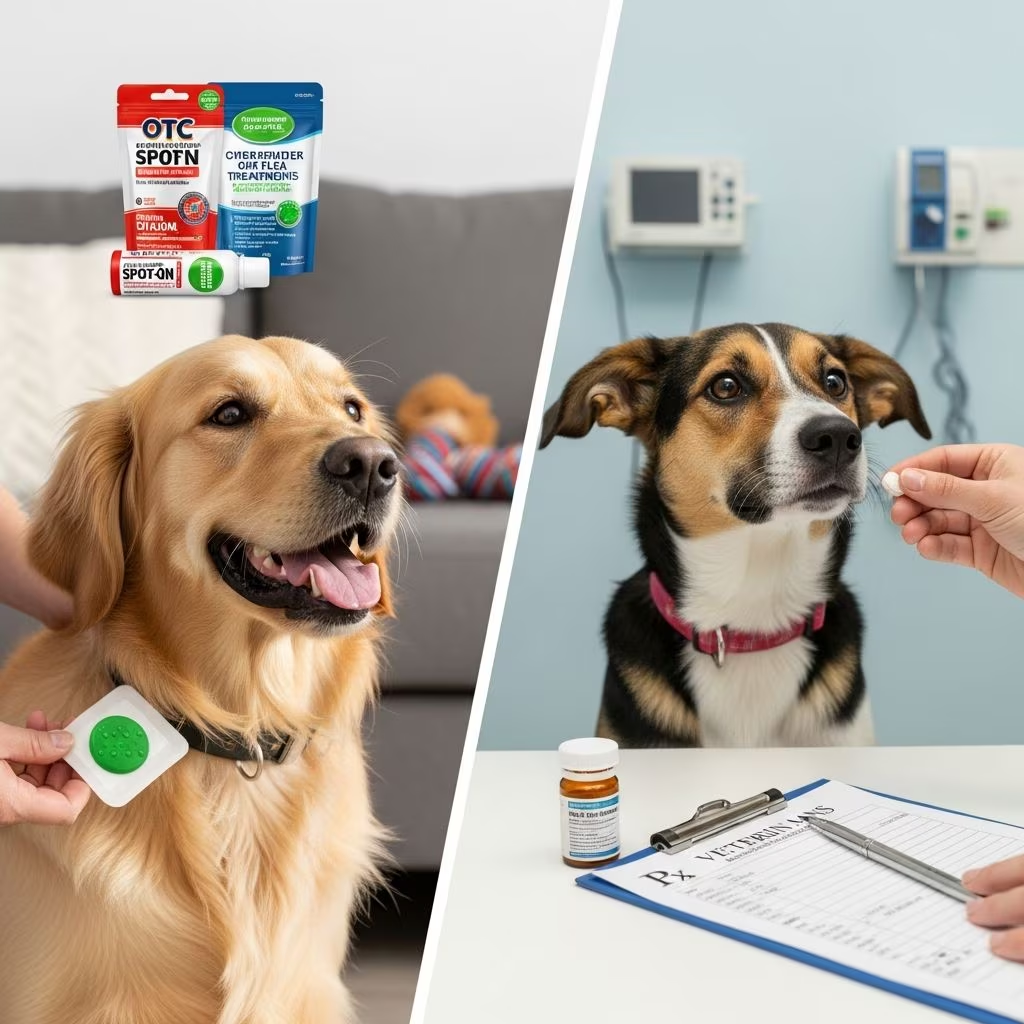
Flea infestations remain one of the most common health concerns facing dog owners today. When deciding how to protect your canine companion, you’ll encounter two primary pathways: products available without a prescription at retail locations and medications that require veterinary oversight. Understanding the distinctions between these options is essential for making an informed decision that prioritizes both your dog’s health and your peace of mind.
Understanding Regulatory Frameworks
The classification of a flea treatment as over-the-counter or prescription-only depends largely on how government agencies categorize the product. This regulatory distinction fundamentally shapes availability, safety requirements, and efficacy profiles.
Environmental Protection Agency (EPA) Oversight: Products regulated by the EPA are classified as pesticides rather than pharmaceutical drugs. These formulations do not require a veterinary prescription because they work through topical application without systemic absorption into your dog’s bloodstream. This classification allows retailers to stock and sell them directly to consumers.
Food and Drug Administration (FDA) Oversight: When the FDA regulates a flea treatment, it is classified as an animal drug. These medications undergo more rigorous clinical trials and safety assessments before approval, and they typically require a veterinary prescription to ensure appropriate use based on your dog’s individual health status.
The Over-the-Counter Category Explained
OTC flea treatments offer convenient, immediate access without needing to schedule a veterinary appointment. Common formats include sprays, shampoos, dips, collars, and spot-on solutions that you apply directly to your dog’s skin.
How OTC Products Work: Because OTC preventatives are not absorbed into the bloodstream in the same manner as prescription alternatives, they can be sold without regulatory requirement for veterinary consultation. Examples include Frontline and Seresto collar products.
Accessibility and Convenience: These products are available at supermarkets, pet retailers, online pharmacies, and corner shops. No health assessment or prescription is required, making them an attractive option for dog owners seeking immediate solutions. However, this accessibility comes with important trade-offs.
Prescription-Based Flea Management
Prescription medications represent a more targeted approach to parasite control. Before prescribing a flea treatment, your veterinarian must conduct a physical examination, review your dog’s health history, and assess any existing medical conditions that might influence medication choice.
Prescription Examples: Commonly recommended prescription options include Bravecto, Nexgard, Simparica, and Credelio—all available through veterinary clinics or registered online pharmacies.
Clinical Validation: Prescription medications undergo rigorous safety and clinical trials. Veterinarians typically recommend prescription formulations because these studies demonstrate their effectiveness and establish their safety profiles across diverse dog populations.
Comparing Effectiveness and Protection Scope
| Feature | Over-the-Counter Treatments | Prescription Treatments |
|---|---|---|
| Adult Flea Elimination | Yes, typically limited duration | Yes, with sustained protection |
| Tick Coverage | Limited or partial | Comprehensive |
| Heartworm Prevention | Rarely included | Often included |
| Internal Parasite Control | Minimal | Broad-spectrum options available |
| Duration of Effectiveness | Usually 4 weeks | 4-12 weeks per dose |
| Larval Stage Control | Limited effectiveness | Prevents larvae development |
Potency and Staying Power: OTC products are generally less potent than their prescription counterparts. Many over-the-counter options only target adult parasites, allowing flea larvae to develop and restart the infestation cycle. Additionally, their effectiveness diminishes more rapidly, sometimes losing potency before the recommended reapplication date.
Breadth of Protection: While OTC treatments typically address only fleas and ticks, prescription medications often provide broader protection. For example, Advantage Multi kills fleas, heartworms, roundworms, hookworms, and whipworms, offering comprehensive parasite management in a single application. Some prescription formulations eliminate multiple parasites with a single monthly dose, reducing the burden of managing separate preventative regimens.
Longevity: Prescription chewables like Bravecto provide protection for up to 12 weeks per dose, compared to most OTC topicals requiring monthly application. This extended protection means fewer applications annually and improved compliance.
Safety Considerations and Risk Assessment
Both OTC and prescription flea treatments carry potential risks, but they differ in nature and likelihood. The regulatory oversight difference creates distinct safety profiles.
Dosage Control: Prescription medications employ tightly controlled dosing formulations based on weight categories and age. The ingredients in prescription medications are carefully regulated with strict manufacturing standards. Conversely, OTC products may present higher risk for overdosing or underdosing due to less stringent manufacturing controls.
Health Status Evaluation: Your veterinarian assesses whether your dog’s current health—including liver function, kidney health, and any neurological conditions—makes certain medications appropriate. Some prescription treatments like Credelio Quattro should not be prescribed to dogs with seizure histories. OTC purchases bypass this crucial evaluation entirely.
Drug Interactions: OTC preventatives may carry higher risks of adverse reactions or drug interactions because they’re sold without knowledge of other medications your dog receives. Prescription medications are selected with your dog’s complete medical profile in mind.
Application Safety: Some topical treatments require careful handling. For instance, Advantage Multi should not be licked by your dog for at least 30 minutes after application. OTC Frontline Plus, while available without prescription, is less dangerous if accidentally ingested in small quantities, though ingestion should still be avoided.
Key Factors Influencing Treatment Selection
Active Ingredients: Different compounds work through different mechanisms. Lufenuron prevents flea larvae from developing into adults but does not kill existing adult fleas. Spinosad kills only adult fleas, not ticks. Imidacloprid disrupts the nervous system of adult and larval fleas and is EPA-approved for dogs. Understanding these distinctions helps determine which product best matches your needs.
Application Method: Oral medications (chewables and tablets) simplify administration and eliminate concerns about children or other pets contacting the treatment site. Topical solutions require more careful application but offer flexibility in dosing adjustments. Your dog’s temperament, age, and willingness to take medication influence which method works best for your household.
Geographic Considerations: Parasite prevalence varies by region. Dogs in warmer climates with year-round flea seasons may benefit more from extended-protection prescription options, while those in areas with shorter flea seasons might manage adequately with shorter-duration OTC treatments. Your veterinarian understands local parasite patterns and can recommend accordingly.
Reliability and Treatment Outcomes
Prescription parasite treatments are extremely likely to be effective and safe when used correctly, with veterinary oversight ensuring proper selection and application. Off-the-shelf products are often less reliable, with many failing to completely eliminate existing infestations or provide adequate prevention.
If a flea infestation persists despite treatment, an OTC product that only kills adults leaves the larvae untouched—allowing the cycle to restart within weeks. This creates frustration and potential health complications for your dog. Prescription alternatives break this cycle by targeting multiple life stages simultaneously.
Common Misconceptions
Cost Does Not Equal Quality: While OTC options typically cost less initially, prescription medications often prove more economical long-term. Extended protection periods mean fewer doses annually, and broader parasite coverage eliminates the need for multiple separate medications.
Availability Does Not Guarantee Safety: Products sold freely in stores have undergone less rigorous safety evaluation than prescription drugs. Their retail availability reflects regulatory classification as pesticides, not endorsement of superior safety.
Veterinary Recommendations Reflect Evidence: When veterinarians recommend prescription alternatives, this reflects their evaluation of clinical evidence, not profit incentive. These professionals have access to efficacy data and safety profiles unavailable to consumers.
Making Your Decision
Choosing between OTC and prescription flea treatments requires weighing multiple factors: your dog’s individual health status, local parasite pressures, your budget, and desired protection scope. While OTC options provide accessible entry points for basic flea control, prescription medications offer superior efficacy, broader protection, and personalized selection based on your dog’s needs.
The most prudent approach involves consulting your veterinarian before selecting any flea treatment. Even if you ultimately choose an OTC product, your veterinarian’s input ensures it’s appropriate for your dog and that you understand its limitations. For dogs with health complications, those in high-parasite environments, or owners seeking comprehensive protection, prescription medications represent the evidence-based standard of care that veterinary professionals consistently recommend.
References
- OTC vs Prescription Flea & Tick Treatments: Which Is Best? — Preventive Vet. 2024. https://www.preventivevet.com/pets/flea-and-tick-preventatives-prescription-or-otc
- 10 Best Flea Treatments for Dogs in 2026, Recommended by Vets — PetMD. 2026. https://www.petmd.com/dog/vet-verified/best-flea-tick-medications-for-dogs
- How to Choose the Best Flea & Worm Treatment for Your Dog — PDSA. 2024. https://www.pdsa.org.uk/pet-help-and-advice/pet-health-hub/medications/how-to-choose-the-best-flea-worm-treatment-for-your-dog
- Flea and Tick Medications: Oral vs. Topical Treatments — Hill’s Pet Nutrition. 2024. https://www.hillspet.com/pet-care/healthcare/flea-and-tick-treatments-oral-topical
- How To Choose the Safest Flea Treatment for Your Dog — PetMD. 2026. https://www.petmd.com/dog/general-health/how-choose-safest-flea-treatment-your-dog



