
OTC Drugs Toxic To Pets: Essential Prevention Guide
Discover why common human over-the-counter medications can poison dogs, cats, and other pets, and learn vital prevention strategies.
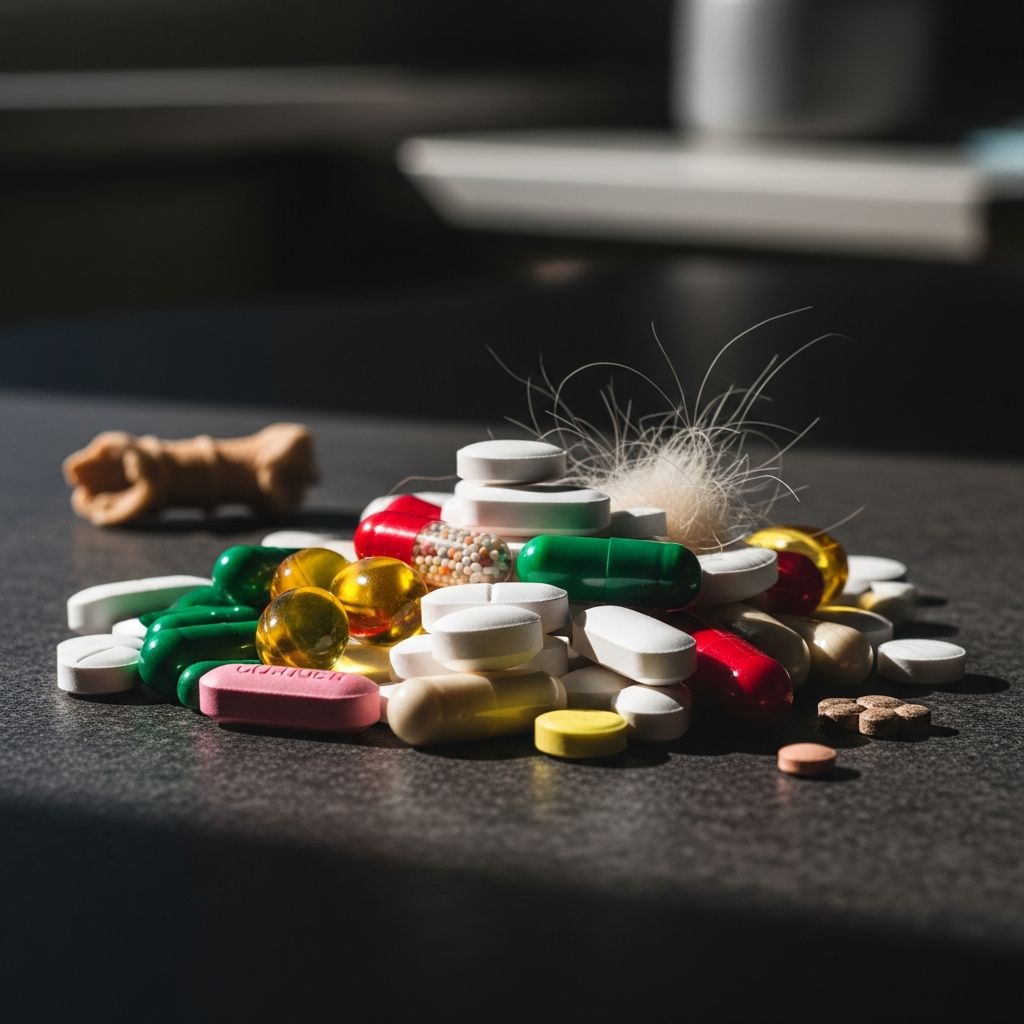
Human over-the-counter medications, readily available in most households, pose serious risks to pets when accidentally ingested. Dogs and cats metabolize these drugs differently, leading to severe health complications or death from even small amounts. Veterinary experts emphasize secure storage and immediate professional intervention upon exposure.
Understanding Pet Vulnerability to Human Medications
Pets lack the enzymes to safely process many human drugs, resulting in toxic buildup. Cats, in particular, have limited liver capabilities for certain compounds, amplifying dangers. Common scenarios include pets knocking over purses or pill bottles left on counters. According to poison control data, OTC medications top the list of pet exposures annually, accounting for over 16% of cases.
- Dogs: Often ingest larger quantities due to curiosity and size.
- Cats: More sensitive to many drugs, showing toxicity at lower doses.
- Other pets: Ferrets and small animals face heightened risks from similar exposures.
Pain Relievers: The Leading Culprits
Nonsteroidal anti-inflammatory drugs (NSAIDs) like ibuprofen, aspirin, naproxen, and acetaminophen dominate poisoning incidents. These relieve human pain and fever but damage pet stomachs, kidneys, and livers.
Ibuprofen Hazards
Ibuprofen, found in brands like Advil and Motrin, absorbs quickly into pet systems. In dogs, it causes vomiting, diarrhea, ulcers, kidney failure, and neurological issues like seizures. Cats suffer toxicity at half the canine dose, with ferrets even more susceptible. A single pill can trigger abdominal pain and lethargy.
| Pet Type | Toxic Dose (mg/kg) | Key Symptoms |
|---|---|---|
| Dogs | 25-100 | Vomiting, ulcers, kidney damage |
| Cats | 12-50 | Severe ulcers, coma |
| Ferrets | <25 | Seizures, death |
Aspirin Risks
Aspirin leads to rapid gastrointestinal absorption, causing depression, rapid breathing, seizures, and bleeding disorders. Cats face fatal outcomes from large doses, while dogs develop ulcers with prolonged exposure.
Naproxen Dangers
Naproxen (Aleve) mirrors ibuprofen effects but induces bowel bleeding, black stools, anemia, and intestinal perforations. Cats show extreme sensitivity.
Acetaminophen Threats
Acetaminophen (Tylenol) risks fewer stomach issues in humans but devastates pets. Dogs exhibit liver failure and methemoglobinemia (brown gums, breathing difficulty) at high doses. Cats metabolize it poorly, leading to rapid toxicity, anemia, and facial swelling even from tiny amounts.
Cold and Allergy Medications: Hidden Stimulants
Decongestants such as pseudoephedrine (Sudafed) and ephedrine overstimulate pet nervous systems. Symptoms include dilated pupils, racing heart, hypertension, tremors, hyperactivity, and potentially fatal arrhythmias.
- Agitation and head bobbing in early stages.
- Vomiting, hiding, progressing to seizures and death without prompt care.
Antihistamines generally carry lower risks but can cause drowsiness or hyperactivity in overdose. Herbal supplements with ma huang (ephedra) or guarana mimic these effects; ephedra use is FDA-banned due to dangers.
Stomach Remedies and Antacids
Gastrointestinal drugs like H2 blockers (e.g., famotidine, ranitidine) offer wide safety margins. Overdoses may induce mild vomiting or diarrhea, resolving with supportive care.
Bismuth subsalicylate products (Pepto-Bismol) resemble aspirin and risk adverse effects in dogs, including salicylate toxicity.
Vitamins, Supplements, and Minerals
Multivitamins seem harmless but contain iron, vitamin A, or D in toxic quantities. Iron causes severe vomiting, bloody diarrhea, shock, and liver failure. High vitamin A leads to skeletal deformities; excess D induces high calcium levels and organ damage.
Other supplements like alpha-lipoic acid prove dose-dependent toxins, especially in cats.
Topical Products and Ointments
Zinc oxide creams for human skin issues cause hemolytic anemia upon ingestion or absorption. Pets licking applied areas face zinc poisoning, marked by weakness, jaundice, and dark urine.
Recognizing and Responding to Toxicity
Early signs vary by drug but often include vomiting, lethargy, diarrhea, abdominal pain, tremors, or breathing changes. Do not induce vomiting without veterinary guidance, as some substances worsen with regurgitation.
- Contact a vet or poison hotline (e.g., ASPCA at 888-426-4435) immediately.
- Provide drug name, amount ingested, pet weight, and time of exposure.
- Expect decontamination (induced vomiting, activated charcoal), IV fluids, anti-nausea meds, and organ support.
- Monitor bloodwork for kidney/liver function; antidotes like N-acetylcysteine for acetaminophen may be used.
Prevention Strategies for Pet Owners
Proactive measures drastically reduce risks. Store all medications in pet-proof cabinets, high shelves, or locked boxes. Never administer human drugs without vet approval—even “safe” ones like aspirin require precise dosing.
- Use pill organizers in secure locations.
- Clean up dropped pills promptly.
- Educate family members on risks.
- Opt for pet-specific formulations when possible.
Veterinarians can recommend safe alternatives for pain, allergies, or GI issues tailored to your pet’s needs.
Species-Specific Sensitivities
Dogs: Prone to NSAID kidney damage; pseudoephedrine hyperactivity.
Cats: Hypersensitive to acetaminophen, ibuprofen, naproxen; avoid entirely.
Ferrets: Extreme NSAID toxicity; even trace amounts lethal.
FAQs
Can I give my dog Tylenol for pain?
No, acetaminophen is highly toxic to dogs and cats. Consult a vet for pet-safe options.
What if my cat ate an ibuprofen tablet?
Seek emergency care immediately; even small amounts cause severe ulcers and kidney failure.
Are vitamins safe for pets?
Not always—iron and fat-soluble vitamins (A, D) can poison. Use vet-formulated supplements.
How do I store meds safely?
In locked cabinets or high, inaccessible spots. Dispose of unused drugs properly.
Is Pepto-Bismol okay for dogs?
Avoid it due to salicylate content; vet-approved alternatives exist.
Long-Term Health Impacts
Surviving acute poisoning often leaves lasting damage: chronic kidney disease from NSAIDs, liver fibrosis from acetaminophen. Regular check-ups help detect subclinical issues. Pet insurance covering toxicology aids financial burdens.
References
- Poisoning from Human Over-the-Counter Drugs — Merck Veterinary Manual. 2023. https://www.merckvetmanual.com/special-pet-topics/poisoning/poisoning-from-human-over-the-counter-drugs
- Human Medications That Are Dangerous for Pets — VSC Long Island. 2024. https://vscli.com/human-medications-that-are-dangerous-for-pets-what-every-long-island-pet-owner-should-know/
- Deadly Consequences: Pets and Human Medication — ASPCA Pet Insurance. 2024. https://www.aspcapetinsurance.com/resources/deadly-consequences-pets-and-human-medication/
- Small Animal Toxins: Over The Counter Medications — Cornell University College of Veterinary Medicine. 2023. https://www.vet.cornell.edu/hospitals/pharmacy/consumer-clinical-care-guidelines-animals/small-animal-toxins
- 10 Poison Pills for Pets — NEVC. 2024. https://nevc.com/patient-education/keep-them-safe/10-poison-pills-for-pets/
- The Official Top 10 Toxins of 2024 — ASPCA. 2025-01-15. https://www.aspca.org/news/official-top-10-toxins-2024
- Human Medications Not for Pets — University of Illinois College of Veterinary Medicine. 2024. https://vetmed.illinois.edu/pet-health-columns/keep-human-medications-away-from-pets/
- Household Hazards: Medications — American Veterinary Medical Association (AVMA). 2024. https://www.avma.org/resources-tools/pet-owners/petcare/household-hazards
Similar Articles








Read full bio of medha deb


