

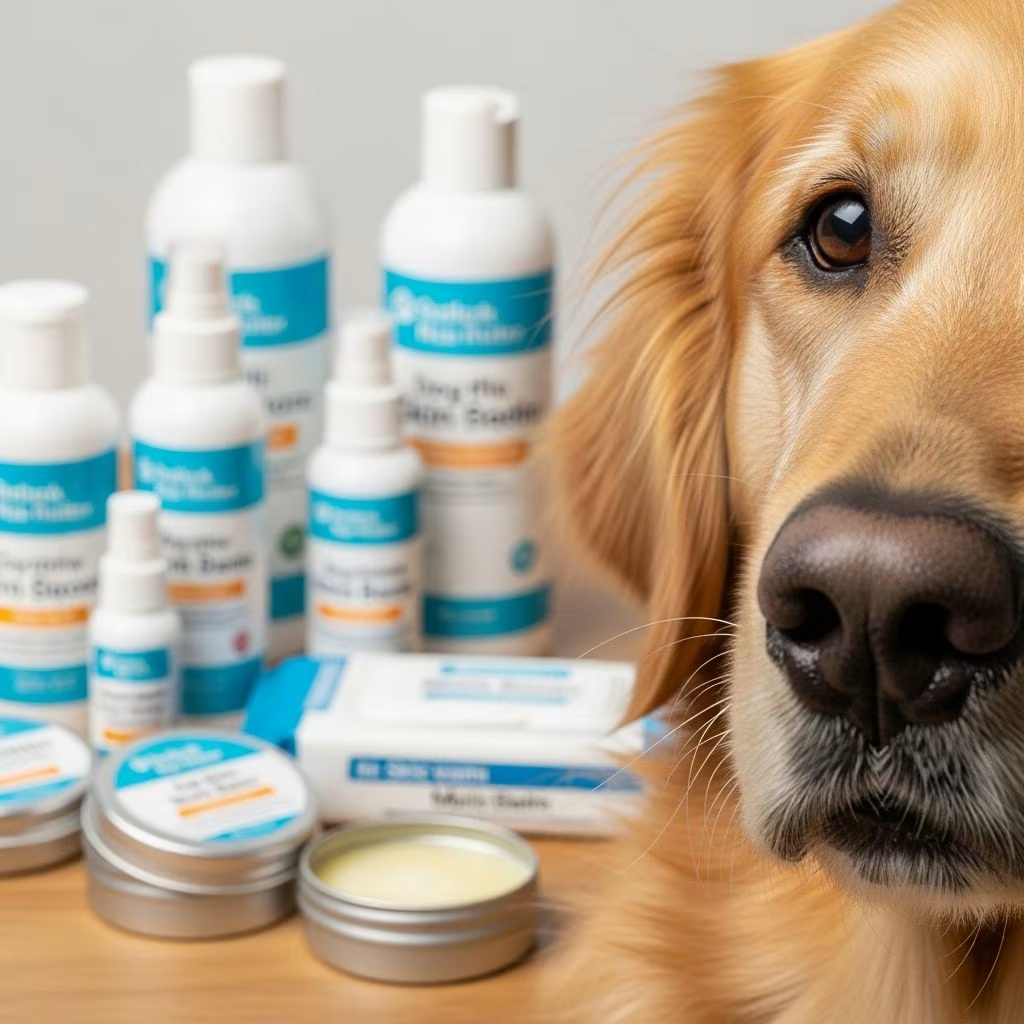
Over-the-counter (OTC) products offer accessible relief for dogs suffering from skin irritations, allergies, and infections. These remedies target common issues like itching, dryness, and inflammation without needing a prescription, though veterinary guidance ensures safety.
Understanding Common Canine Skin Problems
Dogs often develop skin conditions due to allergies, parasites, infections, or environmental factors. Allergic reactions to pollen, food, or fleas cause intense itching and redness. Bacterial or fungal infections lead to hot spots, scaling, or odor. Seborrhea results in greasy or flaky skin, while dry skin stems from poor barrier function. Recognizing symptoms early—such as excessive scratching, hair loss, or red patches—allows timely intervention with OTC options.
Antihistamines: First-Line Allergy Fighters
Antihistamines block histamine, reducing itch from allergies. Diphenhydramine (Benadryl) is widely used at 1 mg per pound of body weight, given 2-3 times daily. Cetirizine (Zyrtec) offers similar benefits with fewer sedating effects. These are safe for most dogs but may cause drowsiness. Always check labels for inactive ingredients like xylitol, which is toxic.
- Benadryl: Effective for mild allergies; dose carefully to avoid overdose.
- Zyrtec: Non-drowsy option for daily use in environmental allergies.
- Hydroxyzine: Stronger alternative, often vet-recommended OTC.
While helpful, antihistamines work in only 20-30% of cases, so combine with other therapies if needed.
Medicated Shampoos for Infections and Irritation
Shampoos with antiseptics cleanse and treat underlying causes. Those containing chlorhexidine combat bacteria, while ketoconazole targets fungi like yeast dermatitis. Colloidal oatmeal soothes dry, itchy skin, and salicylic acid removes scales in seborrhea.
| Shampoo Type | Key Ingredients | Best For |
|---|---|---|
| Antibacterial | Chlorhexidine, Benzethonium Chloride | Pyoderma, Hot Spots |
| Antifungal | Ketoconazole, Miconazole | Yeast Infections, Ringworm |
| Soothing | Oatmeal, Aloe Vera | Dryness, Allergies |
| Seborrhea Control | Salicylic Acid, Sulfur, Coal Tar | Flaky, Greasy Skin |
Use 2-3 times weekly, leaving on for 10 minutes before rinsing. Avoid eyes and open wounds.
Topical Sprays and Creams for Localized Relief
Sprays with hydrocortisone (1%) reduce inflammation in hot spots or insect bites. Antiseptic versions prevent secondary infections. Apply sparingly twice daily, monitoring for thinning skin with prolonged use.
- Choose alcohol-free formulas to prevent stinging.
- Combine with cone collars to stop licking.
These provide quick relief but aren’t for widespread issues.
Omega Fatty Acids and Supplements for Long-Term Skin Health
Omega-3s (EPA, DHA) from fish oil reduce inflammation and strengthen the skin barrier. Dose at 20-50 mg EPA/DHA per pound daily. Probiotics support gut health, indirectly aiding allergies.
Look for purified, third-party tested oils to avoid contaminants. Improvements appear in 4-8 weeks.
Building a Stronger Skin Barrier
Products with ceramides, essential fatty acids, and phytosphingosines restore moisture and block allergens. Humectants like hyaluronic acid hydrate without greasiness. Use daily sprays or leave-in conditioners.
Flea Prevention: Stopping Itch at the Source
Fleas trigger 50% of skin allergies. OTC collars, spot-ons, and shampoos with pyrethrins kill fleas effectively. Monthly treatments prevent infestations year-round.
When OTC Isn’t Enough: Vet-Prescribed Options
For severe cases, vets may add Apoquel (JAK inhibitor for rapid itch relief), Cytopoint (antibody injection), or steroids. These complement OTC use but require monitoring for side effects like immune suppression. Newer Zenrelia offers once-daily dosing with strong efficacy.
Safe Usage Guidelines and Precautions
- Calculate doses by weight; never exceed recommendations.
- Start with one product to monitor reactions.
- Avoid human products with zinc oxide or tea tree oil.
- Consult vets for puppies, seniors, or dogs with liver/kidney issues.
- Discontinue if symptoms worsen or persist beyond 7-10 days.
Pregnant or nursing dogs need special vet approval.
DIY Home Remedies with Caution
Oatmeal baths (colloidal oatmeal in lukewarm water) soothe mildly itchy skin. Coconut oil moisturizes but can stain fur. Apple cider vinegar rinses (1:1 diluted) balance pH, though evidence is anecdotal. Always patch-test.
FAQs
Can I use Benadryl daily for my dog’s allergies?
Yes, for short-term use, but long-term may require vet alternatives like Apoquel.
What’s the best shampoo for fungal dog skin infections?
Ketoconazole-based shampoos like Pet MD Colloidal Oatmeal effectively treat yeast overgrowth.
Do fish oil supplements work for all itchy dogs?
They help inflammatory conditions but not parasites or infections alone.
How often should I bathe a dog with skin issues?
2-3 times weekly with medicated shampoo; daily plain water rinses if very dirty.
Is hydrocortisone spray safe for puppies?
Yes, from 12 weeks, but limit to 7 days max.
Holistic Approaches to Prevent Recurrence
Diet trials excluding common allergens (chicken, grains) reduce flare-ups. Hypoallergenic bedding and air purifiers minimize environmental triggers. Regular grooming removes debris.
Tracking symptoms in a journal helps identify patterns, guiding better management.
References
- Allergy Medicine for Dogs: 10 Solutions to Calm Your Dog’s Itch — Dr. Buzby, ToeGrips. 2024. https://toegrips.com/allergy-medicine-for-dogs-2/
- 5 Home Remedies for Your Dog’s Itchy Skin — PetMD, Dr. Jamie Lovejoy. 2023-10-12. https://www.petmd.com/dog/general-health/home-remedies-for-dog-itchy-skin
- Skin & Coat Supplements for Dogs — Chewy. 2026. https://www.chewy.com/b/skin-coat-1570
- The 5 Best Medicated Dog Shampoos in 2026 — Business Insider. 2026-01-15. https://www.businessinsider.com/guides/pets/best-medicated-shampoo-for-dogs



