

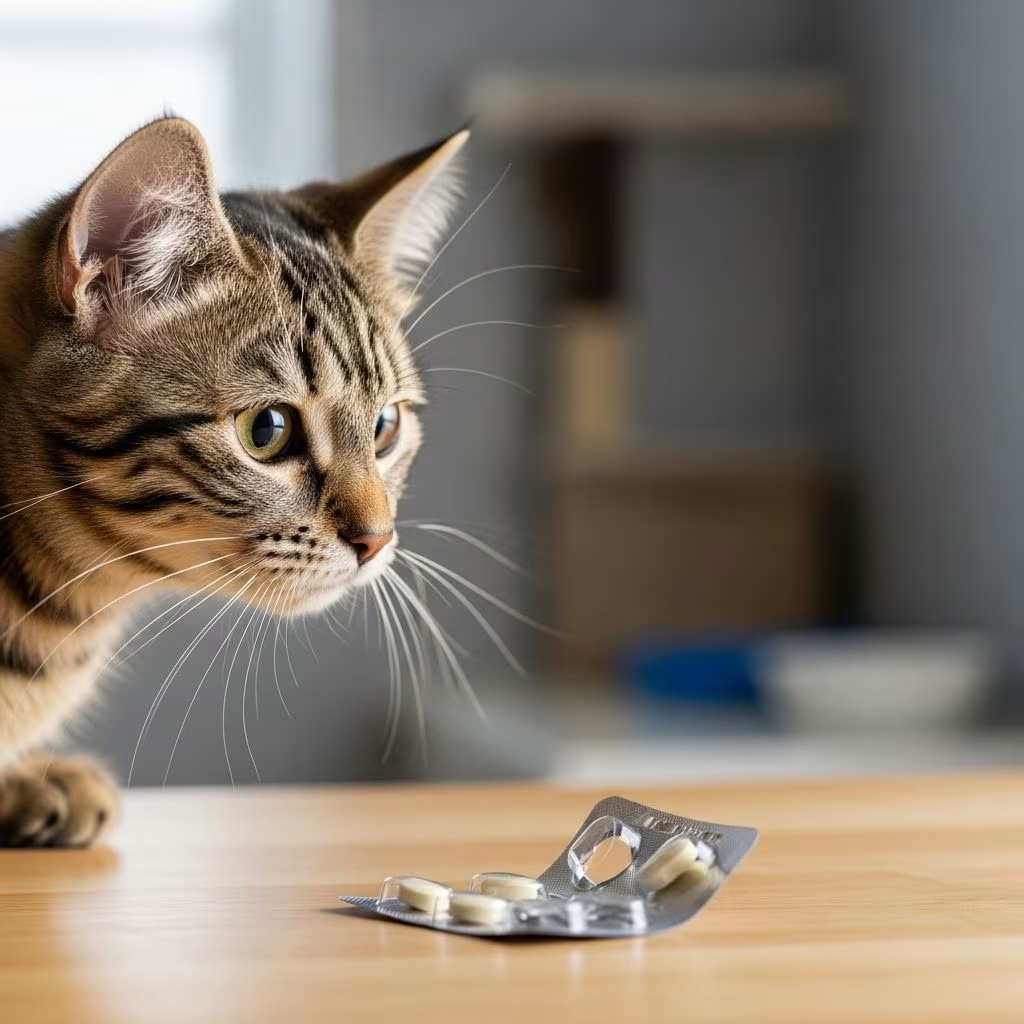
Intestinal parasites represent one of the most common health challenges facing cats, affecting animals of all ages and backgrounds. While prescription medications remain an option, many pet owners turn to over-the-counter deworming products as a first line of defense against these unwanted invaders. Understanding the landscape of available treatments, their mechanisms of action, and proper administration techniques is essential for maintaining your cat’s health and preventing serious complications.
Understanding Feline Parasitic Infections
Cats can contract various types of internal parasites, including roundworms, hookworms, and tapeworms. These organisms can cause significant health problems if left untreated. Roundworms and hookworms live in the intestinal tract, where they consume nutrients and can cause malabsorption issues, stunted growth in kittens, and general malaise. Tapeworms, while often less immediately dangerous, can lead to nutritional deficiencies and discomfort.
The risk of infection varies based on lifestyle. Indoor cats face lower exposure risks, while outdoor cats, hunting cats, and those with access to prey have significantly higher infection rates. Additionally, kittens frequently acquire parasites from their mothers or contaminated environments, making early intervention crucial.
Untreated parasitic infections can escalate to severe complications including intestinal blockages, reduced nutrient absorption leading to malnutrition, and in severe cases, life-threatening conditions affecting organ function. This underscores the importance of regular deworming protocols and prompt treatment when infections are detected.
Active Ingredients in Over-the-Counter Dewormers
Over-the-counter cat dewormers employ several proven active ingredients, each targeting specific parasites or offering broader-spectrum protection.
Praziquantel
Praziquantel represents one of the most widely available and effective active ingredients in OTC feline dewormers. This compound is particularly effective against tapeworms, where it works by paralyzing the parasites and causing them to detach from the intestinal wall for elimination through normal bowel movements. Products containing praziquantel often eliminate tapeworms within 24 hours of administration. Many praziquantel-based treatments can be easily hidden in food, making administration simpler for cats resistant to direct medication.
Milbemycin Oxime
This ingredient provides broader protection than praziquantel alone, addressing roundworms, hookworms, and heartworms. Milbemycin oxime works through a different mechanism, disrupting the nervous system of parasites and leading to their paralysis and death. Products containing this ingredient often come in flavored tablet or chewable formats designed to appeal to cats.
Combination Formulations
More advanced OTC products combine multiple active ingredients, such as emodepside and praziquantel together. These combinations offer broad-spectrum coverage, addressing multiple parasite types in a single application or dose. Such formulations provide comprehensive protection against the most common feline parasitic infections.
Types of Over-the-Counter Deworming Products
Feline dewormers come in several delivery formats, each with distinct advantages and considerations.
Oral Tablets and Chewables
Tablet-based dewormers are among the most accessible and affordable OTC options. These products typically require direct oral administration, though many can be crushed and mixed with food or hidden in small amounts of wet food or treats. Some formulations are flavored to be more palatable, though individual cats’ preferences vary considerably. The advantage of oral tablets lies in their ease of administration to multiple cats simultaneously and precise dosage control.
Topical Solutions
Topical dewormers represent an alternative for cats that resist oral medications. Applied to the base of the head or between the shoulder blades, these products are absorbed and distributed systemically. Topical formulations often provide broad-spectrum parasite coverage and can be particularly useful for cats that spit out or refuse pills. However, topical products typically cost more than oral alternatives.
Liquid Suspensions
Some OTC dewormers come as liquid formulations that can be mixed directly into food or administered using a syringe. These options provide flexibility for cats with difficulty swallowing tablets and allow for more precise dosing adjustments based on weight.
Safety Profile and Toxicity Considerations
The safety record of over-the-counter cat dewormers is generally excellent when used appropriately. Most FDA-approved formulations have been extensively tested for safety and efficacy in feline patients and demonstrate minimal side effects at recommended dosages.
Fenbendazole, a common active ingredient, demonstrates a wide margin of safety in cats. A single overdose is unlikely to cause toxicity. However, chronic overdosing—administered at high levels over extended periods—can lead to bone marrow suppression, resulting in abnormally low blood cell counts. This risk primarily applies to significantly excessive dosing rather than occasional overages.
An important safety consideration involves selecting products specifically formulated for cats. Some dewormers designed for dogs contain ingredients that can be toxic to feline patients. Always verify that any OTC product is labeled as safe for cats before administration. When in doubt, consultation with a veterinarian ensures you’re selecting an appropriate and safe product.
Dosing Guidelines and Administration
Proper dosing is fundamental to deworming success and safety. Incorrect dosages can render treatment ineffective or potentially cause adverse reactions.
Weight-Based Dosing
Nearly all OTC dewormers require dosing adjustments based on your cat’s weight. Packages typically include dosing charts or conversion tables correlating weight ranges to specific doses. Accurately weighing your cat before selecting a product ensures appropriate medication strength. Kittens and senior cats may require different formulations designed for their specific life stages.
Age Considerations
Age significantly impacts deworming product selection. Kittens under 6 to 8 weeks old require special kitten-formulated dewormers, as standard formulations may be too strong for their developing systems. Prescription dewormers often provide more precise dosing options for very young or very small kittens. Always verify age restrictions on product packaging before administration.
Frequency of Administration
Deworming schedules vary based on parasite type and infection risk. Adult cats with moderate infection risk typically require deworming every three months or as recommended by product labels. Kittens often need more frequent treatment, sometimes monthly for the first several months of life. Indoor cats with minimal exposure risks may require less frequent preventive deworming compared to outdoor cats or those with known parasite exposure.
Potential Side Effects and Adverse Reactions
While serious side effects remain rare with properly dosed OTC dewormers, some cats experience mild reactions to treatment.
Common Mild Effects
Temporary gastrointestinal upset represents the most frequently reported side effect following deworming medication administration. Affected cats may experience diarrhea, vomiting, or temporary loss of appetite. These effects typically resolve within a few days as the body eliminates dead parasites and medication metabolites. Lethargy or reduced activity levels may also occur temporarily.
These mild reactions often intensify in cats with heavy parasite burdens, as the die-off of parasites can trigger temporary digestive disturbance. This is generally considered a normal and manageable response rather than a medication side effect.
Serious Allergic Reactions
Though uncommon, some cats experience allergic reactions to deworming medications. Signs requiring immediate veterinary attention include difficulty breathing, facial or limb swelling, hives, or signs of anaphylaxis. If your cat displays any of these symptoms after deworming treatment, seek emergency veterinary care immediately.
Individual Sensitivity
Cats with underlying health conditions, compromised immune systems, or certain genetic sensitivities may react more severely to standard dewormers. Consulting your veterinarian before treating cats with known health issues ensures you select the safest option for your individual pet.
Comparing Over-the-Counter and Prescription Options
Pet owners often wonder whether OTC dewormers provide adequate protection compared to prescription alternatives.
| Aspect | Over-the-Counter Dewormers | Prescription Dewormers |
|---|---|---|
| Ingredient Strength | Standard formulations | Often higher concentrations for complex cases |
| Parasite Coverage | Broad to moderate spectrum | Targeted or comprehensive depending on formulation |
| Research Backing | FDA-approved with clinical testing | Extensive research and clinical trials |
| Cost | Generally $15-$40 per dose | $30-$100+ depending on type |
| Professional Oversight | Self-administered based on label | Requires veterinary consultation |
| Suitability | Good for routine prevention and standard infections | Better for resistant infections or special populations |
Many effective OTC dewormers perform comparably to prescription options for standard parasite infections. However, prescription alternatives may be preferable for cats with complicated cases, multiple infections, underlying health conditions, or when OTC treatments have proven ineffective.
Important Selection Criteria
Choosing an appropriate OTC dewormer requires evaluating several factors:
- FDA Approval: Select only products approved by the FDA’s Center for Veterinary Medicine. You can verify approval through the Animal Drugs @ FDA database.
- Target Parasites: Identify which parasites you’re treating and ensure the product addresses those specific types. Products targeting tapeworms differ from those addressing roundworms or hookworms.
- Age and Weight Appropriateness: Verify that the product is suitable for your cat’s age and weight range. Products for kittens differ from adult formulations.
- Cat-Specific Formulation: Confirm the product is formulated for cats, not dogs or other animals.
- Storage and Shelf Life: Check expiration dates and ensure proper storage conditions. Expired dewormers may lose efficacy.
- Ingredient Transparency: Review the active ingredients and ensure no components trigger known sensitivities in your cat.
Preventing Counterfeit Products
The pet medication market includes counterfeit products that can pose serious health risks. Protect your cat by purchasing dewormers exclusively from reputable sources including your veterinarian, established veterinary pharmacies, or accredited online pharmacies verified by the National Association Boards of Pharmacy (NABP) Verified Websites Program. Avoid suspiciously discounted products from unfamiliar retailers, as these may be counterfeit or substandard formulations.
Natural and Alternative Deworming Options
Some pet owners explore natural or alternative deworming products. While the appeal of “all-natural” options is understandable, these products typically lack the rigorous research backing that FDA-approved medications have undergone. Conventional, veterinarian-recommended dewormers offer both high effectiveness and exceptional safety profiles developed through decades of use with very few associated side effects. Before attempting natural alternatives, consult your veterinarian to ensure you’re not delaying necessary treatment with unproven options.
Post-Treatment Monitoring and Prevention
Deworming medication eliminates existing parasites but does not prevent future infections. Following successful treatment, ongoing prevention and monitoring remain essential.
Environmental Management
Maintain clean living spaces, as parasite eggs and larvae can survive in contaminated environments. Regular litter box cleaning, washing bedding in hot water, and general sanitation reduce reinfection risks.
Flea Control
Fleas serve as vectors for tapeworms, so maintaining effective flea prevention significantly reduces tapeworm reinfection risks. Year-round flea control is particularly important for cats with outdoor access.
Follow-Up Testing
Some veterinarians recommend follow-up fecal examinations several weeks after deworming to confirm treatment success and identify any remaining infections. This is particularly important for severely infested cats or those with immunocompromised status.
When to Contact Your Veterinarian
While OTC dewormers are generally safe, certain situations warrant professional veterinary consultation:
- Your cat is pregnant, nursing, or very young (under 6-8 weeks)
- Your cat has underlying health conditions or takes other medications
- Symptoms persist or worsen following deworming treatment
- Your cat displays signs of allergic reaction or severe side effects
- You’re uncertain which parasite type is causing infection
- Previous OTC deworming attempts have been ineffective
- Your cat weighs less than the minimum for available OTC products
Frequently Asked Questions
How quickly do over-the-counter dewormers work?
Most effective OTC dewormers begin working within 24 hours, with many cats showing visible parasite elimination in their feces. However, complete elimination may take several days as your cat’s system fully processes dead parasites and medication metabolites.
Can I give my cat a dewormer preventively without a confirmed infection?
Regular preventive deworming is appropriate for cats at risk of infection. Consult your veterinarian to establish an appropriate deworming schedule based on your cat’s lifestyle and risk factors. Indoor cats with minimal exposure may require less frequent preventive treatment than outdoor cats.
What should I do if my cat vomits shortly after taking a dewormer?
If vomiting occurs within an hour of administration, contact your veterinarian. You may need to re-administer the dose or use an alternative formulation. If vomiting occurs more than an hour after administration, the medication has likely been absorbed sufficiently.
Are there any OTC dewormers suitable for pregnant or nursing cats?
Pregnant and nursing cats require special consideration. While some dewormers like praziquantel are considered safe for these populations, always consult your veterinarian before treating pregnant or nursing cats with any deworming medication.
How do I know if my cat still has worms after treatment?
Successful treatment typically results in the disappearance of visible parasites in feces. However, if you continue observing worms several days after treatment or if symptoms persist, contact your veterinarian. A follow-up fecal examination can confirm whether treatment was successful or if a different parasite type requires alternative medication.
References
- Fenbendazole for Dogs and Cats (Panacur, Safe-Guard) — PetMD. https://www.petmd.com/pet-medication/fenbendazole-panacur-safe-guard-for-dogs-cats
- How to Deworm a Cat at Home: Vet-Approved Treatments & Easy Tips — Pawly Clinic. https://www.pawlyclinic.com/blog/how-to-deworm-a-cat-at-home
- The 4 Best Cat Dewormers, with Guidance from Veterinarians — Business Insider. https://www.businessinsider.com/guides/pets/best-cat-dewormer
- How to Deworm Kittens and Cats — WebMD. https://www.webmd.com/pets/cats/how-to-deworm-kittens-and-cats
- Can I Treat My Cat for Worms Without Going to the Vet? — Vetster. https://vetster.com/en/wellness/can-i-treat-my-cat-for-worms-without-going-to-the-vet



