

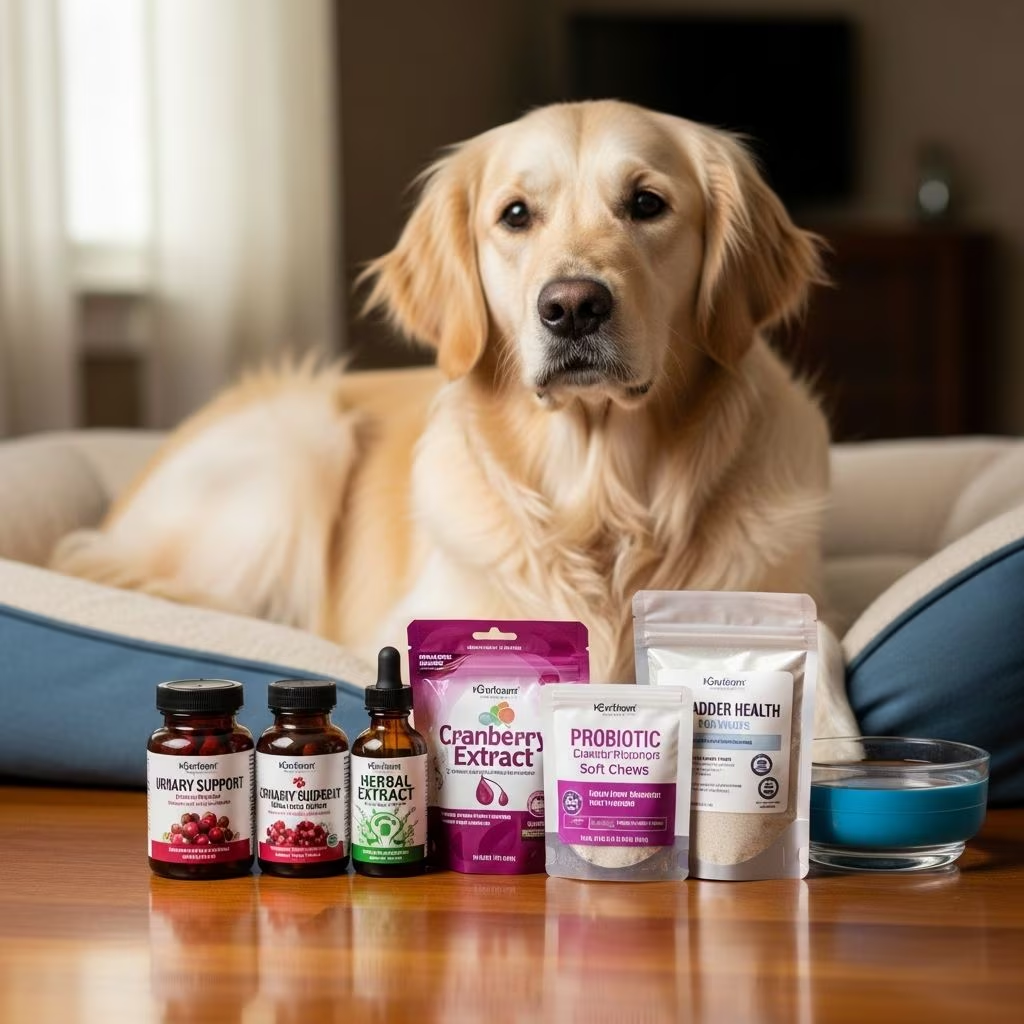
Bladder infections, commonly known as urinary tract infections (UTIs) in dogs, affect many pets and can cause discomfort if not addressed promptly. While prescription antibiotics remain the gold standard for severe cases, over-the-counter (OTC) options like supplements and natural remedies offer supportive care for mild symptoms or prevention. These products aim to promote urinary health by reducing inflammation, supporting bacterial balance, and encouraging hydration. Always consult a veterinarian before starting any treatment to ensure it suits your dog’s specific needs.
Understanding Bladder Infections in Canines
Canine bladder issues often stem from bacterial overgrowth in the urinary tract, leading to symptoms like frequent urination, straining, blood in urine, or accidents indoors. Factors such as weakened immunity, diabetes, kidney stones, or anatomical abnormalities increase risk. Early detection through signs like strong-smelling urine or lethargy is crucial to prevent escalation to kidney infections.
- Frequent or urgent urination: Dogs may need to go more often, even at night.
- Painful urination: Whining or discomfort during the act.
- Bloody or cloudy urine: Visible changes indicating infection or crystals.
- Licking genital area excessively: A sign of irritation.
- Fever or lethargy: Systemic responses to infection.
Diagnosis typically involves urinalysis to identify bacteria or crystals, confirming the need for targeted intervention.
Prescription vs. Over-the-Counter Approaches
Veterinarians primarily prescribe antibiotics like amoxicillin, cephalexin, or enrofloxacin for confirmed bacterial UTIs, often for 7-14 days. These target specific pathogens based on culture tests. For milder cases or adjunct therapy, OTC products provide accessible relief without a prescription.
| Approach | Examples | Best For | Availability |
|---|---|---|---|
| Prescription | Amoxicillin, Clavamox, Trimethoprim/sulfamethoxazole | Severe bacterial infections | Vet only |
| OTC Supplements | Cranberry extracts, Probiotics | Mild symptoms, prevention | Pet stores/online |
| Home Remedies | Diluted apple cider vinegar, Yogurt | Supportive care | Home kitchen |
OTC remedies cannot replace antibiotics for active infections but excel in maintenance and symptom relief.
Top Over-the-Counter Supplements for Urinary Support
Several pet-safe OTC products target bladder health by acidifying urine, preventing bacterial adhesion, or boosting immunity. Cranberry-based supplements are popular due to proanthocyanidins that inhibit E. coli attachment to bladder walls.
- Crananidin or similar cranberry chews: Provide concentrated cranberry extract to reduce bacterial clinging and inflammation.
- HomeoPet UTI drops: Homeopathic formula for upper/lower tract relief, aiding stress-related urination with a strong odor.
- Probiotics like FortiFlora: Restore gut and urinary microbiome balance post-antibiotics.
- Potassium citrate granules: Help dissolve struvite crystals and maintain urine pH.
- Uva Ursi or herbal blends: Natural antimicrobials with anti-inflammatory properties.
Administer per package dosing, adjusted for dog size, and monitor for improvements within 48 hours.
Natural Home Remedies to Try
For pet owners seeking non-commercial options, simple kitchen items can support recovery when used cautiously. These are not cures but aids alongside vet advice.
- Increase water intake: Add low-sodium broth to encourage flushing of the urinary system.
- Apple cider vinegar: Mix 1 teaspoon per 20 pounds body weight in water twice daily for 10 days to acidify urine.
- Plain yogurt or kefir: Probiotic-rich for microbiome support, 1-2 tablespoons daily.
- Cranberry juice (unsweetened): Diluted form provides antioxidants; avoid sugary versions.
- Goldenrod or horsetail tea: Herbal diuretics to promote urine flow, brewed weakly and offered fresh.
These remedies suit mild cases but require vet approval to avoid interactions or masking serious issues.
Preventing Recurrent Bladder Problems
Proactive steps reduce UTI frequency. Maintain a balanced diet low in minerals that form crystals, ensure frequent potty breaks, and keep the genital area clean.
- Feed urinary prescription diets like Hill’s s/d intermittently.
- Monitor weight to avoid obesity-related pressure on the bladder.
- Schedule regular vet check-ups for at-risk breeds like Dalmatians or females.
- Use cooling pads for summer to prevent bacterial growth from heat.
Hydration remains paramount—aim for urine output doubling during treatment.
When to Escalate to Professional Care
OTC options falter if symptoms persist beyond 48 hours, worsen, or include vomiting, loss of appetite, or back pain signaling kidney involvement. Never use human medications; dosages differ critically. Untreated UTIs risk sepsis or chronic issues.
“Dogs with symptomatic UTIs need prescription antibiotics; home remedies alone may not suffice for bacterial clearance.”
Seek immediate care for puppies, seniors, or those with comorbidities.
Potential Side Effects and Safety Tips
Most OTC urinary aids are gentle, but watch for diarrhea from probiotics or stomach upset from herbs. Start low-dose and observe. Avoid in pregnant dogs or those on blood thinners without guidance.
FAQs on Dog Bladder Health
Q: Can UTIs resolve without treatment?
A: Rarely in asymptomatic cases, but symptomatic ones progress to serious conditions like pyelonephritis.
Q: How long do OTC remedies take to work?
A: 24-72 hours for symptom relief; full resolution needs vet monitoring.
Q: Are cranberry supplements proven?
A: They support prevention by blocking bacteria but lack robust clinical trials for cures.
Q: What breeds are prone to UTIs?
A: Females, Shih Tzus, Bichons, and those with recessed vulvas.
Q: Can diet alone fix bladder issues?
A: Special diets dissolve some stones but not infections; combine with meds.
References
- UTI in Dogs: Signs, Causes, and When To Call Your Vet — PetMD (Michael Kearley, DVM). 2023. https://www.petmd.com/dog/conditions/urinary/uti-dogs-signs-causes-and-when-call-your-vet
- Dog UTI Treatment – Antibiotics, Diet, Herbal Remedies — PetCareRx. 2024. https://www.petcarerx.com/article/cat-and-dog-uti-treatment/264
- Dog UTI Treatments & Bladder Care — Chewy (Reviewed by Dr. Teresa Manucy, DVM). 2025. https://www.chewy.com/b/uti-treatment-for-dogs-15555
- Urinary Medicine for Dogs — Dutch. 2025. https://www.dutch.com/collections/urinary-medicine-for-dogs
- HomeoPet UTI Urinary Tract Infection for Dogs — PetSmart. 2024. https://www.petsmart.com/dog/vitamins-and-supplements/urinary-and-kidney/homeopet-uti-unrinary-tract-infection-for-dogs-83287.html



