

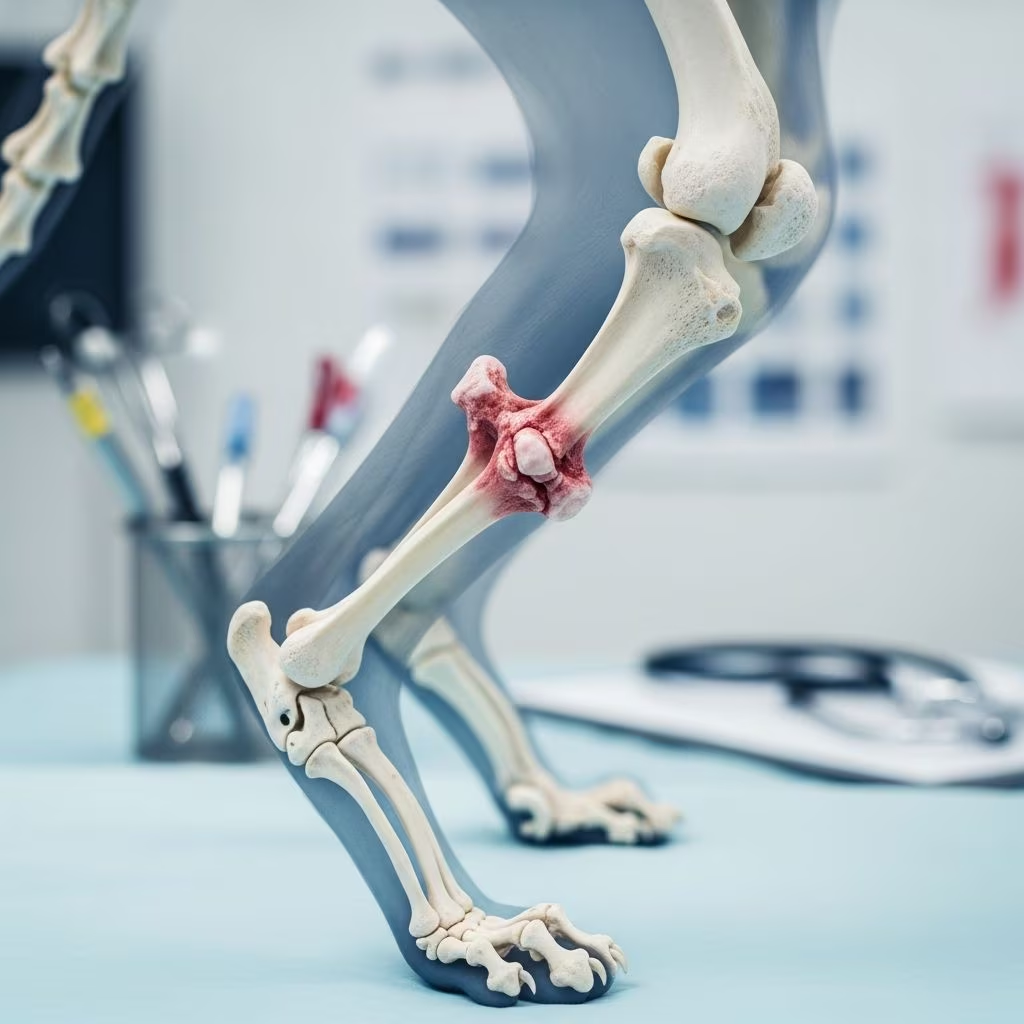
Understanding Osteosarcoma in Cats
Osteosarcoma, commonly referred to as bone cancer, is a serious malignant tumor that develops from the uncontrolled growth of bone cells in cats. This aggressive form of cancer represents one of the most common bone tumors affecting feline companions. While osteosarcoma presents significant challenges, understanding its nature, recognizing early warning signs, and exploring available treatment options can help cat owners make informed decisions about their pet’s care and quality of life.
The disease can develop in various locations throughout a cat’s skeletal system, with the hindlimbs being the most frequently affected areas. Understanding the characteristics of this condition is essential for early detection and intervention, which can substantially impact treatment outcomes and your cat’s comfort.
What Causes Osteosarcoma in Cats?
The exact cause of osteosarcoma in cats remains largely unknown, making prevention particularly challenging for pet owners. However, veterinary researchers have identified several potential contributing factors that may increase the risk of developing this aggressive bone cancer.
Previous trauma to the bone, such as fractures or chronic irritation, is thought to potentially trigger the development of osteosarcoma in susceptible cats. Additionally, bone infections (osteomyelitis) and exposure to radiation have been suggested as possible risk factors. Some studies indicate that older cats may be at higher risk, though osteosarcoma can develop in felines of any age. Understanding these risk factors, while not definitive, can help owners remain vigilant about their cat’s bone health and seek veterinary attention when appropriate.
Recognizing the Signs of Osteosarcoma
Osteosarcoma is an extremely painful condition, and recognizing its signs early is crucial for timely intervention. The symptoms can vary depending on the tumor’s location, but cat owners should be alert to the following warning indicators:
Primary Symptoms
Lameness or Limping: One of the most common early signs is noticeable lameness or limping, particularly if the tumor affects a limb bone. This may initially appear intermittent but typically progresses to persistent lameness as the disease advances. Cats may favor the affected limb and demonstrate reluctance to bear weight on it.
Visible Swelling: Swelling at the tumor site is often observable, especially if the cancer develops in a limb or near the body’s surface. The affected area may feel firm and warm to the touch.
Pain and Sensitivity: Cats with osteosarcoma typically display signs of significant bone pain, including restlessness, vocalization when the affected area is touched, and altered behavior. They may cry out or show obvious discomfort during handling.
Behavioral Changes: Affected cats frequently become more lethargic and withdrawn. They may show reluctance to engage in normal activities such as jumping, climbing, running, or playing. Some cats become more irritable or aggressive due to chronic pain.
Appetite Loss: Many cats with osteosarcoma experience decreased appetite and weight loss. This may result from pain-related nausea or the cat’s general malaise.
Advanced Symptoms: In advanced cases, pathological fractures may occur, where the weakened bone breaks spontaneously or with minimal trauma. If the cancer has metastasized to the lungs, respiratory distress including coughing, labored breathing, or rapid breathing may develop.
How is Osteosarcoma Diagnosed?
Obtaining a definitive diagnosis of osteosarcoma requires a comprehensive diagnostic approach combining clinical evaluation with advanced imaging and tissue analysis.
Initial Veterinary Consultation
Your veterinarian will begin with a detailed history, asking about behavioral changes, mobility issues, timeline of symptom progression, and any apparent discomfort. During the physical examination, the vet will carefully palpate suspicious areas, assessing the mass size, location, firmness, and pain response. This initial evaluation helps guide subsequent diagnostic steps.
Imaging Studies
Several imaging techniques are employed to visualize bone tumors and assess their extent:
X-rays (Radiographs): These are typically the first imaging tool used, providing clear visualization of bone structure and tumor-related bone destruction or proliferation patterns characteristic of osteosarcoma.
Advanced Imaging: CT scans and MRI studies offer more detailed three-dimensional views of the tumor, helping determine exact location, size, and involvement of surrounding tissues. These advanced techniques are particularly valuable for surgical planning.
Tissue Diagnosis
A bone biopsy provides definitive confirmation of osteosarcoma by allowing pathologists to examine tumor cells microscopically. This procedure may be performed under anesthesia and is essential for confirming the diagnosis before proceeding with treatment.
Treatment Options for Feline Osteosarcoma
Treatment decisions for cats with osteosarcoma should be individualized, considering the cat’s age, overall health status, tumor location, extent of disease, financial considerations, and quality of life priorities. Pain management is essential in all cases, regardless of other treatment selections.
Surgical Intervention
Surgery remains the cornerstone of osteosarcoma treatment and often provides the best opportunity for long-term disease control or potential cure. The specific surgical approach depends on tumor location and the extent of bone involvement.
Amputation Surgery: For tumors affecting the limbs (appendicular osteosarcoma), complete amputation of the affected limb is typically the most effective surgical approach. While this may seem drastic to pet owners, cats demonstrate remarkable adaptation to life on three legs. Most felines return to near-normal activity levels within weeks of surgery. Amputation removes the primary source of pain and often results in significantly improved quality of life. For some cats with appendicular osteosarcoma limited to the limb, amputation alone may provide a cure.
Jaw Surgery: For tumors affecting the jaw (axial osteosarcoma), mandibulectomy (lower jaw removal) or maxillectomy (upper jaw removal) may be performed. Cats typically adapt well to partial jaw removal and continue eating and drinking normally.
Pain Management and Palliative Care
Comprehensive pain control is paramount in osteosarcoma management. Multiple medication classes may be employed to address the significant bone pain associated with this condition:
Non-Steroidal Anti-Inflammatory Drugs (NSAIDs): Medications such as meloxicam or robenacoxib, specifically approved for feline use, help reduce inflammation and pain.
Opioid Medications: Drugs like buprenorphine provide effective pain relief for moderate to severe pain.
Neuropathic Pain Medications: Gabapentin and amantadine address nerve-related pain components of bone cancer.
Bone-Targeting Agents: Bisphosphonates such as pamidronate can strengthen bone structure and reduce pain by slowing bone destruction.
Radiation Therapy
Radiation therapy may be recommended as an adjunctive treatment, particularly in cases where complete surgical removal is not possible or when combined with other modalities. Radiation can help control tumor growth and provide pain relief in some cases.
Chemotherapy
While less commonly used in cats than in dogs with osteosarcoma, chemotherapy protocols may be considered in certain situations. Cats generally tolerate chemotherapy better than humans, with milder side effects. Potential side effects may include temporary decreased appetite, mild nausea, or reduced white blood cell counts. When combined with surgery, chemotherapy may extend survival times significantly, potentially adding months or years of quality life.
Understanding Prognosis and Quality of Life
The prognosis for cats with osteosarcoma varies based on several factors, including tumor location, extent of disease at diagnosis, and chosen treatment approach. The prognosis is generally considered guarded in all cases, but early detection and appropriate treatment can substantially influence outcomes.
Cats with appendicular osteosarcoma (limb tumors) treated with amputation often have more favorable prognoses compared to cats with axial tumors or evidence of metastatic disease. Quality of life considerations should be central to treatment decisions, as the goal is not only extending survival but ensuring the cat remains comfortable and engaged.
Post-Operative Care and Recovery
Following surgical intervention, proper post-operative care is essential for optimal recovery. Cats undergoing amputation typically recover quickly, with most resuming normal activities within several weeks. Pain management during the recovery period is crucial, and your veterinarian will provide specific instructions regarding activity restriction, wound care, and medication administration.
Regular follow-up examinations allow your veterinarian to monitor healing, assess pain control, and detect any complications early. Most amputee cats develop excellent mobility and quality of life with appropriate rehabilitation and pain management.
Supporting Your Cat Through Treatment
Beyond medical interventions, providing emotional support and maintaining quality of life during osteosarcoma treatment is vital. Ensure your cat has comfortable resting areas, easy access to litter boxes and food/water bowls, and appropriate pain management to minimize discomfort. Maintain normal interactions and play activities as tolerated, as these contribute to psychological well-being.
Work closely with your veterinary oncology team to optimize your cat’s comfort and address any complications that may arise during treatment. Open communication with your veterinary care team ensures that treatment plans remain aligned with your cat’s condition and your family’s priorities.
Frequently Asked Questions
Q: Can osteosarcoma in cats be prevented?
A: Since the exact cause of feline osteosarcoma remains unknown, prevention is challenging. However, maintaining your cat’s overall health, providing appropriate nutrition, avoiding unnecessary trauma to bones, and attending regular veterinary check-ups may help support skeletal health.
Q: How long do cats typically survive after an osteosarcoma diagnosis?
A: Survival time varies significantly based on tumor location, stage at diagnosis, and treatment approach. Cats treated with surgery alone may survive months to years, while those receiving multimodal treatment may have extended survival. Your veterinarian can provide individualized prognostic information based on your cat’s specific situation.
Q: Can cats function normally on three legs after amputation?
A: Yes, cats demonstrate remarkable adaptation to three-legged life. Most return to normal activity levels within weeks of amputation and experience significantly improved quality of life due to pain relief.
Q: What is the difference between appendicular and axial osteosarcoma?
A: Appendicular osteosarcoma develops in the limbs and typically has a better prognosis, often cured by amputation alone. Axial osteosarcoma affects the spine, jaw, ribs, or pelvis and generally has a guarded prognosis requiring different surgical approaches.
Q: Does osteosarcoma in cats spread to other parts of the body?
A: Yes, osteosarcoma can metastasize, particularly to the lungs. Regular monitoring through chest X-rays or CT imaging helps detect metastatic disease early, which may influence treatment decisions and prognosis.
References
- Osteosarcoma in Cats — VCA Animal Hospitals. Accessed 2025. https://vcahospitals.com/know-your-pet/osteosarcoma-in-cats
- Bone Cancer (Osteosarcoma) in Cats — Vetster. Accessed 2025. https://vetster.com/en/conditions/cat/bone-cancer-osteosarcoma
- Osteosarcoma in Cats: 5 Essential Treatment Options Revealed — The Pet Vet. Accessed 2025. https://thepetvet.com/osteosarcoma-in-cats/
- Osteosarcoma In Cats — PetMD. Accessed 2025. https://www.petmd.com/cat/conditions/musculoskeletal/osteosarcoma-cats
- Bone Tumors in Cats and Dogs — American College of Veterinary Surgeons (ACVS). Accessed 2025. https://www.acvs.org/small-animal/bone-tumors-in-cats-and-dogs/
- Osteosarcoma in Cats: Symptoms, Treatment & Prevention — Beyond Pets. Accessed 2025. https://beyondpets.com/pet-health-plus/osteosarcoma-in-cats/



