

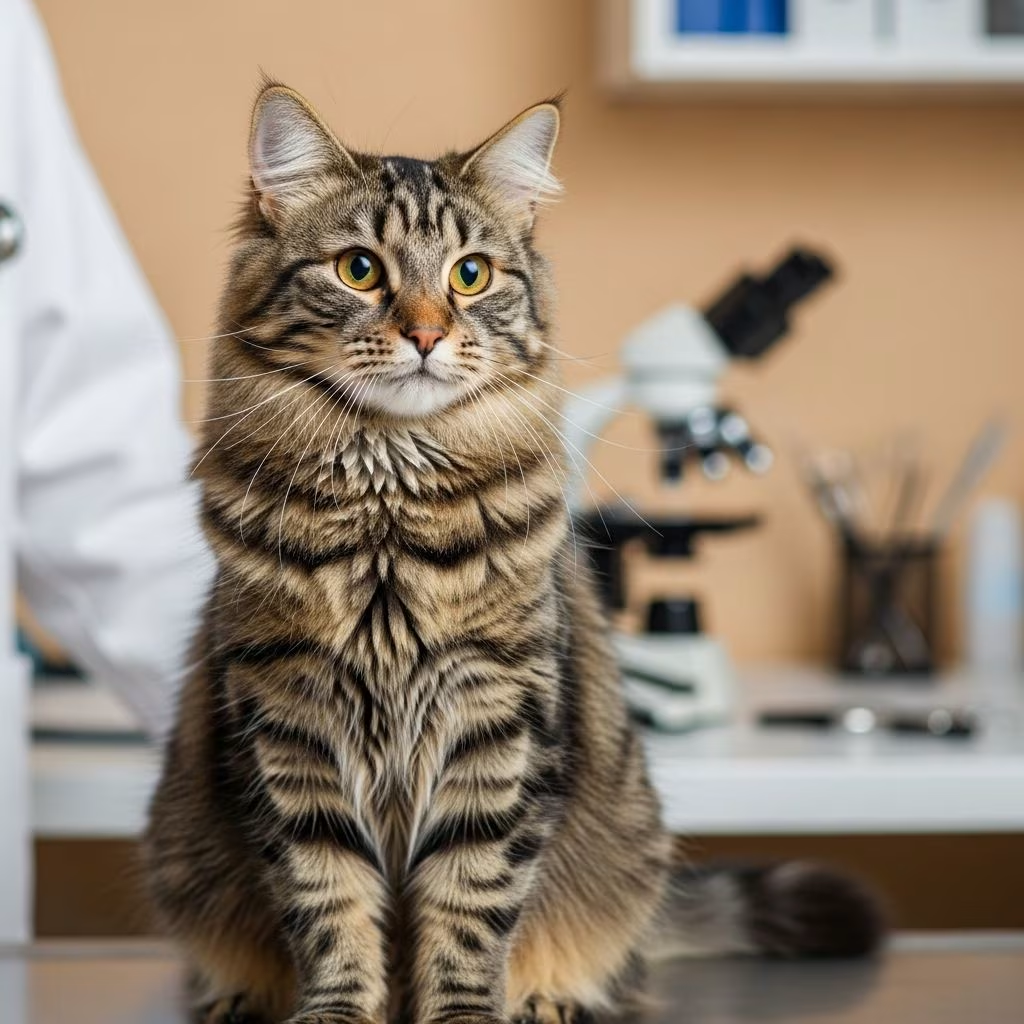
Understanding Osteosarcoma in Cats
Osteosarcoma is a serious bone cancer that develops from the uncontrolled growth of bone cells in cats. This aggressive malignancy is the most common type of bone cancer affecting felines, presenting significant challenges for both veterinarians and pet owners. While the exact cause of osteosarcoma remains unknown, research suggests that previous bone trauma, bone infections, or radiation exposure may contribute to its development. Understanding this disease is crucial for cat owners, as early detection and intervention can significantly impact treatment outcomes and quality of life.
The disease can develop in various locations throughout the cat’s skeletal system, with the hindlimbs being the most frequently affected area, particularly the femur and tibia. Osteosarcoma in cats behaves somewhat less aggressively compared to canine osteosarcoma, which offers a somewhat more favorable prognosis in some cases. However, the condition remains serious and requires prompt veterinary attention for optimal management.
Recognizing the Signs of Osteosarcoma
Osteosarcoma causes significant pain, and recognizing the early warning signs is essential for timely diagnosis and treatment. The symptoms can vary depending on the tumor’s location and stage of progression.
Common Symptoms of Feline Osteosarcoma
Cat owners should watch for the following signs:
- Lameness or Limping: One of the most prevalent symptoms, particularly when the tumor affects a limb. Initially intermittent, lameness typically progresses to persistent difficulty with movement.
- Visible Swelling: Noticeable swelling or a firm mass may appear at the tumor site, especially if located on a limb or near the body’s surface.
- Pain Response: Your cat may cry out or show discomfort when the affected area is touched, exhibit restlessness, or show reluctance to be handled.
- Reluctance to Move: Cats may avoid jumping, climbing, running, or walking due to pain, appearing more lethargic than usual.
- Loss of Appetite: Decreased appetite and reduced food consumption often accompany bone pain and general malaise.
- Behavioral Changes: Your cat may become withdrawn, irritable, or aggressive, showing overall lethargy and reduced interest in activities.
- Weight Loss: Progressive weight loss may occur as the disease advances and appetite decreases.
- Pathological Fractures: In advanced cases, the tumor can weaken bone structure, potentially leading to fractures from minimal trauma.
- Respiratory Distress: If the cancer has metastasized to the lungs, your cat may exhibit coughing, labored breathing, or rapid breathing patterns.
It’s important to note that these symptoms can also indicate other health conditions. Any behavioral changes, shifts in appetite, or alterations in your cat’s overall health warrant prompt veterinary consultation.
Diagnosing Osteosarcoma
Initial Veterinary Evaluation
Your veterinarian will begin with a comprehensive health history, inquiring about changes in behavior, evidence of discomfort, limping, mobility difficulties, and the timeline of symptom progression. During the physical examination, the veterinarian will perform a thorough body assessment, palpating any suspected lumps or bone deformations to determine size, location, firmness, and pain sensitivity.
Diagnostic Imaging and Confirmation
Definitive diagnosis requires multiple diagnostic approaches:
- X-rays: Initial radiographic imaging reveals bone changes and tumor characteristics.
- Advanced Imaging: CT scans or MRI provides more detailed visualization of tumor extent and involvement of surrounding tissues.
- Bone Biopsy: Histopathological examination of tissue samples confirms the diagnosis and provides information about tumor grade and aggressiveness.
- Additional Testing: Chest X-rays may be performed to check for metastatic spread to the lungs, a common site of osteosarcoma dissemination.
Early detection is crucial for effective treatment planning, making regular veterinary check-ups especially important for older cats and those showing any concerning symptoms.
Treatment Options for Feline Osteosarcoma
Surgical Intervention
Surgery remains the cornerstone of osteosarcoma treatment and typically provides the best opportunity for long-term management or potential cure. For tumors located in the limbs, complete amputation is usually the most effective approach. While amputation may seem drastic to pet owners, cats adapt remarkably well to life on three legs. The surgery removes the primary pain source and significantly improves quality of life, with most cats returning to normal activities within weeks of recovery.
For axial osteosarcomas (those affecting the spine, ribs, or jaw), different surgical approaches may be employed, such as mandibulectomy or maxillectomy for jaw tumors. These procedures aim to achieve complete tumor removal while preserving function as much as possible.
Radiation Therapy
Radiation therapy may be recommended as an adjunctive treatment, particularly when complete surgical removal isn’t possible or following amputation to eliminate remaining microscopic disease. This treatment uses targeted radiation to destroy cancer cells and reduce tumor recurrence risk. Radiation therapy is often combined with other treatments for enhanced effectiveness.
Chemotherapy
Chemotherapy protocols can significantly extend survival times when combined with surgery. While chemotherapy in pets can cause side effects, they are typically much milder than what humans experience. Most cats maintain good quality of life during treatment, with potential side effects including temporary decreased appetite, mild nausea, or lowered white blood cell counts. Your veterinary oncologist will monitor your cat closely and may prescribe supportive medications to manage any discomfort. Chemotherapy combined with amputation can potentially add months or even years of quality life for cats with osteosarcoma.
Pain Management and Palliative Care
Regardless of which primary treatment is chosen, comprehensive pain management is essential for cats with osteosarcoma. Bone cancer is inherently painful, and addressing this pain is crucial for maintaining quality of life. Effective pain management typically includes:
- NSAIDs (Non-Steroidal Anti-Inflammatory Drugs): Medications specifically approved for feline use to reduce inflammation and pain.
- Opioid Medications: For moderate to severe pain management and improved comfort.
- Gabapentin: Particularly effective for nerve-related pain and neuropathic discomfort.
- Amantadine: Used for chronic pain management and improved quality of life.
- Bisphosphonates: Medications like pamidronate that strengthen bone and reduce pain associated with bone tumors.
- Buprenorphine: A potent opioid pain reliever for cats with severe discomfort.
Emerging Treatments
Newer treatment modalities, including immunotherapy and clinical trials, continue to emerge, offering additional options for cats whose tumors may not respond well to traditional treatments. Your veterinary oncologist can discuss whether your cat might be a candidate for these advanced therapies.
Prognosis and Survival Expectations
The prognosis for feline osteosarcoma varies based on several factors, including tumor location, stage at diagnosis, and treatment approach selected. Appendicular osteosarcomas (affecting the limbs) generally have a better prognosis than axial tumors. With amputation alone, survival times typically range from three to five months. However, when amputation is combined with chemotherapy, median survival times extend to approximately one to two years or longer in some cases. Cats treated with multimodal approaches—combining surgery, chemotherapy, and pain management—generally experience the best outcomes.
Early detection significantly improves prognosis. Tumors identified before metastatic spread offers better treatment options and longer survival periods. Regular veterinary check-ups, particularly for senior cats, help identify potential problems before they progress.
Treatment Decision Considerations
When determining the best treatment approach for your cat, several factors should be considered:
- Your cat’s age and overall health status
- Tumor location and extent of disease
- Your cat’s quality of life and functional capabilities
- Financial considerations and treatment costs
- Your ability to manage post-treatment care and follow-up appointments
- Your cat’s temperament and ability to tolerate treatments
- Whether the goal is curative or palliative care
Your veterinary team can help you weigh these factors and develop a personalized treatment plan that aligns with your goals and your cat’s specific situation.
Quality of Life Considerations
Throughout treatment and beyond, maintaining your cat’s quality of life should remain a primary focus. Many cats adapted remarkably well to amputation and continue enjoying active, fulfilling lives. Pain management is essential to ensure your cat remains comfortable and engaged. Regular monitoring for progression or complications allows for timely adjustments to the treatment plan.
Discuss with your veterinarian what realistic quality of life expectations are for your cat given their specific diagnosis and circumstances. Open communication about your cat’s response to treatment, comfort level, and overall well-being helps guide ongoing management decisions.
Frequently Asked Questions About Feline Osteosarcoma
Q: What is the difference between appendicular and axial osteosarcoma in cats?
A: Appendicular osteosarcoma affects the limbs and typically has a somewhat better prognosis than axial osteosarcoma, which develops in the spine, ribs, pelvis, or jaw. Appendicular tumors are often treatable with amputation, while axial tumors may require more complex surgical approaches.
Q: Can cats live a normal life after amputation for osteosarcoma?
A: Yes, cats adapt remarkably well to life on three legs. Most cats return to normal activities within weeks after amputation recovery, maintaining good mobility, playfulness, and quality of life. Amputation removes the primary pain source and can significantly improve overall well-being.
Q: How common is it for osteosarcoma to spread to the lungs?
A: Osteosarcoma commonly metastasizes to the lungs. This is why chest X-rays are typically part of the diagnostic workup. Early detection before metastatic spread improves treatment outcomes and prognosis.
Q: Are there any risk factors that increase a cat’s chances of developing osteosarcoma?
A: While the exact cause remains unknown, previous bone trauma, bone infections, and radiation exposure are thought to be potential contributing factors. Older cats may have higher risk, though the disease can develop at any age.
Q: What is the cost of treating feline osteosarcoma?
A: Treatment costs vary significantly depending on the approach chosen. Surgery ranges from several hundred to several thousand dollars. Chemotherapy, radiation therapy, and ongoing pain management add to expenses. Discuss financial options and payment plans with your veterinary clinic.
Q: Should I choose amputation or pursue other treatment options?
A: This decision depends on your cat’s age, health status, tumor characteristics, and your preferences regarding treatment aggressiveness. Your veterinarian can help assess whether your cat is a good surgical candidate and whether additional therapies like chemotherapy might extend survival.
Q: How can I manage my cat’s pain after an osteosarcoma diagnosis?
A: Pain management is critical and typically involves a combination of NSAIDs, opioids, gabapentin, and other medications tailored to your cat’s needs. Your veterinarian will assess pain levels and adjust medications accordingly to ensure optimal comfort.
References
- Osteosarcoma in Cats — VCA Animal Hospitals. Accessed 2025-11-28. https://vcahospitals.com/know-your-pet/osteosarcoma-in-cats
- Osteosarcoma In Cats – PetMD — PetMD. Accessed 2025-11-28. https://www.petmd.com/cat/conditions/musculoskeletal/osteosarcoma-cats
- Bone Cancer (Osteosarcoma) in Cats – Vetster — Vetster. Accessed 2025-11-28. https://vetster.com/en/conditions/cat/bone-cancer-osteosarcoma
- Bone Tumors in Cats and Dogs — American College of Veterinary Surgeons (ACVS). Accessed 2025-11-28. https://www.acvs.org/small-animal/bone-tumors-in-cats-and-dogs/
- Osteosarcoma in Cats: Symptoms, Treatment & Prevention — Beyond Pets. Accessed 2025-11-28. https://beyondpets.com/pet-health-plus/osteosarcoma-in-cats/
- Osteosarcoma in Cats: 5 Essential Treatment Options Revealed — The Pet Vet. Accessed 2025-11-28. https://thepetvet.com/osteosarcoma-in-cats/



