
Osteosarcoma in Dogs: Symptoms, Diagnosis & Treatment
Understanding canine bone cancer: Recognition, diagnosis, and comprehensive treatment options for dogs.
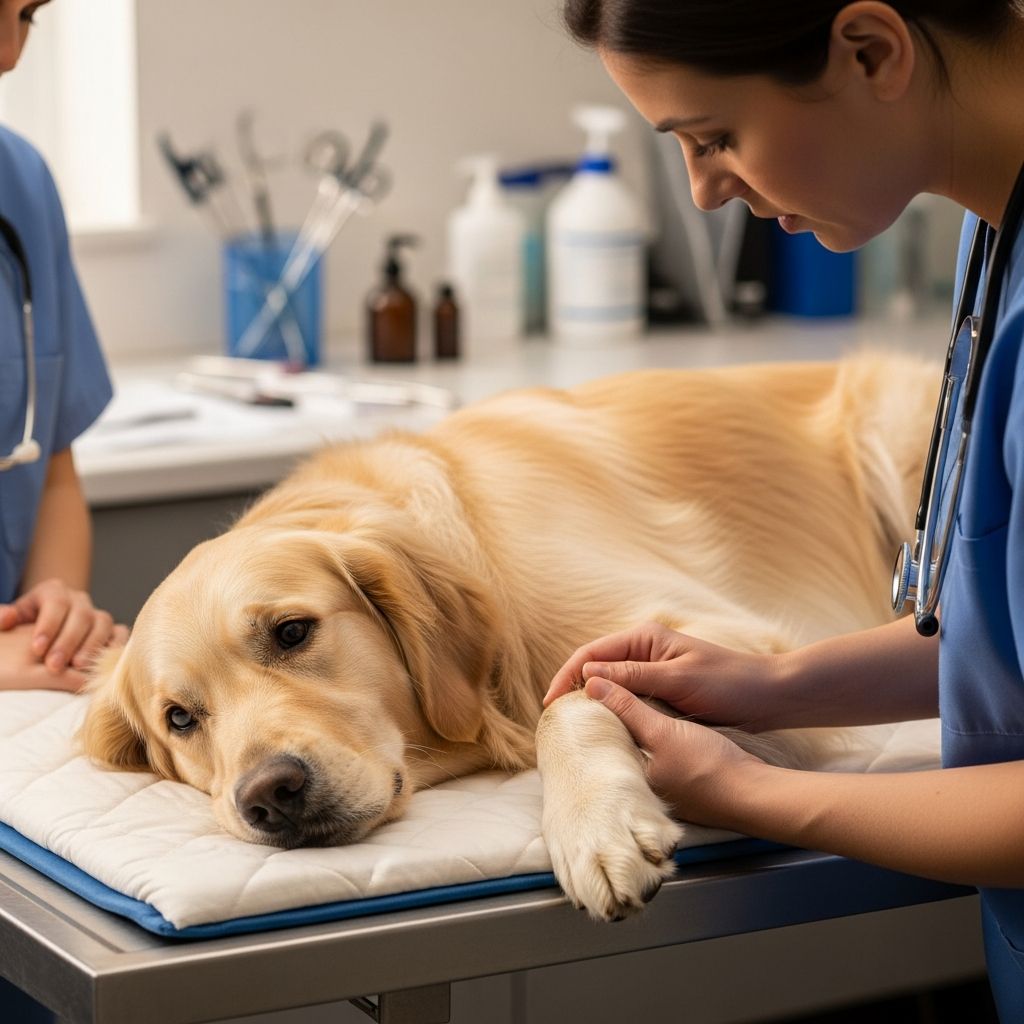
Understanding Osteosarcoma in Dogs
Osteosarcoma is an aggressive form of bone cancer that primarily affects dogs, particularly large and giant breed dogs. This malignant tumor originates in the bone and has a high propensity for metastasis, meaning it spreads rapidly to other parts of the body, most commonly to the lungs. Understanding this disease is crucial for pet owners who want to recognize early warning signs and seek prompt veterinary intervention. Osteosarcoma remains one of the most serious orthopedic cancers in dogs, requiring immediate and aggressive treatment to provide the best possible outcome for affected animals.
The disease typically manifests in middle-aged to older dogs, with an average age of diagnosis around seven to eight years old. However, younger dogs, particularly large breed animals, can also develop this aggressive malignancy. Early recognition and intervention significantly impact treatment success and the quality of life your dog can enjoy following diagnosis.
Where Osteosarcoma Develops in Dogs
Osteosarcoma can develop in various locations throughout a dog’s skeletal system, though certain sites are more commonly affected than others. Understanding where these tumors typically occur helps owners recognize which areas to monitor carefully for warning signs.
Common locations include:
- Front legs (most common location, particularly around the elbow and shoulder)
- Hind legs and rear limbs
- Jaw and facial bones
- Vertebrae and spinal column
- Ribs
- Pelvis
Approximately 75 percent of osteosarcomas occur in the limbs, with the front legs being the most frequently affected site. When tumors develop in non-limb locations, such as the jaw or spine, they can present unique challenges for treatment and management, requiring specialized surgical approaches or alternative therapeutic strategies.
Recognizing Symptoms of Osteosarcoma
Early recognition of osteosarcoma symptoms is essential because this disease progresses rapidly. Pet owners should be vigilant about observing changes in their dog’s behavior, mobility, and physical condition. The following signs may indicate the presence of osteosarcoma:
- Lameness or limping in the affected limb
- Visible swelling or lumps on the legs, ribs, spine, or jaw
- Severe pain, particularly when the affected area is touched or during weight-bearing activities
- Loss of appetite or decreased food intake
- Lethargy and general weakness
- Reluctance to exercise or play
- Respiratory distress or difficulty breathing
- Discharge from the nostrils (when tumors affect facial or nasal bones)
- Asymmetrical limb appearance, with one limb appearing larger or abnormal compared to others
- Elevated heart rate and signs of dehydration
In many cases, limping and localized swelling are the initial signs noticed by owners. The pain associated with osteosarcoma can be intense, as the tumor grows within the bone, causing pressure and inflammation. As the disease progresses, the bone may become weakened and susceptible to pathological fractures, which can occur even with normal movement or weight-bearing.
When to Contact Your Veterinarian
If your dog displays any of the symptoms listed above, contact your veterinarian immediately to schedule an urgent examination. Osteosarcoma is a rapidly progressive disease that can spread to distant sites within weeks if left untreated. Do not delay seeking veterinary care, as the speed of cancer progression cannot be overstated. Prompt diagnosis and treatment initiation significantly improve outcomes and may extend your dog’s survival time and quality of life.
It is particularly important to seek immediate veterinary attention if your dog develops respiratory distress, as this can indicate lung metastasis, a life-threatening complication of advanced osteosarcoma.
Diagnosis of Osteosarcoma
Veterinary diagnosis of osteosarcoma involves a combination of physical examination, imaging studies, and sometimes biopsy. Your veterinarian will begin by taking a complete medical history and performing a thorough physical examination, paying special attention to areas of swelling or pain.
Imaging Studies
Radiographs (X-rays) are typically the first imaging modality used to evaluate suspicious bone lesions. These images can reveal characteristic changes associated with osteosarcoma, including bone destruction, new bone formation, and cortical disruption. However, radiographs alone cannot definitively confirm osteosarcoma, and additional imaging may be necessary.
Advanced imaging techniques such as computed tomography (CT) scans provide more detailed information about the tumor’s extent and local invasion. CT imaging is particularly valuable for surgical planning and determining whether limb-sparing procedures might be feasible.
Biopsy and Histopathology
Definitive diagnosis requires histopathological examination of bone tissue. Your veterinarian may recommend a biopsy, which involves collecting a sample of the affected bone for microscopic examination by a pathologist. This confirms the diagnosis and helps guide treatment decisions.
Staging and Metastatic Workup
Once osteosarcoma is diagnosed, your veterinarian will perform staging procedures to determine whether the cancer has spread to other locations. This typically includes thoracic radiographs (chest X-rays) to evaluate for lung metastasis, as the lungs are the most common site of distant spread. Blood work and other diagnostic tests may also be performed to assess your dog’s overall health status and eligibility for specific treatments.
Treatment Options for Osteosarcoma
Treatment of canine osteosarcoma is multimodal, meaning it typically involves a combination of approaches. The specific treatment plan recommended by your veterinarian depends on the tumor location, presence of metastasis, your dog’s overall health status, and your personal preferences regarding treatment intensity.
Surgical Management
Amputation is considered the gold standard treatment for osteosarcoma affecting the limbs. While amputation may seem extreme, it offers significant advantages: it completely removes the primary tumor, alleviates pain from the tumor itself, eliminates the risk of pathological fractures, reduces surgical time compared to limb-sparing procedures, and generally results in better outcomes with adjuvant chemotherapy.
Most dogs adapt remarkably well to life on three legs. They maintain excellent mobility, continue to enjoy normal activities, and experience dramatically improved comfort once recovered from surgery. Pet owners are often surprised by how quickly and completely their dogs compensate for limb loss.
Limb-Sparing Surgery is an alternative approach available through specialized veterinary oncology centers. This procedure attempts to remove the tumor while preserving the limb through use of bone grafts, endoprosthetics, or other reconstructive techniques. However, not all dogs are candidates for limb-sparing surgery, and these procedures are technically complex, require specialized expertise, and may have higher complication rates compared to amputation.
Site-Specific Surgery for non-limb tumors may involve removal of affected ribs, mandibular sections, or vertebrae, depending on tumor location and extent.
Chemotherapy
Adjuvant chemotherapy following surgery significantly prolongs survival in dogs with osteosarcoma. Platinum-based agents such as cisplatin or carboplatin are the current standards of care, often combined with doxorubicin for enhanced efficacy. Chemotherapy addresses the high likelihood of micrometastatic disease present at the time of diagnosis, improving long-term survival rates.
Median survival times for dogs receiving amputation followed by chemotherapy range from 10 to 12 months in those without visible metastasis at diagnosis. However, prognosis is more guarded for dogs with advanced disease or pulmonary metastasis at presentation.
Radiation Therapy
Radiation therapy may be employed as either a primary treatment modality or as part of a multimodal approach. Traditional radiation therapy is relatively noninvasive and can provide pain relief. Stereotactic radiation therapy, a more advanced technique, delivers focused high-dose radiation to the tumor while sparing surrounding tissues. Hypofractionated radiation protocols have demonstrated effectiveness in palliative care settings, with up to 90 percent of treated dogs showing improved quality of life.
Pain Management
Regardless of the primary treatment chosen, comprehensive pain management is essential. Multimodal analgesia combining various medication classes often provides optimal pain control:
- Nonsteroidal anti-inflammatory drugs (NSAIDs)
- Gabapentin for neuropathic pain
- Amantadine for additional pain relief
- Opioid medications for severe pain
- Bisphosphonate infusions to inhibit bone resorption and provide analgesia
Emerging and Palliative Treatments
Immunotherapy represents an emerging treatment avenue, utilizing the body’s own immune system to target neoplastic cells. While still in development, this approach shows promise for future osteosarcoma management.
For dogs that are not surgical candidates or whose owners choose a palliative approach, treatment focuses on quality of life through aggressive pain management, radiation therapy, and bisphosphonate therapy. Median survival with palliative treatment is typically three to four months.
Prognosis and Survival Rates
The prognosis for osteosarcoma in dogs is generally guarded to poor, but survival times have improved with modern multimodal treatment approaches. Dogs without visible metastasis at diagnosis who receive amputation and chemotherapy typically survive 10 to 12 months or longer. However, dogs with pulmonary metastasis or unfavorable tumor locations at presentation have significantly shorter median survival times of approximately three months.
It is important to remember that while osteosarcoma is generally not curable, it is treatable, and with appropriate management, dogs can enjoy meaningful survival time and good quality of life during that period.
Quality of Life Considerations
Following treatment, many dogs enjoy an excellent quality of life. Those undergoing amputation typically recover well and resume normal activities within weeks. The pain relief provided by removing the tumor often results in dramatically improved mobility and comfort compared to the pre-operative period.
Your veterinarian can help you assess your dog’s quality of life during treatment and provide guidance regarding when palliative care or euthanasia might be appropriate if disease progression or treatment side effects significantly compromise well-being.
Frequently Asked Questions About Canine Osteosarcoma
Q: What dog breeds are most susceptible to osteosarcoma?
A: Large and giant breed dogs are at highest risk, including Great Danes, Saint Bernards, German Shepherds, Golden Retrievers, and Rottweilers. However, osteosarcoma can occur in any breed.
Q: Can osteosarcoma be prevented?
A: There is no proven prevention strategy for osteosarcoma. However, maintaining a healthy weight, providing appropriate exercise, and ensuring good nutrition may support overall bone health.
Q: How quickly does osteosarcoma spread?
A: Osteosarcoma is highly aggressive and can spread to the lungs within weeks to months if left untreated or if not managed aggressively. This is why prompt treatment is critical.
Q: Will my dog be able to function normally after amputation?
A: Yes, most dogs adapt remarkably well to three-legged life and maintain excellent mobility and quality of life. Dogs have an amazing ability to compensate for limb loss.
Q: What are the side effects of chemotherapy in dogs?
A: While side effects can occur, they are generally less severe in dogs than in humans. Common side effects may include temporary loss of appetite, mild nausea, and decreased white blood cell count, which your veterinarian will monitor closely.
Q: Is osteosarcoma painful?
A: Yes, bone cancer is extremely painful and requires multiple pain relief medications and strategies to keep your dog comfortable.
Q: What should I do if I suspect my dog has osteosarcoma?
A: Contact your veterinarian immediately for an urgent examination. Early diagnosis and treatment initiation significantly improve outcomes and provide better survival times.
References
- Osteosarcoma in Dogs—Symptoms, Treatment & Prognosis — Huntersville Carolina Veterinary Clinic. 2023-11-30. https://www.huntersville.carolinavet.com/site/huntersville-veterinary-blog/2023/11/30/osteosarcoma-dog-bone-cancer
- What do we know about canine osteosarcoma treatment? – review — National Center for Biotechnology Information (NCBI/PMC). 2014. https://pmc.ncbi.nlm.nih.gov/articles/PMC4330401/
- Osteosarcoma in dogs — Cornell University College of Veterinary Medicine, Riney Canine Health Center. https://www.vet.cornell.edu/departments-centers-and-institutes/riney-canine-health-center/canine-health-information/osteosarcoma-dogs
- Osteosarcoma (Bone Cancer) in Dogs — PetMD. https://www.petmd.com/dog/conditions/musculoskeletal/c_multi_osteosarcoma
- An update on diagnosis and treatment of canine appendicular osteosarcoma — Veterinary Practice. https://www.veterinary-practice.com/article/diagnosis-treatment-canine-appendicular-osteosarcoma
- Bone Cancer in Dogs — AKC Canine Health Foundation. https://www.akcchf.org/disease-history/bone-cancer-in-dogs/
Similar Articles








Read full bio of medha deb




