

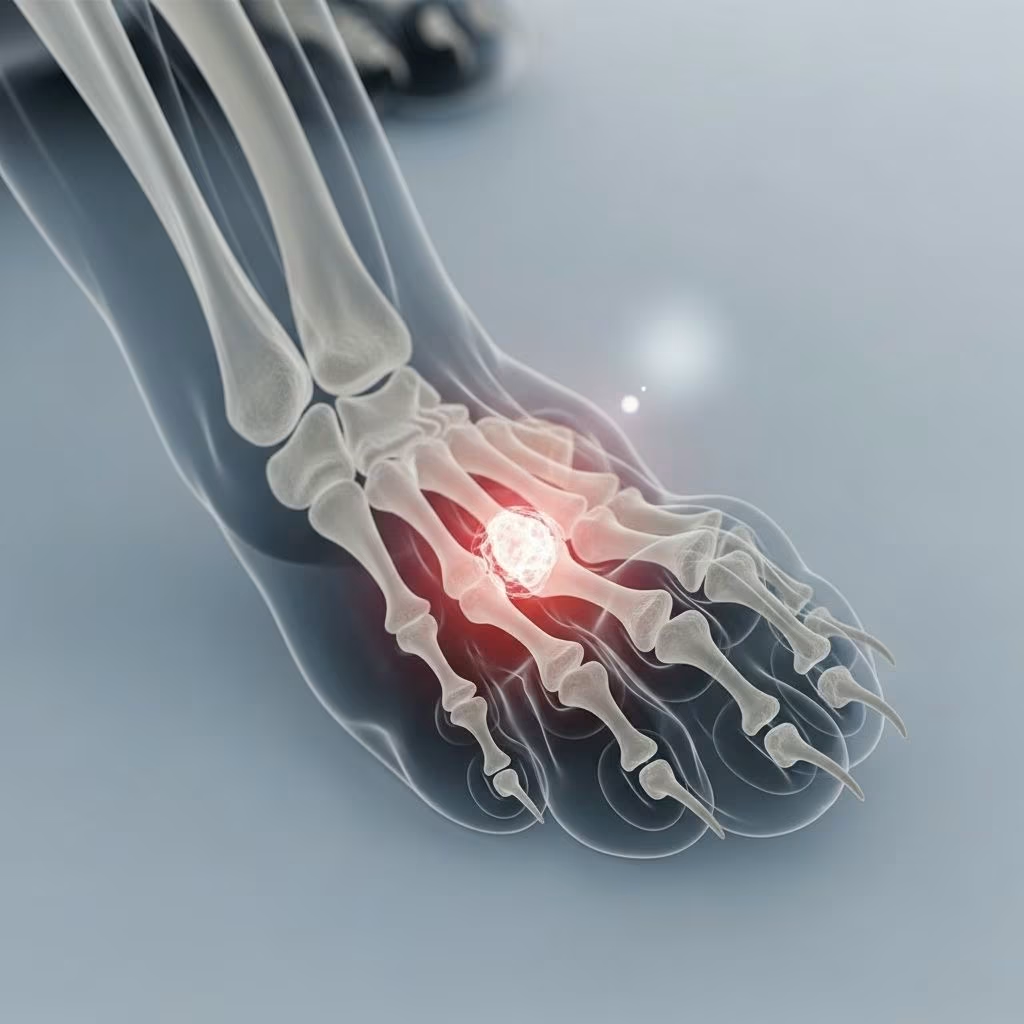
Bone infections known as osteomyelitis represent a serious health challenge for cats, involving inflammation of the bone marrow, cortex, and surrounding tissues often due to bacterial or fungal invaders. This condition demands prompt veterinary intervention to prevent chronic complications and ensure feline well-being.
What Is Osteomyelitis in Feline Patients?
Osteomyelitis refers to the inflammatory response within a cat’s bone structure, typically triggered by microbial invasion that leads to tissue damage and potential systemic effects. It can strike any skeletal area but commonly targets long bones in the limbs, spine, or even the jaw from dental origins.
In cats, this disorder manifests as acute or chronic forms. Acute cases arise suddenly with intense symptoms, while chronic ones develop gradually, often evading early detection. Unlike sterile inflammation, which is rare, most instances involve pathogens reaching the bone via bloodstream, direct trauma, or contiguous spread from nearby infections.
Primary Causes of Bone Infections in Cats
Understanding the origins is crucial for effective management. The leading culprit is bacterial invasion, where pathogens like Staphylococcus or Streptococcus enter through open wounds, surgical sites, or fractures. Fight wounds from outdoor scuffles frequently introduce these microbes directly into bone.
- Bacterial Pathways: Open injuries, bite punctures, or post-operative contamination allow bacteria to hematogenously spread or locally invade.
- Fungal Contributors: In immune-compromised cats or those in endemic regions, fungi such as Aspergillus disseminate via lungs and bloodstream, causing slower-progressing infections.
- Other Factors: Foreign bodies like implants, dental abscesses, or untreated soft tissue infections serve as nidi for persistent microbial growth.
Geographic exposure plays a role; cats with travel history to fungal hotspots face elevated risks.
Recognizing Symptoms: From Subtle to Severe
Cats often mask discomfort, making vigilance essential. Early signs mimic minor injuries but escalate if unchecked.
| Symptom Type | Acute Presentation | Chronic Presentation |
|---|---|---|
| Lameness | Sudden, non-weight bearing limp | Intermittent, progressive hobbling |
| Pain Indicators | Vocalizing, guarding limb, fever | Reluctance to jump, subtle flinching |
| Systemic Signs | Lethargy, appetite loss, swelling | Normal behavior with localized heat |
| Wound-Related | Pus drainage, abscess formation | Persistent draining tracts |
Jaw involvement may cause drooling or eating difficulties, while spinal cases lead to neurological deficits.
Diagnostic Approaches for Accurate Identification
Veterinarians employ a multi-step process to confirm osteomyelitis and pinpoint pathogens.
- Initial Assessment: History review for trauma or travel, physical exam for pain and swelling.
- Laboratory Tests: Complete blood count often reveals elevated white cells in acute phases; chronic cases may show normal values but altered calcium/phosphorus.
- Imaging: X-rays detect bone lysis, periosteal reactions, or sequestra (dead bone). Follow-up radiographs after two weeks capture evolving changes.
- Advanced Tools: CT or MRI for ambiguous x-rays; fine-needle aspirates or biopsies for culture and sensitivity.
- Fungal Screening: Antibody titers in high-risk areas.
Combining these yields definitive diagnosis, guiding targeted therapy.
Treatment Strategies: Medical and Surgical Interventions
Therapy combines antimicrobials, pain control, and debridement, tailored to infection type and stage.
Antimicrobial Protocols
Bacterial cases require culture-directed antibiotics for 4-8 weeks or longer in chronic scenarios. Initial broad-spectrum choices include:
- Clavulanic acid/amoxicillin (15 mg/kg PO q12h)
- Cephalexin (22-30 mg/kg PO q8-12h)
- Clindamycin (11-33 mg/kg PO q12h for 28 days)
Fungal infections demand antifungals like itraconazole, with monitoring for toxicities.
Surgical Measures
Essential for necrotic tissue removal, implant extraction, or lavage. Severe refractory cases may necessitate amputation.
Supportive Care
Pain meds (e.g., NSAIDs), nutritional bolstering, and IV fluids aid recovery. Hospitalization follows surgery for monitoring.
Prognosis and Factors Influencing Outcomes
Success hinges on early detection, pathogen identification, and owner compliance. Acute, localized infections respond well to 4-6 week regimens, boasting good prognoses. Chronic or fungal cases pose challenges, with recurrence risks if resistance develops or sequestra persist.
Long-term x-rays track bone remodeling; lab rechecks ensure medication safety.
Steps for Recovery and Long-Term Management
Post-treatment vigilance prevents relapse.
- Administer all meds as prescribed, even post-symptom resolution.
- Attend frequent rechecks for imaging and bloodwork.
- Provide soft bedding, restricted activity, and high-quality nutrition.
- Monitor for recurrence signs like renewed lameness.
Pet owners significantly boost success through adherence.
Prevention Tactics to Safeguard Your Cat
Proactive measures minimize risks.
- Indoor Lifestyle: Limits wounds from fights or trauma.
- Vaccination Schedule: Guards against predisposing viruses like FeLV.
- Dental Maintenance: Routine cleanings prevent jaw spread.
- Wound Vigilance: Clean and vet-check injuries promptly.
- Health Monitoring: Annual exams catch underlying issues.
Frequently Asked Questions (FAQs)
Can osteomyelitis resolve without antibiotics?
Rarely; untreated infections progress, risking sepsis or limb loss. Culture-guided therapy is standard.
How long do cats need antibiotics for bone infections?
Acute: 4-6 weeks; chronic: months. Duration bases on clinical and radiographic response.
Is surgery always required for feline osteomyelitis?
No, but indicated for dead bone, abscesses, or hardware. Medical management suffices for mild cases.
Why do outdoor cats face higher risks?
Increased fight wounds and trauma provide bacterial entry points.
Can fungal osteomyelitis recur in cats?
Yes, especially without full antifungal courses; endemic exposure heightens chances.
Key Takeaways for Cat Owners
Swift action on lameness or swelling prevents osteomyelitis escalation. Collaborate with vets for diagnostics and holistic care, prioritizing prevention through safe environments and routine health checks. Early intervention often yields full recovery, restoring your cat’s vitality.
References
- Osteomyelitis in Dogs and Cats – Musculoskeletal System — Merck Veterinary Manual. 2023. https://www.merckvetmanual.com/musculoskeletal-system/osteopathies-in-small-animals/osteomyelitis-in-dogs-and-cats
- Osteomyelitis in Cats: Causes, Symptoms, and Treatment — PetCareRx. 2023. https://www.petcarerx.com/article/osteomyelitis-in-cats-causes-symptoms-and-treatment/6811
- Osteomyelitis in Cats — PetMD. 2024. https://www.petmd.com/cat/conditions/musculoskeletal/c_ct_osteomyelitis
- Bone Disorders in Cats – Cat Owners — MSD Veterinary Manual. 2023. https://www.msdvetmanual.com/cat-owners/bone-joint-and-muscle-disorders-of-cats/bone-disorders-in-cats
- Microbiological aspects of osteomyelitis in veterinary medicine — PMC (NCBI). 2021-12-21. https://pmc.ncbi.nlm.nih.gov/articles/PMC8725753/



