

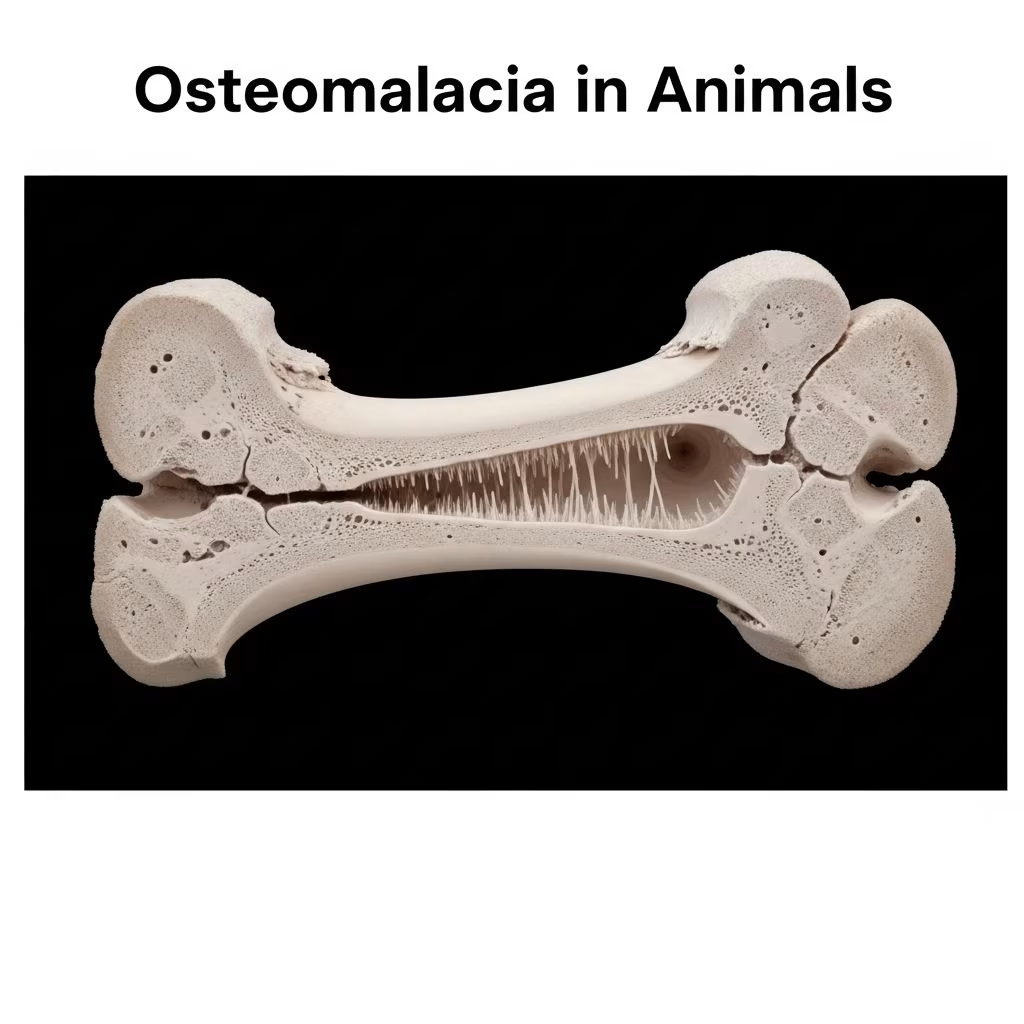
Osteomalacia represents a critical disruption in bone mineralization processes among mature animals, primarily triggered by prolonged deficiencies in essential minerals such as calcium, phosphorus, or vitamin D. This condition leads to the accumulation of unmineralized bone matrix, resulting in softened and weakened skeletal structures. Unlike rickets, which impacts growing bones, osteomalacia affects fully developed skeletons, making it a significant concern in adult livestock and equine populations.
Pathophysiology and Underlying Mechanisms
The core issue in osteomalacia involves impaired mineralization of osteoid, the organic framework of bone. Normally, osteoblasts produce osteoid that rapidly mineralizes with calcium and phosphorus deposits. In deficiency states, this process falters, leading to excessive unmineralized tissue on bone surfaces. This pathology mirrors aspects of rickets but manifests in mature bone remodeling sites, including trabecular and cortical regions.
Key mechanisms include:
- Nutritional Imbalances: Diets excessively high in phosphorus relative to calcium, common in grain-heavy feeds, disrupt the calcium-to-phosphorus ratio (ideally 2:1).
- Vitamin D Insufficiency: Limits intestinal absorption of calcium and phosphorus, exacerbating mineralization failure.
- Environmental Factors: Grazing on phosphorus-poor soils in tropical or subtropical regions intensifies risks for ruminants.
In horses, this is historically termed ‘bran disease’ due to bran-rich diets low in calcium. Cattle on native pastures with soil phosphorus below 4-5 mg/kg face heightened vulnerability, as forage phosphorus drops under 1.5-2.0 g/kg dry matter.
Species-Specific Manifestations
Horses: Bran Disease and Big Head Syndrome
Horses fed diets skewed toward grains and deficient in roughage often develop nutritional osteodystrophy. Clinical hallmarks include facial bone swelling, earning the moniker ‘big head,’ alongside shifting lameness and subchondral fractures. These fractures underlie joint cartilage degeneration and ligament tears, contributing to obscure lamenesses. Severe cases show head bone deformities and secondary hypoparathyroidism effects.
Cattle: Phosphorus Deprivation Effects
In beef cattle, particularly lactating cows on low-input pastures, phosphorus scarcity induces profound unthriftiness. Affected animals exhibit rough coats, weight loss, limb deformities, and spontaneous fractures. Pica—depraved appetite leading to bone or soil ingestion—predisposes to secondary issues like esophageal obstructions or intoxications. Subclinical forms drive production losses via reduced fertility and growth.
Outbreaks in regions like Uruguay, Brazil, and South Africa highlight the role of subtropical pastures with low soil phosphorus (2.5-9 mg/kg).
Other Species
Sheep, pigs, and companion animals like dogs and cats can also suffer, though less commonly documented. General signs include spinal curvatures (lordosis, kyphosis), rib/pelvic fractures, and generalized weakness.
Recognizing Clinical Signs
Early detection hinges on observing nonspecific yet progressive symptoms:
- Unthriftiness and weight loss despite adequate feed intake.
- Shifting lameness or reluctance to move.
- Pica behaviors, increasing risks of gastrointestinal complications.
- Visible skeletal deformities, such as bowed limbs or spinal curvatures.
- Fractures, especially in weight-bearing bones or ribs.
In advanced stages, animals display difficulty rising, grazing inefficiencies, and poor reproductive performance. Horses may show dramatic facial enlargements, while cattle endure chronic debility.
Diagnostic Approaches
Diagnosis integrates history, clinical exams, and targeted tests. Begin with dietary analysis for calcium, phosphorus, and vitamin D adequacy. For grazing animals, proxy soil or fecal mineral assays provide insights.
| Test | Purpose | Key Findings |
|---|---|---|
| Serum Biochemistry | Assess mineral status | Low phosphorus (<2 mmol/L), normal renal markers; elevated hydroxyproline indicates bone turnover. |
| Radiography | Visualize skeletal changes | Demineralization, folding fractures, loss of lamina dura, cortical resorption. |
| Bone Biopsy/Needle Test | Confirm mineralization defect | Excess osteoid; easy needle penetration in lumbar apophyses signals osteopenia. |
| Fecal/Soil Analysis | Indirect dietary intake | Low P levels correlate with deficiency risks. |
Normal renal function distinguishes nutritional osteodystrophy from renal secondary hyperparathyroidism. Bone ash analysis postmortem reveals low phosphorus content (e.g., 73 mg/mL in ribs).
Management and Treatment Strategies
Treatment prioritizes correcting deficiencies promptly while minimizing skeletal stress.
- Dietary Correction: Supplement phosphorus (for cattle), calcium (for horses), and vitamin D as needed. Balance ratios to prevent rebounds.
- Confinement: Restrict movement for 3-4 weeks post-supplementation to avert fractures; monitor via serial radiographs.
- Supportive Care: Address pica and secondary infections; improve attitude with balanced nutrition.
Responses are swift: improved activity within days, full remodeling in months if deformities are mild. Prevent jumping/climbing initially.
Prevention in Production Systems
Proactive measures mitigate risks:
- Forage-Based Diets: Ensure horses receive ample hay; avoid grain excess.
- Soil and Pasture Testing: Monitor phosphorus in low-input systems; fertilize if below thresholds.
- Mineral Supplementation: Provide free-choice salt-mineral mixes tailored to regional deficiencies.
- Breeding and Management: Select resilient genetics; rotate pastures to avoid overgrazing.
In phosphorus-deficient zones, regular herd blood testing guides interventions, curbing subclinical losses.
Research Insights and Emerging Knowledge
Recent studies affirm phosphorus as the primary culprit in bovine cases, with needle tests offering field practicality despite limitations (not all symptomatic cows test positive). Equine cases underscore calcium imbalances from imbalanced feeds. Ongoing work explores biomarkers like serum hydroxyproline for early detection.
FAQs
What causes osteomalacia in farm animals?
Primarily chronic deficiencies in phosphorus, calcium, or vitamin D from poor diets or low-mineral soils.
How do you differentiate osteomalacia from other lamenesses?
Combination of shifting lameness, pica, fractures, and confirmed mineral deficits via blood/radiographs.
Can osteomalacia be reversed?
Yes, with prompt supplementation and rest; full recovery possible in months.
Is osteomalacia common in horses?
Yes, especially ‘pampered’ grain-fed horses developing ‘big head’.
What are prevention tips for cattle herds?
Test pastures, supplement minerals, and balance lactation diets.
References
- Osteomalacia in Animals — Merck Veterinary Manual. 2025. https://www.merckvetmanual.com/musculoskeletal-system/dystrophies-associated-with-calcium-phosphorus-and-vitamin-d/osteomalacia-in-animals
- Osteomalacia as a result of phosphorus deficiency in beef cattle — Journal of Veterinary Diagnostic Investigation (SAGE). 2021-07-21. https://journals.sagepub.com/doi/10.1177/10406387211025828
- Disorders Associated with Calcium, Phosphorus, and Vitamin D in Horses — MSD Veterinary Manual. 2025. https://www.msdvetmanual.com/horse-owners/bone-joint-and-muscle-disorders-in-horses/disorders-associated-with-calcium-phosphorus-and-vitamin-d-in-horses



