Osteoarthritis in Cats: Signs and Care
Discover how to spot early signs of osteoarthritis in cats and implement effective strategies to enhance their mobility and comfort for a better life.
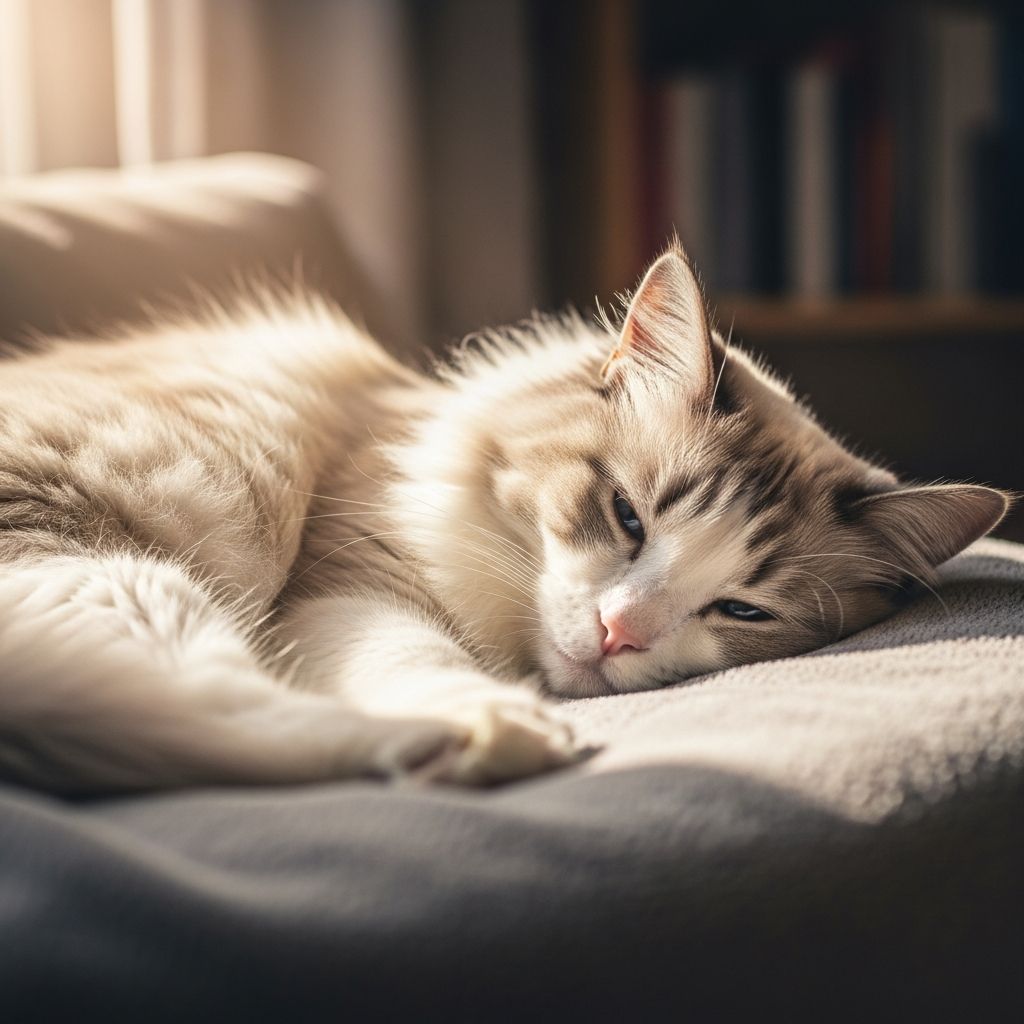
Osteoarthritis, a degenerative joint disease, impacts a significant number of cats, leading to chronic pain and diminished mobility. This condition involves the breakdown of cartilage in joints, causing bones to rub together and trigger inflammation. Cats often mask their discomfort, making early detection challenging but crucial for effective management.
Understanding the Prevalence and Impact
Contrary to common belief, osteoarthritis is not rare in felines. Studies indicate it affects up to 90% of cats over 12 years old, with symptoms appearing as early as middle age. The disease progresses silently, altering a cat’s daily routines and overall well-being. Joints in the elbows, hips, knees, and spine are commonly involved, leading to stiffness and reluctance in movement.
Owners may notice gradual changes rather than sudden onset. The condition’s chronic nature means it worsens over time without intervention, but proactive care can significantly extend comfortable years.
Key Indicators of Joint Problems in Felines
Cats are masters of disguise when it comes to pain, so vigilance is essential. Look for these common signs:
- Decreased activity levels: Less jumping on counters or furniture, avoiding high perches.
- Altered movement: Limping, stiff gait, or hesitation before leaping.
- Behavioral shifts: Increased irritability, withdrawal from play, or excessive sleeping.
- Grooming changes: Over-licking affected joints, potentially causing hair loss or skin irritation.
- Litter box issues: Difficulty entering or exiting, leading to accidents outside the box.
These symptoms often intensify after rest or in cold weather. If multiple signs appear, consult a veterinarian for a thorough exam, which may include X-rays or joint fluid analysis.
Factors Contributing to Joint Degeneration
While aging plays a role, it’s not the sole culprit. Several risk factors contribute:
- Obesity, which adds stress to joints.
- Prior injuries or fractures that alter joint mechanics.
- Genetic predispositions, like hip dysplasia.
- Nutritional deficiencies during growth phases.
- Repetitive strain from high-activity lifestyles or poor body conformation.
Maintaining ideal weight from kittenhood reduces these risks substantially.
Comprehensive Diagnostic Approaches
Veterinarians use a multi-step process to confirm osteoarthritis. History-taking reveals behavioral changes, followed by physical exams assessing joint range and pain responses. Imaging like radiographs visualizes cartilage loss and bone spurs. Advanced tools, such as force plate analysis, quantify lameness precisely.
| Diagnostic Method | Purpose | Benefits |
|---|---|---|
| Physical Exam | Assess gait and joint flexibility | Non-invasive, immediate insights |
| X-rays | Detect bone changes | Visual evidence of degeneration |
| Joint Fluid Analysis | Check for inflammation | Rules out infections |
| Activity Monitors | Track movement patterns | Objective data over time |
Multimodal Treatment Strategies
Managing feline osteoarthritis requires a tailored, multifaceted plan combining medications, lifestyle adjustments, and therapies. No single cure exists, but combined approaches yield the best outcomes.
Pharmacological Interventions
Solensia (frunevetmab): This FDA-approved monoclonal antibody injection targets nerve growth factor to block pain signals. Administered monthly by a vet, it improves mobility without traditional drug side effects. Studies show 76% of cats respond positively within weeks.
Adequan: An injectable polysulfated glycosaminoglycan that promotes cartilage repair and reduces inflammation. It can be given at home or in-clinic.
NSAIDs like meloxicam: Low-dose options provide anti-inflammatory relief, with monitored use to minimize risks.
Nutritional and Supplement Support
Prescription diets rich in omega-3 fatty acids (EPA/DHA), glucosamine, and chondroitin sulfate combat inflammation and support joint integrity. These ‘joint diets’ match pharmaceutical efficacy in trials, with no side effects and high palatability. Continue as vet-recommended, even post-improvement.
Physical Rehabilitation Techniques
Non-drug therapies enhance strength and flexibility:
- Low-impact exercises like swimming or controlled walks.
- Laser therapy to reduce inflammation.
- Acupuncture and massage for pain relief.
- Physiotherapy modalities: ultrasound, TENS, infrared.
Professional guidance ensures safety.
Surgical Considerations
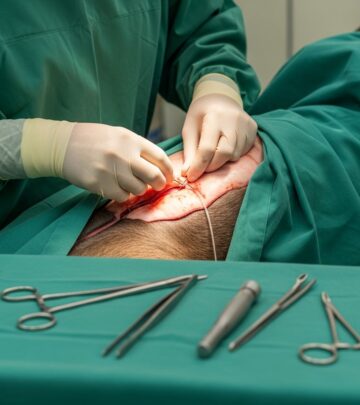
For severe cases unresponsive to conservative measures, options like femoral head ostectomy (FHO) remove damaged joint portions, allowing fibrous tissue formation for pain-free function.
Environmental Modifications for Comfort
Simple home changes make a big difference:
- Low-sided litter boxes.
- Ramps or pet stairs for furniture access.
- Elevated food/water stations.
- Orthopedic bedding and heated pads.
- Multiple low-entry resting spots.
These adaptations reduce joint strain and encourage activity.
Preventive Measures for Long-Term Joint Health
Proactive steps mitigate progression:
- Maintain lean body weight via portion control and high-protein diets.
- Regular vet checkups for early detection.
- Encourage gentle play to build muscle without overuse.
- Avoid obesity-promoting free-feeding.
Weight loss alone can dramatically alleviate symptoms in overweight cats.[10]
Monitoring Progress and Long-Term Outlook
Track improvements using activity collars or owner logs. Regular re-evals allow treatment tweaks. With diligent management, most cats regain quality of life, enjoying play and cuddles pain-free. Prognosis is excellent with early intervention.
Frequently Asked Questions
Is osteoarthritis curable in cats?
No, but it is highly manageable with treatments like Solensia and lifestyle changes, allowing normal activity levels.
How often is Solensia given?
Once monthly via veterinary injection; it’s safe for long-term use.
Can diet alone treat cat arthritis?
Omega-3 enriched diets rival drugs in efficacy but work best combined with other therapies.
At what age does osteoarthritis start?
Symptoms may appear by 7-10 years, though degeneration begins earlier.
Is surgery common for feline OA?
Rare; reserved for advanced cases where other options fail.
References
- Osteoarthritis – Animal Care Clinic — Animal Care Clinic. Accessed 2026. https://www.animalcareclinicslo.com/services/osteoarthritis/
- Signs and Prevention of Osteoarthritis in Cats? — Festival Animal Clinic. Accessed 2026. https://festivalanimalclinic.com/blog/osteoarthritis-in-cats/
- Arthritis in Cats: Causes, Signs, Treatment and Prevention — Vetic. Accessed 2026. https://vetic.in/blog/pet-health/arthritis-in-cats-the-causes-signs-treatment-and-prognosis-of-osteoarthritis-in-cats/
- Osteoarthritis in Cats: More Common Than You Think — U.S. Food and Drug Administration (FDA). Accessed 2026. https://www.fda.gov/animal-veterinary/animal-health-literacy/osteoarthritis-cats-more-common-you-think
- Osteoarthritis Care — North Channel Animal Hospital. Accessed 2026. https://www.northchannelanimalhospital.com/services/osteoarthritis-care
- Osteoarthritis in cats — PMC (PubMed Central). 2024. https://pmc.ncbi.nlm.nih.gov/articles/PMC12277680/
Similar Articles








Read full bio of Sneha Tete