

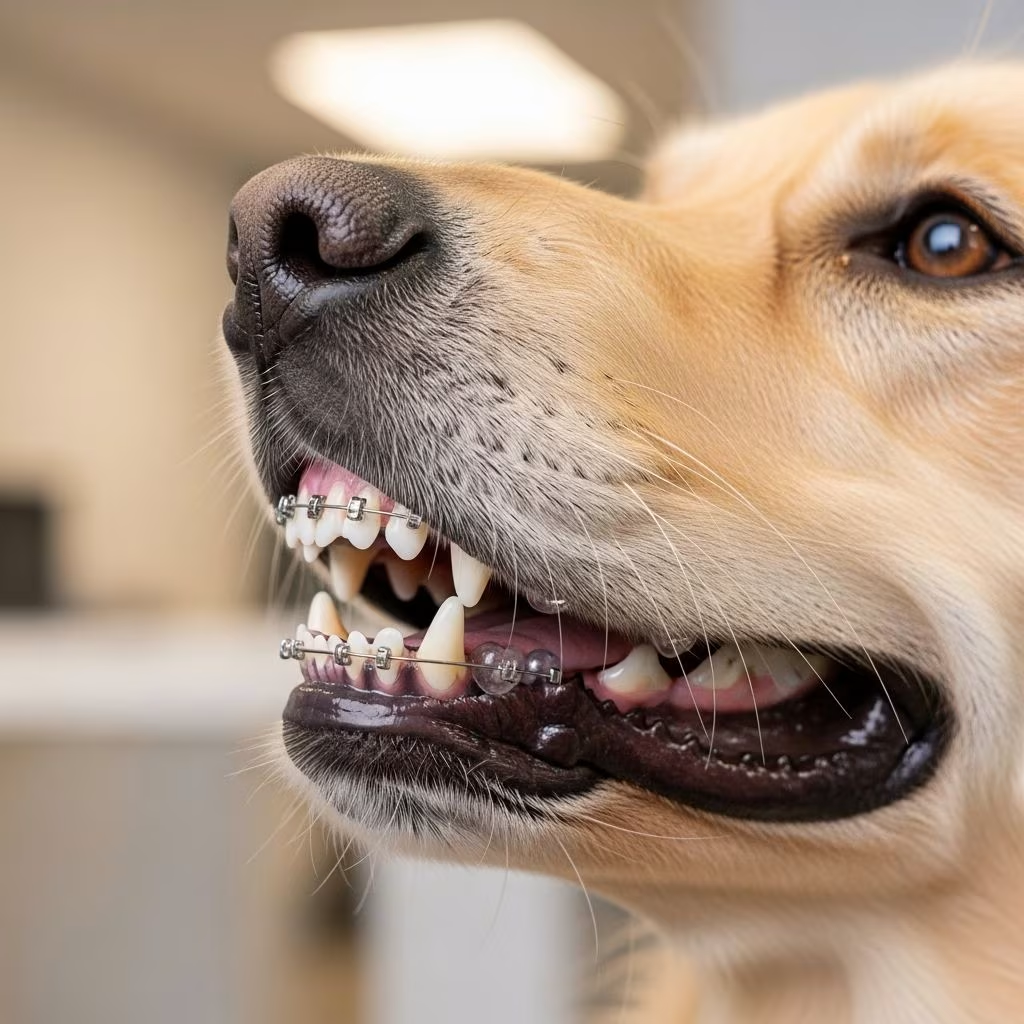
Orthodontics: Moving Teeth in Dogs
Orthodontic problems in dogs have become increasingly common, particularly due to selective breeding practices that have resulted in various dental abnormalities. Just like humans, dogs can experience misaligned teeth that create discomfort and functional problems. When a dog’s teeth do not erupt in an appropriate position within the jaw—a condition known as malocclusion—it can lead to significant pain and other complications. Understanding the options available for addressing these issues is essential for pet owners who want to ensure their dogs maintain optimal oral health and comfort.
Understanding Malocclusion in Dogs
Malocclusion occurs when a dog’s teeth are not properly aligned, resulting in improper bite mechanics. This condition can cause teeth to be in traumatic contact with other teeth or with the soft tissues inside the mouth, leading to pain, ulcers, and even fistulas—abnormal communications between the mouth and nasal cavity. Despite the obvious discomfort these conditions cause, pets rarely show visible signs of oral pain, making it crucial for veterinarians to recommend treatment regardless of whether the dog appears to be eating normally.
The consequences of untreated malocclusion can be severe. Misaligned mandibular canine teeth, for example, can lead to mandible narrowing, which directly causes the inability to eat due to constant irritation of the palate mucosa, resulting in weight loss and behavioral changes. Early diagnosis and intervention are therefore critical in preventing long-term complications that could significantly impact a dog’s quality of life.
Treatment Options for Canine Malocclusion
When veterinarians identify malocclusion in dogs, they must consider several treatment approaches. The primary options can be broadly categorized into three main methods:
- Orthodontics: Moving the teeth to achieve proper alignment and occlusion
- Extraction: Removing the problem teeth entirely
- Crown Reduction: Removing the portion of the tooth causing trauma to soft tissues
Each option has distinct advantages and disadvantages, and the choice of treatment depends on the severity of the malocclusion, the dog’s age, breed, and overall health status.
Orthodontic Treatment: Moving the Teeth
Orthodontic treatment represents one of the most effective approaches for correcting misaligned teeth in dogs, particularly when the dog is still in its developmental growth stage. Orthodontic treatment during the growth spurt is most effective, as it produces permanent tooth shifts and changes in occlusion without requiring retention therapy after treatment completion. This approach is particularly beneficial because it preserves the natural tooth structure and function.
The most effective orthodontic technique uses acrylic appliances and incline planes that are specifically modified to work with the canine dental system. These appliances function by stimulating the protrusion of the mandible while the teeth are closing. Within approximately four weeks, the lower canine teeth typically move along the incline of the appliance, achieving the desired tilt toward the flews. This technique has proven successful in correcting linguoverted mandibular canines, which are canine teeth that tip inward toward the tongue.
For slight orthodontic corrections, a gingival wedge or incline plane can be effective in addressing the malocclusion. The procedure is relatively quick, typically requiring no sedation in cooperative dogs, which is important for developing young organisms and helps reduce costs for both pet owners and veterinary clinics. Treatment timeframes are generally short, and the protocol allows for successful correction without the complications associated with anesthesia.
Extraction: Removing Problem Teeth
Tooth extraction represents a more radical treatment option but may be necessary in certain situations. This approach involves the complete removal of the problematic teeth through oral surgery. While extraction provides an immediate solution to the malocclusion problem, it comes with significant drawbacks. Extraction is a complicated and sometimes painful oral surgery that requires post-operative care and recovery time. Additionally, removing teeth eliminates their natural function permanently, which can impact the dog’s ability to eat comfortably in the long term.
Though extraction is often cheaper than orthodontic braces, it represents a permanent alteration of the dog’s dental anatomy with potential consequences that extend throughout the animal’s life.
Crown Reduction and Vital Pulp Therapy
Crown reduction involves removing the portion of the tooth that is causing trauma to the soft tissues of the mouth. This procedure can be effective for certain types of malocclusions, particularly when the problem is severe or when interlock with upper canines occurs, making crown reduction and vital pulp therapy the best choices.
However, this treatment option requires ongoing management. Shortening the teeth necessitates annual checkups and potential future adjustments to maintain effectiveness as the dog ages. This means that while it may seem like an immediate solution, pet owners must commit to long-term dental monitoring and maintenance.
The Orthodontic Treatment Process
Applying braces to a dog is not a decision taken lightly and requires careful planning and assessment. Before beginning orthodontic treatment, veterinarians must ensure the dog is healthy enough to undergo anesthesia, as the procedure typically requires multiple sedation sessions. The process involves several important steps:
- Comprehensive health evaluation and assessment of anesthesia fitness
- Dental impressions of both upper and lower dental arches
- Wax impressions of the intercuspal position
- X-rays and professional dental cleanings during sedation
- Appliance application, which typically takes 30 to 90 minutes
- Regular follow-up visits to monitor progress and make adjustments
- Maintenance and cleaning protocols throughout the treatment duration
Pet owners must be prepared for the commitment required throughout the entire treatment process, including maintaining and cleaning their pet’s mouth and ensuring compliance with veterinary recommendations.
Effectiveness and Long-Term Results
Orthodontic treatment has demonstrated significant success in correcting canine malocclusions. Clinical cases have shown that orthodontic correction results in permanent mandible extension with improved relationships between the canines. Additionally, the wounds and deformations of the palate—common complications of untreated malocclusion—completely disappear following successful orthodontic treatment. The arrangement of teeth in the mandible becomes symmetrical, and the dog’s profile typically returns to match the breed standard.
Control visits conducted one year after treatment completion have revealed that improvements are maintained long-term, with no regression of the corrected position. This permanence distinguishes orthodontic treatment from other temporary solutions and represents a significant advantage for dogs requiring long-term dental correction.
Professional Qualifications and Specialist Care
While many veterinarians are comfortable delivering basic orthodontic care for dogs, complex cases may benefit from specialist consultation. Your veterinarian may seek the advice of a board-certified veterinary dental specialist for advice or referral when dealing with complicated malocclusions or when specialized techniques are required. Board-certified veterinary dental specialists, affiliated with organizations like the American Veterinary Dental College (AVDC), possess advanced training and expertise in complex orthodontic procedures.
General veterinarians can successfully perform many orthodontic procedures, but referring to a specialist ensures that your dog receives the most appropriate care for their specific condition. Some veterinarians have developed unique and particularly effective methods for treating specific malocclusion conditions, particularly for slight orthodontic corrections.
Show Dogs and Breed Standards
An important consideration for breeders and owners of show dogs involves American Kennel Club (AKC) regulations. The American Kennel Club prohibits dogs in the show ring that have had orthodontic care. This restriction exists because dogs successful in the show ring are often sought after as breeding animals. If these dogs have a hereditary malocclusion that has been corrected through orthodontics, the correction will not be detectable, and the hereditary defect may be passed along to their offspring. By preventing these dogs from showing, the AKC aims to protect the public and ensure that only the best specimens of each breed are truly represented in the show ring.
Advantages of Orthodontic Treatment Over Alternatives
Compared to extraction and crown reduction, orthodontic treatment offers several compelling advantages:
- Preservation of natural teeth: Maintains the dog’s natural dental structure and function
- Permanent correction: Provides lasting results without need for ongoing adjustments
- Prevention of complications: Eliminates the pain, ulcers, and palatal damage associated with malocclusion
- Improved quality of life: Restores normal eating ability and comfort
- No retention required: Unlike human orthodontics, most dogs don’t require retention after treatment completion
- Breeding considerations: Unlike crown reduction, results don’t require annual monitoring
Orthodontic treatment represents an excellent alternative to selective grinding of permanent teeth or extraction treatment, which represents the most radical option for addressing malocclusion.
Important Considerations Before Treatment
Before pursuing orthodontic treatment for your dog, several factors should be considered:
- Your dog’s age and developmental stage
- Overall health status and ability to undergo anesthesia
- Temperament and ability to tolerate repeated veterinary visits and mouth handling
- Owner commitment to maintaining proper oral hygiene during treatment
- If the dog is a breeding animal or show prospect
- The severity and specific nature of the malocclusion
- Financial considerations and treatment costs
- Timeline for treatment completion
Frequently Asked Questions About Dog Orthodontics
Q: What exactly is malocclusion in dogs?
A: Malocclusion is a condition where a dog’s teeth do not erupt in appropriate positions within the jaw. This can result in teeth being in traumatic contact with other teeth or soft mouth tissues, causing pain and potential complications.
Q: How do I know if my dog has a malocclusion that needs treatment?
A: Signs include visible misalignment, difficulty eating, behavioral changes, weight loss, or oral ulcers. However, many dogs don’t show obvious symptoms despite experiencing pain. A veterinary examination is necessary for proper diagnosis.
Q: Is orthodontic treatment safe for puppies?
A: Orthodontic treatment during the growth spurt is actually most effective and produces permanent results. Early treatment is often recommended as it requires less sedation and is less invasive than treating adult dogs.
Q: How long does orthodontic treatment typically take?
A: Treatment duration varies depending on the severity of the malocclusion, but significant movement can occur within approximately four weeks. The complete treatment course depends on the specific case.
Q: Will my dog’s bite return to its original misalignment after treatment?
A: No. Orthodontic treatment during the growth stage produces permanent shifts in tooth position and occlusion. Results are maintained long-term without requiring retention therapy.
Q: Can my general veterinarian perform orthodontic treatment, or do I need a specialist?
A: Many veterinarians are comfortable delivering orthodontic care for dogs. However, complex cases may benefit from consultation with a board-certified veterinary dental specialist for optimal outcomes.
Q: What if my dog is a show prospect? Can they compete after orthodontic treatment?
A: No. The American Kennel Club prohibits dogs with orthodontic treatment from competing in the show ring. This rule prevents hereditary malocclusions from being passed to offspring through breeding of corrected show dogs.
Q: Are there risks associated with orthodontic treatment?
A: The primary considerations involve ensuring the dog is healthy enough for anesthesia and can tolerate the treatment process. When performed by qualified professionals, orthodontic treatment is generally a safe and effective option.
References
- Orthodontic Treatment of Dogs during the Developmental Stage — National Center for Biotechnology Information (NCBI). 2022. https://pmc.ncbi.nlm.nih.gov/articles/PMC9416222/
- Pet Orthodontics — Veterinary Dental Specialties (VDS). https://www.vdspets.com/services/petorthodontics/
- Dog Braces: Everything You Need to Know — PetMD. https://www.petmd.com/dog/care/dog-braces-everything-you-need-know
- Orthodontics (Moving Teeth) in Dogs — VCA Animal Hospitals. https://vcahospitals.com/know-your-pet/orthodontics-moving-teeth-in-dogs



