

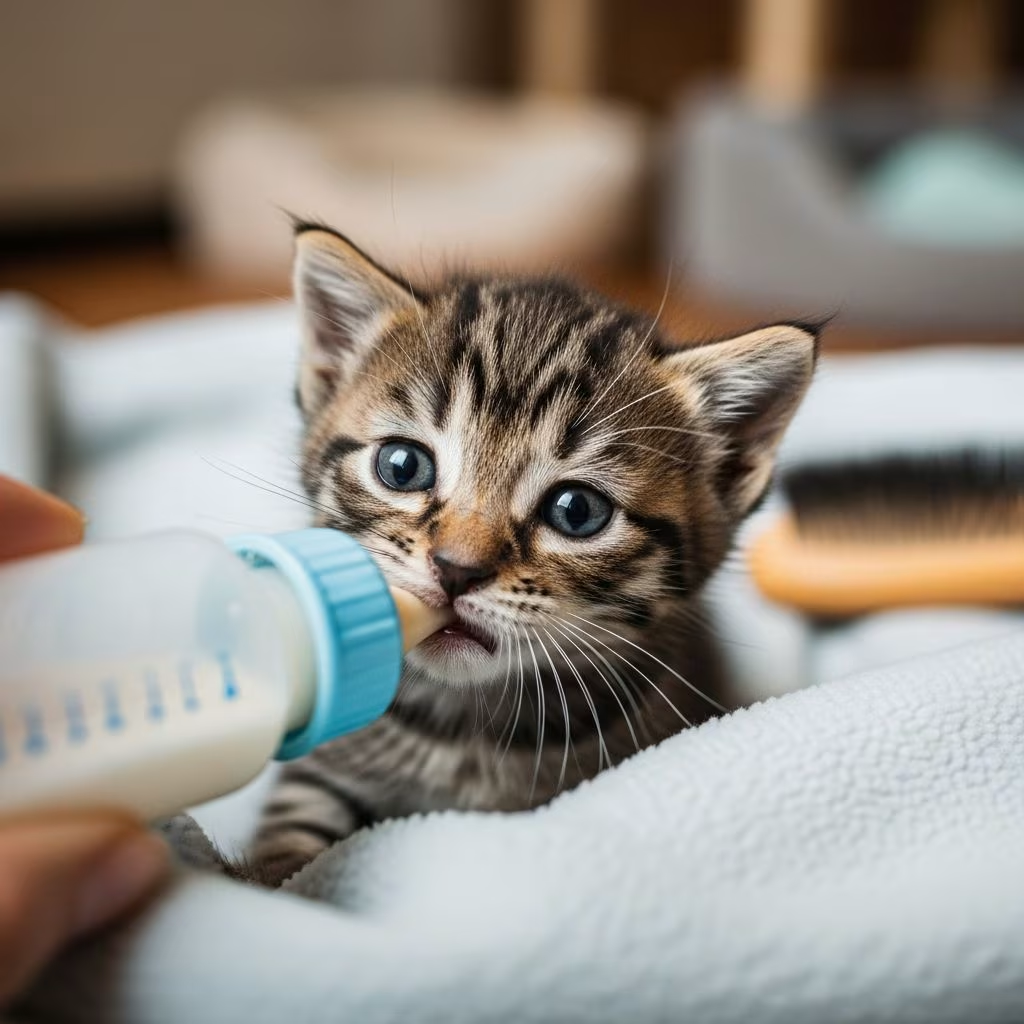
Caring for orphaned kittens presents a unique and rewarding challenge that requires dedication, knowledge, and careful attention to detail. Feeding orphaned kittens can initially feel like a full-time job, particularly in the early weeks when they demand frequent nourishment. However, the experience is profoundly gratifying, as you witness these vulnerable creatures develop and eventually grow strong enough to transition to solid food and find permanent homes. The following feeding protocols have been carefully developed by Salt Lake County Animal Services in partnership with Best Friends Animal Society, providing a comprehensive roadmap for successful kitten care.
Understanding Orphaned Kitten Feeding Requirements
The foundation of successful orphaned kitten care lies in understanding the specific nutritional and feeding needs at each developmental stage. Young kittens have rapidly accelerating growth rates and metabolic demands that require precise feeding schedules and appropriate nutrition. During the first weeks of life, orphaned kittens depend entirely on bottle-feeding for their survival and development. This section outlines the detailed feeding protocols designed to support optimal growth and health at each stage of development.
One-Week-Old Kittens and Younger: Initial Bottle-Feeding Stage
The youngest orphaned kittens require the most intensive feeding care. Newborn kittens and those under one week old are entirely dependent on formula for all their nutritional needs. During this critical stage, establishing a consistent feeding routine is essential for proper development and survival.
Feeding Schedule and Amounts
- Food Type: Specialized kitten formula
- Feeding Frequency: Every 2-3 hours, totaling 8-12 feeding sessions per day
- Amount Per Feeding: 3-4 cubic centimeters (cc) per session
During this stage, consistency is paramount. New caregivers should establish a feeding schedule they can realistically maintain, as missing feedings or extending intervals beyond recommended timeframes can compromise the kittens’ health and development. The formula should be warmed to approximately body temperature before each feeding to ensure optimal digestion and comfort.
Two-Week-Old Kittens: Adjusting to Increased Capacity
By two weeks of age, kittens have developed slightly larger stomach capacity and can consume more formula per feeding while requiring fewer daily feeding sessions. This transition reflects the kittens’ growing size and developmental progress.
Feeding Schedule and Amounts
- Food Type: Specialized kitten formula
- Feeding Frequency: Every 3 hours, totaling approximately 8 feedings per day
- Amount Per Feeding: 5-6 cubic centimeters (cc) per session
At this stage, kittens begin showing more active interest in their surroundings and may display increased vigor during feeding times. Caregivers should monitor each kitten individually to ensure all are consuming adequate amounts and growing at appropriate rates. Weight gain should be tracked daily to verify that nutrition is meeting developmental needs.
Three-Week-Old Kittens: Preparing for Weaning Transition
Three-week-old kittens represent an important developmental milestone as they begin the gradual transition from exclusive formula feeding to introducing supplementary foods. While bottle-feeding remains the primary nutrition source, this stage introduces kittens to new textures and flavors that will eventually comprise their adult diet.
Developmental Changes at Three Weeks
Kittens at this age typically begin showing curiosity about solid foods and can start to eliminate waste independently, though continued stimulation may still be necessary. Their eyes are fully open, and their coordination improves significantly. Many kittens begin attempting to play and interact with their littermates more actively. This is an ideal time to introduce environmental enrichment and begin gentle socialization efforts.
Four-Week-Old Kittens: Beginning the Weaning Stage
The four-week mark represents a significant transition point in orphaned kitten care, as kittens begin the formal weaning process. During this stage, formula remains important but is gradually supplemented with gruel—a specially prepared mixture that bridges the gap between liquid formula and solid food.
Four-Week Feeding Protocol
Food Components Available:
- Approximately 1/2 can per kitten of prepared gruel in a shallow dish
- Dry kitten food (specifically formulated for young kittens) in a separate dish
- Fresh water available continuously in a third dish
- Formula provided three times daily via bottle
Feeding Frequency and Amounts:
- Bottle-feeding: 13-17 cc of formula administered every 8 hours (3 times daily)
- Gruel, kibble, and water: Available continuously throughout the day
Introducing Gruel: Techniques and Tips
Gruel preparation requires attention to consistency and temperature. During bottle-feeding sessions, caregivers should actively encourage kittens to consume small amounts of gruel from a spoon, tongue depressor, or directly from a shallow dish. This dual-feeding approach during each bottle session helps kittens develop familiarity with new food textures while ensuring adequate formula intake. Initially, kittens may be reluctant to eat gruel, requiring patience and gentle persistence. Some helpful techniques include:
- Allowing kittens to lick gruel from your finger before presenting it in a dish
- Warming gruel slightly to enhance palatability and aroma
- Mixing a small amount of formula into the gruel to create a more familiar taste
- Celebrating small successes and maintaining a positive, pressure-free feeding environment
Litter Box Introduction
A significant milestone at four weeks is the introduction of a litter box. At this age, kittens typically develop the ability to eliminate waste independently and no longer require manual stimulation. A standard litter box with non-clumping litter (clumping litter can be harmful if ingested) should be placed in an accessible location near the kittens’ resting area. Most kittens quickly understand the purpose of the litter box, though accidents may occur during the transition period.
Five- to Eight-Week-Old Kittens: Transitioning to Solid Food
The five- to eight-week period represents the final weaning stage before kittens can survive entirely on solid food. During this developmental window, kittens demonstrate rapidly increasing independence and appetite for traditional kibble and wet food. The transition during these weeks requires careful management to prevent digestive upset while ensuring kittens receive complete nutrition.
Five- to Eight-Week Feeding Protocol
Food Components Available:
- Approximately 1/2 can per kitten of appropriate-age kibble in a dish
- Wet food (kitten formulation) available in a separate dish
- Fresh water continuously available
Age-Specific Kibble Recommendations
| Age Range | Kibble Type | Feeding Notes |
|---|---|---|
| 3-5 weeks | Baby cat kibble | Smaller pieces; easier to transition from gruel |
| 5-6 weeks | Kitten kibble | Mix into wet food; transition period |
| 7 weeks and older | Standard kitten kibble | Kittens eating mainly dry kibble with wet food as supplement |
Managing Dietary Transitions
Weeks 5 and 6 are particularly critical as transition weeks where kittens shift from one type of food to another. To prevent digestive upset and ensure smooth transitions, the diet change should occur gradually over approximately seven days:
- Days 1-2: Mix 75% previous food with 25% new food
- Days 3-4: Mix 50% previous food with 50% new food
- Days 5-6: Mix 25% previous food with 75% new food
- Day 7 and beyond: Transition to 100% new food
This gradual approach allows the kittens’ digestive systems to adapt to new ingredients and textures while minimizing the risk of diarrhea or other gastrointestinal distress. Monitoring each kitten’s stool consistency provides valuable feedback on their digestive response to dietary changes.
Nutritional Considerations Throughout Development
Regardless of which feeding stage applies to your orphaned kittens, certain nutritional principles remain constant. All formula should be specifically formulated for kittens—not human infant formula or general cat formula. The formula should support proper growth, immune development, and metabolic function. Feeding schedules should be consistent, and all bottles and feeding equipment should be thoroughly cleaned and sanitized between uses to prevent bacterial contamination and illness.
Health Monitoring and Weight Tracking
Throughout the feeding process, careful observation of each kitten’s health and growth is essential. Kittens should be weighed daily to ensure adequate weight gain and proper nutrition. Expected growth rates vary by age, but generally, kittens should gain approximately 1 ounce per week. Any kitten demonstrating inadequate weight gain, lethargy, or poor appetite should be evaluated by a veterinarian to rule out underlying health issues or feeding problems.
The Rewards of Orphaned Kitten Care
While caring for orphaned kittens requires considerable time, effort, and commitment, the experience offers profound rewards. Watching fragile newborns develop into playful, curious kittens and eventually preparing them for adoption into loving homes provides deep satisfaction. The knowledge that you have directly saved lives and given these vulnerable animals a second chance creates lasting fulfillment. By following these feeding and care protocols, you provide orphaned kittens with the best possible foundation for healthy development and successful futures.
Future Planning: Spay and Neuter
An important consideration as orphaned kittens approach adoption readiness is ensuring they receive spaying or neutering before going to their new homes. This prevents these kittens from accidentally contributing to the thousands of litters that enter shelters annually. Most rescue organizations and shelters coordinate spay/neuter services before adoption finalization. If you are fostering independently, researching low-cost spay/neuter clinics in your area ensures this critical health measure is addressed.
Frequently Asked Questions (FAQs)
Q: What type of formula should I use for orphaned kittens?
A: Use only kitten-specific formula, not human infant formula or general cat formula. Kitten formula is specially formulated to meet the unique nutritional requirements of developing kittens and support proper growth and immune development.
Q: How do I know if my orphaned kittens are truly abandoned?
A: Observe kittens from a distance for 12-18 hours before concluding they are abandoned. Signs of true abandonment include kittens that are dirty, constantly meowing, lack teeth (under 2 weeks old), and the mother has not returned for many hours. If you remain uncertain, sprinkle flour around the nesting area and check for paw prints to determine if the mother has returned.
Q: Can I feed kittens on their backs like human babies?
A: No, never feed kittens on their backs. Always feed kittens in an upright or semi-upright position to prevent formula from entering the lungs and causing aspiration pneumonia.
Q: When should I introduce litter box training?
A: Introduce a litter box around three to four weeks of age when kittens develop the ability to eliminate waste independently. Use non-clumping litter and place the box near their resting area for easy access.
Q: How long does the weaning process typically take?
A: The weaning process gradually occurs from four weeks to eight weeks of age. By eight weeks, most kittens can survive entirely on solid food, though some caregivers continue supplemental bottle-feeding slightly longer if kittens are still interested.
Q: What should I do if a kitten is not gaining weight appropriately?
A: Contact a veterinarian immediately. Poor weight gain can indicate inadequate feeding, formula absorption issues, or underlying health problems that require professional evaluation and treatment.
References
- How to Care for Orphaned Kittens: Feeding and Weaning — Best Friends Animal Society. 2024. https://bestfriends.org/pet-care-resources/how-care-orphaned-kittens-feeding-and-weaning
- Orphaned Kitten Care and Feeding — Best Friends Animal Society. 2024. https://bestfriends.org/stories/features/orphaned-kitten-care-and-feeding
- Neonatal Kitten Care — Best Friends Animal Society. 2024. https://bestfriends.org/network/resources-tools/neonatal-kitten-care
- Bottle-Feeding Kittens: A Comprehensive Guide — Best Friends Animal Society. 2024. https://bestfriends.org/pet-care-resources/bottle-feeding-kittens-comprehensive-guide
- How to Care for Orphaned Kittens — Best Friends Animal Society. 2024. https://bestfriends.org/stories/features/how-care-orphaned-kittens



