

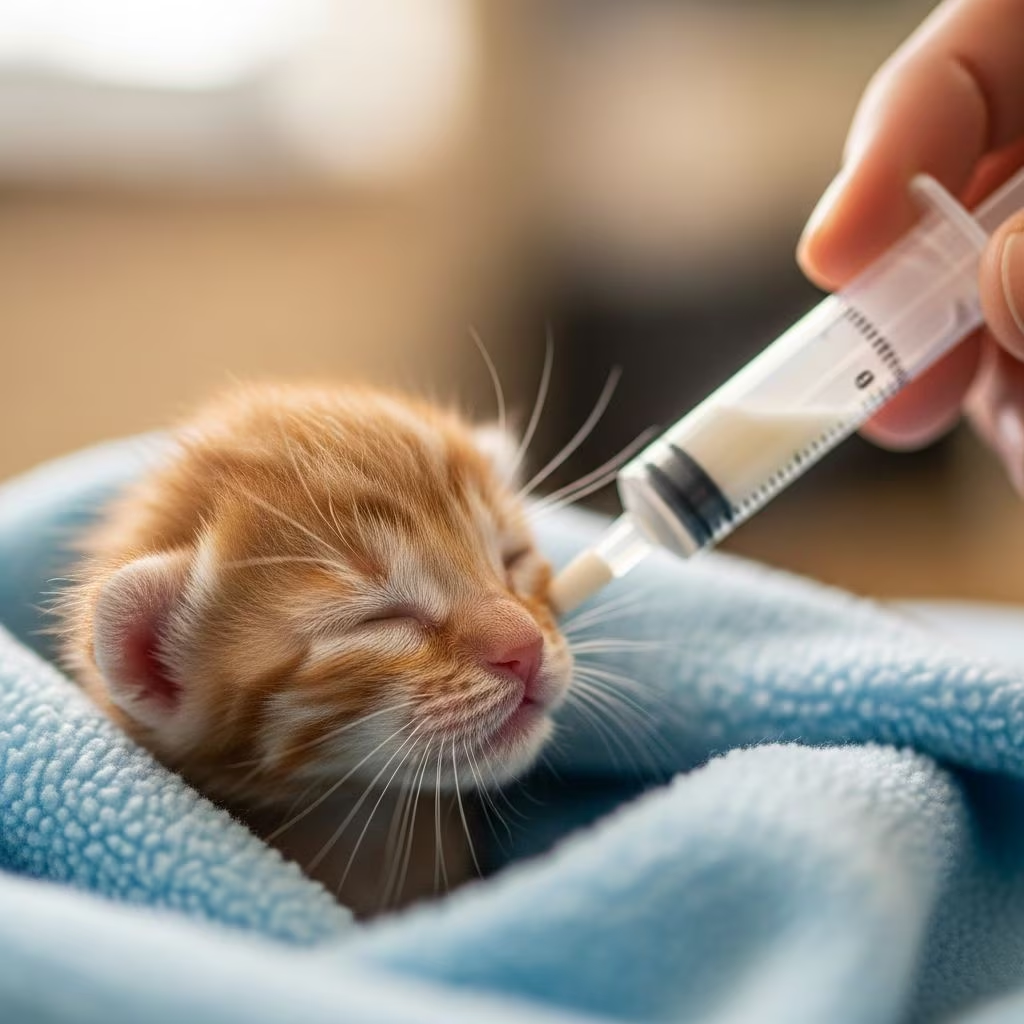
Understanding Orphan Kitten Care: A Comprehensive Guide
Caring for orphan kittens is one of the most rewarding yet challenging responsibilities a rescue volunteer or foster parent can undertake. These tiny, vulnerable felines require specialized attention, round-the-clock monitoring, and a deep understanding of their unique developmental needs. Unlike kittens raised by their mother cats, orphaned kittens depend entirely on their human caregivers for warmth, nutrition, bathroom stimulation, and socialization. This comprehensive guide covers everything you need to know about providing exceptional care to orphaned and newborn kittens, from their first days through their transition to independence.
The Importance of Specialized Orphan Kitten Care
Orphaned kittens face significantly higher mortality rates than kittens raised by their mothers. Without proper care, these delicate creatures can quickly develop life-threatening conditions. The mission of organizations dedicated to orphan kitten rescue, such as the Orphan Kitten Club, is to build innovative programs that save the lives of the tiniest and most vulnerable felines. Their work focuses on protecting orphaned kittens through specialized care protocols, research, and fostering initiatives that have revolutionized survival rates for neonatal kittens.
Fostering orphan kittens is short-term work that requires just a few minutes of care every few hours, making it accessible to many animal lovers. Shelters often lack the resources to provide the intensive, individualized attention these kittens need, which is why community foster networks are essential to their survival.
Creating the Perfect Environment for Orphan Kittens
Temperature Control: The Foundation of Care
Maintaining proper temperature is absolutely critical for orphan kitten survival. Kittens cannot regulate their own body temperature effectively, especially those under two weeks of age. Unless your nursery is at least 85 degrees Fahrenheit and your kittens are two weeks or older, you must supply extra heat sources.
Effective heating options include:
– Heating pads placed on low or medium setting- Hot water bottles- Infrared lamps
When using a heating pad, place it under a towel so it covers only half of the floor area of their box. This critical strategy allows kittens to move away from the heat if they become too warm. Never place kittens directly on a heating pad, as this can cause burns. If using a hot water bottle, ensure it’s kept where kittens cannot damage it with their claws.
The more kittens in a litter, the better they can keep warm by sleeping together in a heap. Small litters and singleton kittens require additional assistance maintaining proper body temperature. Always keep kittens away from heaters or cold drafts, and maintain consistent warmth throughout their environment.
Housing Setup
Young kittens should be kept in a large box or cat carrier lined with towels for easy cleaning. The space should be quiet and secure, preferably a spare room with a closing door to keep them quarantined from other animals and household hazards. For litters older than five weeks, ensure they cannot climb curtains, pull down lamps, fall into toilets, or access toxic plants and trash.
Feeding Orphan Kittens: Age-Specific Guidelines
Never Feed Cold Kittens
One of the most critical rules in orphan kitten care is to never feed a cold kitten. Cold kittens cannot digest food properly, and feeding them can be life-threatening. Always warm kittens to normal body temperature before any feeding attempt. Once warm, feed them an appropriate diet according to their age.
Newborn to 3 Weeks of Age
Newborn kittens require bottle feeding with Kitten Milk Replacer (KMR) every 2-3 hours. Newborns typically consume about one-half tablespoon of formula per feeding. Do not hold kittens like a baby when bottle feeding—instead, support them horizontally or at a slight angle to prevent aspiration and maintain a natural feeding position similar to nursing from their mother.
Feeding supplies you’ll need include:
– Kitten Milk Replacer (KMR) or similar product- Kitten/puppy bottle kits- Eye droppers and syringes as backup feeding tools- Warm water for formula preparation
3-4 Weeks of Age
At this stage, continue bottle feeding formula per manufacturer’s instructions every 2-3 hours until kittens are full but not bloated. Most kittens will consume at least one-half tablespoon of formula per feeding. Begin introducing lapping from a bowl, and ensure kittens have access to fresh water in a low, stable bowl.
7-8 Weeks of Age
Offer wet food 3-4 times daily; each kitten will eat a little over one can of food per day. Leave down a bowl of dry kibble and water for them to eat and drink at will. If you have a litter with a mother cat, she should only allow brief nursing sessions, if any. Never feed kittens table scraps.
8+ Weeks of Age
Offer wet food twice daily and leave down a bowl of dry kibble and water for free access. By the end of the eighth week, kittens should weigh approximately two pounds each and are old enough for early spay or neuter procedures.
Bathroom Stimulation and Hygiene
Stimulating Newborn Kittens
Kittens under three weeks of age cannot urinate or defecate without stimulation from their mother. As a caregiver, you must simulate this process. Using a warm, wet tissue or cloth, gently stimulate the kitten’s genital area before and after each feeding. Gentle circular motions will encourage elimination. This process is essential for preventing urinary tract infections and other complications.
Litter Box Training
Around 3-4 weeks of age, begin litter training by using a low box with one inch of non-clumping litter or shredded newspaper. Do not use clumping litter, as it can be harmful if ingested. After each feeding, place the kitten in the litter box and gently use their paw to scratch the litter, demonstrating the behavior. Most kittens instinctively use the litter box, though you should encourage this behavior since there’s no mother cat present to lead by example.
Keep the litter box clean and away from their food area. Confine kittens to a relatively small space, as larger areas make it easy for them to forget where the litter box is located. Be patient—kittens may occasionally make mistakes, but with consistent positive reinforcement, they learn quickly.
Maintaining Proper Hygiene
Because kittens have weakened immune systems, maintaining strict hygiene protocols is essential. After every stimulation or feeding, clean each kitten with a warm, wet tissue or cloth. Gently wash the kitten’s bottom to prevent urine and feces from drying on delicate skin and fur. Clean the kitten’s face just as their mother would, preventing formula from sticking to their fur.
Keep the sleeping area clean by changing soiled blankets regularly and disinfecting all bowls, bottles, and syringes. When kittens become particularly dirty, give spot baths under warm running water using unscented baby shampoo. Never immerse the entire kitten in water. After bathing, gently dry the kitten with a soft towel and immediately place them on a heating pad to maintain body temperature.
Socialization and Behavioral Development
Early Socialization Phase
Kittens begin their socialization phase early in development. To properly socialize orphan kittens, increase the amount of handling and acclimate them to human contact. Spend quiet time in their presence, stroking them and talking gently while they eat to reinforce positive associations with humans.
It’s crucial not to expose young kittens to anything frightening. Children may seem intimidating to kittens, so supervise closely during visits to ensure gentle, appropriate handling. The experiences kittens have during their early weeks shape their personalities and comfort levels throughout their lives.
Building Human Bonds
After eight weeks of age, some people briefly practice solitary confinement, which can make kittens lonely and more willing to seek comfort from humans. However, this practice can be cruel if kittens are isolated for prolonged periods beyond one day. If kittens have the company of another cat, they’re more likely to hide with the other cat rather than seek human interaction.
Health Monitoring and Common Concerns
Daily Weight Monitoring
Weigh kittens daily to monitor their growth and development. Consistent weight gain indicates proper nutrition and overall health. Kittens that fail to gain weight or show weight loss may have underlying health issues requiring veterinary attention.
Flea Prevention and Treatment
Orphan kittens may arrive infested with fleas. If a kitten is less than six weeks old and heavily infected, a flea bath may be necessary to save its life. Use warm water and immediately towel dry the kitten afterward, followed by a warm hair dryer until completely dry. Use only shampoo labeled safe for kittens. Always maintain proper warmth during and after bathing, as chilling can be life-threatening.
Seeking Medical Attention
Contact a veterinarian immediately if a kitten won’t eat, shows signs of illness, or seems unwell. Orphan Kitten Club and similar organizations do not offer medical advice; professional veterinary care is essential for any sick or injured kittens.
Essential Supplies Checklist
| Item Category | Essential Supplies |
|---|---|
| Feeding | Kitten Milk Replacer (KMR), bottles, syringes, eye droppers, canned kitten food, dry kibble |
| Warmth | Heating pad, hot water bottle, infrared lamp, towels, blankets |
| Housing | Large box or cat carrier, soft bedding, toys |
| Hygiene | Non-clumping litter, tissues, soft cloth, unscented baby shampoo |
| Health | Scale for weighing, thermometer, first aid supplies |
Frequently Asked Questions About Orphan Kitten Care
Q: How often should I feed orphan kittens?
A: Newborn kittens require bottle feeding every 2-3 hours around the clock. As they age, feeding frequency decreases—at 7-8 weeks, you’ll offer wet food 3-4 times daily, and at 8+ weeks, twice daily with free-access dry food.
Q: What should I do if a kitten won’t eat?
A: Never force-feed a kitten. First, ensure the kitten is warm enough—never feed cold kittens. If a kitten consistently refuses food or shows other signs of illness, seek immediate veterinary attention. Loss of appetite can indicate serious health problems.
Q: How do I know if an orphan kitten is the right weight?
A: By the end of eight weeks, healthy kittens should weigh approximately two pounds each. Weigh kittens daily to track consistent growth. Lack of weight gain may indicate feeding or health issues requiring veterinary evaluation.
Q: Can I use regular cat litter for orphan kittens?
A: No. Use only non-clumping litter or shredded newspaper for orphan kittens. Clumping litter can be harmful if ingested, posing serious health risks to young kittens.
Q: How long does it take to foster orphan kittens until adoption?
A: Most orphan kittens require foster care until they reach 8-10 weeks of age and weigh approximately two pounds. At this point, they’re ready for spay/neuter surgery and adoption into their forever homes.
Q: What’s the difference between spot bathing and full bathing?
A: Spot baths involve washing only dirty areas under warm running water without immersing the entire kitten. Full baths are necessary when kittens are heavily soiled but require careful temperature management to prevent chilling, which can be life-threatening.
The Role of Organizations in Orphan Kitten Rescue
Organizations like the Orphan Kitten Club are revolutionizing orphan kitten care through innovative shelter grants, ethical pediatric research, and lifesaving initiatives. Award-winning kitten rescuers, humane educators, and animal advocates dedicate their lives to innovating kitten care practices and training others in proper techniques. These organizations provide critical resources, training, and support to foster parents and shelter staff, ensuring that the tiniest and most vulnerable felines receive the specialized care necessary for survival.
Conclusion: The Rewards of Orphan Kitten Care
Caring for orphan kittens demands commitment, knowledge, and patience, but the rewards are immeasurable. By following proper protocols for temperature management, nutrition, hygiene, and socialization, you can give these vulnerable creatures the best chance at healthy, happy lives. Whether you’re a foster parent, shelter volunteer, or rescue worker, understanding and implementing comprehensive orphan kitten care techniques directly impacts survival rates and long-term outcomes for these precious animals. The work of caring for orphaned kittens is not just about feeding and cleaning—it’s about creating a foundation for healthy development, positive human relationships, and successful transitions to permanent homes.
References
- Orphaned Kitten Care — Napa Humane. 2024. https://napahumane.org/our-work/community-cats/orphaned-kitten-care/
- Caring for Found Kittens — Rogue Valley Humane Society. 2024. https://roguevalleyhumanesociety.org/resources/caring-for-found-kittens/
- Orphaned Kitten Care How to — Maddie’s Fund. 2024. https://www.maddiesfund.org/orphaned-kitten-care-how-to.htm
- Kitten Care 101: Essential Tips for Raising Healthy Kittens — Pethood Georgia. 2024. https://pethoodga.org/kitten-care/
- About Orphan Kitten Club — Orphan Kitten Club. 2024. https://orphankittenclub.org/about/



